

Is your car acting up, losing power, or struggling to start? These could be signs that your fuel filter is clogged.
Knowing how to diagnose a clogged fuel filter can save you time, money, and frustration. You’ll learn simple, clear steps to spot the problem before it gets worse. Keep reading, and you’ll gain the confidence to check your fuel filter yourself and keep your vehicle running smoothly.
Signs Of A Clogged Fuel Filter
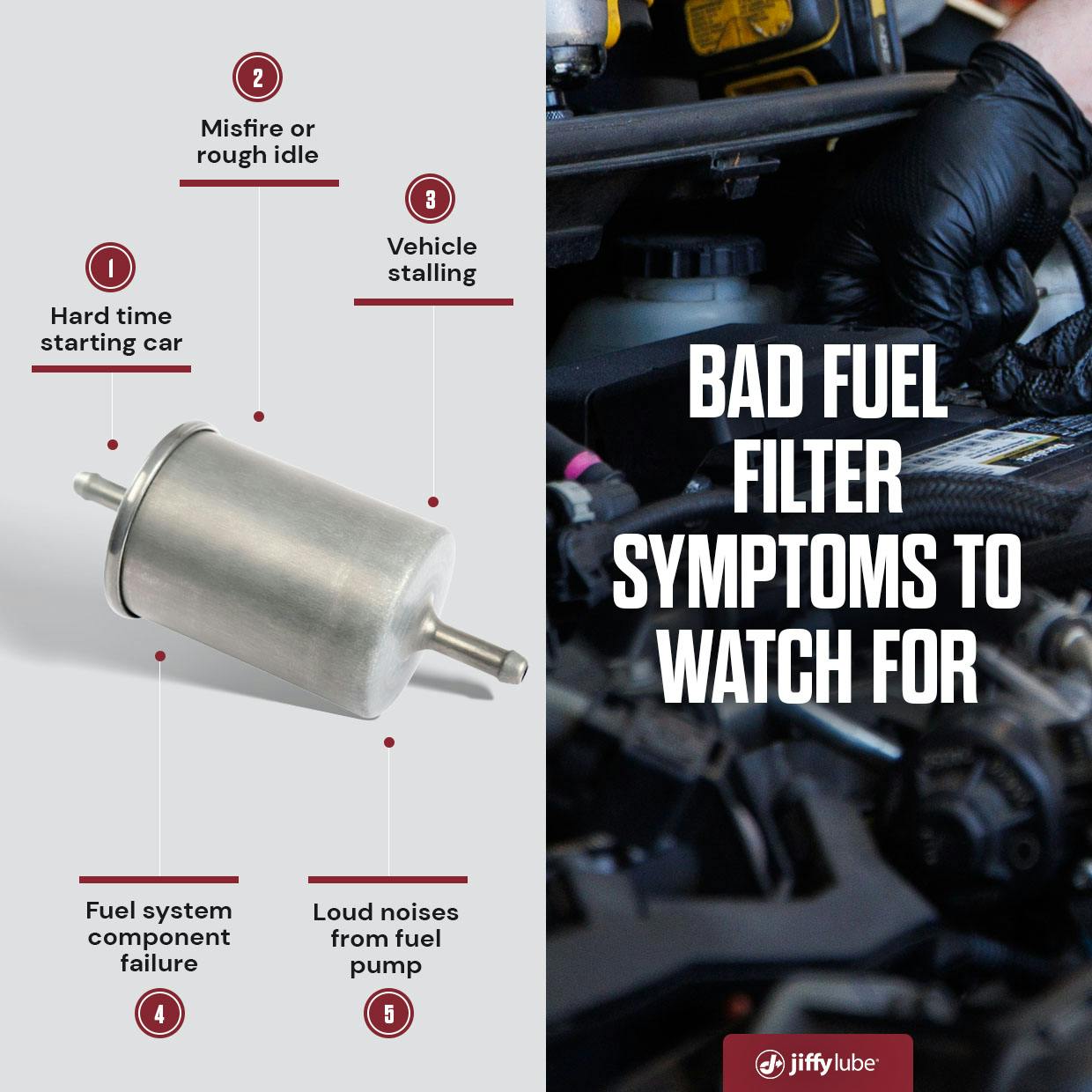
A clogged fuel filter can cause many problems in your car’s engine. It stops fuel from flowing freely to the engine. This leads to several signs that show your fuel filter needs attention. Knowing these signs helps you act quickly and avoid bigger issues.
Watch closely for changes in how your car runs. These changes often point to a blocked fuel filter. Below are common signs that your fuel filter might be clogged.
Engine Performance Issues
The engine may feel weak or slow. It can lose power during acceleration. Your car might hesitate or stall while driving. Poor engine performance is a clear sign of fuel flow problems.
Starting Problems
Your car may take longer to start than usual. Sometimes it won’t start at all. A clogged fuel filter blocks the fuel needed for ignition. This causes difficulty in starting the engine.
Unusual Engine Noises
You might hear sputtering or coughing sounds from the engine. These noises show the engine is struggling to get enough fuel. Strange sounds often mean the fuel filter is dirty or blocked.

Credit: www.agcoauto.com
Tools Needed For Diagnosis
Knowing the right tools makes diagnosing a clogged fuel filter easier. Having them ready saves time and avoids guesswork. Each tool plays a key role in checking different parts of the fuel system. Using proper tools helps find problems fast and fix them correctly.
Basic Hand Tools
Start with simple hand tools like wrenches and screwdrivers. These help remove fuel lines and access the fuel filter. A socket set can be useful for tight spots. Pliers assist in loosening clamps and connectors. Clean tools prevent dirt from entering the fuel system.
Fuel Pressure Gauge
A fuel pressure gauge measures fuel flow and pressure. Low pressure often points to a clogged filter. Attach the gauge to the fuel rail or line for an accurate reading. This tool shows if fuel moves freely through the filter. It helps confirm the filter’s condition quickly.
Safety Equipment
Safety comes first when working on fuel systems. Use gloves to protect your hands from fuel and dirt. Safety glasses keep your eyes safe from splashes. Work in a well-ventilated area to avoid inhaling fumes. Keep a fire extinguisher nearby for emergencies.
Locating The Fuel Filter
Finding the fuel filter is the first step in diagnosing a clogged fuel filter. It is important to know where the fuel filter is located in your vehicle. This helps you check or replace it quickly. The location depends on the type and model of the vehicle. Some fuel filters are easy to see, while others are hidden under parts. Knowing common spots for fuel filters saves time and effort during inspection.
Common Fuel Filter Locations
Fuel filters are often found along the fuel line. Many vehicles place the fuel filter near the fuel tank or under the car. Some cars have the fuel filter inside the engine compartment. Older cars usually have the fuel filter outside the fuel tank. Newer models may use a fuel filter inside the fuel pump assembly. Checking these common areas helps locate the filter faster.
Consulting The Vehicle Manual
The vehicle manual is the best guide for finding the fuel filter. It shows the exact location and type of fuel filter your car uses. The manual includes diagrams and instructions. Reading the manual avoids guesswork and mistakes. It also helps identify if the fuel filter is serviceable or built-in. Always keep the manual handy before starting any work.

Credit: oilchangers.com
Step-by-step Fuel Filter Inspection
Checking the fuel filter is a key step to find clogs. It helps keep fuel flowing well to the engine. A step-by-step inspection saves time and avoids mistakes. Follow these simple steps to inspect your fuel filter carefully.
Relieving Fuel System Pressure
Start by relieving pressure in the fuel system. This stops fuel from spraying out. Locate the fuel pump fuse in the fuse box. Remove the fuse and start the engine. Wait until the engine stops. This means pressure is gone. Turn off the ignition before moving on.
Removing The Fuel Filter
Find the fuel filter along the fuel line. It is often near the fuel tank or engine. Use a wrench to loosen the filter connections. Be ready to catch any spilled fuel. Carefully remove the fuel filter from its bracket. Handle it gently to avoid damage.
Visual Inspection For Clogs
Look closely at the fuel filter inside and out. Check for dirt, rust, or debris blocking it. A clogged filter looks dark or dirty. Hold the filter up to light to see inside. If fuel cannot pass through easily, replace the filter. Clean filters ensure smooth engine performance.
Using A Fuel Pressure Test
Using a fuel pressure test helps check the fuel filter’s condition. This test measures how much pressure the fuel system holds. A clogged filter lowers pressure, causing engine problems. You can find out if the fuel filter is blocked by checking pressure. Follow these steps to use a fuel pressure test correctly.
Connecting The Pressure Gauge
First, locate the fuel rail on your engine. The fuel rail usually has a small valve called a Schrader valve. Attach the pressure gauge to this valve. Make sure the connection is tight to avoid leaks. Turn the ignition key to the “on” position but do not start the engine. This action pressurizes the fuel system and prepares for the reading.
Interpreting Pressure Readings
Look at the pressure gauge display. Compare the reading with the vehicle’s fuel pressure specifications. Low pressure suggests a clogged fuel filter. Normal pressure means the filter likely is clear. High pressure can indicate other issues, such as a faulty fuel pressure regulator. Use this information to decide the next step in your diagnosis.
Credit: www.jiffylube.com
Temporary Fixes Before Replacement
Temporary fixes can help keep your car running before you replace a clogged fuel filter. These methods do not solve the problem completely but can ease symptoms. Use them as a stopgap to avoid breakdowns and keep your vehicle moving.
Cleaning The Fuel Filter
Cleaning the fuel filter might restore some fuel flow. Remove the filter carefully and check for dirt and debris. Use a cleaning spray designed for fuel filters. Let the filter dry fully before reinstalling it. This method works only if the clog is light. Do not expect a full fix, only temporary relief.
Using Fuel Additives
Fuel additives can help dissolve small particles inside the filter. Add the product to your fuel tank as directed on the label. These additives improve fuel flow and engine performance. They also help prevent future clogs by cleaning the fuel system. Use additives regularly to maintain fuel filter health until replacement.
When To Replace The Fuel Filter
Knowing when to replace the fuel filter is key to keeping your vehicle running smoothly. A clogged fuel filter can cause poor engine performance and reduce fuel efficiency. Replacing it at the right time avoids costly repairs and breakdowns.
Manufacturer Recommendations
Check the vehicle’s owner manual for fuel filter replacement intervals. Most manufacturers suggest changing it every 20,000 to 40,000 miles. Some newer models have filters that last longer or are built into the fuel pump. Follow the specific advice for your car’s make and model. Regular maintenance based on these guidelines helps prevent fuel system problems.
Signs Replacement Is Necessary
Watch for engine trouble like stalling or rough idling. Slow acceleration and difficulty starting the engine also signal a clogged filter. The check engine light may turn on for fuel issues. Decreased fuel efficiency is another clear sign. If you notice these symptoms, it is time to replace the fuel filter. Acting early protects the fuel injectors and engine from damage.
Preventing Future Clogs
Preventing future clogs in your fuel filter keeps your vehicle running smoothly. Clogged filters reduce engine power and fuel efficiency. Simple steps help avoid blockages and costly repairs. Focus on good fuel habits and regular care.
Using Quality Fuel
Choose fuel from trusted stations. Low-quality fuel often contains dirt and water. These impurities can clog the fuel filter quickly. Clean fuel helps maintain engine health. Avoid cheap or unknown fuel sources. This small step protects your filter and engine.
Regular Maintenance Tips
Check your fuel filter as part of routine vehicle care. Replace the filter based on manufacturer recommendations. Regular inspections catch early signs of clogging. Keep the fuel tank clean and sealed tightly. A clean tank reduces the chance of dirt entering. Schedule maintenance with a trusted mechanic for best results.
Frequently Asked Questions
What Are Common Signs Of A Clogged Fuel Filter?
A clogged fuel filter causes engine misfires, reduced power, and stalling. You may also notice poor acceleration and rough idling. These symptoms indicate fuel flow issues needing inspection.
How Can I Test If My Fuel Filter Is Clogged?
Check fuel pressure with a gauge. Low pressure often means a clogged filter. You can also observe engine performance and listen for sputtering sounds.
How Often Should I Replace My Fuel Filter?
Replace the fuel filter every 20,000 to 40,000 miles. Follow your vehicle’s manual recommendations. Regular changes prevent clogging and maintain engine efficiency.
Can A Clogged Fuel Filter Damage My Engine?
Yes, a clogged fuel filter restricts fuel flow, causing engine strain. Prolonged issues can lead to misfires and damage fuel injectors or the fuel pump.
Conclusion
A clogged fuel filter can cause serious car problems. Knowing the signs helps you act fast. Check your fuel filter regularly for dirt or damage. Clean or replace it to keep your engine running well. Taking care of this simple part saves money and time.
Stay safe by keeping your fuel system healthy. Small steps prevent bigger issues later. Trust your instincts if the car feels off. Regular maintenance keeps your ride smooth and reliable.


