

Is your car acting up, losing power, or struggling to start? These could be signs that your fuel filter is clogged.
Knowing how to check if your fuel filter is clogged can save you from costly repairs and keep your vehicle running smoothly. You’ll discover simple steps to identify a clogged fuel filter and what you can do about it. Keep reading to protect your engine and avoid unexpected breakdowns.
Signs Of A Clogged Fuel Filter
Checking a fuel filter for clogs needs the right tools. Having the right tools helps you inspect the filter carefully. It makes the process safer and more accurate.
Basic Safety Gear
Safety comes first when working with fuel. Wear gloves to protect your hands from fuel and dirt. Use safety glasses to shield your eyes. Have a fire extinguisher nearby, just in case. Work in a well-ventilated area to avoid harmful fumes.
Pressure Gauge And Fuel Line Tools
A pressure gauge shows if fuel flows properly through the filter. It helps find blockages or pressure drops. Fuel line tools, like wrenches and clamps, let you disconnect the fuel lines safely. Use these tools carefully to avoid leaks or damage. These tools make the inspection clear and simple.

Credit: www.autonationmobileservice.com
Tools Needed For Inspection
Finding the fuel filter is the first step to check if it is clogged. The fuel filter cleans dirt and debris from the fuel. This part protects the engine and keeps it running well. Fuel filters are not always easy to spot. They can be in different places depending on the car. Knowing where to look saves time and effort. Understanding common locations helps you find the filter faster. The vehicle manual is a good guide to locate it.
Common Filter Locations
The fuel filter usually sits along the fuel line. It can be under the car near the fuel tank. Some cars have the filter in the engine bay. Others place it inside the fuel pump assembly. Older models often have a metal filter on the frame rail. Newer cars may use a plastic or cartridge filter. Look near the fuel injectors or fuel rail too. The filter is small but important for fuel flow. It may be hidden by other parts, so look carefully.
Consulting The Vehicle Manual
Every car has a manual that shows parts and locations. The manual explains where the fuel filter is placed. It may have pictures or diagrams to guide you. Use the manual for exact filter type and location. This helps avoid guessing and wasting time. The manual also gives safety tips for handling fuel parts. Follow the steps to find and check the filter. Keeping the manual handy is useful for all repairs.
Locating The Fuel Filter
Visual inspection is a simple way to check if your fuel filter is clogged. It helps spot obvious problems quickly. This method requires no special tools and can save time.
Start by examining the fuel filter and nearby parts carefully. Look for signs that dirt or rust may be causing a blockage. Also, check the fuel lines for cracks or leaks. These steps help keep your vehicle running smoothly.
Checking For Dirt And Rust
Look closely at the fuel filter surface. Dirt or rust can build up and block fuel flow. If the filter looks dark or rusty, it may be clogged. Clean filters usually appear clear or slightly yellow.
Dirt stuck on the filter means fuel cannot pass easily. Rust on the metal parts shows wear and tear. Both signs suggest the filter needs cleaning or replacement soon.
Inspecting Fuel Lines For Damage
Fuel lines carry fuel from the tank to the engine. Check these lines for cracks, leaks, or bends. Damaged lines can cause fuel flow problems like a clogged filter.
Run your fingers along the lines to feel for soft spots or breaks. Look for wet areas that may indicate leaks. Fixing fuel line damage helps prevent filter clogging and engine issues.

Credit: oilchangers.com
Visual Inspection Steps
Deciding between cleaning your fuel filter yourself or replacing it can save time and money. Both methods have their place depending on the filter’s condition. Cleaning works well for minor clogs and light dirt. Replacement is best when the filter is old or heavily clogged. Understanding these options helps keep your engine running smoothly.
When To Clean The Filter
Clean the filter if you notice slow engine start or rough idling. These signs suggest light blockage that cleaning can fix. Use a proper cleaning solution and tools to remove dirt safely. Avoid cleaning if the filter material looks damaged or worn out. Regular maintenance can extend the filter’s life with careful cleaning.
Signs You Need A New Filter
Replace the filter if the engine stalls or loses power often. Dark fuel or rust particles in the filter show heavy contamination. A filter older than the manufacturer’s recommendation needs replacement. Damaged or cracked filters cannot be cleaned effectively. New filters ensure proper fuel flow and protect your engine.
Testing Fuel Flow
Preventive maintenance helps keep your fuel system clean and efficient. It reduces the chance of a clogged fuel filter. A clean fuel filter improves engine performance and saves repair costs. Follow simple steps to maintain your fuel filter regularly.
Regular Filter Checks
Check your fuel filter often for dirt and debris. Replace the filter as recommended in your vehicle’s manual. A clogged filter can cause poor engine starts and slow acceleration. Regular checks prevent engine damage and keep fuel flowing smoothly.
Using Quality Fuel
Always use good quality fuel from trusted stations. Poor fuel contains impurities that clog the filter quickly. Clean fuel helps the filter last longer and protects the engine. Avoid cheap or contaminated fuel to maintain fuel system health.
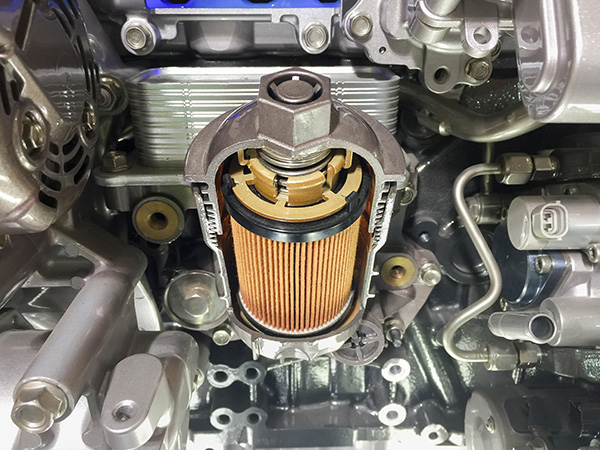
Credit: qtucarcare.com
Frequently Asked Questions
How Do I Know If My Fuel Filter Is Clogged?
A clogged fuel filter causes engine misfires, stalling, and poor acceleration. You may notice difficulty starting the vehicle or reduced fuel efficiency. These symptoms often indicate restricted fuel flow due to a dirty or blocked filter.
What Are Common Signs Of A Clogged Fuel Filter?
Common signs include engine hesitation, rough idling, and decreased power. You might also experience sputtering at high speeds and unusual noises from the fuel pump. These issues suggest your fuel filter needs inspection or replacement.
Can A Clogged Fuel Filter Damage My Engine?
Yes, a clogged fuel filter can cause engine damage. It restricts fuel flow, making the engine run lean and potentially overheating. Prolonged use with a blocked filter may lead to costly repairs.
How Often Should I Replace A Fuel Filter?
Typically, replace your fuel filter every 20,000 to 30,000 miles. Check your vehicle’s manual for specific recommendations. Regular replacement ensures optimal fuel flow and engine performance.
Conclusion
Checking your fuel filter helps keep your engine running smoothly. Watch for signs like rough idling or poor acceleration. Regular inspection can save you from costly repairs. Clean or replace the filter as needed to improve fuel flow. This simple step supports better fuel efficiency and engine health.
Stay attentive to your vehicle’s performance to catch problems early. Taking care of the fuel filter keeps your car reliable on the road.


