
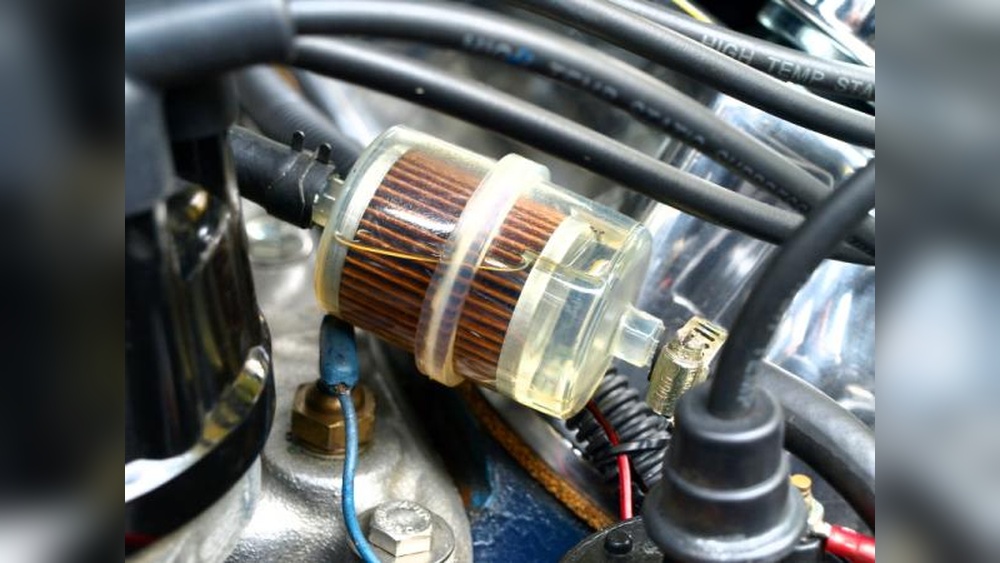
Is your car feeling sluggish or struggling to start? One common culprit might be a dirty fuel filter.
Cleaning your fuel filter can improve your car’s performance and save you money on repairs. You’ll learn simple, step-by-step instructions to clean your fuel filter safely and effectively. By the end, you’ll have the confidence to tackle this task yourself and keep your car running smoothly.
Let’s get started!
Signs Of A Dirty Fuel Filter
A dirty fuel filter can cause many problems for your car’s engine. It blocks the flow of fuel, making the engine work harder. Recognizing the signs early helps avoid costly repairs. Here are some common symptoms of a clogged fuel filter.
Reduced Engine Power
The engine may lose power during acceleration. You feel the car struggles to speed up. This happens because less fuel reaches the engine. The blocked filter stops the smooth fuel flow. The car might feel slow or weak on hills.
Engine Misfires
The engine may misfire or run unevenly. You might hear sudden jerks or shaking. Dirty fuel causes poor combustion inside the engine. This leads to rough idling or stalling. Misfires also reduce fuel efficiency and cause pollution.
Difficulty Starting
The car takes longer to start or won’t start easily. The clogged filter limits fuel supply to the engine. The spark plugs do not get enough fuel to ignite. This causes repeated attempts before the engine fires up. It may feel like the battery is weak.
Unusual Engine Noises
You may hear strange noises from the engine. Sounds like sputtering, coughing, or knocking are common. These noises occur when fuel flow is inconsistent. The engine struggles to burn fuel properly. Ignoring these sounds can lead to engine damage.
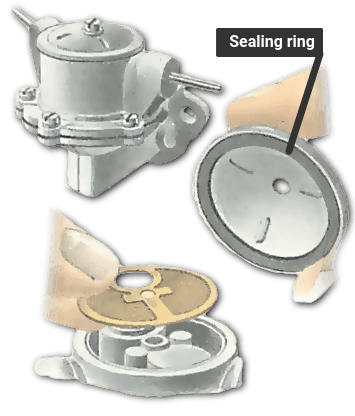
Credit: www.howacarworks.com
Tools And Materials Needed
Cleaning a fuel filter on a car needs the right tools and materials. Having these ready makes the job easier and safer. Use quality tools to avoid damage and ensure a smooth process. Prepare everything before starting to save time and avoid interruptions.
Basic Hand Tools
Gather wrenches, screwdrivers, and pliers. These help remove parts and loosen clamps. Use a socket set for tight bolts. A container to catch spilled fuel is also important. Keep tools clean and ready.
Replacement Fuel Filter
Choose a fuel filter that fits your car model. Check the part number or manual to confirm. A new filter keeps fuel clean and engine running well. Always have a replacement on hand before cleaning.
Safety Equipment
Wear safety glasses to protect your eyes. Use gloves to keep hands safe from fuel and dirt. Work in a well-ventilated area to avoid fumes. Keep a fire extinguisher nearby for emergencies.
Cleaning Supplies
Use rags or paper towels to clean spills. Have a small brush to remove dirt around the filter. Keep a container to hold used fuel safely. Use carburetor cleaner or a similar product for thorough cleaning.
Preparing Your Car
Preparing your car before cleaning the fuel filter is very important. It keeps you safe and makes the job easier. Follow these simple steps to get your car ready.
Taking time to prepare prevents accidents and protects your vehicle’s parts. Safety first, always.
Park On A Flat Surface
Find a flat area to park your car. This stops it from rolling or moving during the work. Use the parking brake to hold the car steady. A level surface also helps you reach the fuel filter easily.
Relieve Fuel System Pressure
Fuel pressure can cause fuel spray when you disconnect the filter. To avoid this, relieve the pressure first. Locate the fuel pump fuse and remove it. Start the engine and let it run until it stops. This empties the fuel lines safely.
Disconnect Battery
Safety is key. Disconnect the negative battery cable to prevent sparks. This stops electrical accidents while working on the fuel system. Use a wrench to loosen the terminal and remove the cable carefully.
Locating The Fuel Filter
Finding the fuel filter is the first step to cleaning it. The fuel filter stops dirt and rust from reaching the engine. It helps the car run smoothly. Knowing its location saves time and effort during cleaning. Fuel filters can be in different places based on the car’s model and make. Let’s explore common spots where you can find the fuel filter.
Common Fuel Filter Locations
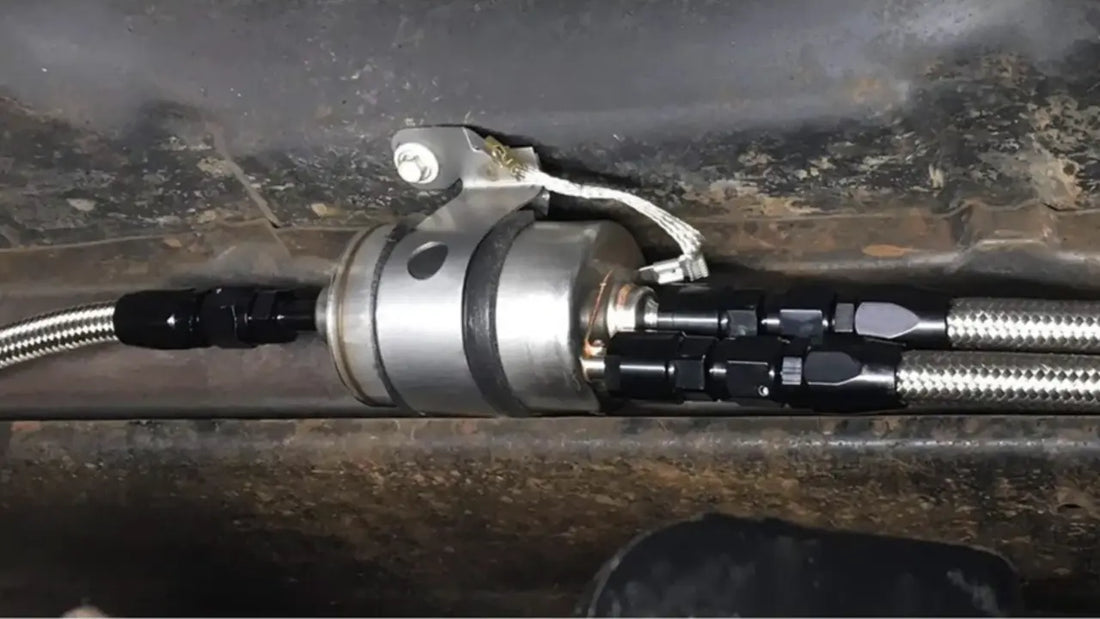
Many fuel filters sit near the fuel tank under the car. Some are along the fuel line between the tank and engine. Others hide inside the engine bay, close to the fuel injectors. Older cars may have a metal fuel filter, while newer ones use plastic filters. Some cars have fuel filters built into the fuel pump. Look under the car, near the frame rails, or close to the engine block. Identifying these spots helps you find the filter faster.
Consulting The Vehicle Manual
The vehicle manual is the best guide for locating the fuel filter. It shows exact locations with pictures or diagrams. Manuals also explain the type of fuel filter used in your car. This saves guesswork and avoids damage. Check the maintenance section for fuel filter details. Keep the manual handy during the cleaning process. It helps you follow safety tips too. The manual makes the task easier and safer.
Removing The Old Fuel Filter
Removing the old fuel filter is an important step in car maintenance. It helps keep the fuel system clean and your engine running smoothly. This process involves carefully disconnecting fuel lines, taking out the filter, and managing any fuel spills safely. Follow each step with care to avoid damage or accidents.
Releasing Fuel Lines
Start by locating the fuel lines connected to the filter. Use a wrench or pliers to loosen the clamps holding the lines. Gently pull the lines away from the filter. Be slow and steady to avoid breaking the lines or causing leaks.
It is best to relieve fuel pressure before disconnecting the lines. This prevents fuel from spraying out. Find your car’s manual to learn how to release the fuel pressure safely.
Detaching The Filter
After the fuel lines are free, check how the filter is mounted. Most filters have clips or bolts holding them in place. Use a screwdriver or socket wrench to remove these fasteners. Take the filter out carefully, keeping it upright to avoid spilling fuel inside.
Handling Fuel Spills
Fuel spills can happen during this process. Use a rag to soak up any spilled fuel quickly. Keep a container nearby to catch drips. Work in a well-ventilated area to avoid inhaling fumes. Wear gloves to protect your skin from fuel contact.
Cleaning The Fuel Filter
Cleaning the fuel filter is an important step in maintaining your car’s engine. A clean fuel filter helps the engine run smoothly. It also prevents dirt and debris from reaching the fuel injectors. This section explains how to clean the fuel filter safely and effectively.
Inspecting For Damage
Start by checking the fuel filter for cracks or leaks. Look closely at the filter body and seals. Any visible damage means the filter needs replacement. Do not try to clean a damaged filter. A good filter is necessary for proper fuel flow. Check the filter’s connections too. Loose or broken fittings can cause fuel leaks.
Using Appropriate Cleaning Methods
Use a clean container to catch fuel before removing the filter. Avoid harsh chemicals that can damage the filter material. Clean the filter with a soft brush and clean fuel or a mild solvent. Gently remove dirt and debris from the filter surface. Do not force anything into the filter. Rinse the filter carefully to remove all dirt. Make sure the filter is not clogged inside.
Drying And Reassembling
After cleaning, let the fuel filter dry completely. Use compressed air or let it air dry naturally. Avoid using heat sources that can damage the filter. Once dry, carefully reattach the filter to the fuel line. Tighten all connections securely to prevent leaks. Double-check the filter and fittings before starting the car. Proper reassembly ensures good fuel flow and engine performance.
Installing The Cleaned Or New Fuel Filter
Installing the cleaned or new fuel filter is a key step in maintaining your car’s fuel system. Proper installation ensures the fuel flows smoothly and the engine runs efficiently. Take your time and follow each step carefully for best results.
Positioning The Filter Correctly
Locate the fuel filter bracket or holder. The filter must fit in the correct direction. Look for an arrow on the filter. The arrow shows the fuel flow direction. Point the arrow towards the engine. Incorrect positioning can block fuel flow.
Securing Fuel Lines
Attach the fuel lines to the filter’s inlet and outlet. Push them firmly onto the connectors. Use clamps to hold the lines tight. Loose lines may cause leaks or air in the fuel system. Double-check each connection before moving on.
Checking For Leaks
Turn the ignition on but do not start the engine. This lets the fuel pump push fuel through the filter. Watch all connections closely. Look for wet spots or fuel drips. If leaks appear, tighten clamps or reposition lines. No leaks means the filter is installed correctly.
Credit: www.ievilenergy.com
Post-cleaning Checks
After cleaning the fuel filter, some important checks follow. These steps help ensure your car runs smoothly and safely. Neglecting these checks can cause engine problems or damage. Take your time to complete each step carefully for the best results.
Reconnecting The Battery
Start by reconnecting the car battery. Attach the positive cable first, then the negative. Tighten the clamps securely to avoid loose connections. A secure connection prevents electrical issues. Double-check the battery terminals for any corrosion before reconnecting.
Starting The Engine
Turn the ignition key to start the engine. Listen for any unusual sounds like sputtering or stalling. Allow the engine to run for a few minutes to stabilize. This lets fuel circulate smoothly through the cleaned filter. If the engine struggles, recheck the fuel filter installation.
Monitoring Performance
Watch how the car responds during a short drive. Notice any hesitations or power loss. Check fuel efficiency over the next few days. A properly cleaned fuel filter improves engine performance. If issues persist, consult a mechanic for further inspection.
Maintenance Tips For Fuel Filters
Fuel filters keep dirt and rust out of your car’s engine. Good maintenance helps your car run smoothly. It also prevents costly repairs. Follow simple tips to keep your fuel filter in top shape. These tips save money and extend engine life.
Regular Replacement Intervals
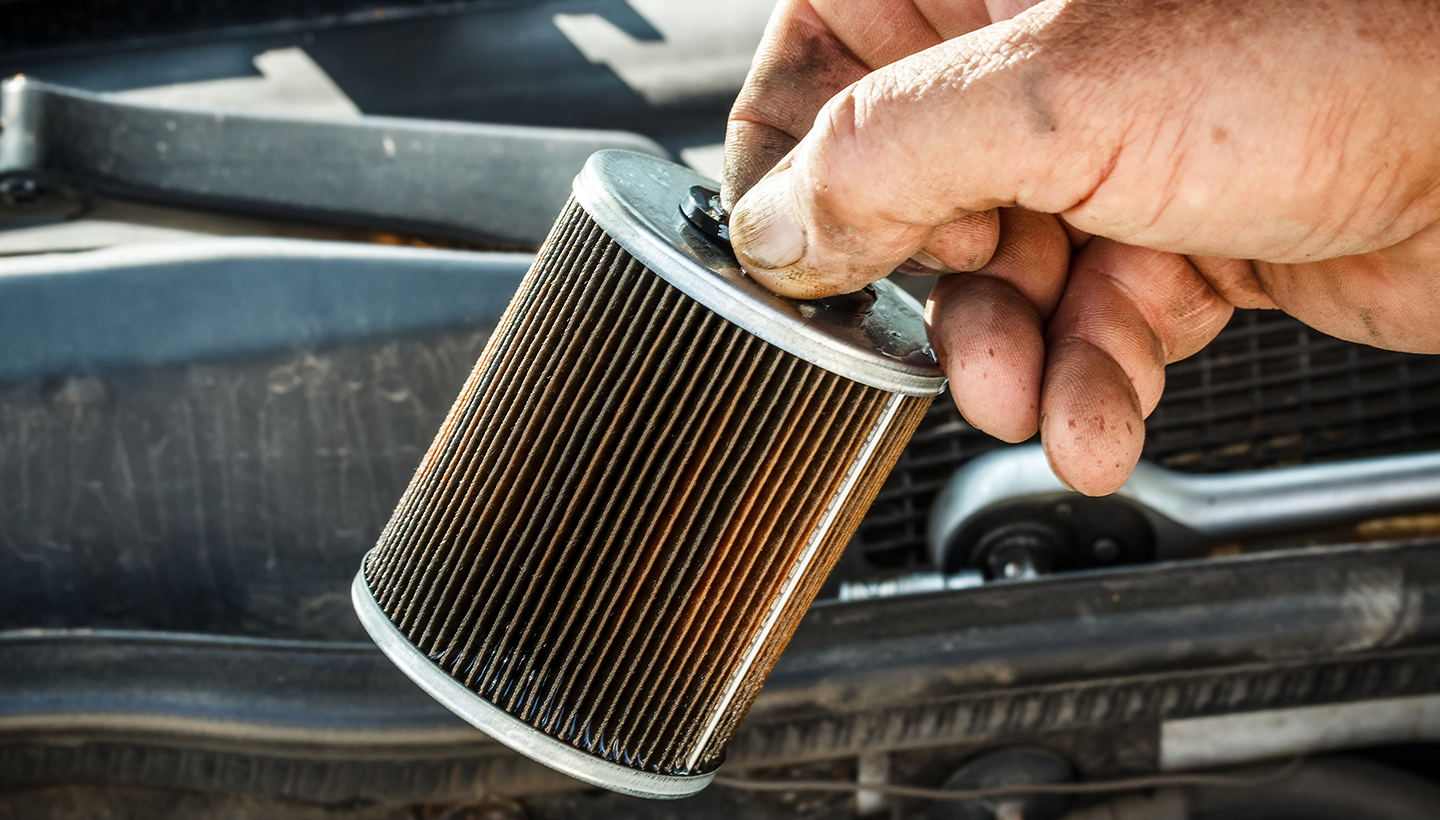
Fuel filters need changing regularly. Check your car manual for exact intervals. Usually, every 20,000 to 40,000 miles works well. Old filters clog and reduce fuel flow. This causes poor engine performance and higher fuel use. Stick to the schedule to avoid problems.
Using Quality Fuel
Cheap fuel often contains more dirt and water. These impurities clog your fuel filter faster. Choose fuel from trusted stations only. Clean fuel helps your filter last longer. It also protects the fuel pump and injectors. Better fuel means better engine health.
Signs To Watch For
Watch for rough idling or engine hesitation. These can mean a clogged fuel filter. Poor acceleration and engine stalling are also signs. If your car struggles to start, check the filter. Catching issues early prevents bigger damage. Replace the filter at first signs of trouble.
Credit: wuling.id
Frequently Asked Questions
How Often Should I Clean My Car’s Fuel Filter?
Clean your fuel filter every 20,000 to 30,000 miles. Regular cleaning prevents clogging and ensures optimal engine performance. Check your vehicle’s manual for specific intervals, as they may vary by model and driving conditions. Timely maintenance improves fuel efficiency and prolongs engine life.
What Tools Are Needed To Clean A Fuel Filter?
You need a wrench, screwdrivers, a catch pan, and safety gloves. Some cars require specific tools, so check your manual. Always work in a well-ventilated area and disconnect the battery before starting. Proper tools ensure safe and effective cleaning.
Can I Clean A Fuel Filter Myself Safely?
Yes, with the right tools and precautions, you can. Wear gloves and eye protection, and work in a ventilated space. Follow your car’s manual step-by-step to avoid damage. If unsure, consult a professional to prevent safety risks.
What Are Signs Of A Dirty Fuel Filter?
Symptoms include engine misfires, poor acceleration, and rough idling. You may also notice decreased fuel efficiency and difficulty starting the engine. These signs indicate restricted fuel flow, meaning your fuel filter likely needs cleaning or replacement.
Conclusion
Cleaning a fuel filter helps your car run better and last longer. It stops dirt from reaching the engine and causing problems. Regular cleaning saves money on repairs and improves fuel efficiency. The process is simple and can be done at home with basic tools.
Always follow safety steps to avoid accidents. Keep your car’s fuel system clean for smooth driving every day. Small efforts make a big difference. Try it yourself and enjoy a healthier engine.


