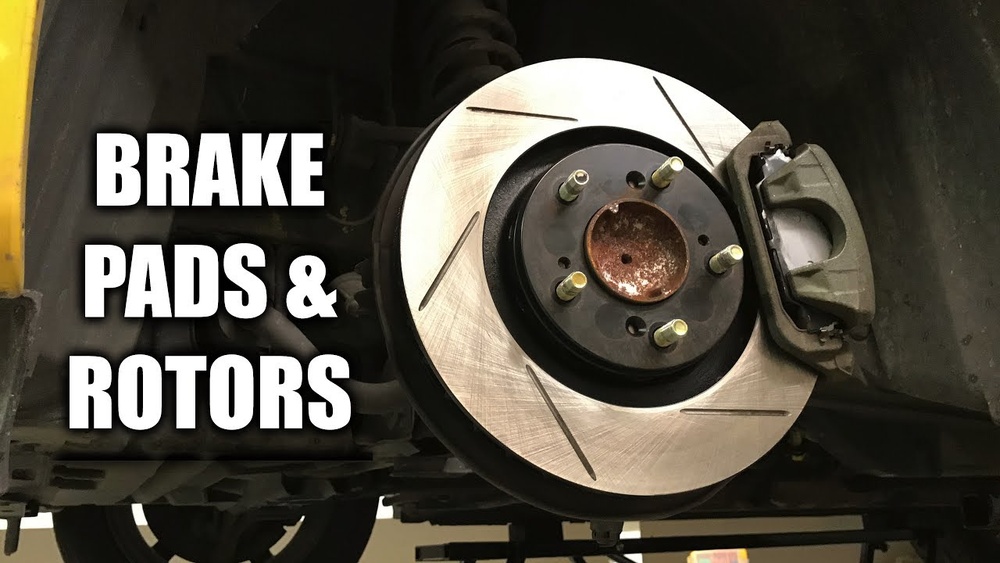
If you’ve ever changed your car’s rotors or brake pads, you know that disposing of the old parts isn’t always straightforward. You might wonder, “Where should I take them?
Can I just throw them in the trash? ” Getting rid of these items the right way is important for both your safety and the environment. You’ll discover simple, practical steps to dispose of your old rotors and brake pads without hassle.
Keep reading to learn how to handle these parts responsibly and avoid common mistakes that could cost you later.

Credit: www.brakeandfrontend.com
Why Proper Disposal Matters
Preparing rotors and brake pads for disposal ensures safe handling and proper recycling. This step helps avoid contamination and reduces waste. Clean and separate parts carefully before disposal.
Cleaning And Inspecting
Remove dirt, grease, and brake dust from rotors and pads. Use a brush or cloth for cleaning. Check for any metal pieces or contaminants. Clean parts prevent pollution and help recycling centers process materials easily.
Inspect rotors and pads for damage or wear. Look for cracks, deep grooves, or broken parts. Damaged parts should be handled carefully to avoid hazards. Proper inspection keeps disposal safe and efficient.
Separating Materials
Rotors and brake pads contain different materials. Separate metal rotors from brake pads before disposal. Brake pads often have non-metal parts that need special handling.
Sorting materials helps recycling centers process items correctly. It also reduces landfill waste and supports environmental protection. Use separate containers for metals and non-metals during disposal preparation.
Preparing Rotors And Pads For Disposal
Disposing brake pads safely protects the environment and your health. Old brake pads often contain harmful materials. These materials need careful handling to avoid pollution and health risks. Understanding how to dispose of them properly is important for everyone.
Handling Hazardous Materials
Brake pads can contain metals like asbestos or heavy metals. These substances are dangerous if released into the environment. Wear gloves and a mask when handling old brake pads. Avoid breaking or crushing them to reduce dust. Store them in a sealed container until disposal. This limits exposure to harmful particles.
Local Disposal Guidelines
Many areas have rules for disposing automotive parts. Check with your local waste management facility for instructions. Some places offer special drop-off sites for hazardous waste. Others require brake pads to go to a recycling center. Follow these guidelines to keep your community safe. Never throw brake pads in regular trash bins.
Options For Disposing Old Rotors
Disposing of old rotors and brake pads requires care. Mistakes can harm the environment or cause safety issues. Follow simple tips to avoid common errors. Proper disposal helps keep your community clean and safe.
Common Pitfalls
Throwing brake parts in regular trash is a big mistake. These parts contain metals and chemicals that need special handling. Many people forget to check local rules for disposal. Ignoring these rules can lead to fines or pollution. Another pitfall is mixing old brake parts with other recyclables. This can contaminate the recycling process. Also, some try to sell worn-out parts without knowing their condition. This can be unsafe for buyers. Avoid these pitfalls to ensure proper disposal.
Best Practices
First, check with local auto shops or recycling centers. They often accept old brake parts safely. Separate rotors and pads from other waste before disposal. Clean parts gently to remove dirt but avoid harsh chemicals. Use protective gloves to handle brake dust safely. Label parts if dropping them off at a facility. Ask about any fees or special instructions. Consider donating parts if they are still usable. These steps make disposal easy and responsible.
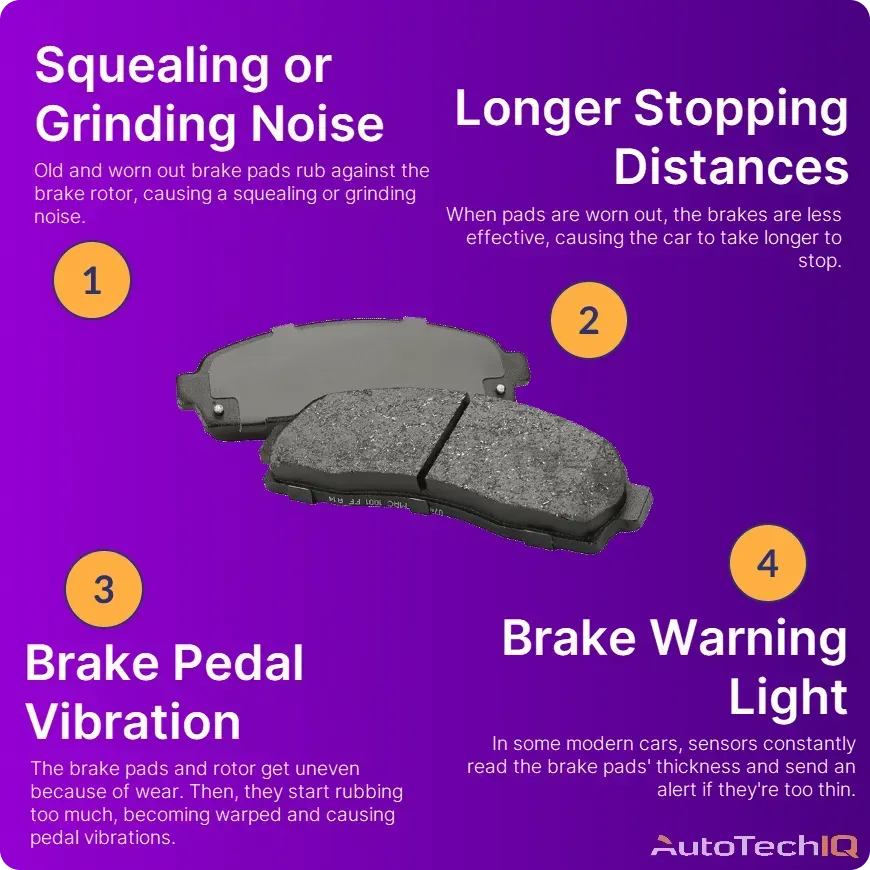
Credit: www.autotechiq.com

Credit: king-racing.com
Frequently Asked Questions
How Do I Safely Dispose Of Old Brake Pads?
You can dispose of old brake pads at local auto shops or recycling centers. Many places accept them for proper handling and recycling. Avoid throwing them in regular trash due to potential hazardous materials. Always check local regulations for environmentally safe disposal options.
Can Brake Rotors Be Recycled After Use?
Yes, brake rotors are typically made of metal and can be recycled. Take them to scrap metal recyclers or automotive recycling centers. Recycling rotors reduces waste and environmental impact. Ensure they are clean and free of contaminants before recycling.
Where To Drop Off Used Rotors And Brake Pads?
Used rotors and brake pads can be dropped off at auto repair shops, recycling centers, or hazardous waste facilities. Some stores offer take-back programs for old parts. Always verify if the facility accepts these items to ensure proper disposal.
Are Old Brake Pads Hazardous Waste?
Old brake pads may contain harmful materials like asbestos or heavy metals. Treat them as hazardous waste to prevent environmental contamination. Dispose of them through approved hazardous waste programs or recycling centers that handle automotive waste safely.
Conclusion
Properly disposing of old rotors and brake pads helps the environment. Take them to recycling centers or auto shops that accept used parts. Avoid throwing them in regular trash to prevent pollution. Handling these parts safely protects you and others.
Small efforts like this make a big difference over time. Keep your vehicle safe and the planet cleaner. Remember, responsible disposal is part of good car care. Simple steps lead to better habits and cleaner communities.