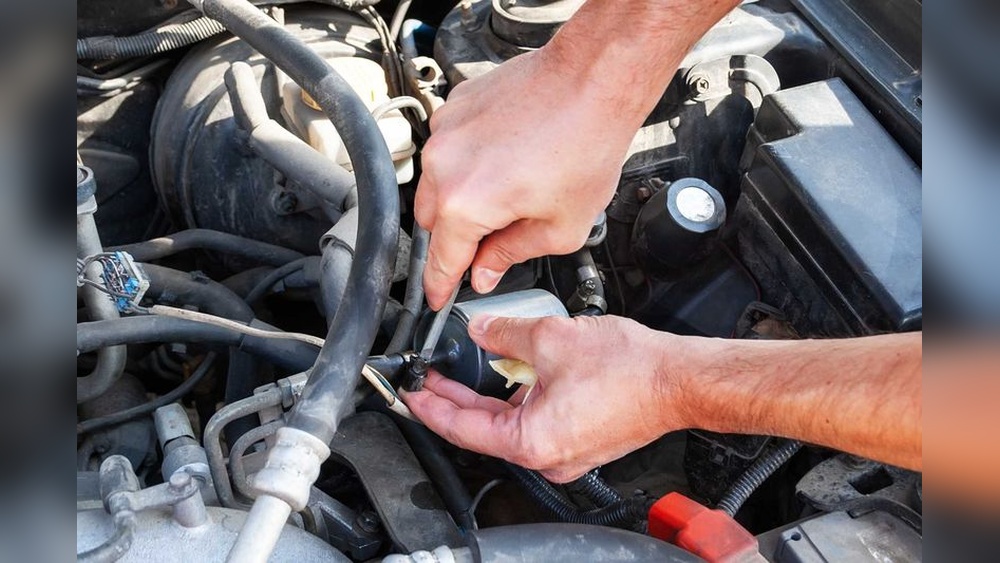
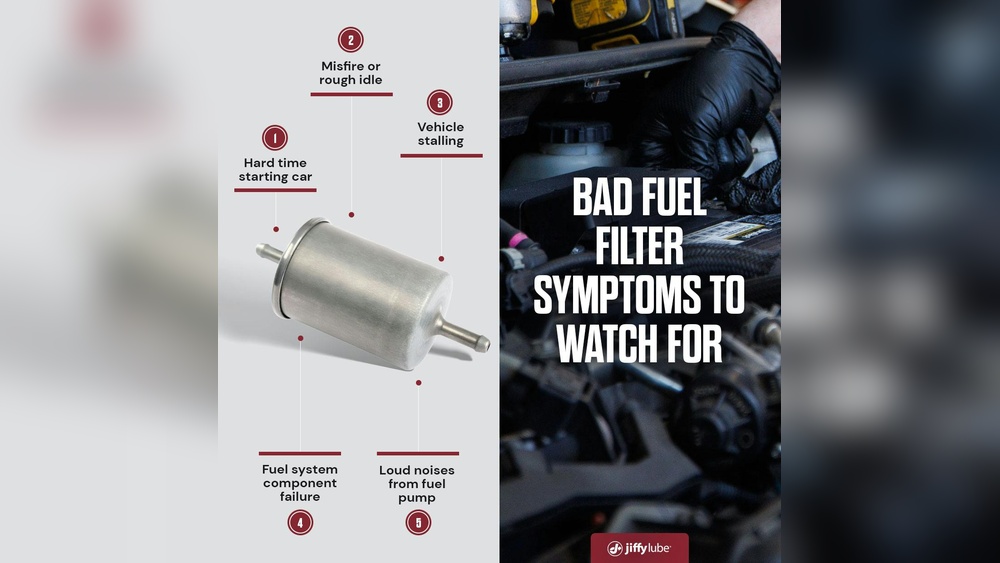
Have you ever wondered what keeps your Cat engine running smoothly even when the fuel isn’t perfect? Your engine’s fuel system faces tiny threats every day—contaminants that can cause big problems.
That’s where the Cat fuel contamination filter sensor steps in. This small but powerful device acts like a watchdog, detecting impurities before they harm your engine. Understanding how this sensor works can save you time, money, and frustration. Keep reading to discover how this sensor protects your equipment and why it’s crucial for your machine’s health.
Cat Fuel System Basics
The Cat fuel system plays a key role in engine performance. It supplies clean fuel to keep the engine running smoothly. Understanding the basics helps explain how the fuel contamination filter sensor works. This sensor protects the engine from dirty fuel that can cause damage.
The fuel system uses several parts to move fuel from the tank to the engine. Each part has a specific job to ensure fuel is clean and delivered at the right pressure. The fuel contamination filter sensor monitors the fuel’s condition and alerts if problems arise.
Components Involved
The fuel system includes the fuel tank, fuel pump, fuel filter, and injectors. The fuel tank stores the fuel safely. The fuel pump moves fuel through the system under pressure. The fuel filter removes dirt and water from the fuel. Fuel injectors spray fuel into the engine’s combustion chambers.
The fuel contamination filter sensor sits near the fuel filter. It checks for water or dirt in the fuel. This sensor sends signals to the engine control unit. This helps prevent engine damage from contaminated fuel.
Fuel Flow Process
Fuel flows from the tank to the pump first. The pump pushes fuel through the filter to clean it. The filter traps dirt and water particles. The sensor monitors the filter’s condition constantly.
Clean fuel then moves to the injectors. The injectors spray fuel into the engine cylinders. The engine burns this fuel to create power. If the sensor detects contamination, it alerts the operator to take action.

Credit: www.hydac.com.au
Role Of Fuel Contamination Filter Sensor
The fuel contamination filter sensor plays an important role in engine health. It detects dirt and water in the fuel. This sensor helps prevent damage to the engine and fuel system. It alerts the operator early, avoiding costly repairs and downtime.
By monitoring fuel quality, the sensor ensures smooth engine performance. It acts as a watchdog, keeping the fuel clean and safe. Understanding its role helps in maintaining equipment better.
Sensor Placement
The sensor is placed inside or near the fuel filter. This location allows it to check fuel before it reaches the engine. It is usually installed in the fuel line or filter housing. Positioning here helps the sensor detect contaminants quickly.
Good placement ensures accurate readings and timely alerts. It also protects the sensor from damage and extreme conditions. Proper location is key to the sensor’s effectiveness.
Primary Functions
The main job of the sensor is to detect water and dirt in fuel. It measures contamination levels and sends signals to the control system. This helps operators know when to replace or clean filters.
It also helps prevent engine problems like clogging or corrosion. The sensor supports fuel system health and engine reliability. Its function is simple but vital for equipment safety.
Working Mechanism Of The Sensor
The working mechanism of a Cat fuel contamination filter sensor is simple but effective. It helps detect impurities in the fuel before they reach the engine. This sensor plays a vital role in protecting engine parts from damage caused by dirty fuel. It constantly monitors the fuel quality and alerts the system if contamination is present.
The sensor is designed to identify tiny particles and water in the fuel. It uses advanced technology to sense changes in the fuel’s condition. This process ensures the engine receives clean fuel, which keeps it running smoothly and efficiently.
Detection Methods
The sensor uses electrical properties to detect contamination. It measures changes in fuel conductivity and dielectric constant. Water and particles affect these electrical signals differently from clean fuel. The sensor senses these changes and recognizes the presence of contaminants.
Some sensors also use optical methods. They detect particles by shining light through the fuel. When fuel is clean, light passes straight through. Contaminants scatter or block the light, triggering the sensor’s alert.
Signal Transmission
Once contamination is detected, the sensor sends a signal to the engine control unit (ECU). This signal is an electrical voltage change that the ECU understands. The ECU then takes action, such as warning the driver or adjusting engine settings.
Signal transmission happens in real time. It ensures quick response to fuel contamination. This fast communication helps avoid engine damage and maintains performance. The sensor’s accuracy and reliability are key to this process.
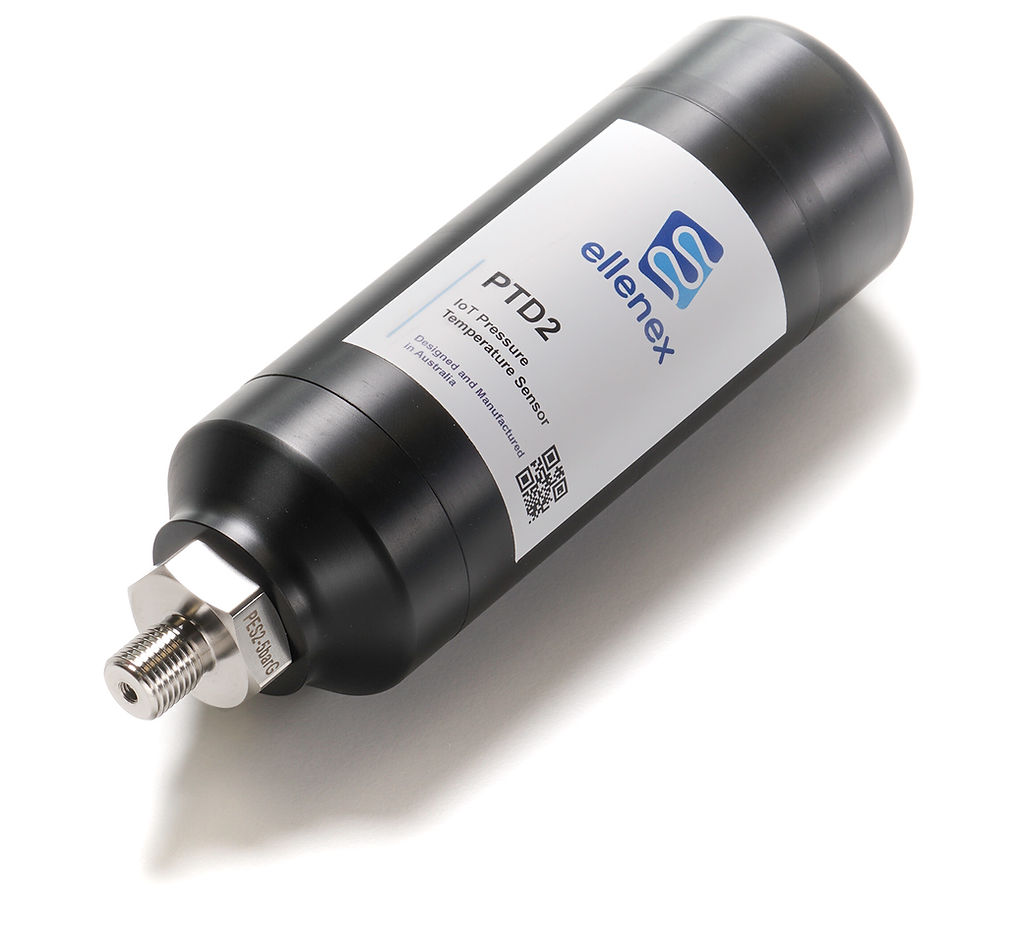
Credit: www.ellenex.com
Common Types Of Contaminants Detected
The Cat fuel contamination filter sensor detects harmful substances in the fuel. These contaminants can damage the engine and reduce performance. The sensor helps protect the engine by identifying common pollutants early. It signals the need to clean or replace the filter to keep the engine running smoothly.
Water Contamination
Water is a common contaminant found in fuel. It can enter through condensation or leaks. Water in fuel causes corrosion and poor combustion. The sensor detects water by measuring changes in electrical signals. Detecting water early prevents engine damage and costly repairs.
Particulate Matter
Particulate matter includes dirt, rust, and debris in the fuel. These particles clog the fuel filter and injectors. The sensor senses these particles by monitoring flow resistance and pressure changes. Detecting particulate matter ensures clean fuel reaches the engine. This keeps the engine parts free from wear and tear.
Impact Of Contamination On Engine Performance
Fuel contamination can harm an engine in many ways. Dirt, water, and other particles in the fuel cause problems inside the engine. These impurities affect the engine’s ability to work well and last long. Understanding the impact of contamination helps protect the engine and keep it running smoothly.
Fuel Efficiency Issues
Contaminated fuel reduces the engine’s ability to burn fuel properly. This leads to poor fuel efficiency and higher fuel consumption. The engine may run rough or stall often. Fuel injectors can clog, causing uneven fuel flow. This wastes fuel and lowers engine power.
Engine Damage Risks
Particles in the fuel can damage engine parts like injectors and pumps. Water in the fuel causes rust and corrosion inside the fuel system. These damages lead to costly repairs and shorter engine life. Ignoring contamination increases the chance of engine failure. Regular checks prevent severe engine damage and keep it safe.
Sensor Maintenance And Troubleshooting
Proper maintenance of the Cat fuel contamination filter sensor keeps your engine running smoothly. This sensor detects dirt and water in fuel. Clean sensors give accurate readings. Faulty sensors may cause engine problems or shutdowns. Regular checks and fixing issues early save time and money.
Regular Inspection Tips
Check the sensor every few months. Look for dirt, water, or damage on the sensor. Clean the sensor with a soft cloth if dirty. Avoid using harsh chemicals. Inspect wiring and connectors for loose or broken parts. Tighten or replace any damaged wires. Keep the sensor dry to prevent corrosion.
Common Faults And Fixes
The sensor may give false alerts if dirty. Clean it carefully to fix this. Water in fuel can cause sensor errors. Drain the fuel filter if water is found. Wiring problems cause the sensor to stop working. Replace broken wires or connectors. If the sensor fails, replace it with a new one.
Advancements In Fuel Contamination Sensors
Fuel contamination sensors have improved greatly over recent years. These sensors detect dirt, water, and other impurities in fuel. Cleaner fuel helps engines run better and last longer. Advances in sensor technology make detection faster and more accurate.
Better sensors reduce engine damage risks. They help drivers and technicians act quickly. New features also make sensors easier to use and maintain.
Technological Innovations
Modern fuel contamination sensors use advanced materials. These materials react quickly to small amounts of contaminants. Some sensors combine multiple detection methods for better results. Digital sensors send real-time data to engine systems. This allows immediate adjustments to protect the engine.
Wireless sensor designs have become common. They simplify installation and data monitoring. Sensors now also detect fuel quality changes over time. This helps prevent problems before they start.
Future Trends
Sensor technology will continue to improve. Miniaturization will make sensors smaller and more precise. Artificial intelligence may help analyze sensor data automatically. This can predict contamination risks earlier than before.
Integration with vehicle systems will increase. Sensors will work with other monitoring tools. This creates a complete picture of engine health. These trends will make fuel contamination detection smarter and more reliable.
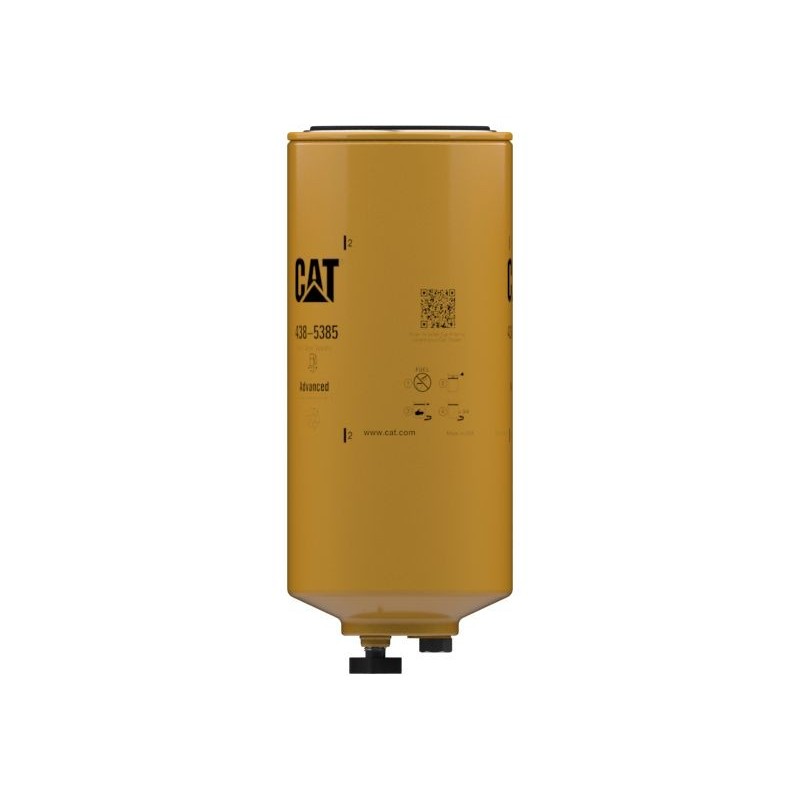
Credit: conso-shop.com
Frequently Asked Questions
What Is A Cat Fuel Contamination Filter Sensor?
A Cat fuel contamination filter sensor detects impurities in fuel filters. It ensures clean fuel reaches the engine. This prevents damage and maintains engine efficiency. The sensor alerts operators to replace or clean filters promptly.
How Does The Cat Fuel Contamination Sensor Work?
The sensor monitors fuel flow and pressure changes. It detects blockages caused by contaminants in the filter. When contamination rises, it triggers an alert. This helps prevent engine damage from dirty fuel.
Why Is Fuel Contamination Sensor Important For Cat Engines?
Fuel contamination sensors protect engines from dirty fuel damage. They improve engine performance and longevity by ensuring clean fuel. Early detection reduces costly repairs and downtime. It promotes efficient fuel use and reduces emissions.
When Should I Replace The Cat Fuel Contamination Filter Sensor?
Replace the sensor if it gives false alerts or stops working. Regular maintenance intervals suggest checking sensor condition. Follow manufacturer guidelines for replacement timing. Timely replacement ensures accurate contamination detection.
Conclusion
The Cat fuel contamination filter sensor helps keep engines clean. It detects dirt and water in the fuel quickly. This stops damage and keeps machines running smoothly. Using this sensor saves time and repair costs. It plays a key role in machine health and efficiency.
Understanding how it works can help you maintain your equipment better. Clean fuel means better performance and longer engine life. Simple, smart, and effective.