

Have you ever thought about giving your car a fresh, new look without spending a fortune? Vinyl wrapping your car is an affordable way to transform its appearance and protect the original paint.
But how do you do it yourself and get professional-looking results? This guide will walk you through every step, making the process simple and manageable. By the end, you’ll have the confidence and know-how to wrap your car like a pro.
Ready to turn heads and make your ride stand out? Let’s dive in.
Credit: stonercarcare.com
Preparing The Car
Preparing the car properly is the first step in applying a vinyl wrap. This stage ensures the vinyl sticks well and lasts long. Skipping this step can cause bubbles, peeling, or poor finish. Take your time to get this right for best results.
Cleaning The Surface
Start by washing the car thoroughly. Use soap and water to remove dirt and grime. Dry the car completely with a soft cloth. Next, use a wax remover or rubbing alcohol. This removes oils and residue that block vinyl adhesion. Clean in small sections to avoid streaks.
Removing Obstacles
Remove parts like side mirrors, badges, and antennas. This prevents wrinkles and gaps in the vinyl. Use a screwdriver or wrench carefully. Keep screws and parts safe for reassembly. Clear any dirt from these areas before wrapping.
Choosing The Right Environment
Work in a clean, dust-free area. Avoid direct sunlight or windy places. Ideal temperature is between 60°F and 80°F (15°C-27°C). This helps the vinyl stretch and stick properly. A garage or shaded workspace works best.

Credit: wrapguys.com
Selecting Vinyl Wrap Materials
Selecting the right vinyl wrap materials is key for a smooth and lasting car wrap. The quality and type of vinyl affect how well the wrap fits and how long it lasts. Choosing good materials saves time and effort during installation. It also protects your car’s paint and gives a neat finish.
Understanding different types of vinyl and the tools needed helps make a better choice. Each type has unique features suited for certain jobs. The right tools make handling and applying the vinyl easier and cleaner.
Types Of Vinyl Wrap
Cast vinyl is thin and flexible. It stretches well around curves and edges. This type lasts longer and resists cracks and bubbles. It is best for complex car shapes.
Calendered vinyl is thicker and less flexible. It suits flat or simple surfaces. Calendered vinyl is cheaper but may peel or crack faster on curved parts.
Matte, gloss, satin, and textured finishes offer different looks. Choose a finish that matches your style and the car’s design. Some finishes hide dirt and scratches better.
Tools You Need
A squeegee helps smooth out the vinyl and remove air bubbles. Use one with a soft edge to avoid scratches.
A heat gun softens the vinyl for better stretching and fitting. It also helps the vinyl stick firmly to the car.
Cutting tools like a sharp knife or blade trim excess vinyl cleanly. Always use a new blade to prevent jagged cuts.
Gloves keep fingerprints off the vinyl and improve grip. Clean, lint-free cloths help wipe surfaces before applying vinyl.
Measuring And Cutting The Vinyl
Measuring and cutting the vinyl is a key step in wrapping a car. It sets the stage for a smooth and neat finish. Accurate measurements prevent waste and ensure the vinyl fits perfectly. Cutting with care helps avoid tears and wrinkles. Taking time here saves effort later.
Taking Accurate Measurements
Start by cleaning the car surface well. Dirt can cause wrong measurements. Use a soft tape measure for precision. Measure the height and width of each panel. Write down each measurement clearly. Add a few extra inches to each side. This extra space allows for stretching and trimming. Double-check all numbers before cutting. Precision here makes the wrapping process easier.
Cutting Techniques
Cut vinyl on a flat, clean surface. Use a sharp utility knife or vinyl cutter. Sharp tools make smooth, clean cuts. Cut slightly larger than the measurements taken. Leave room for adjustments during application. Avoid cutting too close to the edge. Use a straight edge or ruler to guide cuts. Work slowly to prevent mistakes. Keep fingers clear of the blade at all times.

Credit: www.turtlewax.com
Applying The Vinyl Wrap
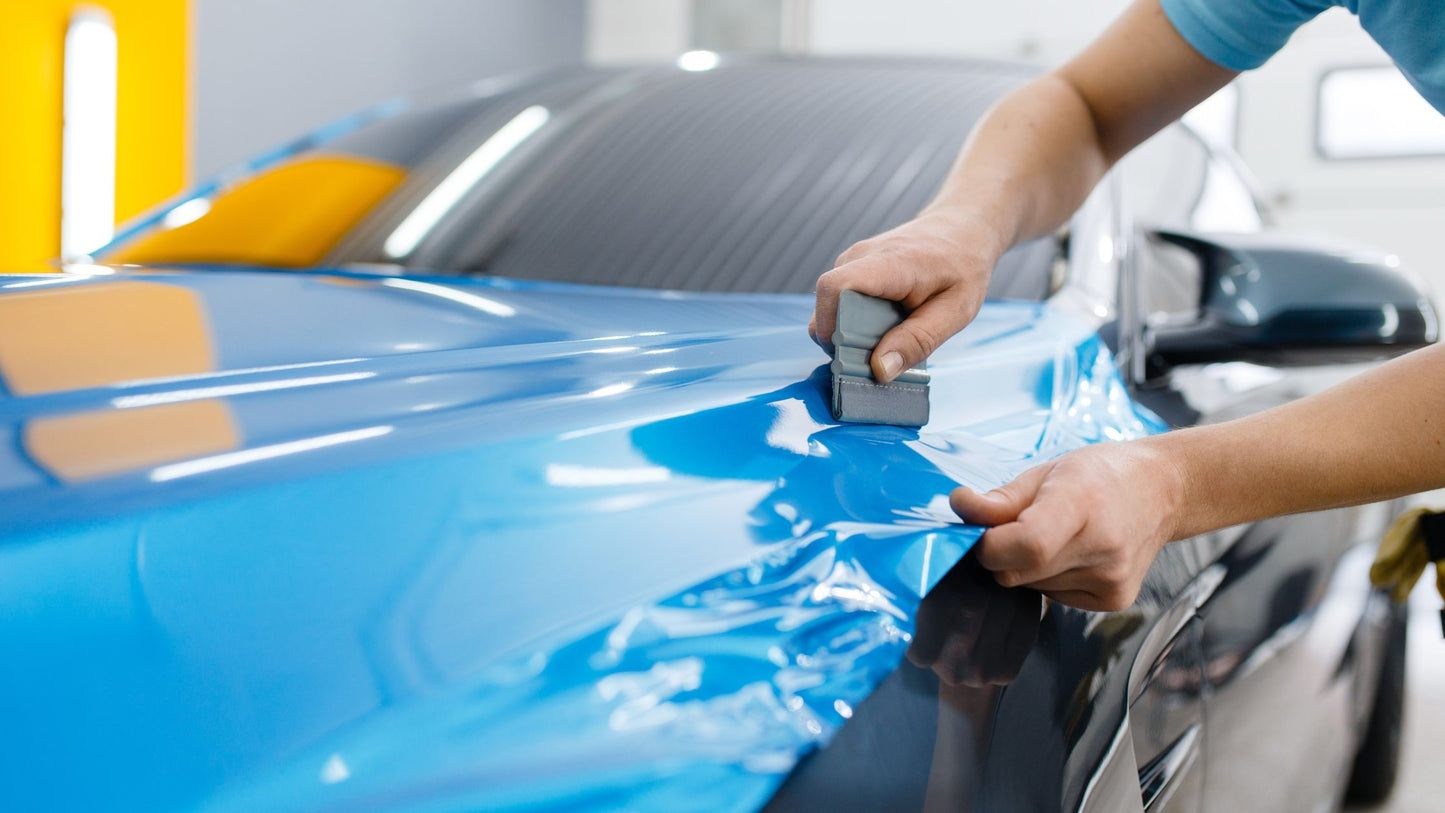
Applying the vinyl wrap is a crucial step in changing your car’s look. This process needs patience and care to get smooth results. Start by preparing your workspace and tools. Make sure the car surface is clean and dry before you begin. Follow these steps carefully to avoid mistakes.
Positioning The Vinyl
Lay the vinyl wrap on the car panel. Align it carefully with the edges and curves. Use magnets or tape to hold the vinyl in place. Check that the design is straight and covers the area fully. Adjust the position before peeling off the backing paper.
Using Heat For Flexibility
Use a heat gun or hairdryer to warm the vinyl slightly. Heat makes the vinyl more flexible and easier to stretch. Move the heat source evenly across the vinyl. Avoid overheating, which can damage the material. Warm vinyl fits better around curves and corners.
Smoothing Out Bubbles And Wrinkles
Use a squeegee to push air bubbles out from the center. Work slowly towards the edges for a smooth finish. For stubborn bubbles, lift the vinyl gently and reapply. Heat can help relax wrinkles before smoothing them out. Take your time to ensure a clean, flat surface.
Trimming And Finishing Touches
Trimming and finishing touches are key steps in a vinyl wrap project. They give the wrap a clean and polished look. These steps protect the vinyl and help it last longer. Take your time to make these steps perfect. Small details make a big difference in the final result.
Cutting Excess Vinyl
Start by cutting the extra vinyl away from edges. Use a sharp blade or knife for clean cuts. Cut close but avoid cutting into the car’s paint. Trim slowly and carefully to prevent mistakes. Removing excess vinyl stops it from peeling later.
Sealing The Edges
Seal the edges to stop water and dirt from getting underneath. Use a heat gun to gently warm the edges. Press the edges down firmly with a squeegee or cloth. This step helps the vinyl stick better and last longer. Proper sealing keeps the wrap looking new.
Final Inspection
Check the entire car for bubbles, wrinkles, or loose spots. Use a squeegee to smooth any small bubbles. Look closely at corners and seams for any issues. Fix problems right away before they get worse. A careful final check ensures a great finish.
Maintaining Your Vinyl Wrap
Maintaining your vinyl wrap keeps your car looking fresh and extends the wrap’s life. Proper care protects the vinyl from fading, peeling, or cracking. Small actions every day make a big difference in the wrap’s durability. Follow simple steps to keep the wrap clean and safe.
Cleaning Tips
Clean the vinyl wrap regularly to remove dirt and grime. Use a soft cloth or sponge with mild soap and water. Avoid strong chemicals or abrasive materials that can damage the vinyl. Rinse thoroughly with clean water and dry with a soft towel. Wash your car in the shade to prevent soap from drying too fast.
Avoiding Damage
Protect the vinyl from sharp objects and rough surfaces. Do not use high-pressure water jets close to the edges. Avoid parking under trees to prevent sap and bird droppings. These substances can stain or weaken the wrap. Use a cover if you park outdoors for long periods.
Repairing Small Issues
Fix small tears or bubbles quickly to stop further damage. Use a heat gun or hairdryer to smooth out bubbles. For minor scratches, a vinyl repair kit can help. Trim loose edges carefully with a sharp blade. Early repairs keep the wrap looking good for years.
Frequently Asked Questions
What Tools Are Needed For A Vinyl Car Wrap?
Essential tools include a squeegee, heat gun, utility knife, and microfiber cloth. These help apply the vinyl smoothly without bubbles or wrinkles.
How Long Does A Vinyl Wrap On A Car Last?
A quality vinyl wrap typically lasts 5 to 7 years with proper care. Exposure to sun and weather can affect its durability.
Can I Remove A Vinyl Wrap Without Damaging My Car?
Yes, vinyl wraps can be removed safely using heat and slow peeling. Proper removal avoids paint damage and residue on the vehicle.
How Much Does A Professional Vinyl Car Wrap Cost?
Professional vinyl wraps usually cost between $2,000 and $5,000. Prices vary based on car size, wrap complexity, and material quality.
Conclusion
Vinyl wrapping a car takes time and patience. Clean the surface well before starting. Use heat to make the vinyl stretch smoothly. Work slowly to avoid bubbles and wrinkles. Trim edges carefully for a neat finish. Practice helps you improve with each wrap.
A good wrap can protect your car’s paint. Enjoy the fresh new look of your vehicle. Keep the wrap clean to make it last longer. Vinyl wrapping is a fun way to change your car’s style.


