
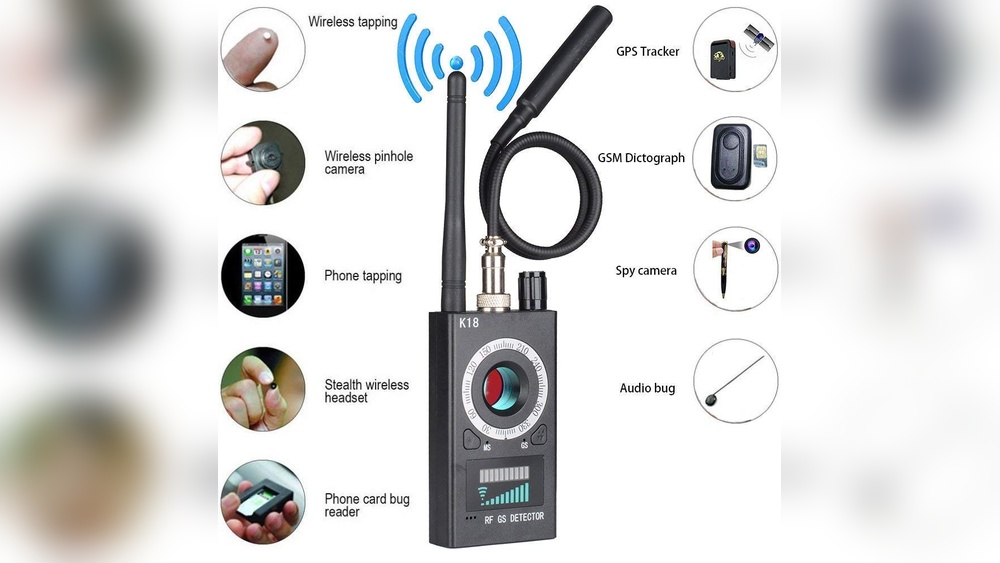
Are you worried about keeping your car safe? Finding the right car tracker can give you peace of mind and protect your vehicle from theft or loss.
But with so many options out there, how do you choose the best one for your needs? You’ll discover simple steps to find a reliable car tracker that fits your budget and keeps your car secure. Keep reading to make sure you never lose track of what matters most—your car.
Credit: www.fleetroot.com
Benefits Of Car Trackers
Car trackers offer many benefits beyond just knowing where your vehicle is. They add layers of security and convenience. These devices help protect your car, save money, and make managing vehicles easier.
Theft Prevention
Car trackers act as a strong deterrent against theft. If a thief tries to steal your car, you can quickly find its exact location. This helps police recover your vehicle faster. Many trackers also send alerts if someone moves your car without permission.
Real-time Location Tracking
Track your car’s location anytime, anywhere. Real-time tracking means you always know where your vehicle is. This is useful for parents, businesses, and anyone who shares their car. It offers peace of mind and better control.
Insurance Advantages
Many insurance companies offer discounts for cars with trackers. They see these devices as a lower risk for theft. Some insurers also use tracker data to settle claims faster. This can reduce your insurance costs over time.
Fleet Management
Car trackers help businesses manage fleets efficiently. Owners can monitor routes, fuel use, and driver behavior. This improves productivity and reduces costs. Fleet managers can also schedule maintenance based on real data from the trackers.

Credit: www.wikihow.com
Types Of Car Trackers
Car trackers come in different types to suit various needs. Each type offers unique features and installation methods. Understanding these types helps choose the right tracker for your vehicle. Here are the main types of car trackers commonly used today.
Gps Trackers
GPS trackers use satellites to locate a car anywhere. They provide real-time tracking and accurate location data. Many models send updates via a smartphone app. These trackers work well for theft recovery and fleet management. They are easy to install and can be hidden in the vehicle.
Obd Trackers
OBD trackers plug into the car’s OBD-II port. This port is usually under the dashboard. OBD trackers draw power from the car, so no battery is needed. They offer detailed data like speed and engine status. These trackers are simple to install without tools.
Hardwired Trackers
Hardwired trackers connect directly to the car’s electrical system. This connection allows constant power without battery changes. They are more difficult to install and may need professional help. Hardwired trackers provide reliable tracking and advanced features.
Battery-powered Trackers
Battery-powered trackers run on internal batteries. They do not need any connection to the car’s power. These trackers are portable and easy to move between vehicles. Battery life varies but usually lasts weeks or months. Ideal for temporary tracking or rental cars.
Key Features To Consider
Choosing the right car tracker needs careful thought. The best tracker fits your needs and gives reliable performance. Focus on key features to make a smart choice.
Accuracy And Range
Accuracy shows how precisely the tracker locates your car. High accuracy means better tracking. The range tells how far the device can send signals. Choose one with a wide range for better coverage.
Installation Process
Easy installation saves time and effort. Some trackers plug into your car’s OBD port. Others need hidden wiring. Pick a tracker that matches your skill and tools.
Battery Life
Battery life affects how long the tracker works without charging. Longer battery means less worry about power. Some trackers use your car’s battery. Others have built-in rechargeable batteries.
Alerts And Notifications
Alerts warn you about theft or movement. Notifications can come as texts or app messages. Timely alerts help you act fast to protect your car.
Mobile App Compatibility
A good mobile app makes tracking easy on your phone. Check if the app works on your device. Look for user-friendly design and useful features.
Where To Buy Car Trackers
Finding the right place to buy a car tracker is important. Different sellers offer various models and prices. Choose a place that fits your needs and budget. Here are some common options to consider.
Online Retailers
Online stores provide many choices and easy shopping. You can compare features and prices in minutes. Read customer reviews to learn about product quality. Delivery is usually fast and convenient. Trusted websites often have return policies.
Specialty Auto Shops
Auto shops focus on car accessories and devices. Staff can help you pick the best tracker for your vehicle. They may offer installation services too. Buying in person allows you to see the product first. These shops often sell reliable brands.
Mobile Service Providers
Some mobile carriers sell car trackers with data plans. These devices connect directly to cellular networks. Providers may offer bundles that include tracking and phone service. Plans vary by price and data limits. This option works well for real-time tracking.
Second-hand Options
Used car trackers can be cheaper but need careful checking. Websites and local sellers may have pre-owned devices. Verify that the tracker works and is compatible with your car. Avoid devices without clear information or warranty. Second-hand trackers can save money if chosen wisely.
Installation Tips
Installing a car tracker correctly ensures it works well and stays hidden. A good installation keeps the device safe from damage and prevents easy detection. Follow these tips to place and test your tracker properly.
Diy Installation
Many car trackers come with simple instructions for self-installation. Choose a dry, secure spot inside the vehicle. Use zip ties or double-sided tape to fix the device firmly. Avoid areas exposed to water or heat. Check that wires are not loose or hanging.
Professional Installation Services
Experts can install trackers quickly and safely. They know the best spots to hide the device. Professionals handle wiring without damaging the car. This service reduces errors and protects your vehicle’s warranty. Consider this option for complex tracker models.
Placement Strategies
Hide the tracker under the dashboard or seats. Inside door panels or the glove box are good spots. Avoid placing the device near metal parts that block signals. Keep it away from the battery to prevent interference. Secure it well to avoid noise or movement.
Testing The Device
After installation, test the tracker’s signal strength. Use the tracker’s app or website to check location updates. Drive around to confirm the tracker sends accurate data. Make sure the device remains hidden and secure. Fix any problems before regular use.
Legal And Privacy Considerations
Using a car tracker can help protect your vehicle and provide peace of mind. Legal and privacy rules affect how you can use these devices. Understanding these rules is important to avoid problems and respect others’ privacy.
Tracking Consent
Always get permission before tracking someone’s car. Tracking without consent may break privacy laws. Consent means the person knows and agrees to the tracking. This rule applies to family, friends, and employees. Clear consent prevents legal trouble and builds trust.
Data Security
Car trackers collect sensitive data about location. Keep this data safe from hackers and leaks. Use devices with strong encryption to protect information. Secure apps and passwords also help guard data. Regularly update software to fix security weaknesses.
Local Laws And Regulations
Each country and state has different rules about car tracking. Some places allow tracking only with consent. Others restrict tracking to certain uses, like theft prevention. Check your local laws before buying a tracker. Following these rules keeps you legal and safe.
Maintaining Your Car Tracker
Keeping your car tracker in good condition is important for its accuracy and reliability. Regular care helps avoid problems and extends the device’s life. Simple steps can make a big difference in how well your tracker works. Below are key tips to maintain your car tracker effectively.
Regular Updates
Car trackers often need software updates. Updates fix bugs and improve performance. Check for updates at least once a month. Use the official app or website for updates. Avoid third-party sites to prevent security risks. Regular updates keep your tracker running smoothly.
Battery Replacement
Most car trackers use batteries to work. Over time, batteries lose power and need replacing. Check the battery status regularly through the tracker’s app. Replace batteries before they run out completely. Use the recommended battery type for your device. Proper battery care ensures your tracker never stops working.
Troubleshooting Common Issues
Sometimes your car tracker may stop working correctly. Common issues include loss of signal or incorrect location. Restart the device to fix minor glitches. Make sure the tracker has a clear view of the sky for GPS signals. Check the SIM card and battery if problems persist. Contact support if you cannot solve the issue.
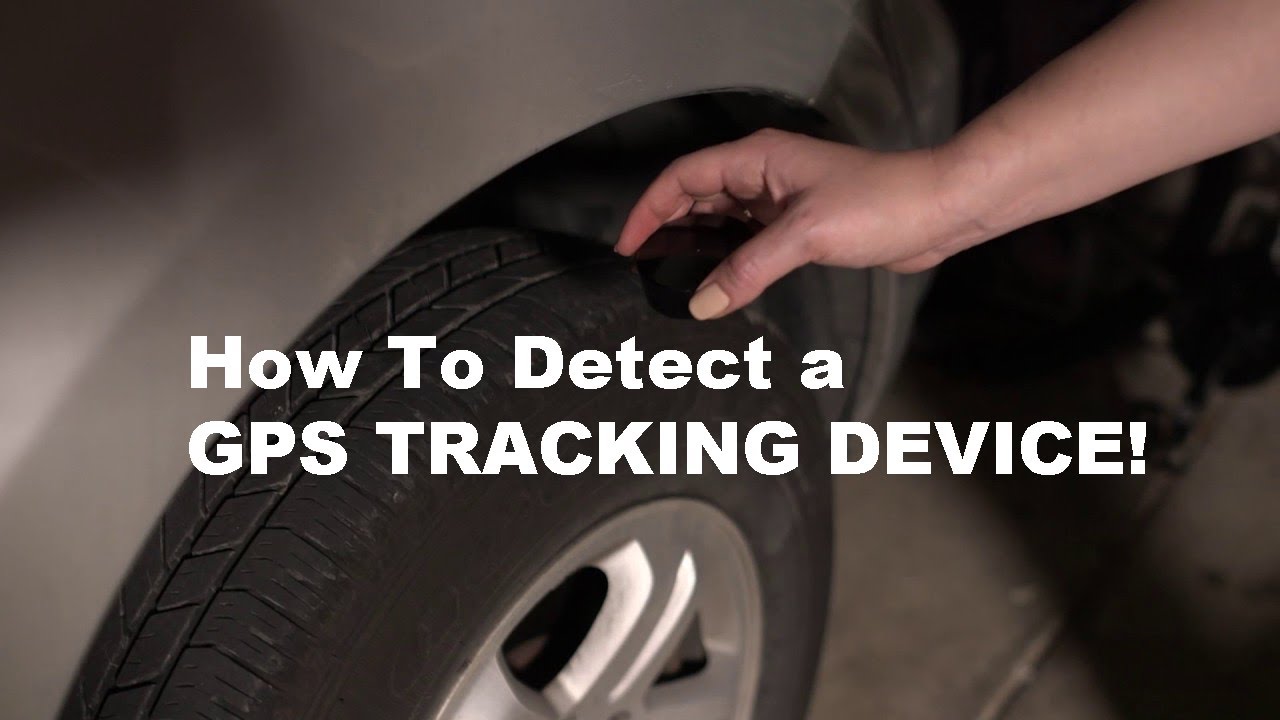
Credit: www.youtube.com
Cost And Budgeting
Cost is a key factor when choosing a car tracker. You want to know what you will pay upfront and over time. Budgeting helps avoid surprises and keeps expenses clear. Car trackers vary widely in price and fees. Understanding these costs helps you pick the best option for your needs and wallet.
Initial Purchase Price
The first cost is the tracker device itself. Prices range from budget models to high-end units. Simple trackers can cost under $50. Advanced trackers with extra features may exceed $200. Choose a tracker that fits your budget and offers needed functions. Watch for hidden fees in the purchase price.
Subscription Fees
Most car trackers need a monthly or yearly subscription. This fee covers GPS data and app access. Subscriptions typically cost between $5 and $30 per month. Some companies offer discounts for yearly payments. Check if the subscription is optional or required. Factor these ongoing fees into your budget.
Long-term Savings
Investing in a car tracker can save money over time. Trackers help prevent theft and recover stolen vehicles. They can reduce insurance premiums with proof of tracking. Timely alerts may avoid costly repairs or accidents. Calculate potential savings against total tracker costs. This balance shows real value in your purchase.
Frequently Asked Questions
What Are The Key Features Of A Reliable Car Tracker?
A reliable car tracker offers real-time GPS tracking, geofencing, and alerts. It should have long battery life and easy installation. Accuracy and mobile app support are essential for user convenience and security.
How Do I Choose The Best Car Tracker For My Vehicle?
Consider your tracking needs, budget, and device features. Look for accuracy, ease of use, and customer reviews. Ensure the tracker supports your vehicle type and offers good customer support.
Can A Car Tracker Help In Vehicle Theft Recovery?
Yes, a car tracker provides real-time location updates, helping law enforcement quickly locate stolen vehicles. It increases recovery chances and deters theft with alerts and monitoring.
Are Car Trackers Legal To Use Without Owner Consent?
Laws vary by location. Generally, tracking your own vehicle is legal. Tracking others without consent may breach privacy laws. Always check local regulations before installing a tracker.
Conclusion
Choosing the right car tracker protects your vehicle and peace of mind. Consider features like GPS accuracy, battery life, and ease of use. Compare prices and read user reviews before deciding. A good tracker helps you find your car quickly and keeps it safe.
Take your time and pick one that fits your needs. Your car deserves the best protection possible.
