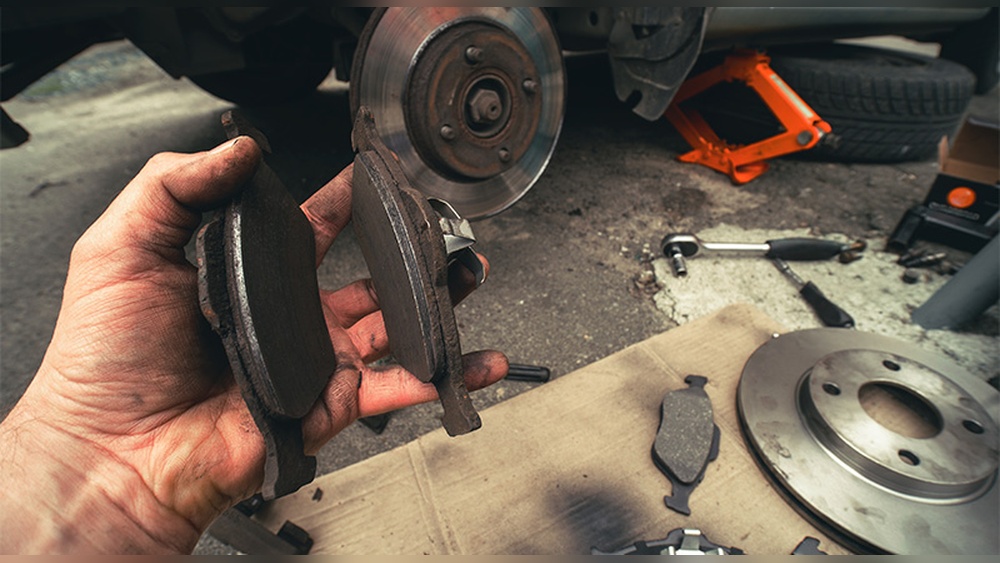
Are you wondering how much you should expect to pay for brake pads and rotors? If your car’s brakes are making noise or not feeling as smooth as before, it’s time to think about replacements.
But the cost can vary a lot, and knowing what influences the price can save you money and stress. You’ll discover the real costs behind brake pads and rotors, what affects those prices, and how to get the best value for your money.
Keep reading to avoid surprises and make smart choices for your car’s safety and your wallet.
Brake Pads Cost Factors
Brake pads cost depends on several key factors. These factors affect the price you pay for replacement parts. Understanding them helps you plan your budget better. Let’s explore what influences brake pad costs in detail.
Types Of Brake Pads
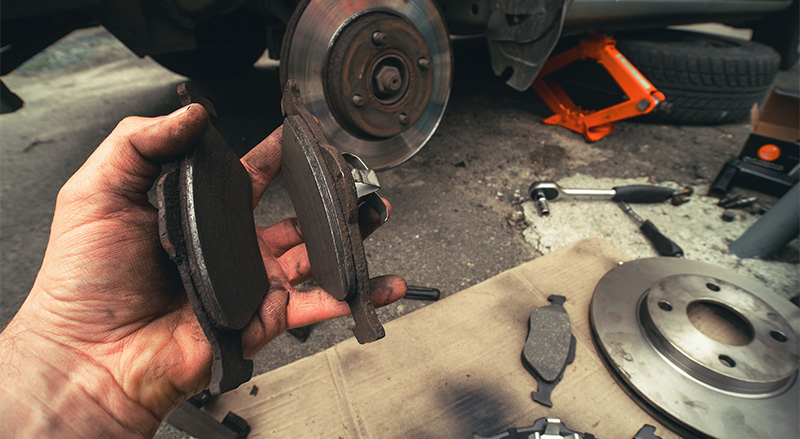
Brake pads come in different types. Standard pads cost less but wear out faster. Performance pads last longer and handle heat better. Ceramic pads offer quiet braking and less dust. Each type affects the price you will pay.
Material Differences
Brake pads use various materials. Organic pads are cheaper but wear quickly. Semi-metallic pads balance price and durability. Ceramic pads cost more but provide smooth braking. Material quality changes the overall pad price.
Brand Impact On Price
Brand name affects cost significantly. Well-known brands charge more for quality assurance. Lesser-known brands offer budget-friendly options. Brand reputation often reflects on pad performance and reliability.
Vehicle Make And Model Influence
Your vehicle’s make and model change pad prices. Luxury cars need specialized pads costing more. Common cars use standard pads that are less expensive. Vehicle design and brake system complexity influence costs.
Credit: blog.napacanada.com
Rotor Pricing Breakdown
Understanding rotor pricing helps you plan your car maintenance budget better. Rotors vary widely in price based on type, material, size, and source. Knowing these factors can save money and ensure proper brake performance.
Here is a detailed breakdown of what affects rotor costs and what to expect for your vehicle.
Standard Vs. Performance Rotors
Standard rotors serve most everyday cars and offer reliable braking. They cost less and last long under normal driving conditions. Performance rotors suit sports or heavy-duty vehicles. They handle heat better and resist warping. These rotors usually cost more due to advanced design and materials.
Material Options
Most rotors come in cast iron, which is affordable and durable. Some use carbon composites or ceramic blends for lighter weight and better heat dissipation. These materials raise the price but improve braking efficiency and rotor life. Steel rotors appear in some models, offering a balance of cost and strength.
Rotor Size And Design Effects
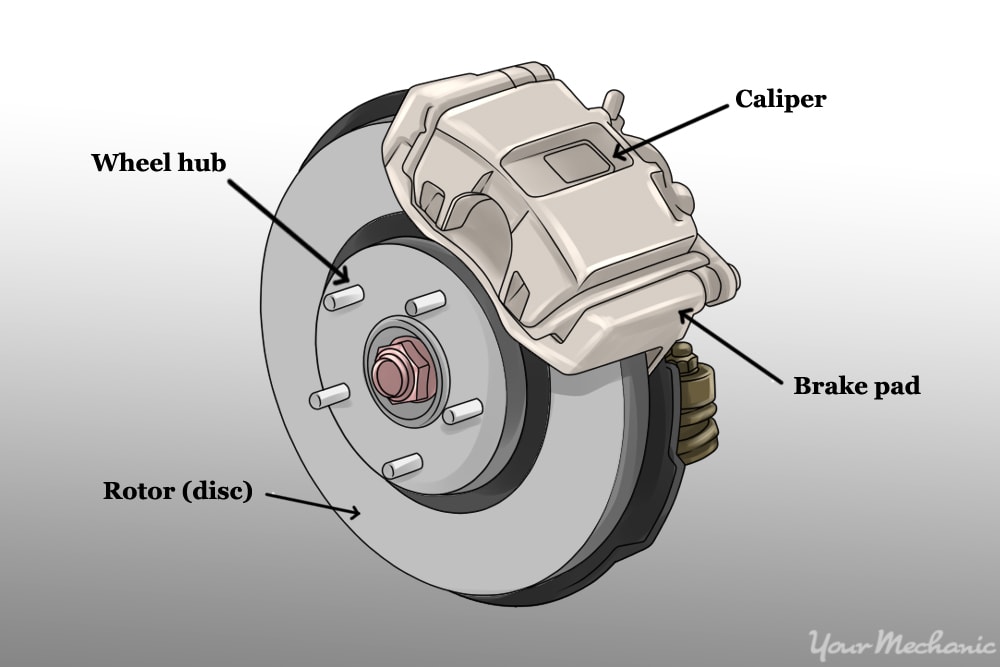
Larger rotors cost more because they use more material and improve stopping power. Designs vary from solid to vented and drilled or slotted types. Vented rotors cool faster, which helps in heavy braking. Drilled or slotted rotors reduce brake dust and improve grip. These design features add to the price but may enhance driving safety.
Aftermarket Vs. Oem Costs
OEM rotors come directly from the vehicle’s manufacturer. They match original specs and usually cost more. Aftermarket rotors come from third-party brands. They offer more price options and sometimes better features. Quality varies widely, so choose trusted brands to avoid early wear or safety issues.
Labor And Installation Fees
Labor and installation fees make up a big part of the total cost for brake pads and rotors. These fees cover the work mechanics do to remove old parts and fit new ones. The price depends on the shop, the car model, and how hard the job is. Knowing about these costs helps you plan your budget better.
Typical Labor Charges
Labor charges usually range from $80 to $150 per hour. Replacing brake pads and rotors takes about 1 to 2 hours. So, expect to pay between $100 and $300 for labor alone. Some shops charge a flat fee instead of hourly rates. Complex cars or extra work can increase these charges.
Diy Installation Savings
Doing the job yourself can save you a lot of money. You only pay for parts and tools. Basic tools and online guides make the job easier. But be careful. Mistakes can cause safety problems or damage. Only try DIY if you feel confident and have some car knowledge.
Dealership Vs. Independent Shops
Dealerships often charge more for labor than independent shops. They use original parts and have brand-trained mechanics. Independent shops offer lower prices and flexible service. Both have pros and cons. Choose based on your budget and trust in the mechanic.

Credit: mazdashopusa.com
Signs You Need Replacement
Brake pads and rotors wear out over time. Recognizing the signs helps avoid bigger problems. Early replacement keeps your car safe and saves money. Watch for clear signals from your vehicle. Here are key signs that show you need new brake pads and rotors.
Brake Pad Wear Indicators
Most brake pads have small metal strips called wear indicators. These create a squealing noise when pads are thin. A high-pitched squeal means it is time to replace the pads. If you feel less braking power, pads may be worn out. Thin pads reduce stopping ability and can damage rotors.
Rotor Damage Symptoms
Rotors can get damaged from heat and wear. Look for grooves or cracks on the rotor surface. Vibrations or shaking when braking show rotor problems. A pulsing brake pedal also signals rotor issues. Damaged rotors reduce brake efficiency and safety.
Impact On Vehicle Safety
Worn brake parts increase stopping distance. This raises the risk of accidents. Brake failure can cause dangerous situations on the road. Timely replacement keeps brakes strong and reliable. Safe brakes protect you and others.
Tips To Save On Brake Repairs
Brake repairs can be costly, but some smart steps can lower the price. Saving money on brake pads and rotors is possible with careful choices. Understanding what to do helps keep your car safe and your wallet happy.
Focus on quality, timing, and who does the work. These tips make a big difference in cost and results.
Choosing Quality Parts
Cheap parts might save money now but can cause more problems later. Buy brake pads and rotors that last longer and work well. Quality parts reduce the need for frequent repairs. Look for parts that match your car’s make and model. This ensures better fit and performance.
Timing Your Replacement
Replacing brake pads and rotors too late can cause bigger damage. Watch for signs like squealing or pulling to one side. Fixing issues early saves money on more expensive repairs. Follow your car’s maintenance schedule to know when to check brakes. Regular checks avoid emergency repairs and keep costs low.
Finding Reliable Mechanics
Not all mechanics charge the same for brake work. Find a trusted mechanic with fair prices and good reviews. A skilled mechanic does the job right the first time. This prevents extra costs from mistakes or poor repairs. Ask friends or read online reviews to pick a good shop.
2025 Trends In Brake Costs
The cost of brake pads and rotors changes every year. In 2025, several trends will shape these prices. Understanding these trends helps car owners plan better for maintenance. The factors include new technology, market changes, and rules about the environment. Each plays a role in how much you pay at the shop.
Technological Advances
Brake systems are becoming more advanced. Many cars now use sensors to check brake health. This technology can add to the cost of parts and repairs. New materials, like carbon fiber, are also used more. These parts last longer but cost more to make. Expect prices to rise slightly due to these improvements.
Market Price Fluctuations
Prices of raw materials affect brake part costs. Steel, copper, and other metals can change in price often. Supply chain issues also cause delays and higher costs. When demand for cars drops, prices may lower. But if many people need repairs, costs can increase. Watch these market shifts to understand price changes.
Environmental And Regulatory Factors
New laws push for cleaner, safer brake materials. Some chemicals used before are now banned or limited. This makes manufacturers use new, eco-friendly parts. These parts may cost more at first. Also, stricter rules on emissions affect brake design. These changes add to the overall cost of brakes in 2025.
Credit: parts.bmwofsouthatlanta.com
Frequently Asked Questions
How Much Do Brake Pads Typically Cost?
Brake pads usually cost between $30 and $75 per axle. The price varies by vehicle make and pad quality. Labor charges can add $80 to $150 to the total cost.
What Is The Average Price For Brake Rotors?
Brake rotors generally cost $30 to $75 each. Premium or performance rotors may cost more. Installation labor usually ranges from $100 to $200.
Are Brake Pad And Rotor Replacements Expensive Together?
Replacing brake pads and rotors together typically costs $250 to $400. This includes parts and labor. Prices depend on vehicle type and repair shop rates.
How Often Should Brake Pads And Rotors Be Replaced?
Brake pads often need replacing every 30,000 to 70,000 miles. Rotors may last 50,000 miles or more. Signs of wear include squealing, vibration, or reduced braking.
Conclusion
Brake pads and rotors cost varies by car type and part quality. You can save money by choosing standard parts over premium ones. Labor fees also affect the final price a lot. Regular maintenance helps avoid costly repairs later on.
Knowing the price range helps you plan your budget well. Keep your brakes in good shape for safe driving. Always compare prices before making a decision. Simple care goes a long way in brake system health.