

Is your car’s paint looking dull, faded, or chalky? That’s a clear sign of oxidation eating away at your car’s shine.
You might feel frustrated seeing your once-bright paint lose its glow. But don’t worry—fixing oxidized paint is easier than you think. You’ll discover simple, effective steps to restore your car’s finish and bring back that showroom shine. Keep reading, and you’ll learn how to protect your car and make it look amazing again.
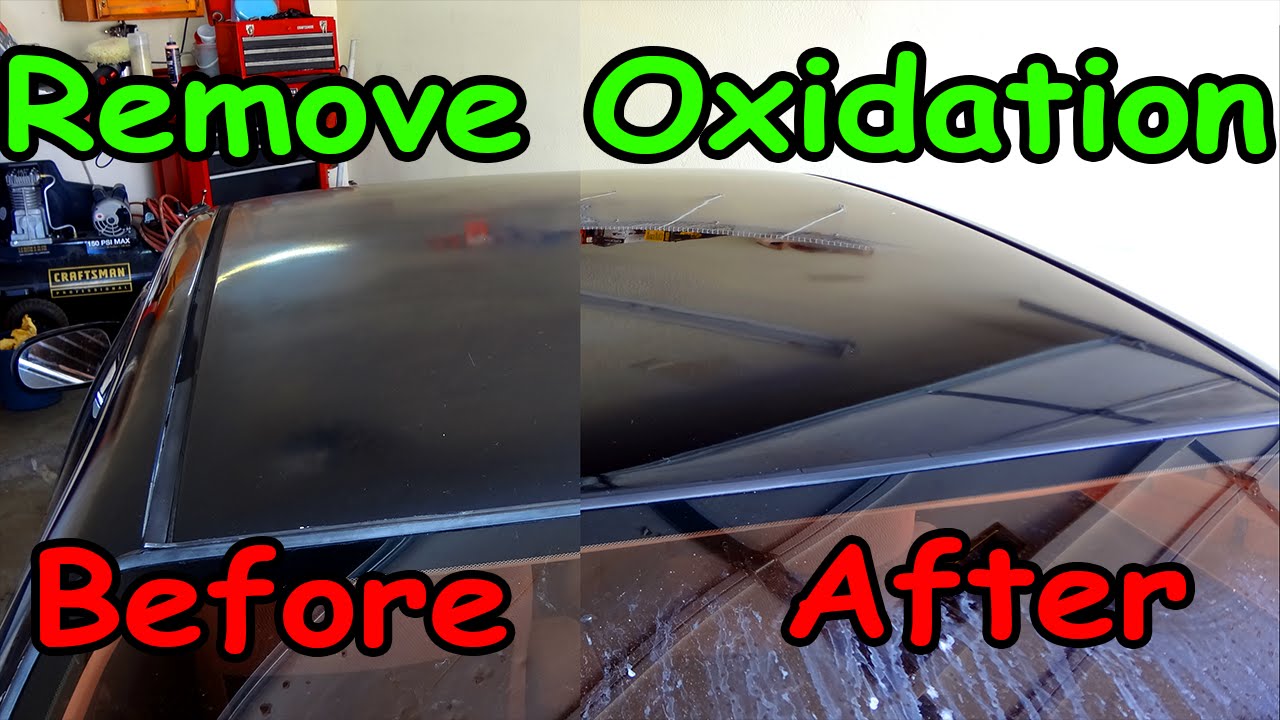
Credit: www.youtube.com
Signs Of Oxidized Paint
Oxidized paint on a car shows clear signs. Recognizing these signs early helps you fix the problem fast. Oxidation happens when the paint loses its protective layer. The sun and air cause this damage over time. Below are the main signs that show your car’s paint is oxidized.
Dull And Faded Appearance
The paint looks lifeless and lacks shine. Bright colors turn dull and less vibrant. The gloss that made your car look new fades away. This dullness is the most obvious sign of oxidation.
Surface Roughness
The paint surface feels rough instead of smooth. Running your hand over it might feel gritty or sandy. This texture change happens because the clear coat breaks down. Rough paint is a clear sign of damage beneath the surface.
Color Loss
The original color appears washed out or faded. Dark colors look gray or chalky. Light colors lose brightness and look pale. This color loss means the paint is losing its strength and protection.
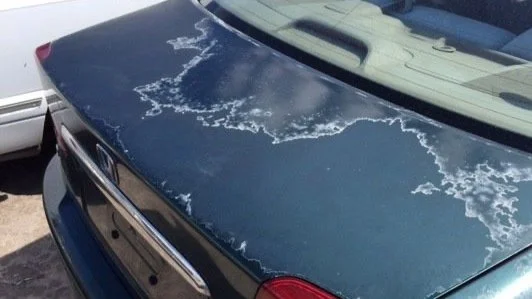
Credit: www.fresh-layer.com
Causes Of Paint Oxidation
Paint oxidation happens when your car’s paint loses its shine and becomes dull. This process makes the surface look faded and rough. Understanding what causes paint oxidation helps prevent damage and keeps your car looking fresh.
Sun Exposure And Uv Damage
Sunlight has ultraviolet (UV) rays that harm car paint. These rays break down the paint’s chemicals. This causes the color to fade and the clear coat to peel. Long hours under the sun speed up oxidation. Cars parked outside without shade are most at risk.
Environmental Pollutants
Pollutants in the air also damage car paint. Dust, dirt, and chemicals from factories settle on the paint surface. Acid rain and bird droppings are very harmful too. These substances eat away at the paint layer. Over time, they cause the paint to oxidize and lose its shine.
Lack Of Proper Maintenance
Ignoring regular car care leads to paint problems. Skipping washing and waxing allows dirt and grime to build up. This dirt traps moisture, which worsens oxidation. Without proper cleaning, the protective layer fades. Routine maintenance keeps the paint strong and glossy.
Tools And Materials Needed
Fixing oxidized paint on your car needs the right tools and materials. These items help restore shine and protect the paint. Using proper products makes the process easier and more effective.
Polishing Compounds
Polishing compounds remove the top layer of oxidized paint. They smooth out rough spots and bring back color. Choose a compound that matches your car’s paint condition. Apply gently to avoid damage.
Microfiber Cloths
Microfiber cloths are soft and non-abrasive. They clean and buff without scratching the surface. Use different cloths for applying polish and wiping off residue. They help achieve a smooth, shiny finish.
Car Wax And Sealants
Car wax and sealants protect the paint after polishing. They keep the surface shiny and guard against future oxidation. Apply a thin, even layer for the best protection. This step extends your car’s fresh look.
Step-by-step Restoration Process
Fixing oxidized paint on a car takes careful steps. Each step helps bring back the paint’s shine and smoothness. Follow this simple guide to restore your car’s look. Take your time and work carefully for the best results.
Cleaning The Surface
Start by washing the car to remove dirt and grime. Use a mild car soap and water. Rinse well and dry with a soft cloth. Clean paint allows polishing compounds to work better. Avoid skipping this step to prevent scratches.
Applying Polishing Compound
Choose a polishing compound made for oxidized paint. Apply a small amount on a clean, soft cloth or foam applicator. Rub the compound gently on the oxidized areas. Use circular motions to cover the surface evenly. Let the compound sit for a few minutes.
Buffing The Paint
Use a clean microfiber cloth or a buffer machine for this step. Buff the paint to remove the polishing compound and oxidation. Move the cloth in small circles with light pressure. This step restores the paint’s shine and smooth texture. Repeat if oxidation still shows.
Waxing For Protection
Apply a layer of car wax after polishing and buffing. Wax seals the paint and protects it from future damage. Spread wax evenly using a soft cloth or applicator pad. Let the wax dry until it hazes, then buff it off. Waxing keeps your car glossy and safe.
Tips For Preventing Future Oxidation
Preventing paint oxidation keeps your car looking fresh and new. It protects the paint from sun damage and harsh weather. Simple habits help maintain your car’s shine and color for years.
Regular Washing And Waxing
Wash your car often to remove dirt and grime. Dirt can wear down the paint and cause oxidation. Use gentle car soap and a soft cloth. Wax your car every few months. Wax adds a protective layer against sun and moisture. It keeps the paint smooth and shiny.
Using Car Covers
Cover your car when not in use. Car covers block dust, dirt, and sunlight. They protect the paint from harmful UV rays. Choose a breathable cover to avoid moisture buildup. This helps stop rust and paint damage.
Parking In Shade
Park in shaded areas whenever possible. Shade protects your car from direct sunlight. Sun exposure fades paint and causes oxidation faster. Trees, carports, or garages work well. Less sun means your paint lasts longer.
When To Seek Professional Help
Knowing when to seek professional help is key for fixing oxidized paint on your car. Some problems need expert skills and tools. Trying to fix serious damage alone can make things worse. Recognizing these signs can save time and money. It also helps protect your car’s look and value.
Severe Paint Damage
Severe paint damage goes beyond simple oxidation. Cracks, peeling, or large faded areas need expert care. Professionals can repair paint layers and prevent rust. DIY methods may not restore the paint fully. Letting an expert handle severe damage gives better results.
Deep Oxidation Layers
Deep oxidation means the paint has worn down a lot. Light polishing won’t fix this kind of damage. Professionals use special tools to remove deep layers safely. They can also repaint if needed. Handling deep oxidation yourself might harm the clear coat or paint.
Cost Considerations
Sometimes professional help costs more upfront. But fixing serious oxidation yourself can lead to bigger repairs later. Experts work faster and provide lasting results. Spending on professionals can save money in the long run. Weigh your options based on damage and budget.
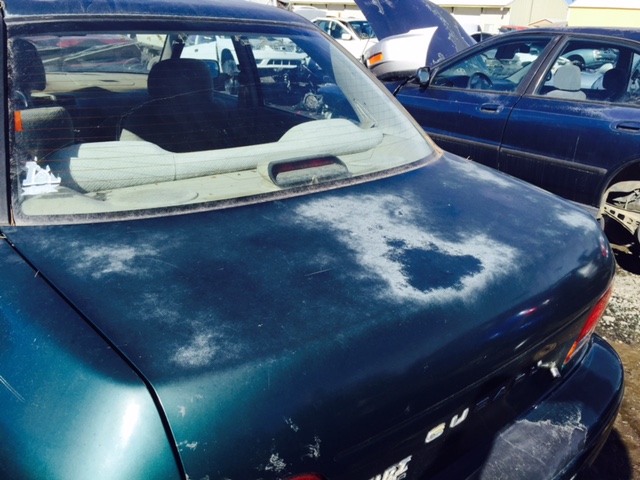
Credit: oxideoff.com
Frequently Asked Questions
What Causes Car Paint To Oxidize Over Time?
Car paint oxidizes due to prolonged exposure to sunlight and environmental elements. UV rays break down the paint’s protective layer, causing dullness and fading. Lack of regular waxing accelerates this process, leaving the paint vulnerable to damage and oxidation.
Can Oxidized Paint Be Restored Without Professional Help?
Yes, mild oxidation can be restored at home using polishing compounds and wax. Proper cleaning, followed by applying a rubbing compound, removes oxidized layers. Regular waxing afterward helps protect the paint and maintain its shine.
How Often Should I Wax My Car To Prevent Oxidation?
Wax your car every three to four months to prevent oxidation. Wax acts as a protective barrier against UV rays and environmental pollutants. Regular waxing keeps the paint glossy and reduces the risk of oxidation damage.
Is Polishing Better Than Waxing For Fixing Oxidized Paint?
Polishing removes the oxidized paint layer, restoring the surface, while waxing protects the paint. For oxidized paint, start with polishing, then apply wax. Both steps are essential for a smooth, shiny, and protected finish.
Conclusion
Fixing oxidized paint on your car is easier than it seems. Start by cleaning and sanding the affected area gently. Use a good polish to bring back the shine. Protect the paint with a quality wax or sealant. Regular care helps prevent future oxidation.
Small efforts keep your car looking fresh and new. Taking these steps saves money and time. Your car will look better and last longer. Simple actions make a big difference in paint care.


