

Your car’s engine works hard every day, and dirt, grease, and grime can build up under the hood. Cleaning this area isn’t just about making your car look good—it helps keep your engine running smoothly and can even prevent costly repairs.
But how do you clean under the hood safely without damaging important parts? You’ll discover simple, step-by-step tips to get your engine bay sparkling clean. By the end, you’ll feel confident tackling this task yourself and giving your car the care it deserves.
Keep reading to learn how easy it can be!

Credit: www.wikihow.com
Prepare Your Car For Cleaning
Preparing your car for cleaning under the hood is an important step. It makes the cleaning process easier and safer. Taking time to get ready helps protect your car’s engine and parts. A well-prepared car means a better cleaning result.
Gather Necessary Tools
Start by collecting all tools and supplies. You will need a soft brush, cloths, and a bucket. Use a degreaser safe for engines. Have a spray bottle with water ready. Don’t forget gloves to protect your hands.
Ensure Engine Is Cool
Never clean under the hood while the engine is hot. Let the car rest for at least one hour. A cool engine prevents burns and damage. It also stops cleaning products from evaporating too fast.
Protect Sensitive Components
Cover electrical parts with plastic bags or foil. Protect the battery, fuse box, and air intake. Avoid spraying water directly on these areas. Use gentle cleaning methods to keep components safe.
Credit: www.reddit.com
Remove Debris And Dust
Removing debris and dust is the first step to cleaning under your car’s hood. Dirt and leaves can cause problems if left inside. They block airflow and may damage parts. A clean engine area helps your car run better and last longer.
Start by carefully clearing out all loose debris. This step prepares the area for deeper cleaning and inspection. It also prevents dirt from moving into sensitive engine parts during washing.
Use Compressed Air Or Brush
Compressed air blows away dust from hard-to-reach places. Use it with short bursts to avoid damage. If you don’t have compressed air, a soft brush works well. Gently sweep dust from wires, corners, and crevices. Take care not to push dirt further inside.
Clear Leaves And Dirt
Leaves and dirt often collect near the battery and vents. Remove them by hand or with a small vacuum. Check around the windshield cowl and air intake areas. Clearing these spots helps keep the engine cool and stops blockages. Regular cleaning here prevents corrosion and keeps parts dry.
Apply Engine Cleaner
Applying engine cleaner is a key step in cleaning under your car’s hood. It helps remove dirt, grease, and grime that build up over time. Using the right cleaner and applying it correctly keeps your engine running cooler and looking good.
Choose The Right Cleaner
Select an engine cleaner made for your car type. Some cleaners work well on tough grease, while others are gentle on sensitive parts. Check the label to make sure it suits your engine. Avoid harsh chemicals that might damage wires or paint.
Spray Evenly On Surfaces
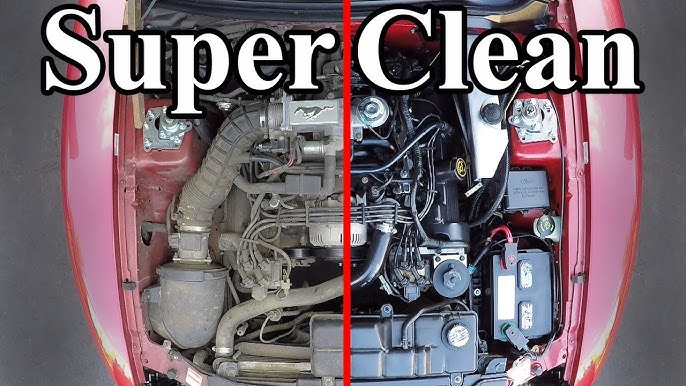
Hold the spray nozzle about 6 to 12 inches from the surface. Apply the cleaner evenly across the engine parts. Cover areas with dirt and oil but avoid soaking electrical parts. A uniform spray helps the cleaner work better and makes rinsing easier.
Credit: www.youtube.com
Scrub And Agitate
Scrubbing and agitating the engine bay is a key step in cleaning under the hood. It helps remove dirt, grease, and grime stuck on the surfaces. Proper scrubbing loosens tough buildup, making rinsing easier and more effective.
Use gentle motions to avoid damaging wires or sensitive parts. Focus on areas with visible dirt and oil stains. This step prepares the engine for a thorough rinse and leaves it looking fresh.
Use Soft Brush For Tough Spots
Choose a soft brush to scrub hard-to-reach spots. A brush with soft bristles protects delicate parts from scratches. It also reaches areas where cloth or sponge cannot.
Work gently but firmly on grime and dirt. Avoid using stiff brushes that might harm plastic or rubber components. A soft brush helps clean without causing damage.
Focus On Grease And Grime
Grease and grime build up quickly under the hood. Target these stubborn spots by scrubbing carefully. Use a degreaser spray to break down oily residue before scrubbing.
Pay attention to engine blocks, hoses, and metal parts. Scrubbing these areas removes the thick layers of dirt. This step improves the overall cleanliness and appearance under the hood.
Rinse Carefully
Rinsing under the hood requires care and attention. A strong spray can damage parts or push water into places it should not go. The goal is to wash away dirt without causing harm to sensitive components. Follow simple steps to rinse safely and effectively.
Use Low-pressure Water
Choose a hose with a gentle spray or a bucket of water. High pressure can break wires or loosen connectors. Keep water flow soft and steady. This prevents damage and helps clean dirt without force.
Avoid Sensitive Areas
Cover parts like the battery, air intake, and electrical boxes. These can be harmed by water. Use plastic bags or wrap with cling film. Do not spray directly on these parts. Rinse around them carefully to keep them dry and safe.
Dry The Engine Bay
Drying the engine bay is a crucial step after cleaning. Water left inside can cause rust or damage electrical parts. Proper drying keeps the engine safe and clean. It also helps prevent dirt from sticking to wet surfaces.
Use Microfiber Towels
Microfiber towels absorb water quickly without scratching. Gently wipe all surfaces to remove moisture. Focus on tight spaces where water hides. Use a dry towel to reach wires and connectors carefully.
Allow Natural Drying
After wiping, let the engine air dry naturally. Leave the hood open in a dry place. Avoid starting the engine immediately to prevent damage. Natural drying ensures no water stays under parts.
Final Touches
After cleaning the engine bay, the final touches make a big difference. These steps help protect your engine and keep everything working well. Spend a little time here for a clean and safe engine.
Apply Engine Protectant
Use an engine protectant spray to shine and protect surfaces. It helps stop dirt and dust from sticking again. Spray lightly on plastic and rubber parts only. Avoid spraying on hot or electrical components. Let the protectant dry for a neat finish.
Check For Loose Connections
Look closely at wires and hoses under the hood. Tighten any loose clamps or connectors you find. Loose parts can cause problems while driving. Secure connections keep your engine running smooth. This simple check helps avoid future repairs.
Frequently Asked Questions
How Often Should I Clean Under My Car Hood?
Cleaning under your car hood every 6 months keeps it free from dirt. Regular cleaning prevents corrosion and helps spot leaks early. Frequent checks improve engine performance and extend vehicle life.
Can I Use A Pressure Washer Under The Hood?
Using a pressure washer is risky under the hood. High pressure can damage electrical components and sensors. Instead, use a gentle spray with a hose and cover sensitive parts for protection.
What Safety Precautions Are Needed When Cleaning?
Always disconnect the battery before cleaning to avoid electrical shocks. Avoid wetting air intakes and exposed wiring. Wear gloves and eye protection to prevent injuries from chemicals or debris.
Which Cleaning Products Are Safe For Engine Cleaning?
Use engine degreasers specifically designed for automotive use. Avoid harsh chemicals that can damage paint or plastic. Mild soap and water work well for general cleaning without harming components.
Conclusion
Cleaning under your car’s hood keeps your engine healthy and running well. Regular cleaning removes dirt and helps spot problems early. Take safety steps before you start. Use gentle tools and avoid strong water pressure. A clean engine bay also looks better and can improve your car’s value.
Make cleaning under the hood part of your car care routine. Small efforts now save big repairs later. Keep your car in top shape by staying on top of cleaning. Simple care makes a big difference.


