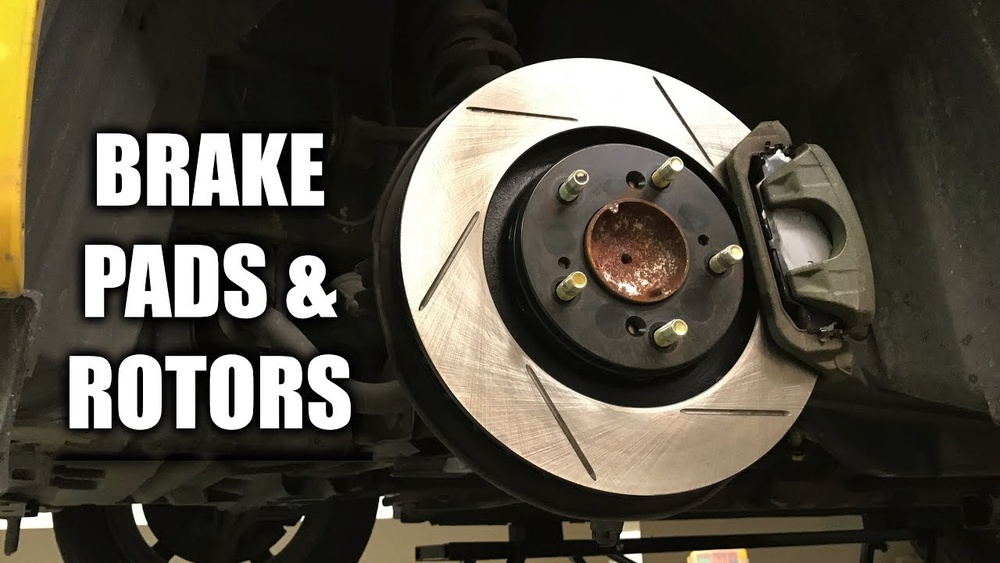
Struggling to get your brake rotors off? You’re not alone.
Removing brake rotors can feel tough and frustrating, especially if they seem stuck or rusted in place. But don’t worry—this guide will show you simple, effective steps to make the process easier and faster. By the end, you’ll have the confidence and know-how to handle your brake rotors like a pro.
Ready to save time and avoid costly mistakes? Let’s dive in and get those rotors off right now.
Tools Needed
Removing brake rotors requires the right tools to make the job easier and safer. Some tools are essential for basic tasks. Others are optional but can speed up the process. Having the correct tools helps avoid damage to parts and ensures smooth removal.
Essential Hand Tools
A socket wrench set is necessary to remove the caliper bolts. Use a breaker bar for extra leverage on tight bolts. A flathead screwdriver or pry bar helps to gently pry off stuck rotors. A hammer or rubber mallet aids in loosening rusted rotors. Keep a wire brush handy to clean rust and debris from parts. Gloves protect your hands during the work.
Optional Power Tools
An impact wrench speeds up bolt removal. An electric drill with a wire brush attachment cleans rust faster. A cordless ratchet makes working in tight spaces easier. These tools reduce effort and save time. They are not mandatory but improve the overall experience.
Safety Precautions
Removing brake rotors requires careful attention to safety. Taking the right precautions protects you from injury. It also ensures the work goes smoothly. Always prepare before starting any brake work.
Below are key safety steps to follow. These help keep you safe and your vehicle stable.
Protective Gear
Wear gloves to protect your hands from sharp edges. Use safety glasses to shield your eyes from dust and debris. Avoid loose clothing that can get caught in tools. Use a dust mask if brake dust is present. Proper gear reduces the risk of cuts, dust inhalation, and eye injuries.
Vehicle Stability
Park on a flat, solid surface to prevent rolling. Use wheel chocks behind tires to keep the car still. Always use a quality jack and jack stands to lift and hold the vehicle. Never rely on just the jack to support the car. Check the stands are secure before you start working. Stability prevents accidents and injury during rotor removal.
Preparing The Vehicle
Preparing your vehicle before removing brake rotors is crucial. Proper preparation ensures safety and makes the process easier. Start by securing the car on a flat surface. This stops the vehicle from moving while you work.
Next, gather all the tools needed. This includes a lug wrench, jack, and jack stands. Having these ready saves time and avoids interruptions.
Loosening Lug Nuts
Begin by loosening the lug nuts on the wheel. Do this before raising the car. Use a lug wrench to turn them counterclockwise. Loosen them just enough to break their grip. Do not remove the nuts completely yet. This step helps when the car is lifted.
Raising The Car Safely
Place the jack under the car’s frame near the wheel. Check your vehicle manual for the exact spot. Slowly lift the car until the wheel is off the ground. Use jack stands to support the car securely. Never rely on the jack alone. Lower the car slightly onto the stands. Ensure the vehicle feels stable before continuing.
Credit: www.youtube.com
Removing The Wheel
Removing the wheel is the first step to access the brake rotors. It is important to do this safely and correctly to avoid any damage or injury. Proper removal of the wheel makes the rest of the brake job easier and faster.
Prepare Your Vehicle
Park your car on a flat surface. Apply the parking brake to stop the vehicle from moving. Place wheel chocks behind the wheels that stay on the ground. This keeps the car secure while you work.
Loosen The Lug Nuts
Use a lug wrench to slightly loosen the lug nuts. Do this before lifting the car. Turn each nut counterclockwise. Do not remove them completely yet. This helps avoid the wheel spinning while loosening.
Lift The Car Safely
Position a jack under the car’s lifting point near the wheel. Raise the car until the wheel is off the ground. Use jack stands to support the car. Never rely on the jack alone for safety.
Remove The Lug Nuts And Wheel
Now fully remove the loosened lug nuts. Keep them in a safe place. Carefully pull the wheel straight off the hub. Set the wheel aside on a clean surface to avoid damage.
Accessing The Brake Components
Accessing the brake components is the first step to remove brake rotors. You must carefully expose the parts to work safely. Proper access makes the job easier and prevents damage to other parts.
Start by lifting the vehicle and removing the wheel. This exposes the brake assembly clearly. Next, focus on the brake caliper, as it holds the rotor in place.
Removing The Caliper
Locate the bolts that hold the caliper on the brake assembly. Use the correct size wrench or socket to loosen them. Carefully slide the caliper off the rotor. Avoid pulling on the brake hose connected to the caliper.
Set the caliper aside gently. Do not let it hang by the brake hose. This can cause damage and lead to brake failure.
Securing The Caliper
Use a piece of wire or a bungee cord to hang the caliper. Attach it to the suspension or a sturdy part nearby. This keeps the caliper stable and prevents stress on the brake hose.
Keep the caliper out of the way while working on the rotor. Make sure it cannot fall or get damaged. Proper securing helps maintain safety and eases the rotor removal process.

Credit: www.reddit.com
Removing The Brake Rotor
Removing the brake rotor is a key step in brake maintenance. It needs care and the right tools. This part can stick tight due to rust or screws holding it in place. Knowing how to remove it safely will save time and effort.
Here are simple ways to remove the brake rotor without damage.
Checking For Retaining Screws
Look closely at the rotor for small screws. These screws hold the rotor on the hub. Use a screwdriver to remove them. Some cars have no screws, so this step might be quick. Removing screws makes the rotor easier to take off.
Loosening Rust And Corrosion
Rust often glues the rotor to the hub. Use a wire brush to clean rust around the rotor. This helps free the rotor from tight spots. Rust can make the rotor stick hard. Breaking this bond is important before pulling the rotor off.
Using A Rubber Mallet
A rubber mallet can tap the rotor gently. Hit the edge of the rotor to loosen it. Avoid metal hammers; they can damage parts. Tap evenly around the rotor to loosen rust. The rotor should begin to move after some taps.
Applying Penetrating Oil
Spray penetrating oil on the rotor hub area. Let it soak for 10 to 15 minutes. The oil helps break down rust and corrosion. Use it if the rotor does not budge after tapping. This makes removing the rotor easier and faster.
Troubleshooting Stuck Rotors
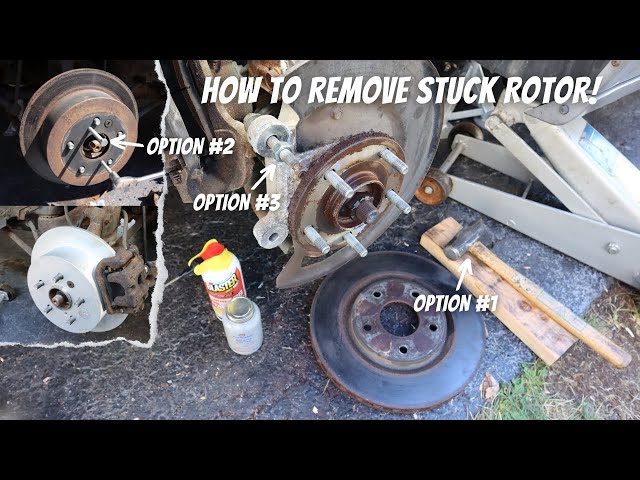
Stuck brake rotors are a common problem during car maintenance. Rust and dirt can cause rotors to stick tightly to the hub. Removing them requires patience and the right tools. Without proper methods, you may damage the rotor or other parts.
Heat Application
Heat helps expand metal parts, breaking rust bonds. Use a propane torch to warm the rotor around the hub. Heat for about 2 to 3 minutes. Avoid overheating to protect brake components. After heating, tap the rotor gently with a hammer. The heat loosens rust and allows easier removal.
Using Pullers Or Slide Hammers
Pullers and slide hammers create controlled force to pull rotors free. Attach the puller arms to the rotor holes. Turn the center bolt slowly to apply pressure. Slide hammers use impact to break rust seals. Use steady, even force to avoid damage. These tools work well when heat alone does not help.
Cleaning And Preparing For Installation
Cleaning and preparing the brake rotors before installation is very important. Dirt, rust, and debris can cause poor braking performance or noise. Taking time to clean and check the parts helps ensure a smooth and safe brake job. Follow simple steps to get the hub and rotor ready for installation.
Cleaning The Hub Surface
Start by cleaning the hub surface where the rotor will sit. Use a wire brush or sandpaper to remove rust and dirt. A clean surface allows the rotor to fit tightly and prevents wobbling. Wipe the hub with a clean cloth to remove dust. Avoid using oil or grease on the hub, as it can cause the rotor to slip.
Inspecting The New Rotor
Check the new rotor carefully before installation. Look for any damage like cracks or dents. Make sure the rotor is the correct size for your vehicle. Some rotors have a protective coating; remove it with brake cleaner. Confirm that the rotor holes align with the hub bolts for proper fit. Inspecting the rotor prevents problems and ensures safety.
Credit: www.reddit.com
Frequently Asked Questions
How Do I Safely Remove Brake Rotors?
To safely remove brake rotors, first loosen lug nuts and lift the vehicle. Remove the wheel and brake caliper. Then, unbolt the rotor. Use a mallet if stuck. Always wear safety gear and follow vehicle-specific instructions.
What Tools Are Needed To Remove Brake Rotors?
You need a jack, lug wrench, socket set, and mallet to remove brake rotors. Penetrating oil helps loosen stuck rotors. A screwdriver or pry bar may assist in caliper removal. Always use quality tools for safety and efficiency.
Why Are My Brake Rotors Stuck?
Brake rotors often get stuck due to rust, corrosion, or debris buildup. This causes them to bind tightly to the hub. Applying penetrating oil and gentle hammer taps usually frees them. Avoid excessive force to prevent rotor damage.
Can I Remove Brake Rotors Without Removing The Caliper?
No, you must remove the brake caliper to access and remove the rotor safely. Removing the caliper prevents damage to brake components and allows rotor removal. Always support the caliper to avoid strain on brake lines.
Conclusion
Removing brake rotors can seem hard, but it is doable. Use the right tools and stay patient. Clean rust and loosen bolts carefully to avoid damage. Take safety steps like wearing gloves and eye protection. This task saves money and helps you learn car care.
With practice, you will get faster and more confident. Keep your workspace clean and organized. Remember, small steps lead to good results. Brake rotor removal is a useful skill for any car owner. Give it a try, and you will succeed.