

Have you ever felt your car shaking or heard strange noises when you press the brakes? These could be signs that your brake rotors are warped.
Knowing how to spot this early can save you from costly repairs and keep you safe on the road. You’ll learn the simple ways to tell if your brake rotors need attention. Keep reading to protect your car and ensure every stop is smooth and reliable.

Credit: mechanics.stackexchange.com
Symptoms Of Warped Rotors
Warped brake rotors cause several noticeable symptoms. These signs warn of a problem with your vehicle’s braking system. Identifying these symptoms early helps prevent further damage and keeps driving safe. Below are key symptoms to watch for if you suspect warped rotors.
Vibrations When Braking
One common sign of warped rotors is vibration in the steering wheel or brake pedal. This shaking happens because uneven rotor surfaces cause the brakes to grab inconsistently. Vibrations often start at higher speeds and get worse with harder braking.
Uneven Brake Pad Wear
Warped rotors can cause brake pads to wear unevenly. This uneven wear reduces braking efficiency and can damage the brake system. Checking your brake pads regularly reveals if one side wears down faster than the other.
Pulsating Brake Pedal
A pulsating feeling in the brake pedal signals rotor warping. You may feel the pedal pulsing as you press it. This happens because the rotor surface is not smooth, causing the brake pads to hit unevenly.
Noises During Braking
Strange sounds like grinding or squealing during braking may indicate warped rotors. These noises occur when the brake pads do not contact the rotor evenly. Early noise detection helps avoid costly repairs later.

Credit: www.reddit.com
Causes Of Rotor Warping
Brake rotors can warp for several reasons. Understanding these causes helps spot problems early. Warped rotors reduce braking performance and safety.
Heat, installation, materials, and driving style all affect rotor condition. Knowing these factors keeps your brakes working well.
Excessive Heat Build-up
Brake rotors get very hot during use. Too much heat causes the metal to expand unevenly. This leads to warping and vibration. Long downhill drives and hard braking create excess heat.
Improper Installation
Rotors must be installed correctly to avoid warping. Loose bolts or uneven mounting cause stress on the rotor. This uneven pressure deforms the rotor surface over time.
Low-quality Materials
Cheap rotors use low-grade metal. These metals are weak and less resistant to heat. Low-quality rotors warp faster than premium ones. Investing in quality parts reduces warping risk.
Aggressive Driving Habits
Hard braking and quick stops stress rotors. Frequent aggressive driving heats rotors rapidly. This repeated stress causes metal fatigue and warping. Smooth driving extends rotor life.
Inspecting Your Brake Rotors
Inspecting your brake rotors is key to keeping your car safe. Rotors can wear down or warp over time. This causes issues like vibration or noise when braking. Regular checks help catch problems early. You can do some simple inspections yourself before visiting a mechanic.
Visual Checks For Damage
Start by looking closely at the rotors. Check for cracks, deep grooves, or rust spots. Small surface rust is normal but heavy rust is bad. Look for uneven wear or discoloration. These signs may show the rotor is warped or damaged.
Measuring Rotor Thickness
Rotors wear thinner as you use your brakes. Use a micrometer or caliper to measure thickness. Compare your measurements to the minimum thickness listed in your car manual. Thinner rotors can cause poor braking and need replacement.
Checking For Surface Irregularities
Run your hand lightly over the rotor surface. Feel for bumps, ridges, or rough patches. These irregularities cause brake vibration and noise. A smooth rotor surface is essential for safe braking. If you find rough spots, the rotor may be warped or worn.
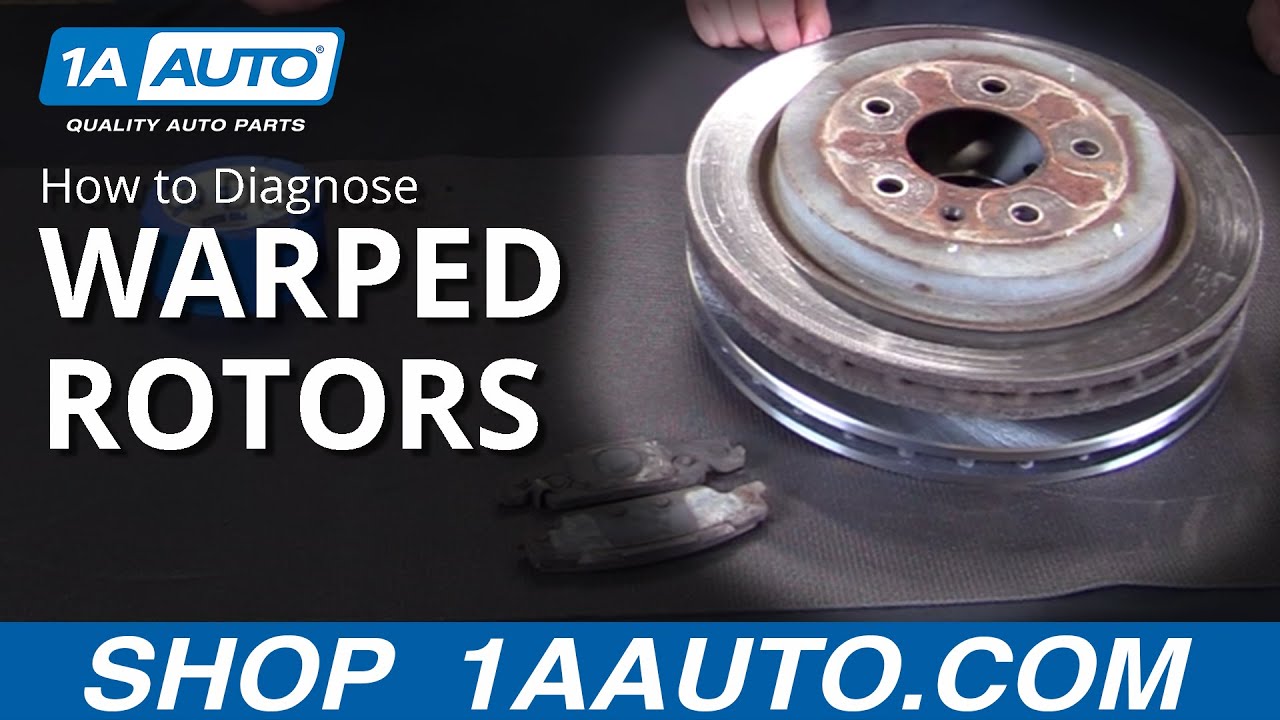
Credit: www.youtube.com
Tools For Rotor Inspection
Inspecting brake rotors requires the right tools for an accurate check. These tools help find warping and other problems. Using them correctly saves money and keeps driving safe.
Dial Indicator
A dial indicator measures rotor runout. It shows how much the rotor surface moves side to side. Attach it to the wheel hub and spin the rotor slowly. The dial’s needle will move if the rotor is warped. Small movements mean the rotor is still good. Large swings suggest warping. This tool is precise and easy to use.
Micrometer
A micrometer measures rotor thickness. Warped rotors often wear unevenly. Check thickness at several points around the rotor. Compare these numbers to the manufacturer’s minimum thickness. If the rotor is too thin, it needs replacing. A micrometer gives exact readings. It helps spot wear that might cause brake problems.
Brake Rotor Gauge
The brake rotor gauge checks rotor surface smoothness. It detects bumps and grooves on the rotor face. Run the gauge gently over the rotor surface. Feel for any rough or uneven spots. These imperfections can cause vibration during braking. A smooth rotor surface means better brake performance. The gauge is simple but effective for quick checks.
When To Replace Or Resurface Rotors
Knowing when to replace or resurface brake rotors helps keep your car safe. Rotors wear out over time from heat and friction. Sometimes resurfacing fixes small problems. Other times, replacement is the better choice. Understanding key factors helps you decide.
Minimum Thickness Requirements
Every rotor has a minimum thickness limit. This number is set by the manufacturer. Measure the rotor thickness with a micrometer. If the rotor is thinner than the limit, replace it. Resurfacing reduces thickness and can make the rotor too thin. Thin rotors can crack or fail under stress.
Signs Resurfacing Isn’t Enough
Deep grooves or heavy scoring mean resurfacing may not work. Warped rotors with severe vibration often need replacement. Cracks or rust spots are signs to replace. If the rotor has been resurfaced many times, it weakens. Resurfacing small issues is okay, but big damage needs new rotors.
Cost Considerations
Resurfacing is cheaper than buying new rotors. It can save money if the rotors are still thick enough. Sometimes resurfacing costs almost as much as new rotors. New rotors last longer and give better performance. Compare prices before deciding. Sometimes replacement is the smarter choice for value and safety.
Preventing Rotor Warping
Warped brake rotors cause vibration and reduce braking power. Preventing rotor warping helps keep your brakes safe and smooth. Simple steps protect rotors and save money on repairs.
Proper Brake Use
Brake gently and avoid hard stops often. Sudden braking heats rotors quickly and causes warping. Let brakes cool after long drives or steep hills. Avoid riding the brake pedal. Smooth driving extends rotor life.
Regular Maintenance
Check brake pads and rotors regularly. Replace worn pads before they damage rotors. Have a mechanic inspect brake parts during oil changes. Cleaning brake dust also helps keep parts cool. Timely maintenance prevents rotor problems early.
Quality Brake Components
Use brake pads made for your vehicle model. Cheap parts wear out faster and heat rotors more. Choose rotors from trusted brands. High-quality materials handle heat better. Investing in good parts means safer, longer-lasting brakes.
Frequently Asked Questions
What Are Common Signs Of Warped Brake Rotors?
Common signs include brake pedal vibration, squealing noises, and uneven braking. You may feel shaking when applying brakes. Warped rotors reduce braking efficiency and cause safety concerns. Early detection helps avoid costly repairs.
How Does Rotor Warping Affect Braking Performance?
Warped rotors cause uneven brake pad contact. This leads to pulsating brake pedals and reduced stopping power. It increases wear on brake components. Overall, warped rotors compromise vehicle safety and driving comfort.
Can I Drive With Warped Brake Rotors?
Driving with warped rotors is unsafe. It causes vibration and longer stopping distances. Ignoring the issue may damage other brake parts. It’s best to get rotors inspected and replaced promptly.
How Are Warped Brake Rotors Diagnosed?
Technicians inspect rotors visually and measure thickness. They use a dial indicator to check for rotor runout. Brake testing on a road can reveal pedal pulsation. Accurate diagnosis ensures proper repair.
Conclusion
Warped brake rotors affect your car’s safety and driving comfort. Watch for vibrations or noises when braking. Uneven brake wear also signals rotor issues. Regular checks help catch problems early. Fixing rotors on time keeps your brakes working well. Stay alert to changes in brake performance.
Taking care of your rotors protects you on the road. Don’t ignore signs of trouble to avoid costly repairs. Keep your car safe and smooth by acting quickly.


