
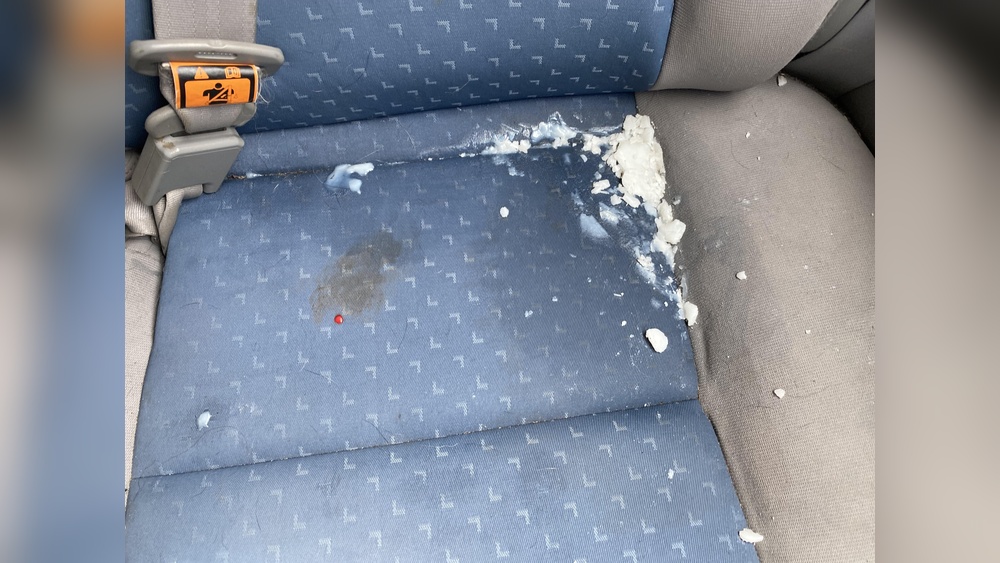
You’ve just enjoyed a cozy night with candles, and now you notice a stubborn wax spot on your car seat. It’s frustrating, right?
That sticky mess can seem impossible to remove, and you might worry it will leave a permanent stain. But don’t panic—there are simple, effective ways to get candle wax off your car seats without damaging the fabric or leather. Keep reading, and you’ll discover easy steps that anyone can follow to restore your car’s interior to its clean, fresh state.
Your car seats will look good as new before you know it!

Credit: www.reddit.com
Identify The Wax Type
Identifying the type of candle wax on your car seat is the first step to remove it properly. Different waxes melt and clean in different ways. Knowing the wax type helps you choose the right cleaning method. This prevents damage to your car seats and saves time.
Hard Wax Vs. Soft Wax
Hard wax is usually from traditional candles. It feels firm and breaks into pieces when cold. Soft wax is often from scented or gel candles. It stays sticky and flexible even when cold. Soft wax is harder to remove because it sticks more.
Colored Wax Or White Wax
Colored wax can stain the fabric or leather of your seat. White or clear wax often leaves less visible marks. Identifying color helps you decide if you need extra stain treatment. Colored wax needs careful cleaning to avoid leaving spots.
Scented Vs. Unscented Wax
Scented wax contains oils and dyes. These can add to the stain or smell in your car. Unscented wax is simpler and easier to clean. Knowing this helps you pick the right solvent or cleaner.
Gel Wax Characteristics
Gel wax is soft and jelly-like. It can spread easily on fabric or leather. Gel wax often needs gentle cleaning methods. Heat can make gel wax melt and stain more, so avoid direct heat.

Credit: www.reddit.com
Prepare The Cleaning Area
Preparing the cleaning area is the first step to remove candle wax from car seats. A clean, organized space helps you work quickly and safely. This preparation protects your car and makes the cleaning process easier.
Clear The Car Seat Area
Remove items from the car seat and floor. Take out seat covers, bags, or toys. A clear area stops dirt from spreading. It also prevents damage to personal belongings.
Gather Cleaning Supplies
Collect everything you need before starting. Use a plastic scraper, paper towels, and a clean cloth. Have rubbing alcohol or a mild cleaner ready. This saves time and keeps the process smooth.
Protect Surrounding Surfaces
Place old towels or newspapers around the seat. This catches any wax drips or cleaning spills. Protects the car’s interior from stains or damage. Keeps your cleaning neat and controlled.
Ventilate The Car
Open windows or doors for fresh air. Good airflow helps remove any strong smells. It also keeps the cleaning chemicals from building up. Makes the space safer and more comfortable.
Remove Excess Wax
Removing excess candle wax from car seats is the first step to a clean surface. Getting rid of large wax pieces helps prevent stains and makes the next steps easier. Use simple tools and cold temperatures to safely lift the wax without damaging the seat.
Start with gentle scraping and then harden the wax to break it off easily. These methods work well on most car seat materials.
Use A Plastic Scraper
Take a plastic scraper or a credit card. Gently scrape off the thick wax pieces. Avoid metal tools to protect your seat from scratches. Work slowly to lift the wax without pushing it deeper into the fabric. Keep the scraper flat and use light pressure for best results.
Apply Ice To Harden Wax
Put ice cubes in a plastic bag. Hold the bag on the wax for a few minutes. The cold makes the wax hard and brittle. Once hardened, the wax breaks easily. This step helps the plastic scraper remove wax without smearing it. Repeat if the wax is thick or soft.
Soften The Wax
Removing candle wax from car seats starts with softening the wax. Soft wax lifts more easily. Hard wax can break apart and spread. Warming the wax makes cleaning smoother. Use gentle heat to avoid damage.
Use A Hairdryer
Set the hairdryer on low or medium heat. Hold it a few inches from the wax spot. Move the dryer in small circles. Watch the wax soften and melt slightly. Avoid high heat to protect seat fabric. Once soft, blot the wax with a cloth. Repeat until most wax loosens.
Apply Warm Towels
Soak a clean towel in warm water. Wring out excess water to avoid dripping. Place the warm towel over the wax spot. Leave it for several minutes to warm the wax. The heat helps wax soften and loosen. Gently press the towel to transfer heat. Remove and check the wax. Repeat as needed for better results.
Clean Wax Residue
Cleaning wax residue from car seats takes patience and the right methods. Wax can leave sticky marks that attract dirt and dust. Removing these marks helps keep your car seats fresh and clean. Use gentle cleaning solutions to avoid damaging the fabric or leather. Below are easy ways to clean wax residue safely.
Use Mild Soap Solution
Mix a few drops of mild dish soap with warm water. Dip a soft cloth into the solution and wring it out well. Gently rub the wax residue in small circles. Avoid soaking the seat with water. Wipe the area with a dry cloth to remove moisture. Repeat if needed until the residue fades away.
Try Rubbing Alcohol
Pour a small amount of rubbing alcohol on a clean cloth. Test on a hidden spot first to check for color changes. Dab the wax stain lightly with the cloth. The alcohol helps break down the wax without harming the seat. Use a dry cloth to blot the area. Work slowly to avoid spreading the wax further.
Apply Vinegar Mixture
Mix equal parts white vinegar and water in a spray bottle. Lightly spray the wax stain and let it sit for a few minutes. Use a soft cloth to rub the spot gently. Vinegar loosens wax and removes sticky residue. Wipe with a dry cloth afterward. Repeat if the wax is stubborn but avoid soaking the seat.
Treat Stains And Discoloration
After removing candle wax from car seats, stains and discoloration may remain. Treating these spots quickly improves your seat’s look. Use gentle methods to avoid damage. Choose a method based on your seat material and stain severity.
Use Upholstery Cleaner
Buy a cleaner made for car upholstery. Test it on a small, hidden area first. Spray the cleaner on the stain. Let it sit for a few minutes. Gently scrub with a soft brush or cloth. Wipe away the residue with a damp cloth. Repeat if needed. Always dry the area with a clean towel.
Try Baking Soda Paste
Mix baking soda with water to make a thick paste. Apply the paste to the stained area. Let it sit for 15 to 20 minutes. Baking soda absorbs stains and odors. Use a soft brush to scrub gently. Wipe off the paste with a damp cloth. Dry the spot with a clean towel. Baking soda is safe for most fabrics.
Dry And Protect Seats
After removing candle wax from your car seats, drying and protecting them is important. Wet or damp seats can develop odors and stains. Proper drying helps keep your car fresh and clean. Protecting the fabric adds a layer of defense against future spills and dirt.
Air Drying Tips
Let the seats dry naturally in fresh air. Open all car doors and windows for good airflow. Avoid using heat directly on the fabric. Heat can shrink or damage the seat material. Use a fan if needed to speed up drying. Make sure the seats feel completely dry before sitting.
Apply Fabric Protector
Use a fabric protector spray made for car seats. This spray creates a barrier against stains and spills. Test the spray on a small hidden spot first. Spray evenly and lightly over the entire seat surface. Let the protector dry fully before using the car again. Reapply the protector every few months for best results.
Prevent Future Wax Spills
Preventing candle wax spills on car seats saves time and effort. Taking simple steps helps keep your seats clean and free from stains. Small habits can stop wax from ruining your car’s interior.
Use Seat Covers
Seat covers protect your car seats from wax spills and other messes. They are easy to remove and clean. Choose covers made from materials that resist stains and heat. Covers act as a shield, keeping wax off your seats. Replace or wash covers regularly to maintain cleanliness.
Handle Candles Carefully
Hold candles steadily while in the car. Avoid placing candles on seats or loose surfaces. Use holders that catch dripping wax. Keep candles away from direct contact with fabrics. Always extinguish candles before moving or storing them in the car.

Credit: www.wikihow.com
Frequently Asked Questions
How Do I Remove Candle Wax From Leather Car Seats?
First, let the wax harden. Then, gently scrape it off with a plastic scraper. Use a warm cloth to wipe any residue. Apply leather cleaner and condition the seat to restore softness.
Can I Use Heat To Remove Wax From Car Seats?
Yes, use a hairdryer on low heat to soften the wax. Blot with a paper towel to lift it. Avoid high heat to prevent damage to the seat material.
What Household Items Clean Wax Off Fabric Car Seats?
Ice cubes to harden the wax, then scrape gently. Use rubbing alcohol or a vinegar solution on a cloth to remove stains. Blot with a clean towel and let dry.
Is It Safe To Use An Iron To Remove Wax?
Yes, but with caution. Place a paper towel over the wax, then lightly press with a warm iron. The wax will melt and transfer to the towel. Avoid direct heat on the seat.
Conclusion
Removing candle wax from car seats takes patience and care. Start by letting the wax harden, then gently scrape it off. Use heat carefully to lift any leftover wax without damage. Clean the area with a mild soap and water solution.
Dry the seat well to avoid stains or smells. Keep these steps in mind for a clean, wax-free seat. Easy and effective—your car will look good again. Simple tips, real results.


