Rust on your brake rotors can cause squeaky brakes, uneven stopping, and even damage to your vehicle. If you’ve noticed rough spots or heard strange noises when you brake, it’s time to take action.
You don’t have to spend a fortune at the mechanic to fix this. You’ll discover simple, effective ways to remove rust from your brake rotors quickly and safely. Keep reading to protect your car and enjoy smoother, quieter rides.

Credit: www.reddit.com
Why Rust Forms On Brake Rotors
Rust often appears on brake rotors after a car sits unused. Moisture in the air meets the metal surface, starting a chemical reaction. This reaction causes the iron in the rotors to oxidize, forming rust. Rust can build up quickly, especially in damp or wet conditions. Understanding why rust forms helps in taking proper care of brake rotors.
Common Causes Of Rotor Rust
Brake rotors are made of cast iron, which easily reacts with water and oxygen. Rain, snow, or even high humidity can trigger rust formation. Cars parked outside without use for days or weeks are more prone to rust. Salt from roads in winter speeds up the rusting process. Small scratches or worn brake pads can expose more metal, increasing rust risk.
Impact On Brake Performance
Rust on rotors affects how brakes work. Light rust may cause a slight noise or vibration when braking. Heavy rust reduces the rotor’s smooth surface, lowering braking efficiency. It can lead to uneven brake pad wear, causing more damage. Rusty rotors might increase stopping distances, risking safety. Regular use or cleaning helps keep rust from building up.

Credit: www.familyhandyman.com
Tools And Materials Needed
Removing rust from brake rotors needs the right tools and materials. Using proper supplies makes the job easier and safer. This section lists everything required for the task.
Essential Cleaning Supplies
Start with a wire brush to scrub off loose rust. Use sandpaper or a sanding block for tougher spots. A brake cleaner spray helps remove dirt and grease. Have clean rags or cloths ready to wipe the surface. A bucket with water is useful for rinsing parts. Keep a plastic scraper handy to remove stubborn rust patches.
Safety Equipment
Wear safety goggles to protect your eyes from debris. Use gloves to keep your hands safe from chemicals and sharp edges. A dust mask prevents inhaling rust particles and brake dust. Dress in old clothes or a protective apron. Ensure good ventilation if working indoors.
Preparing Your Vehicle
Before you start cleaning rust off your brake rotors, prepare your vehicle carefully. This step is important for safety and ease. Proper preparation helps you work without trouble or damage. Follow these simple steps to get your car ready.
Securing The Car
Park your car on a flat surface. Use the parking brake to stop the car from moving. Place wheel chocks behind the wheels. These blocks keep the car steady. Never skip this step. Safety always comes first.
Removing The Wheels
Loosen the lug nuts with a wrench before lifting the car. Use a jack to raise the car. Make sure the jack is under a strong point. Remove the lug nuts completely. Take off the wheels and set them aside. Now you can easily reach the brake rotors.
Removing Rust Manually
Removing rust manually from brake rotors is a simple and effective way to restore their surface. It helps improve braking performance and prevents further damage. This process requires only basic tools and materials you may already have at home.
Manual rust removal works best for light to moderate rust. It allows you to control the cleaning carefully. Safety is important, so wear gloves and eye protection before starting.
Using Sandpaper Or Wire Brush
Start by choosing the right sandpaper grit. Use medium grit like 120 to remove rust quickly. For fine cleaning, switch to a finer grit like 220. Rub the sandpaper evenly over the rusty areas.
A wire brush can also help remove rust. Use a hand-held wire brush or a drill attachment. Brush the surface firmly but gently. This scrapes off rust without damaging the rotor.
Work in circular motions to cover all rusty spots. Wipe the rotor with a clean cloth to remove dust and debris. Repeat sanding or brushing if rust remains.
Applying Rust Remover Solutions
Rust remover solutions dissolve rust chemically. Choose a product made for automotive parts. Follow the instructions on the label carefully.
Apply the rust remover with a brush or spray. Let it sit for the time recommended, usually 10 to 15 minutes. The solution will break down the rust layers.
After waiting, scrub the rotor with a brush to lift rust. Rinse the rotor with water and dry it thoroughly. Use rust remover only in a well-ventilated area for safety.
Cleaning And Inspecting Rotors
Cleaning and inspecting brake rotors is a key step in removing rust safely. This process helps restore smooth braking and extends rotor life. Taking time to clean and check rotors prevents future problems on the road.
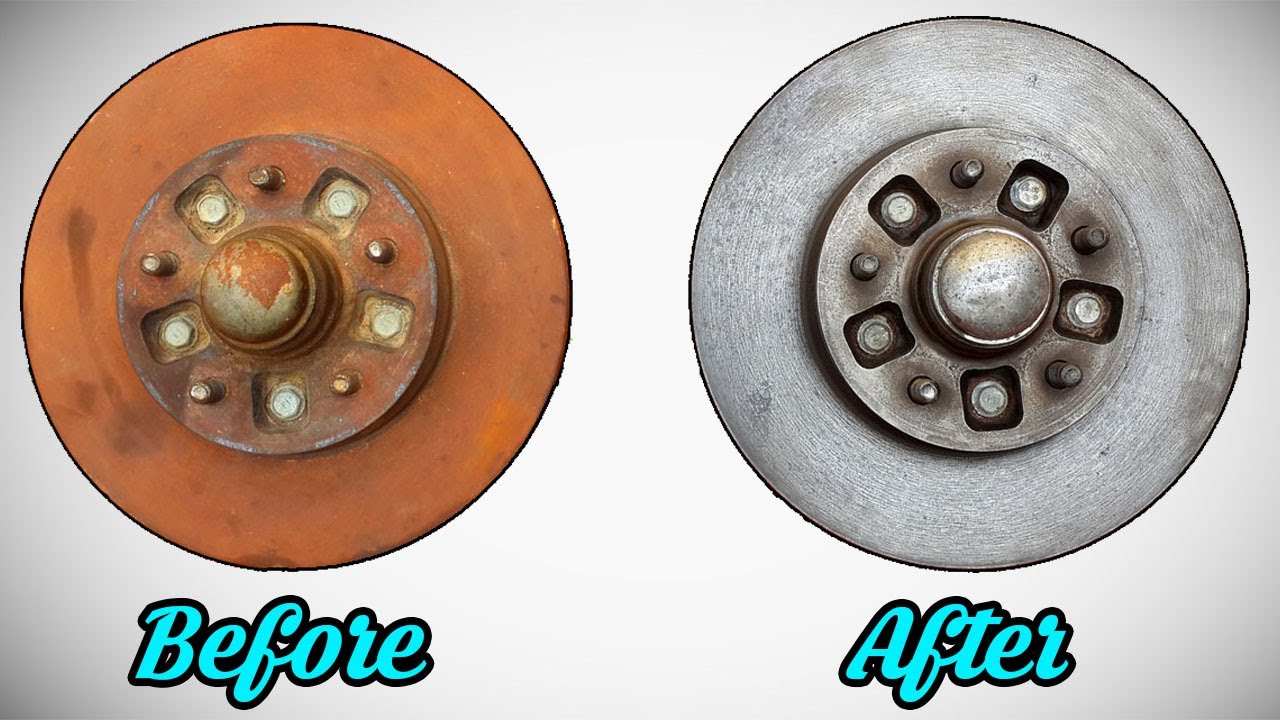
Start with a thorough cleaning to remove dirt, rust flakes, and brake dust. After cleaning, inspect the rotor surface carefully. Look for signs of damage or uneven wear that may need repair or replacement.
Wiping Down And Drying
Use a clean cloth to wipe down the rotor surface. Remove loose rust and dirt gently. Avoid using harsh tools that can scratch the rotor. After wiping, dry the rotors completely with a dry cloth. Moisture left on rotors can cause new rust to form quickly.
Checking For Damage
Look closely for cracks, grooves, or deep rust spots. Small surface rust is normal but heavy damage is unsafe. Check the rotor thickness using a gauge or compare to the manufacturer’s minimum. Warped or too thin rotors must be replaced. Smooth rotors help your brakes work well and last longer.
Credit: www.youtube.com
Reinstalling Wheels And Final Steps
After removing rust from your brake rotors, putting the wheels back on is the next important step. This part ensures your car is ready to drive safely. Taking care during reinstallation helps avoid problems like wheel wobble or brake issues. Follow these steps carefully to finish the job right.
Properly Mounting The Wheels
Place the wheel onto the hub carefully. Align the holes with the wheel studs. Hand-tighten the lug nuts to hold the wheel in place. Use a torque wrench to tighten the nuts in a star pattern. This ensures even pressure and prevents warping. Check the vehicle’s manual for the correct torque settings. Never fully tighten one lug nut before the others.
Test Driving For Safety
Start with a slow drive in a safe area. Listen for strange noises or vibrations. Test the brakes gently at first to check response. Make sure the car stops smoothly and evenly. If you feel any shaking or hear grinding, stop immediately. Recheck the wheel installation and brake condition. A careful test drive confirms your work is done well.
Preventing Future Rust Build-up
Rust on brake rotors can reduce their lifespan and affect braking performance. Preventing rust build-up keeps your vehicle safe and your rotors in good shape. Simple steps can stop rust before it forms. Regular care and smart storage help maintain your rotors’ condition longer.
Regular Maintenance Tips
Clean your brake rotors often with a soft brush or cloth. Remove dirt and dust that hold moisture. Check the rotors for rust spots every few weeks. Drive your car regularly to heat the rotors and dry off moisture. Avoid parking your car in wet or humid places for long times. Use rust-resistant sprays designed for brake parts. Replace brake pads on time to prevent rotor damage.
Best Practices For Storage
Store your car in a dry, covered place. Avoid areas with high humidity or rain exposure. Use a car cover that allows air flow to prevent moisture build-up. Keep the rotors dry before storage by wiping them clean. If storing for months, consider removing the wheels and applying a light coat of oil on rotors. Check the rotors regularly during storage to catch rust early. Proper storage reduces rust risk and keeps rotors ready to use.
Frequently Asked Questions
How Do I Remove Rust From Brake Rotors At Home?
Use a wire brush or sandpaper to scrub off rust gently. Apply brake cleaner to dissolve rust residue. Repeat until the surface is smooth and rust-free.
Can Rust On Brake Rotors Affect Braking Performance?
Yes, rust can reduce braking efficiency by causing uneven contact. It may lead to vibrations, noise, and longer stopping distances.
Is It Safe To Drive With Rusty Brake Rotors?
Light surface rust is usually safe and wears off quickly. However, heavy rust can compromise safety and requires immediate attention.
What Tools Are Best For Cleaning Rusty Brake Rotors?
Wire brushes, sandpaper, and brake cleaner sprays work best. These tools effectively remove rust without damaging the rotor surface.
Conclusion
Rust on brake rotors can cause noise and reduce braking power. Regular cleaning keeps rotors smooth and safe. Use simple tools like sandpaper or a wire brush to remove rust. Always wear gloves and eye protection during the process. Clean rotors help your brakes work better and last longer.
Taking time to maintain them saves money on repairs. Keep checking your brakes regularly to spot rust early. Safe driving starts with well-maintained brake parts. Simple steps can make a big difference for your vehicle’s safety.