

Struggling to get your fuel filter off? You’re not alone.
Removing a fuel filter can feel tricky, especially if you don’t have the right tips or tools. But don’t worry—once you know the simple steps, you’ll save time, avoid damage, and get your vehicle running smoothly again. Keep reading, and you’ll discover exactly how to remove your fuel filter quickly and safely.
Your car—and your peace of mind—will thank you.
Tools Needed
Removing a fuel filter requires the right tools to make the job safe and easy. Using proper equipment helps avoid damage and saves time. Gather everything before starting to work on your vehicle.
Essential Equipment
First, you need a wrench or socket set that fits the fuel filter bolts. A pair of pliers helps remove hose clamps. Have a container ready to catch fuel spills. Gloves protect your hands from fuel and dirt. Safety glasses shield your eyes from splashes.
Optional Tools For Stubborn Filters
Sometimes filters are tight or stuck. Use a fuel filter wrench designed for tough filters. A flathead screwdriver can pry loose clamps gently. Penetrating oil helps loosen rusted parts. A rag or towel cleans up spills quickly.

Credit: www.reddit.com
Prepare Your Vehicle
Start by turning off the engine and letting it cool down. Gather tools like gloves and wrenches to avoid spills and injuries. Make sure the area is clean and well-lit before removing the fuel filter.
Safety Precautions
Start by parking your vehicle on a flat surface. Engage the parking brake to stop any movement. Make sure the engine is cool to avoid burns. Wear safety gloves and goggles to protect your skin and eyes. Keep a fire extinguisher nearby in case of fuel spills. Work in a well-ventilated area to avoid inhaling fumes. Avoid open flames or sparks near the fuel system. Disconnect the vehicle’s battery to prevent electrical sparks. Take your time and stay focused on safety.
Locate The Fuel Filter
Check your vehicle’s manual for the exact fuel filter location. Common places include near the fuel tank or along the fuel line under the car. Some filters sit in the engine bay. Look for a small cylindrical part connected to the fuel line. It may be held by clamps or brackets. Clean the area around the filter to keep dirt out. Knowing the filter’s location saves time and effort during removal.
Release Fuel Pressure
Before removing the fuel filter, releasing the fuel pressure is important. Fuel systems are under high pressure. This pressure can spray fuel if not released. It can cause injury and make a mess. Taking time to depressurize the system keeps you safe. It also protects your vehicle’s fuel system parts from damage.
Methods To Depressurize
One common method is to remove the fuel pump fuse or relay. Start the engine and let it run until it stops. This uses up the fuel pressure in the lines. Another way is to use the fuel pressure test port. Press the valve slowly with a small tool. Fuel will release safely into a container. Some cars have a manual release valve near the fuel filter. Check your vehicle manual for the exact location. Always wear gloves and eye protection during this process.
Signs Fuel Pressure Is Released
The engine will stop running after fuel pressure drops. No fuel spray comes out when pressing the fuel valve. You may hear a small hiss sound as pressure escapes. Fuel lines feel less firm and more flexible. These signs show the system is safe to work on. Do a quick double check before starting to remove the fuel filter.
Remove Fuel Lines
Removing fuel lines is a key step in taking off a fuel filter. These lines carry fuel, so handle them with care. Proper removal helps avoid damage and leaks.
Work slowly and carefully. Fuel lines connect to clips and fittings that hold them tight. Knowing how to disconnect these parts makes the job easier and safer.
Disconnecting Clips And Fittings
Start by locating the clips that hold the fuel lines to the filter. These clips may be plastic or metal. Use a flat tool or your fingers to press or pry them gently.
After loosening the clips, pull the fuel line straight off the fitting. Avoid twisting or bending the lines. This prevents damage and keeps the seal intact.
Some fittings may need a special tool to release. Check your vehicle’s manual for details. Take your time to avoid breaking the clips or fittings.
Handling Fuel Spillage
Fuel can spill when disconnecting lines. Prepare by placing a cloth or container under the connection. This catches any drips and keeps your work area clean.
Wear gloves and eye protection to stay safe. Fuel is flammable and can irritate skin. Clean spills immediately to avoid hazards.
Work in a well-ventilated space. This reduces fumes and helps keep you safe during the process.
Loosen And Remove Filter
Removing a fuel filter is a common task in vehicle maintenance. This step is crucial for keeping your engine clean and running smoothly. The key part is loosening and removing the old filter safely. Doing this right prevents damage and fuel leaks. Take your time and follow simple methods to get the filter off easily.
Techniques For Easy Removal
Start by relieving fuel system pressure to avoid spills. Use a wrench or a special filter tool to turn the filter counterclockwise. Grip the filter firmly but gently. If the filter has a plastic housing, avoid squeezing too hard. Turning slowly helps break the seal without damaging the filter or connections. Work in a clean area to catch any dripping fuel. Keep a rag handy to wipe spills immediately.
Dealing With Stuck Filters
Filters can get stuck due to dirt or rust. Spray some penetrating oil around the filter base. Let it sit for 5 to 10 minutes. Use a filter wrench with good leverage. If the filter still won’t budge, tap gently with a rubber mallet. Avoid using too much force to prevent damage. Warming the filter slightly with a heat gun can also help loosen it. Always wear gloves and eye protection during this step.

Credit: www.reddit.com
Inspect And Replace Seal
Inspecting and replacing the seal is an important step in removing a fuel filter. The seal keeps fuel from leaking out and stops dirt from getting in. A damaged seal can cause leaks and engine problems. Check the seal carefully to see if it is worn, cracked, or hard.
Replace the seal if you find any damage. Using a new seal ensures a tight fit. This step helps your fuel system work well and stay clean.
Check O-rings And Gaskets
Look closely at the O-rings and gaskets around the fuel filter. These parts act as seals too. They can wear out or break with time. Remove them gently to avoid damage. Use a clean cloth to wipe away dirt and old fuel. Replace any O-rings or gaskets that seem cracked or squished. Using fresh ones prevents fuel leaks and keeps the filter secure.
Proper Seal Installation
Place the new seal carefully in its groove. Make sure it fits flat and snug. Avoid twisting or stretching the seal too much. This can cause leaks later. Align the fuel filter properly before pushing it into place. Press evenly to avoid pinching the seal. A good seal installation stops fuel leaks and protects your engine.
Reinstall New Filter
Reinstalling a new fuel filter is a critical step after removing the old one. It ensures your engine gets clean fuel without dirt or debris. Proper installation helps maintain your vehicle’s performance and prevents fuel leaks. Follow simple steps carefully to place the new filter correctly and safely.
Aligning And Securing
Start by checking the new filter’s flow direction. Most filters have an arrow showing fuel flow direction. Align this arrow with the fuel line’s flow on your vehicle. Fit the filter into its mounting bracket. Press firmly but gently to avoid damage. Use clips or screws to secure the filter tightly. A loose filter can cause leaks or poor fuel delivery.
Reattach Fuel Lines
Next, connect the fuel lines to the filter’s inlet and outlet ports. Push the lines fully onto the filter’s connectors. Use clamps or quick-connect fittings to hold the lines in place. Make sure connections are tight to prevent fuel leaks. Double-check for any signs of damage or wear on the lines before attaching. Proper reattachment ensures smooth fuel flow and safe operation.
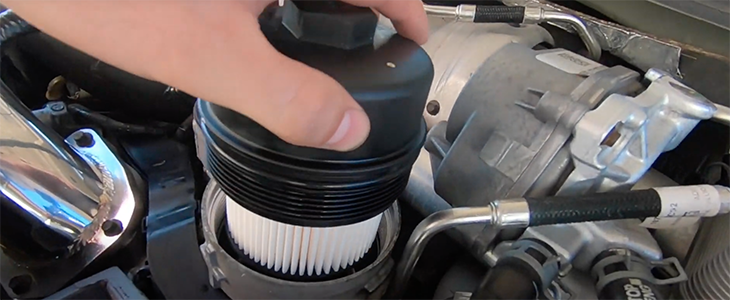
Credit: ecogard.com
Test For Leaks
Testing for leaks is a crucial step after removing or replacing a fuel filter. Even a small leak can cause fuel loss or engine problems. Carefully checking connections helps ensure the system is sealed and safe. This step prevents issues before they start.
Start Engine And Check Connections
Turn on the engine and watch the fuel filter area closely. Look for any signs of dripping fuel or wet spots around the fittings. Listen for unusual sounds like hissing, which may indicate escaping fuel vapor. Keep the engine running for a few minutes to see if leaks appear under pressure. Tighten connections gently if you spot any leaks. Avoid overtightening to prevent damaging the filter or fittings.
Troubleshooting Common Issues
Leaks often come from loose or damaged fittings. Check if the fuel lines are properly seated on the filter. Inspect the O-rings or seals for cracks or wear. Replace any worn parts before restarting the engine. Dirt or debris in connections can cause leaks too. Clean the area thoroughly before reattaching parts. If leaks persist, consider consulting a mechanic to avoid safety risks.
Maintenance Tips
Keeping your fuel filter in good shape helps your vehicle run smoothly. Regular maintenance avoids engine problems and saves money. Simple care can extend the life of your filter and improve fuel efficiency.
Knowing when and how to care for your fuel filter is key. Follow these tips to keep your filter working well and your engine protected.
When To Replace Fuel Filter
Change the fuel filter every 20,000 to 30,000 miles. Check your car’s manual for exact times. Signs like rough idling or poor acceleration mean it might be time. A clogged filter can stop fuel flow and harm the engine.
Extending Filter Life
Use clean fuel to help your filter last longer. Avoid running your tank too low, which can cause dirt to enter the filter. Regularly check for leaks or damage around the filter area. Replace the filter immediately if you see cracks or corrosion.
Frequently Asked Questions
How Do I Safely Remove A Fuel Filter?
Turn off the engine and relieve fuel system pressure first. Wear gloves and eye protection. Use proper tools to loosen clamps or fittings, then carefully detach the filter to avoid fuel spills.
What Tools Are Needed To Get A Fuel Filter Off?
You typically need a wrench or socket set, screwdrivers, and possibly special fuel line disconnect tools. Having a container ready to catch any fuel is also important.
How Long Does It Take To Remove A Fuel Filter?
Removing a fuel filter usually takes 15 to 30 minutes. Time varies based on vehicle type and filter location. Preparation and proper tools speed up the process.
Can I Remove A Fuel Filter Without Draining Fuel?
Yes, you can remove it without draining the entire tank. Relieve fuel pressure and use a container to catch any spilled fuel. Always work in a well-ventilated area.
Conclusion
Removing a fuel filter does not have to be hard. Follow the steps carefully and use the right tools. Take your time to avoid damage or spills. Clean work space helps keep things safe and easy. Checking the filter condition regularly keeps your engine healthy.
With practice, this task becomes quick and simple. Keep learning to maintain your vehicle better. Stay patient and work carefully for best results.


