

Have you ever looked at your mirrors and wished they had a fresh, stylish look without spending a fortune? Vinyl wrapping your mirrors is a simple and affordable way to transform their appearance instantly.
Imagine giving your space a sleek, modern edge or adding a splash of color with just a few easy steps. In this guide, you’ll discover how to vinyl wrap mirrors like a pro, even if you’ve never tried it before.
Ready to turn your plain mirrors into eye-catching pieces? Keep reading to learn the secrets that will make your project smooth and successful.
Choosing The Right Vinyl
Choosing the right vinyl is a key step in wrapping mirrors. The right vinyl makes the process easier and gives a better look. It also helps the wrap last longer and stay smooth without bubbles or wrinkles.
Consider the type, color, finish, and quality of the vinyl before buying. These factors affect how your wrapped mirror will look and hold up over time.
Types Of Vinyl Wraps
There are several types of vinyl wraps. Cast vinyl is thin and flexible. It curves easily around shapes like mirrors. Calendered vinyl is thicker and less flexible. It works best on flat surfaces.
Choose cast vinyl for smooth, curved mirrors. It stretches well and fits tightly. Calendered vinyl suits flat mirrors or simple shapes.
Color And Finish Options
Vinyl wraps come in many colors. Pick a color that matches your room or style. Finishes vary too. Glossy finishes reflect light and look shiny. Matte finishes reduce glare and look soft.
There are also textured finishes like brushed metal or carbon fiber. These add a unique style. Choose a finish that fits your taste and the mirror’s purpose.
Durability And Quality
High-quality vinyl lasts longer and resists damage. Cheap vinyl can peel or fade quickly. Look for vinyl with UV protection to avoid color fading.
Good vinyl also resists water and scratches. This keeps your mirror wrap looking fresh. Investing in quality vinyl saves time and money in the long run.

Credit: carlikewrap.com
Preparing The Mirror Surface
Preparing the mirror surface is a key step before applying vinyl wrap. A clean and smooth mirror ensures the vinyl sticks well. It also prevents bubbles and wrinkles. Take time with this step for the best results.
Cleaning Techniques
Start by wiping the mirror with a soft cloth. Use a mild cleaner or soapy water. Avoid harsh chemicals that can damage the mirror. Clean in gentle, circular motions. This removes dirt and grime without scratching.
Removing Dust And Grease
Dust and grease stop the vinyl from sticking properly. Use a lint-free cloth with rubbing alcohol. Gently rub the surface to lift any oily spots. Let the mirror dry completely before moving on.
Ensuring A Smooth Base
Check the mirror for any bumps or rough areas. Sand lightly if needed, then clean again. A smooth base helps the vinyl lay flat. This step prevents peeling and extends the wrap’s life.
Measuring And Cutting The Vinyl
Measuring and cutting vinyl for mirrors is a key step in the wrapping process. It requires careful attention to detail to avoid mistakes. Precise measurements help the vinyl fit perfectly without wrinkles or bubbles. Cutting the vinyl with accuracy saves time and material. This step ensures the final look is smooth and professional.
Accurate Measurements
Start by measuring the mirror’s exact size. Use a flexible tape measure for curves and edges. Write down the height and width in centimeters or inches. Add a small margin, about 2 cm, to the measurements. This extra space helps during application and trimming. Double-check your numbers before cutting the vinyl.
Cutting Tips For Precision
Place the vinyl on a clean, flat surface before cutting. Use a sharp utility knife or vinyl cutter for clean edges. Cut slowly and steadily along your marked lines. Avoid rushing to prevent jagged or uneven cuts. Keep your hands steady and use a ruler for straight lines. Dispose of scrap vinyl safely to keep your workspace tidy.
Handling Curved Edges
Curved mirrors need special care during measurement and cutting. Mark curves lightly with a pencil or chalk on the vinyl’s backing paper. Cut just outside the curved line to leave room for adjustment. Stretch the vinyl gently around the curves during application. Use a soft squeegee to smooth out wrinkles. Cutting with care makes wrapping curved mirrors easier and cleaner.

Credit: www.youtube.com
Applying The Vinyl Wrap
Applying the vinyl wrap to mirrors requires patience and attention. This step shapes the final look and ensures durability. Proper application makes the wrap smooth and neat. Follow simple techniques to avoid bubbles and wrinkles.
Starting From The Center
Place the vinyl wrap in the mirror’s center. Align it carefully to cover the whole surface. Press down gently to hold it in place. This method helps spread the wrap evenly outwards. It reduces the chance of misalignment or folds.
Using A Squeegee For Smooth Application
A squeegee is a key tool for applying vinyl wrap. Use it to press the wrap flat against the mirror. Move the squeegee from the center to the edges. This removes trapped air and smooths the surface. Work slowly to avoid stretching or tearing the vinyl.
Managing Air Bubbles And Wrinkles
Air bubbles and wrinkles can spoil the finish. To fix small bubbles, gently lift the wrap and reapply it. For wrinkles, smooth them out with the squeegee. Use a pin for stubborn bubbles and press them flat. Careful handling ensures a flawless, clean wrap.
Trimming And Finishing Touches
Trimming and finishing touches are key steps in vinyl wrapping mirrors. These steps ensure a neat and lasting result. Proper trimming removes extra vinyl without damaging the mirror. Finishing touches protect edges and give a smooth look. Follow simple methods to complete your project with care.
Safe Trimming Techniques
Use a sharp craft knife or blade for clean cuts. Cut slowly and steadily along the mirror edge. Avoid pressing too hard to prevent scratches. Keep your fingers clear of the blade path. Trim a little at a time to avoid mistakes. Use a straight edge as a guide for accuracy.
Sealing The Edges
Apply edge sealer or clear tape on trimmed parts. This stops peeling and protects against dust and moisture. Press the sealer firmly to stick well. Make sure the edges are fully covered. Sealing improves durability and keeps the wrap tight.
Final Inspection
Check all edges for loose spots or bubbles. Smooth out any air trapped under the vinyl. Look for uneven cuts or exposed mirror areas. Fix problems by trimming or resealing as needed. A careful inspection ensures a perfect finish and long-lasting wrap.
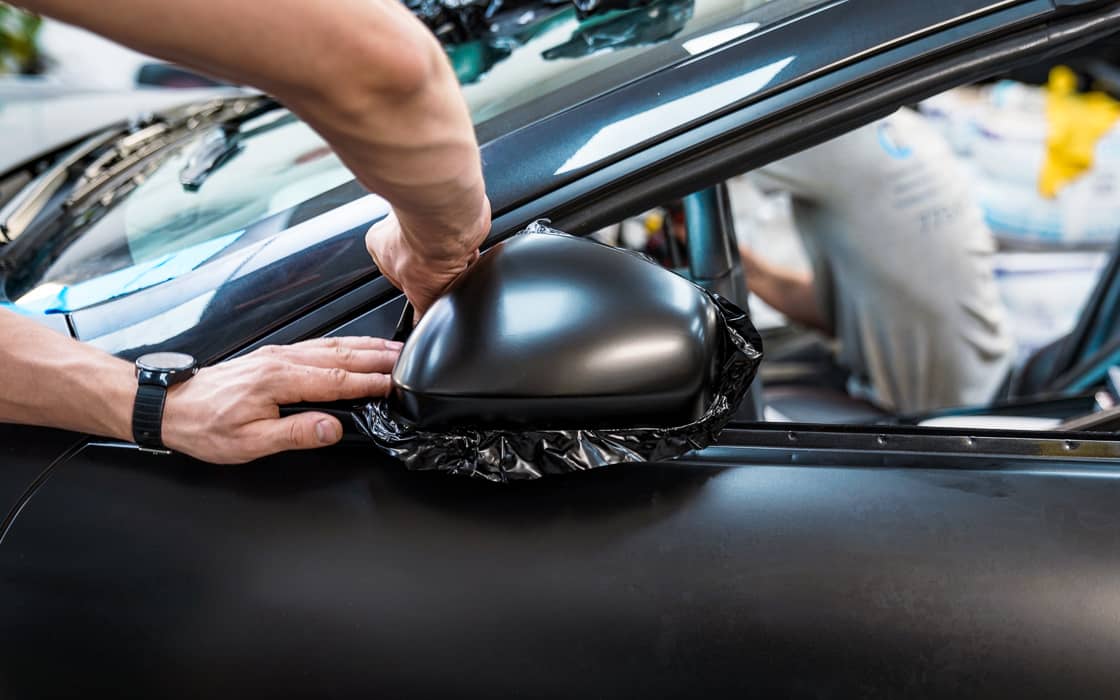
Credit: www.tintingchicago.com
Maintaining Your Wrapped Mirror
Maintaining your vinyl wrapped mirror helps keep it looking fresh and new. Proper care extends the life of the wrap and protects its appearance. Small daily habits make a big difference in keeping the wrap smooth and shiny.
Cleaning Tips
Use a soft cloth or sponge for cleaning. Avoid rough materials that can scratch the vinyl. Clean the mirror gently with mild soap and water. Do not use harsh chemicals or abrasive cleaners. Dry the surface with a clean, soft towel to prevent water spots.
Avoiding Damage
Keep sharp objects away from the wrapped mirror. Avoid placing heavy items on the mirror’s edges. Do not expose the wrap to direct sunlight for long periods. High heat can cause the vinyl to peel or fade. Handle the mirror carefully during moves or cleaning.
Long-term Care
Check the wrap regularly for bubbles or peeling edges. Small bubbles can be pushed out gently with a soft cloth. Fix any loose edges quickly to stop further damage. Store the mirror in a cool, dry place when not in use. Regular care keeps your wrapped mirror beautiful for years.
Frequently Asked Questions
How Do I Prepare Mirrors For Vinyl Wrapping?
Clean the mirror surface thoroughly to remove dust, grease, and fingerprints. Use rubbing alcohol and a lint-free cloth. Ensure the surface is dry before applying vinyl for the best adhesion and smooth finish.
What Tools Are Needed To Vinyl Wrap Mirrors?
You need vinyl wrap film, a heat gun or hairdryer, a squeegee, a utility knife, and a microfiber cloth. These tools help in applying the vinyl smoothly and trimming excess for a clean look.
Can Vinyl Wrap Damage Mirror Surfaces?
No, vinyl wrap does not damage mirrors if applied and removed carefully. Use gentle heat to remove and avoid pulling aggressively to prevent any adhesive residue or surface damage.
How Long Does Vinyl Wrap Last On Mirrors?
Vinyl wrap on mirrors typically lasts 3 to 5 years with proper care. Avoid exposure to harsh chemicals and excessive moisture to maintain longevity and appearance.
Conclusion
Vinyl wrapping mirrors is a simple way to change their look. Clean the surface well for the best results. Take your time to apply the vinyl smoothly. Avoid air bubbles by pressing firmly as you go. Use a sharp blade to trim the edges carefully.
This project does not need special skills. You can refresh old mirrors without buying new ones. Enjoy your new, stylish mirrors in any room. Try different colors or patterns for a unique touch. Small changes can make a big difference.
Give it a go and see the results yourself.


