

Choosing the right fuel filter for your vehicle might seem simple, but the micron rating can make a huge difference in performance and engine health. You may wonder, “How many microns should my fuel filter be?” Picking the wrong size can lead to clogged filters or allow harmful particles to damage your engine.
This guide will help you understand what micron ratings mean and how to choose the perfect filter for your needs. Keep reading to protect your engine and get the best fuel efficiency possible.
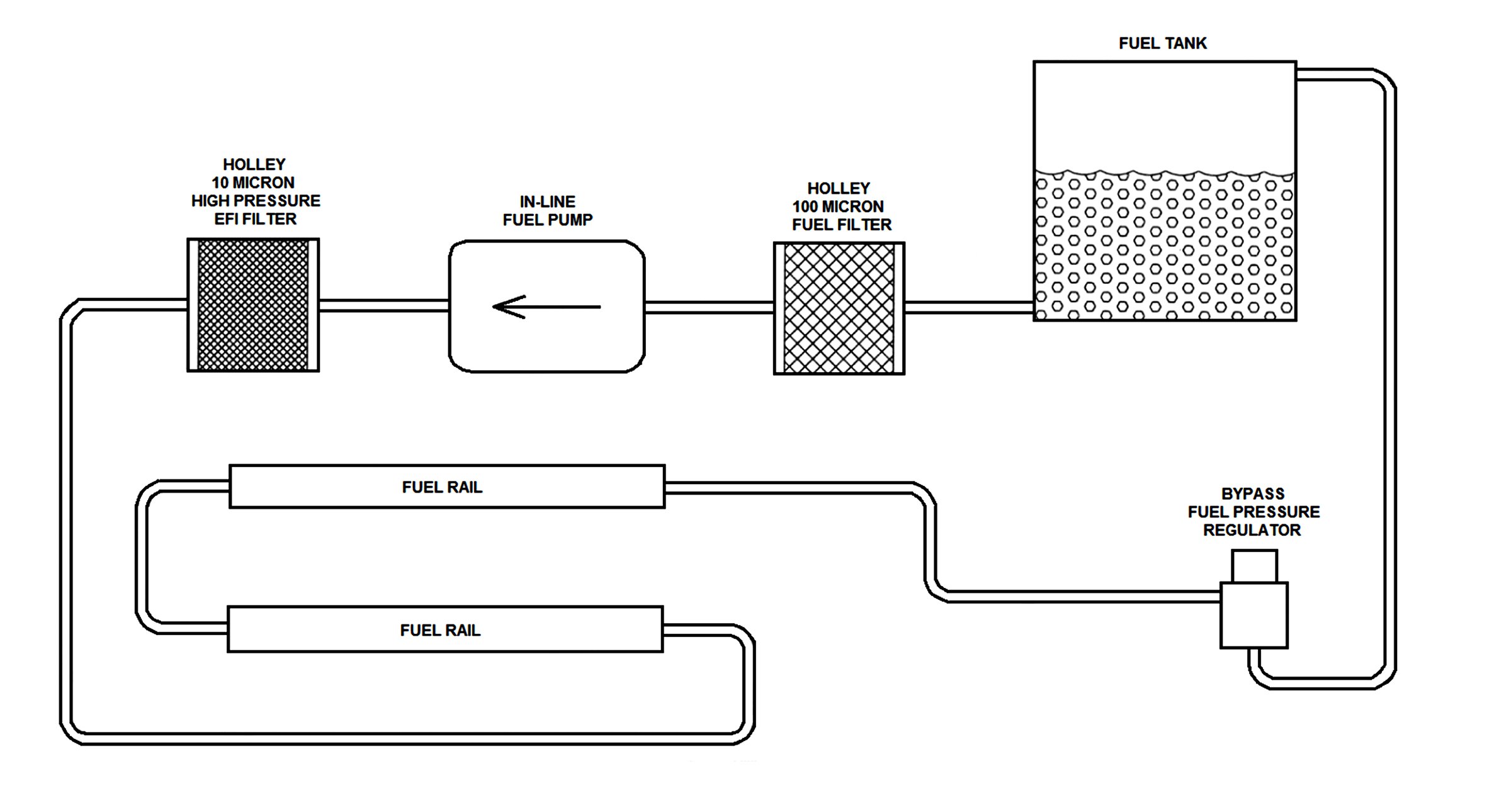
Credit: www.holley.com
Fuel Filter Basics
Understanding the basics of a fuel filter helps keep your engine safe. Fuel filters clean the fuel before it reaches the engine. They stop dirt, rust, and other particles from entering. Clean fuel means better engine performance and fewer repairs.
Role Of A Fuel Filter
The fuel filter’s job is to catch harmful particles. It protects the fuel injectors and the engine parts. Without a filter, dirty fuel can cause engine damage. The filter helps the engine run smoothly and last longer.
Types Of Fuel Filters
Fuel filters come in different types and sizes. The most common are paper, mesh, and charcoal filters. Paper filters trap small particles well. Mesh filters are reusable and easy to clean. Charcoal filters help remove fuel odors and impurities.
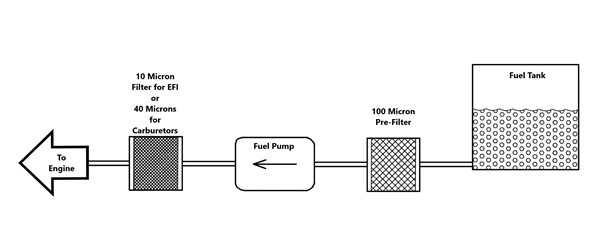
Credit: help.summitracing.com
Micron Ratings Explained
Understanding micron ratings helps you choose the right fuel filter. Micron size shows how small the filter’s openings are. These openings catch dirt and particles in the fuel.
Choosing the correct micron rating protects your engine. It keeps fuel clean and prevents damage. The smaller the micron, the finer the filtration.
What Does Micron Mean?
A micron is a unit of measurement. It equals one-millionth of a meter. This tiny size measures particles in fuel filters. A filter with a 10-micron rating stops particles larger than 10 microns.
Micron ratings tell you the filter’s ability to catch dirt. Lower numbers mean finer filtration. Higher numbers mean larger particles can pass through.
Common Micron Sizes
Fuel filters come in many micron sizes. Common ratings include 10, 30, and 50 microns. A 10-micron filter blocks very small particles. It offers better engine protection but can clog faster.
Filters with 30 or 50 microns let more particles pass. They last longer but offer less protection. The right size depends on your engine and fuel quality.
Choosing The Right Micron Size
Choosing the right micron size for your fuel filter is important. It affects how well your engine runs and how long it lasts. The micron size tells you how small the particles the filter can catch are.
A smaller micron size means the filter catches finer dirt. But it can also slow down fuel flow if too small. Picking the right size balances cleaning with fuel flow.
Factors Affecting Micron Selection
Fuel type plays a big role in choosing micron size. Diesel fuel often needs finer filtration than gasoline. Driving conditions also matter. Dusty or dirty environments need smaller micron filters.
Engine type affects the choice too. High-performance engines may need finer filters to protect sensitive parts. Older engines might handle larger particles better. Your driving habits also count. Frequent short trips might need better filtration.
Vehicle Manufacturer Recommendations
Check your vehicle’s manual for fuel filter specs. Manufacturers know what works best for their engines. They set micron sizes to protect the fuel system and engine parts.
Using the recommended micron size keeps your warranty valid. It also helps avoid damage or poor engine performance. Always follow the manufacturer’s advice for the best results.
Impact Of Micron Size On Performance
The micron size of a fuel filter plays a big role in how well your engine runs. It controls the size of particles that get caught before fuel reaches the engine. Choosing the right micron size helps keep the engine clean and working smoothly.
Too large a micron size means more dirt can pass through. Too small a size can block the filter quickly. Both cases affect the engine’s performance and fuel system health.
Fuel Flow And Engine Efficiency
Smaller micron filters catch finer particles. This protects the engine parts better. But smaller pores slow down fuel flow. Reduced fuel flow can lower engine power and efficiency.
Larger micron filters allow faster fuel flow. This keeps the engine running strong. Yet, bigger pores let more dirt reach the engine. Dirt buildup harms fuel injectors and reduces engine life.
Filter Clogging And Maintenance
Filters with very small microns clog quickly. They need frequent cleaning or replacement. Clogged filters reduce fuel flow and stress the fuel pump.
Filters with larger microns clog slower. They last longer before needing service. But they offer less protection against fine dirt and debris.
Selecting the right micron size balances protection with filter life. This saves time and keeps the engine healthy.
Micron Size For Different Fuel Types
Choosing the right micron size for your fuel filter depends on the type of fuel your engine uses. Different fuels carry different amounts and sizes of dirt and particles. Using the correct micron size helps protect your engine from damage and keeps it running smoothly. Below, we discuss the best micron sizes for various fuel types.
Gasoline Engines
Gasoline engines usually require fuel filters with a micron size between 10 and 20 microns. Gasoline is cleaner than diesel but still contains small particles. A filter in this range catches dirt without restricting fuel flow. Filters smaller than 10 microns may clog quickly, causing engine issues.
Diesel Engines
Diesel fuel contains more impurities and water than gasoline. Diesel engines need finer filters, often between 2 and 10 microns. These filters trap tiny particles and water droplets that can harm fuel injectors. Choosing a filter with the right micron rating extends engine life and improves performance.
Alternative Fuels
Alternative fuels like ethanol, biodiesel, or propane have different cleanliness levels. Filters for these fuels usually range from 5 to 15 microns. Biodiesel can carry more debris, so smaller micron filters work best. For propane, filters are less critical but still protect the fuel system from contaminants.
Signs Of A Failing Fuel Filter
A fuel filter stops dirt and particles from entering the engine. Over time, it can get clogged and fail. Recognizing the signs of a failing fuel filter helps protect your vehicle. Catching problems early saves money and prevents bigger damage.
Performance Issues
A clogged fuel filter reduces fuel flow. Your engine may hesitate or stall. The car might start hard or lose power on hills. You could notice rough idling or poor acceleration. These signs point to poor fuel delivery.
Fuel System Damage Risks
A bad fuel filter lets dirt reach the engine parts. This dirt can damage fuel injectors and pumps. Repairing these parts costs much more than changing a filter. Protect your engine by replacing the fuel filter on time.
Replacing And Maintaining Fuel Filters
Replacing and maintaining fuel filters keeps your engine running smoothly. A clean fuel filter stops dirt and rust from entering the engine. This prevents damage and keeps fuel flowing well. Regular maintenance saves money and avoids engine problems later.
Replacement Frequency
Fuel filters should be replaced based on miles or time. Most experts say every 20,000 to 30,000 miles is good. Check your vehicle’s manual for exact recommendations. Dirty fuel filters reduce fuel flow and lower engine power. Changing filters on time keeps your car healthy and efficient.
Diy Vs Professional Service
Changing a fuel filter yourself can save money. Basic tools and a little knowledge are enough. Always work in a safe place and follow instructions carefully. Some cars have filters that are hard to reach or need special tools. In those cases, a professional mechanic can do the job faster and safer. Professionals also check for other fuel system problems during service.

Credit: www.speedwaymotors.com
Frequently Asked Questions
What Micron Size Is Best For Fuel Filters?
A 10 to 30-micron fuel filter is ideal for most vehicles. It effectively removes dirt and debris, protecting the engine without restricting fuel flow. Always check your vehicle’s manual for manufacturer recommendations on micron size for optimal performance.
How Does Micron Rating Affect Fuel Filter Performance?
Micron rating indicates the filter’s particle size removal capability. Lower micron filters catch smaller particles but may reduce fuel flow. Higher micron filters allow better flow but trap larger contaminants. Choose a filter balancing protection and fuel efficiency based on your engine’s needs.
Can A Smaller Micron Filter Improve Engine Life?
Yes, smaller micron filters trap finer particles, reducing engine wear and damage. However, too small a micron rating can clog quickly, impairing fuel delivery. Select a filter micron size that provides protection without compromising fuel system performance.
When Should I Change My Fuel Filter Micron Size?
Change micron size if your engine suffers from clogging or poor performance. Upgrading to a finer filter can improve protection for older engines. Always follow your vehicle’s maintenance schedule and consult a mechanic before altering filter specifications.
Conclusion
Choosing the right micron size for your fuel filter protects your engine well. Smaller microns catch finer dirt but may reduce fuel flow. Larger microns allow better flow but catch less debris. Balance is key for good performance and fuel efficiency.
Check your vehicle’s manual or ask a mechanic for advice. Clean fuel means a healthy engine and longer life. Keep your filter in good shape to avoid costly repairs. Simple steps make a big difference in your vehicle’s health.


