
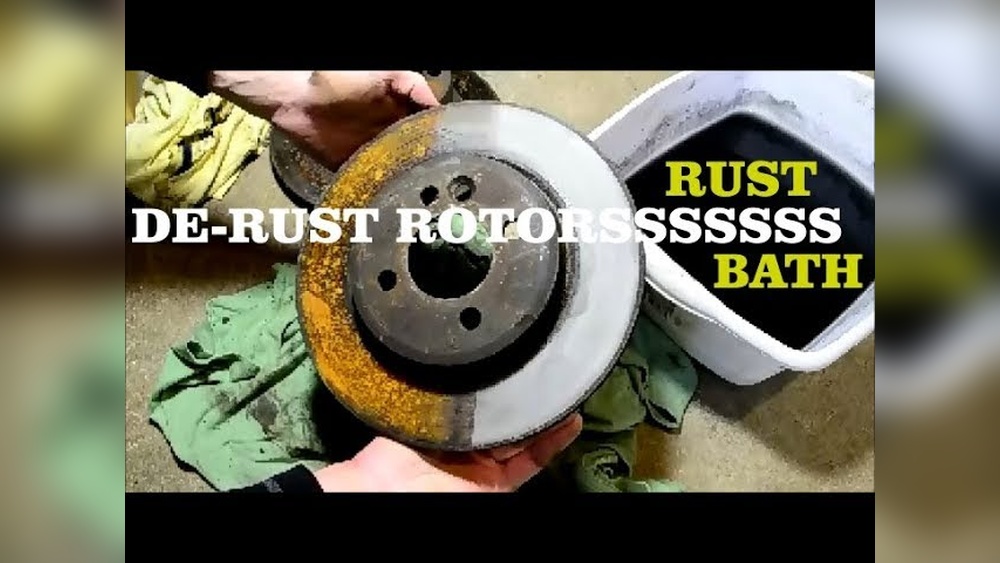
Have you noticed a rough, rusty layer forming on your brake rotors? That stubborn rust can affect your car’s braking performance and make your drives less safe.
But don’t worry—removing rust from your brake rotors is easier than you might think. You’ll discover simple, effective ways to get your rotors clean and smooth again. Keep reading, and you’ll learn how to protect your brakes and keep your car running safely.

Credit: www.reddit.com
Causes Of Rust On Brake Rotors
Rust on brake rotors is a common issue that many car owners face. It happens when the metal surface reacts with water and oxygen. This reaction forms a layer of rust, which can reduce braking efficiency. Understanding why rust forms helps prevent and fix it. Several factors cause rust buildup on brake rotors.
Moisture Exposure
Brake rotors are made of metal, which reacts easily with water. Rain, snow, and even humidity expose rotors to moisture. Water trapped on the rotor surface starts the rusting process. Cars parked outside or in damp areas face higher rust risks. Even washing your car and not driving right after can leave moisture on rotors.
Lack Of Use
When a car sits idle for a long time, rust can form quickly. Without regular driving, the brake pads do not scrape off the surface rust. The thin protective layer on rotors disappears without friction. This allows rust to build up and cover the rotors completely. Regular driving helps keep the rotors clean and rust-free.
Environmental Factors
Road salt used in winter speeds up rust formation. Salt attracts moisture and causes metal to corrode faster. Coastal areas with salty air increase rust risks too. Dust, dirt, and pollution can mix with moisture and worsen rust buildup. These factors make brake rotors more vulnerable to corrosion over time.
Safety Precautions Before Cleaning
Cleaning rust off brake rotors needs care and attention. Safety is the top priority before starting. Taking the right precautions protects you from injury and damage.
Simple steps can keep you safe during the cleaning process. These steps help you avoid harmful dust and keep the vehicle stable. Follow these safety tips to work safely and effectively.
Wear Protective Gear
Always wear gloves to protect your hands from rust and chemicals. Use safety goggles to shield your eyes from dust and debris. A dust mask helps stop inhaling rust particles. Proper gear keeps you safe from harm.
Work In A Well-ventilated Area
Rust cleaning creates dust and fumes. These can irritate your eyes and lungs. Work outside or in a garage with open doors and windows. Good airflow reduces harmful dust and fumes. It makes breathing easier and safer.
Secure The Vehicle
Ensure the vehicle is on a flat surface. Use wheel chocks to stop it from moving. Lift the car with a reliable jack and use jack stands for support. Never work under a car supported only by a jack. Securing the vehicle prevents accidents.
Tools And Materials Needed
Removing rust from brake rotors requires the right tools and materials. Using proper supplies makes the job easier and safer. Prepare everything before starting to clean your rotors.
Basic Cleaning Supplies
Start with basic items like a wire brush or steel wool. These help scrub off loose rust and dirt. Sandpaper with fine grit works well to smooth the surface. A clean rag or microfiber cloth is needed to wipe the rotor. Use a spray bottle filled with water or brake cleaner to rinse parts. These basic tools are essential for initial cleaning steps.
Specialized Rust Removers
Rust removers designed for automotive parts speed up the process. Choose a product made for metal and safe on brake components. Liquid rust dissolvers or gel formulas work best. Apply carefully following the instructions on the label. These products break down rust and make scrubbing easier. They save time and improve results.
Protective Equipment
Protect yourself during the cleaning process. Wear gloves to avoid skin contact with chemicals and rust. Safety glasses prevent debris or liquid from reaching your eyes. Use a mask if working in a dusty or poorly ventilated area. Proper protection keeps you safe and comfortable while working on your brakes.
Quick Methods To Remove Rust
Rust on brake rotors can cause noise and reduce braking power. Removing rust quickly helps keep your brakes working well. Here are simple and fast methods to clean rust off your rotors. These techniques use items you may already have at home or in your garage.
Using Brake Cleaner Spray
Brake cleaner spray removes dirt and rust from rotors fast. Spray the cleaner evenly on the rusty surface. Let it sit for a minute to break down the rust. Wipe off the rust with a clean cloth. Repeat if needed until the rotor looks clean and smooth.
Applying Aluminum Foil
Aluminum foil works well to scrub off light rust. Tear off a small piece and crumple it into a ball. Dip the foil ball in water for better scrubbing power. Rub the rusty spots gently until rust flakes come off. Wipe the rotor with a dry cloth to remove residue.
Using A Wire Brush
A wire brush is great for tougher rust spots. Choose a brush with soft to medium bristles to avoid damage. Brush the rust in a circular motion to lift it from the surface. Clean the rotor afterward with a cloth to clear loose rust bits. This method clears rust quickly and prepares the rotor for better brake contact.
Deep Cleaning Techniques
Rust on brake rotors can cause noise and reduce braking power. Deep cleaning removes rust that simple wiping cannot fix. These techniques restore smooth rotor surfaces for better brake performance. Choose a method based on your tools and skill level.
Sanding The Rotors
Sanding removes surface rust using sandpaper or a sanding block. Start with coarse grit to clear heavy rust. Switch to finer grit to smooth the surface. Sand evenly to avoid uneven rotor wear. Wear gloves and eye protection for safety.
Using Rust Removal Chemicals
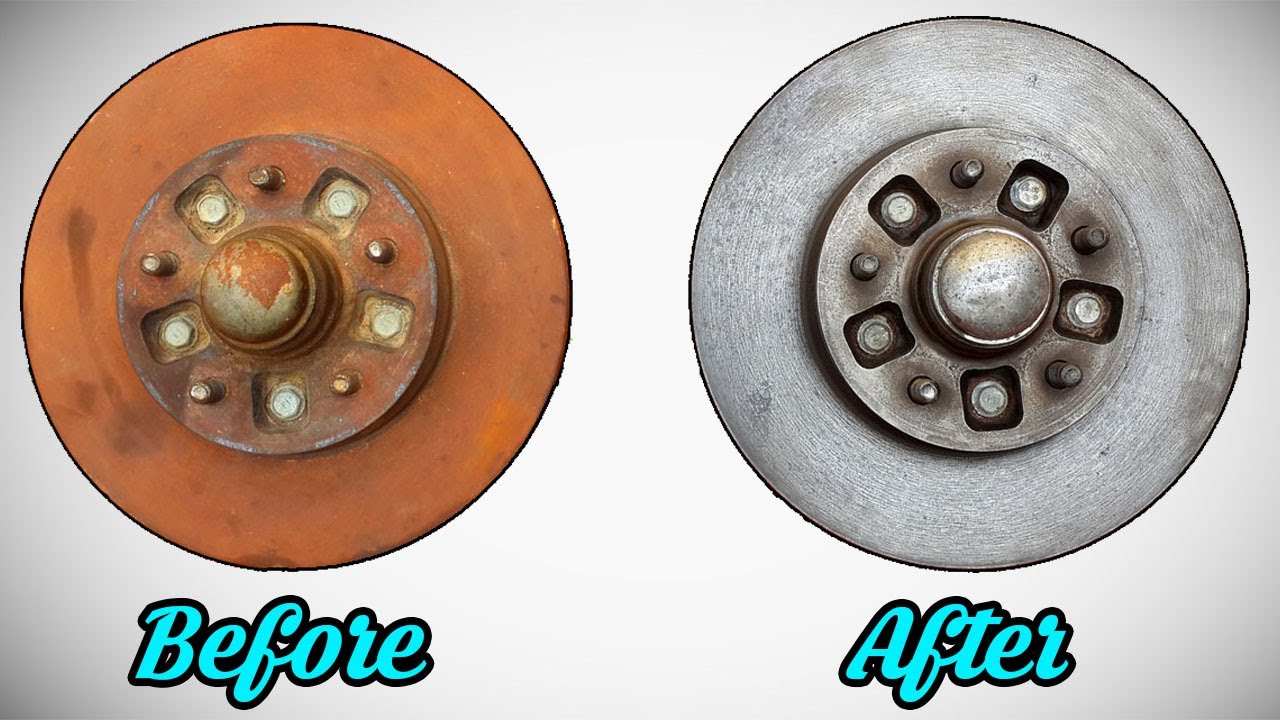
Rust removers contain acids that dissolve rust quickly. Apply the chemical with a brush or cloth. Let it sit for the time recommended on the label. Use a wire brush to scrub away loosened rust. Rinse thoroughly with water and dry the rotors.
Professional Rotor Resurfacing
Rotor resurfacing machines shave a thin layer off the rotor. This process removes deep rust and restores flatness. Professionals use precise tools for best results. Resurfacing extends rotor life and improves braking. Visit a mechanic if rust is severe or uneven.
Credit: www.reddit.com
Preventing Future Rust Build-up
Preventing rust on your brake rotors saves time and money. Rust reduces braking power and can cause damage. Taking simple steps keeps rotors clean and working well. Focus on habits and care that stop rust from forming again.
Regular Driving Habits
Drive your car often to keep rotors dry and clean. Short trips may not heat the brakes enough to remove moisture. Longer drives help evaporate water and prevent rust. Avoid parking in wet areas for long times.
Proper Storage Tips
Store your vehicle in a dry garage or covered spot. Use a car cover if no garage is available. Keep the car off wet grass or dirt. These areas hold moisture and speed up rust formation.
Routine Maintenance
Check your brake rotors regularly for signs of rust. Clean them gently with a wire brush if rust starts. Inspect brake pads and replace them when worn out. Well-maintained brakes work better and last longer.
Credit: www.youtube.com
Frequently Asked Questions
How Do I Remove Rust From Brake Rotors Safely?
Use a wire brush or sandpaper to scrub rust gently. Apply brake cleaner to remove debris. Avoid harsh chemicals that may damage rotors. Always wear protective gear and work in a ventilated area.
Can I Drive With Rusty Brake Rotors?
Light surface rust is normal and usually harmless. However, thick rust can reduce braking efficiency. It’s best to clean or replace severely rusted rotors for safety.
What Causes Brake Rotors To Rust Quickly?
Moisture, road salt, and infrequent driving cause rust. Parking outside in wet conditions also accelerates rust formation on rotors.
How Often Should I Clean Brake Rotors To Prevent Rust?
Clean brake rotors every few months or during brake maintenance. Regular cleaning prevents rust buildup and ensures optimal braking performance.
Conclusion
Rust on brake rotors can cause noise and reduce braking power. Cleaning rust regularly keeps your brakes working well and safe. Use simple tools like a wire brush or sandpaper to remove rust. Avoid harsh chemicals that may damage parts.
Check your rotors often, especially after rain or snow. Small effort now prevents bigger problems later. Keep your car’s brakes smooth and quiet by removing rust early. Taking care of rotors helps you drive with confidence every day.


