

If you want your car to feel more responsive and easier to control, improving its handling is the key. Imagine driving with confidence on sharp turns, smooth corners, and uneven roads without losing control.
You don’t need to be a mechanic or spend a fortune to make your car handle better. You’ll discover simple, practical tips that you can apply right away to transform your driving experience. Ready to take control and enjoy every drive?
Keep reading to find out how.
Factors Affecting Car Handling
Car handling depends on several key factors. These elements affect how the car responds to your driving. Understanding these can help improve control and safety.
Tire Grip And Pressure
Tires connect your car to the road. Good tire grip improves traction and control. Proper tire pressure keeps the contact area balanced. Low pressure can cause poor handling and faster tire wear. High pressure reduces grip and comfort. Check tire pressure regularly for best results.
Suspension Setup
The suspension absorbs bumps and keeps tires on the road. A well-tuned suspension improves stability and cornering. Soft suspension may feel comfortable but can reduce control. Stiff suspension enhances handling but can be harsh. Adjust suspension based on road conditions and driving style.
Weight Distribution
Weight distribution affects balance and car stability. Even weight helps the car stay steady on turns. Front-heavy cars tend to understeer, pushing wide in corners. Rear-heavy cars may oversteer, causing the back to slide out. Proper balance improves handling and safety.
Steering System
The steering system controls the direction of the car. Responsive steering helps you react quickly to road changes. Loose or stiff steering can make driving difficult. Regular checks and maintenance keep the steering smooth and accurate. Good steering improves overall control and confidence.
Credit: blog.demon-tweeks.com
Optimizing Tire Performance
Tires play a key role in how your car handles on the road. Good tire performance helps your car stay stable and safe. It also improves traction, which is important for smooth turns and quick stops.
Optimizing tire performance starts with choosing the right tires. Proper maintenance like keeping the right air pressure and aligning the tires correctly also makes a big difference. These steps ensure better control and longer tire life.
Choosing The Right Tires
Select tires designed for your driving needs. Consider the weather and road conditions you drive on most. Summer tires work best on dry roads, while all-season tires handle rain and light snow. Winter tires give extra grip in cold, snowy conditions. Check the tire size and speed rating recommended for your car. Using the right tires improves grip and safety on the road.
Maintaining Proper Tire Pressure
Check tire pressure regularly, at least once a month. Use a reliable gauge to measure pressure when tires are cold. Follow the pressure guidelines found in your car’s manual or inside the driver’s door. Proper pressure helps tires wear evenly and reduces fuel consumption. Underinflated tires can cause poor handling and increase the risk of a blowout.
Tire Alignment And Balancing
Misaligned tires cause uneven wear and steering problems. Get your wheels aligned if your car pulls to one side or if the steering wheel shakes. Balancing tires prevents vibrations and improves ride comfort. Have alignment and balancing checked during tire changes or if you notice handling issues. Proper alignment and balance keep your tires performing at their best.
Enhancing Suspension And Chassis
Enhancing your car’s suspension and chassis improves handling and driving comfort. A well-tuned suspension keeps tires in better contact with the road. This leads to more control during turns and smoother rides over bumps. Strengthening the chassis reduces flex and increases stability. These upgrades help your car respond quickly and safely on all roads.
Upgrading Shock Absorbers And Springs
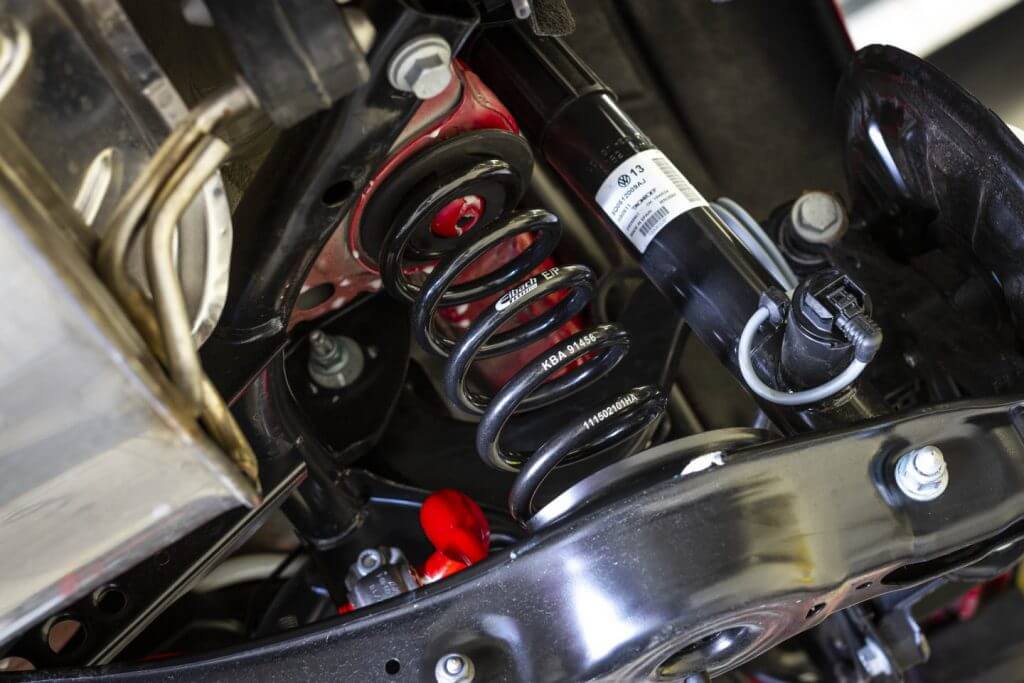
Shock absorbers control how your car reacts to bumps and turns. Upgrading to performance shocks offers better damping and reduces body roll. Replacing springs with stiffer or lower ones can improve cornering and reduce nose dive. Together, these parts keep your car balanced and steady. They also help maintain tire grip on uneven surfaces.
Installing Sway Bars
Sway bars connect the left and right wheels to reduce body lean. Installing thicker sway bars limits side-to-side movement during cornering. This provides sharper handling and more precise steering feel. It also helps keep your tires flat on the road, improving traction. Sway bars are a simple way to enhance your car’s stability without losing comfort.
Chassis Stiffening Techniques
Chassis stiffening reduces flex and improves overall rigidity. Common methods include adding strut braces, roll bars, and frame welds. A stiffer chassis allows suspension parts to work more effectively. This results in better handling and quicker response to steering input. Stiffening also increases safety by strengthening the car’s structure.
Improving Steering Response
Improving steering response makes your car feel more precise and easier to control. Better steering helps in sharp turns and quick reactions. It also enhances safety and driving enjoyment. Small changes can bring big improvements in how your car handles the road.
Adjusting Steering Ratio
Steering ratio affects how much you turn the wheel to steer the wheels. A lower ratio means quicker steering and faster response. Sports cars often have lower ratios for sharp handling. Changing this ratio can make your steering feel more direct and lively. It requires adjusting or replacing the steering box or rack.
Upgrading Steering Components
Old or worn parts can slow down your steering response. Upgrading to high-quality components improves precision and strength. Consider new tie rods, steering racks, or power steering pumps. These parts reduce friction and play in the system. Better components help your steering feel smoother and more accurate.
Reducing Steering Play
Steering play is the loose movement before the wheels respond. It makes the car feel vague or sloppy. Tightening or replacing worn parts reduces this play. Check the steering linkage, bushings, and joints. Less play means quicker response and better control on the road.
Weight Management Strategies
Managing weight effectively improves car handling significantly. Less weight means quicker response and better control. Focus on reducing weight in key areas to enhance driving feel.
Reducing Unsprung Weight
Unsprung weight includes parts like wheels, tires, brakes, and suspension components. Lowering this weight helps the wheels follow road bumps better. This improves grip and ride comfort. Use lighter wheels or smaller brake components to cut unsprung weight. Every pound removed makes steering sharper and suspension more effective.
Balancing Front And Rear Loads
Even weight distribution between front and rear improves stability. Too much weight in one area causes understeer or oversteer. Shift heavy items like batteries or fuel tanks to balance the car. Check the load on each axle with scales. Balance helps the car turn smoothly and stay steady in corners.
Lightweight Component Upgrades
Replace heavy parts with lighter alternatives for better handling. Carbon fiber or aluminum parts reduce overall weight. Swap steel body panels for lightweight versions. Choose performance seats that weigh less than stock seats. These upgrades lower the car’s center of gravity. Lower weight means quicker acceleration and improved cornering.

Credit: www.autodeal.com.ph
Driving Techniques For Better Control
Driving techniques play a big role in how well you control your car. Good control means safer driving and a more enjoyable experience. You can improve handling by changing how you steer, brake, and take corners.
Smooth Steering Inputs
Make steering movements slow and steady. Sudden turns can upset the car’s balance. Hold the wheel firmly but relax your grip. This helps the car respond better to your commands. Smooth steering keeps the tires gripping the road well.
Proper Braking Methods
Brake gently and avoid hard stops. Press the brake pedal smoothly to prevent skidding. Start slowing down early before turns or stops. This helps keep the car stable and under control. Using engine braking can reduce brake wear and improve safety.
Cornering Techniques
Slow down before entering a corner. Avoid braking while turning, as this can cause loss of traction. Look ahead to the exit of the corner to guide your steering. Accelerate gently once you pass the corner’s midpoint. This helps maintain balance and grip on the road.
Regular Maintenance Tips
Regular maintenance keeps your car handling sharp and safe. It prevents problems that can affect control and ride quality. Simple checks can make a big difference. These easy steps help your car respond better on the road.
Checking Suspension Wear
Suspension parts wear out over time. Worn shocks and struts reduce stability. Look for leaks, cracks, or broken parts. Listen for unusual noises when driving. Replace damaged parts quickly. Good suspension improves comfort and control.
Inspecting Tires Regularly
Tires are key to good handling. Check tire pressure often. Under or over-inflated tires cause poor grip. Look for uneven tread wear or damage. Rotate tires to extend their life. Proper tires keep your car steady and safe.
Ensuring Steering System Health
The steering system controls your car’s direction. Check for loose or stiff steering. Look for fluid leaks in power steering. Pay attention to strange noises or vibrations. Fix steering issues early to maintain control. Healthy steering means safer turns and drives.

Credit: www.youtube.com
Frequently Asked Questions
How Can Tire Pressure Affect Car Handling?
Tire pressure directly impacts grip and stability. Properly inflated tires ensure better road contact, improving steering response and control. Underinflated or overinflated tires can cause uneven wear and reduce handling efficiency. Regularly check and maintain the recommended tire pressure for optimal performance and safety.
What Suspension Upgrades Improve Car Handling?
Upgrading to performance shocks, struts, or coilovers enhances stability and cornering. These components reduce body roll and improve road feedback. Stiffer springs and adjustable dampers allow fine-tuning for different driving conditions. Quality suspension upgrades significantly boost overall handling and driving confidence.
Does Wheel Alignment Affect Car Handling?
Yes, wheel alignment is crucial for precise handling. Misaligned wheels cause uneven tire wear, pulling to one side, and poor steering response. Proper alignment ensures tires track correctly, improving stability, fuel efficiency, and tire life. Regular alignment checks help maintain optimal car handling and safety.
How Do Performance Tires Improve Handling?
Performance tires offer enhanced grip and traction on various surfaces. Their specialized rubber compounds and tread patterns increase cornering stability and braking efficiency. These tires respond better to steering inputs, providing sharper control. Upgrading to quality performance tires is essential for improved car handling.
Conclusion
Improving car handling takes small, smart changes. Check your tires and keep them balanced. Adjust your suspension for better control. Drive smoothly and avoid sudden moves. These steps help you feel safer and enjoy driving more. Practice often to notice the difference.
Better handling means a more confident ride every time. Keep your car in good shape. The effort pays off with better driving and less stress. Simple actions can make a big difference on the road.


