

If you want your Briggs and Stratton engine to run smoothly, installing a clean fuel filter is key. A clogged or old fuel filter can cause your engine to sputter, lose power, or even stop working altogether.
But don’t worry—replacing the fuel filter is easier than you might think. In this guide, you’ll learn simple, step-by-step instructions to get the job done quickly and correctly. Keep reading, and you’ll save time, avoid costly repairs, and keep your engine running like new.
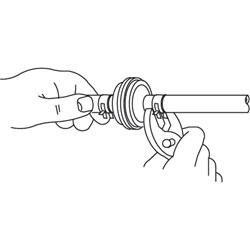
Credit: www.briggsandstratton.com
Tools And Materials Needed
Having the right tools and materials makes installing a Briggs and Stratton fuel filter easier and safer. It helps avoid mistakes and saves time. Gather everything before starting your work.
Basic Hand Tools
You need a few simple tools. A flathead screwdriver helps loosen clamps. A pair of pliers is useful to remove old clips. A wrench or socket set fits bolts and nuts. These tools fit most fuel filter installations.
Replacement Fuel Filter
Buy a fuel filter designed for Briggs and Stratton engines. Check the model number to get the correct filter. Using the right part ensures good engine performance.
Fuel Container And Rags
Have a container ready to catch fuel that spills. Use clean rags to wipe the area around the filter. They keep your workspace tidy and safe.
Safety Gear
Wear gloves to protect your hands from fuel and dirt. Safety glasses stop fuel splashes from reaching your eyes. Safety is important during any repair work.

Credit: www.youtube.com
Locate The Fuel Filter
Locating the fuel filter on your Briggs and Stratton engine is the first step to a smooth installation. Knowing exactly where the filter sits helps you work faster and avoid mistakes. The fuel filter cleans dirt and debris from the fuel before it reaches the engine. This keeps the engine running well.
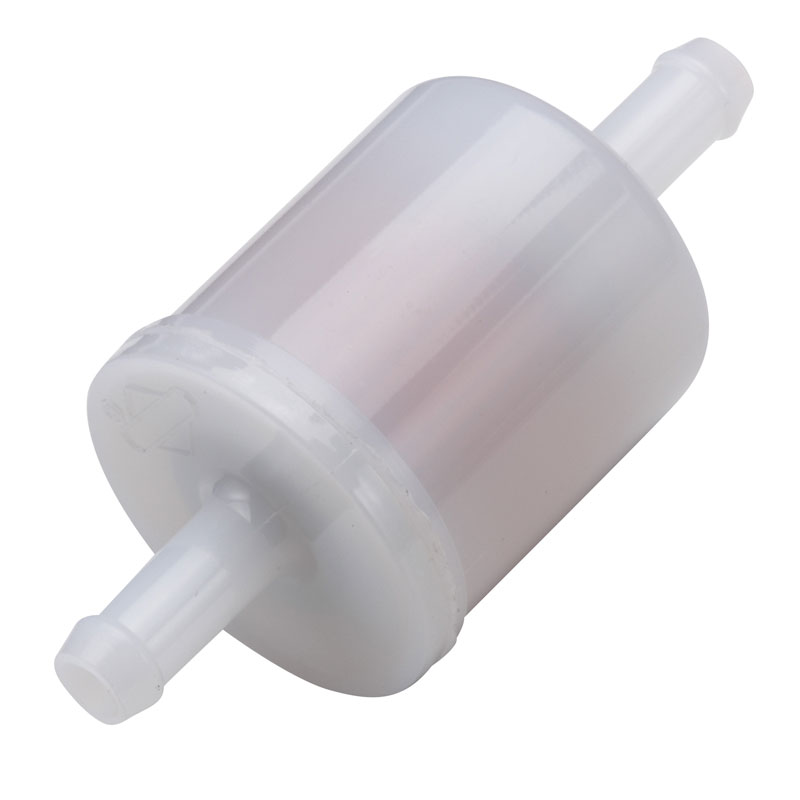
Most Briggs and Stratton models have the fuel filter near the fuel tank or along the fuel line. The filter looks like a small, clear or white plastic piece. It is often cylindrical or oval in shape. Finding it might take a little patience.
Check Near The Fuel Tank
The fuel filter is usually close to the fuel tank. Look for a small plastic part connected to a fuel line coming out of the tank. This location makes it easy to replace the filter when needed.
Inspect The Fuel Line
Follow the fuel line from the fuel tank toward the engine. The filter is often placed in the middle of this line. It acts as a barrier to catch dirt before the fuel reaches the carburetor or engine.
Consult The Engine Manual
The engine manual provides clear information on the fuel filter’s location. It may include diagrams or pictures. These visuals help you find the filter faster and with less guesswork.
Prepare The Engine
Preparing the engine is the first step to install a Briggs and Stratton fuel filter safely. It ensures no fuel leaks or accidents during the process. Taking proper precautions protects both you and the engine.
Before removing the old fuel filter, you must turn off the engine and relieve the fuel system pressure. These steps stop fuel flow and reduce risk. Follow these simple instructions carefully to prepare your engine for the new fuel filter installation.
Turn Off The Engine
Switch off the engine completely. Remove the key from the ignition to prevent accidental starting. Wait a few minutes to let the engine cool down. Handling a hot engine can cause burns or other injuries. Ensure the engine is fully off and cool before moving to the next step.
Relieve Fuel System Pressure
Fuel lines hold pressure even after the engine stops. Release this pressure to avoid fuel spray. Locate the fuel shutoff valve and close it. Then, run the engine until it stops by itself. This uses up leftover fuel in the lines. Finally, disconnect the fuel line carefully. Have a cloth ready to catch any small fuel spills. This step keeps your workspace clean and safe.
Remove The Old Fuel Filter
Removing the old fuel filter is an important step before installing a new Briggs and Stratton fuel filter. It helps keep your engine running smoothly. This process requires care to avoid fuel spills and damage. Follow simple steps to disconnect and remove the filter safely.
Disconnect Fuel Lines
First, turn off the engine and let it cool down. Locate the fuel lines connected to the filter. Use pliers to loosen the clamps holding the lines. Carefully pull the fuel lines off the filter fittings. Have a cloth ready to catch any leaking fuel.
Take Out The Filter
After disconnecting the fuel lines, check how the filter is attached. Some filters twist off, others need screws removed. Gently remove the old filter from its holder. Dispose of the old filter properly. Clean the area to prepare for the new filter installation.
Install The New Fuel Filter
Installing the new fuel filter is an important step to keep your Briggs and Stratton engine running smoothly. A clean filter stops dirt and debris from reaching the engine. This protects the engine and helps it last longer.
Take your time during installation. Make sure the new filter fits properly. Follow the steps carefully for best results.
Position The Filter Correctly
Place the new fuel filter in the correct position. Look for an arrow on the filter. This arrow shows the direction of fuel flow. Point the arrow toward the engine. Proper positioning ensures the fuel flows smoothly. Incorrect placement can cause engine problems.
Reconnect Fuel Lines
Attach the fuel lines to the new filter. Connect the line from the fuel tank to the filter’s inlet. Then connect the outlet line to the engine. Push the lines firmly onto the filter. Check for tight connections to avoid leaks. Secure the lines with clamps if needed. Loose lines can cause fuel leaks and engine issues.
Check For Leaks
Checking for leaks is a key step after installing the Briggs and Stratton fuel filter. Leaks can cause fuel loss and engine problems. Catching leaks early keeps your engine safe and working well.
Look closely around the fuel filter and connections. Small drops or wet spots can signal a leak. Take your time to inspect every part carefully.
Visual Inspection Of Fuel Filter Connections
Start by looking at all the fuel filter joints. Check where the fuel lines attach. Any cracks or gaps can cause leaks. The filter should fit tightly without movement.
Running The Engine To Detect Leaks
Turn on the engine and watch the fuel filter area. Fuel may drip or spray if there is a leak. Run the engine for a few minutes for a full check. Stop immediately if you see leaks.
Using A Paper Towel To Spot Fuel
Hold a dry paper towel near the fuel filter. Fuel will leave a wet mark if leaking. This simple trick helps find small leaks you might miss.
Start The Engine
Starting the engine is a key step after installing the Briggs and Stratton fuel filter. This step helps check if the fuel flows correctly and if the filter is working well. It also clears any air trapped in the fuel line. A smooth start means your fuel filter is in place and ready to protect your engine.
Check Fuel Supply
Make sure the fuel tank has fresh gasoline. Old or dirty fuel can cause engine trouble. A full tank helps the engine run smoothly. Confirm the fuel line is connected tightly to the filter. Leaks or loose connections can stop the engine from starting.
Prime The Fuel System
Prime the system by pressing the primer bulb several times. This pushes fuel into the carburetor and fuel lines. Watch for fuel moving through the lines. Priming removes air pockets and prepares the engine to start easily.
Turn The Engine On
Set the choke to the start position. Pull the starter cord or turn the ignition key. The engine should crank and then start running. If it stalls or does not start, check the fuel filter and connections again.
Observe Engine Performance
Listen to how the engine runs after starting. A steady sound shows good fuel flow. Rough or sputtering noises suggest air in the line or a problem with the filter. Let the engine run for a few minutes to warm up.
Adjust Settings If Needed
Move the choke to the run position once the engine is warm. This allows more air into the engine for better performance. Check for any fuel leaks around the filter. Tighten clamps or replace parts if needed.
Credit: www.briggsandstratton.com
Maintenance Tips
Proper maintenance of your Briggs and Stratton fuel filter keeps your engine running smoothly. Regular care prevents clogs and damage. It also extends the life of your equipment. Follow these tips for effective filter upkeep.
Regular Inspection
Check the fuel filter often for dirt or damage. Look for cracks or leaks around the filter. Use a flashlight to see inside clearly. Clean any visible dirt with a soft cloth. Regular checks catch problems early and avoid engine issues.
Replacement Frequency
Change the fuel filter based on the manufacturer’s guide. Usually, every 100 hours of use or once a year works well. Replace sooner if you notice poor engine performance. Fresh filters ensure clean fuel flow and protect the engine. Keep a spare filter handy for quick swaps.
Frequently Asked Questions
How Do I Replace A Briggs And Stratton Fuel Filter?
To replace the fuel filter, first turn off the engine. Remove the old filter by loosening clamps. Install the new filter in the correct flow direction. Secure clamps tightly and check for leaks before starting the engine.
What Tools Are Needed To Install The Fuel Filter?
You need pliers or a screwdriver to loosen clamps. A clean rag helps wipe fuel spills. Gloves protect your hands. Having a new fuel filter ready completes the necessary tools for installation.
How Often Should Briggs And Stratton Fuel Filters Be Changed?
Change the fuel filter every 100 hours of use or annually. Frequent replacement ensures clean fuel flow. It prevents engine clogging and improves performance. Check your owner’s manual for specific recommendations.
Can I Install A Fuel Filter Without Draining Fuel?
Yes, but it’s safer to drain or clamp fuel lines first. This prevents fuel spills and hazards. Work in a well-ventilated area and avoid open flames to ensure safety.
Conclusion
Installing a Briggs and Stratton fuel filter helps keep your engine clean. It stops dirt from reaching important parts. Changing the filter regularly improves engine life and performance. Follow the steps carefully for a safe and easy process. Taking care of your equipment saves money and time.
Keep your mower or generator running smoothly all season. Simple maintenance makes a big difference. Stay consistent, and your engine will thank you.


