

Have you ever wondered if your car’s fuel filter needs changing but didn’t know how to tell? Your fuel filter plays a crucial role in keeping your engine running smoothly by trapping dirt and debris.
But when it gets clogged, it can cause serious problems like poor performance or even engine damage. Knowing exactly when to replace your fuel filter can save you time, money, and stress. You’ll discover the clear signs to watch for and simple steps to keep your vehicle in top shape.
Keep reading—you’ll thank yourself later!
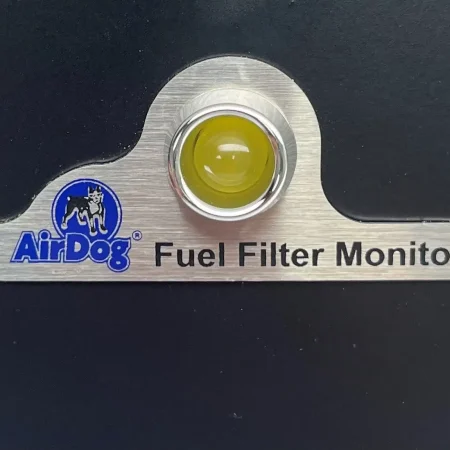
Credit: airdogdiesel.com
Role Of A Fuel Filter
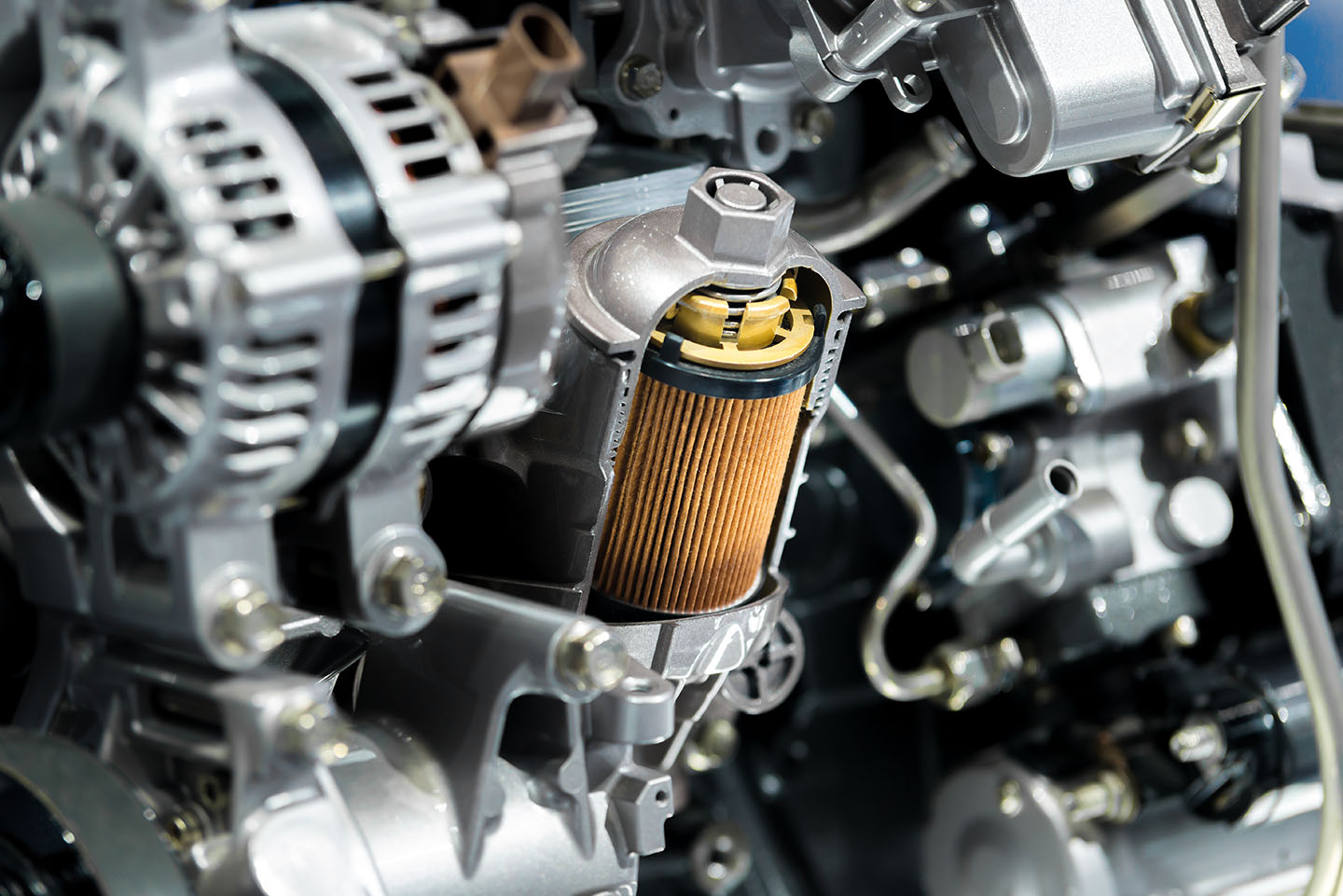
The fuel filter plays a key role in your vehicle’s fuel system. It keeps the fuel clean by removing dirt and debris. Clean fuel helps the engine run smoothly and last longer.
A clogged or dirty fuel filter can cause many problems. Knowing its role helps you understand why changing it on time matters.
Fuel Filter Function
The fuel filter stops dust, rust, and other particles from entering the engine. These contaminants come from the fuel tank or gas station. Filtering them out protects the engine’s parts.
By catching impurities, the filter prevents blockages in fuel injectors and carburetors. This helps maintain proper fuel flow and engine efficiency.
Impact On Engine Performance
A clean fuel filter ensures steady fuel supply to the engine. This leads to better acceleration and smoother running. The engine uses fuel more efficiently, saving gas.
A dirty filter restricts fuel flow. This causes poor engine performance, rough idling, and even stalling. It can increase emissions and harm other engine parts.
Regular checks and timely filter changes keep the engine healthy. They help avoid costly repairs and keep your car reliable.
Credit: bostechauto.com
Common Signs Of A Clogged Fuel Filter
A clogged fuel filter can cause many engine problems. It blocks the flow of fuel to the engine. This makes your car run poorly and may cause damage. Recognizing the signs early can save time and money. Watch for changes in how your car drives. These signs show your fuel filter may need changing.
Engine Misfires
Engine misfires happen when fuel does not reach the engine properly. The engine may jerk or feel rough. You might hear popping sounds from the engine. This shows the fuel filter might be clogged. Clean fuel flow is needed for smooth engine running.
Reduced Acceleration
Slow or weak acceleration can mean a fuel flow problem. Your car may struggle to speed up. This happens because the clogged filter limits fuel supply. The engine does not get enough power to accelerate fast. Noticeable slowdowns during driving are a warning sign.
Difficulty Starting The Engine
Hard starts show fuel is not reaching the engine well. The engine may crank longer than usual. Sometimes it may not start at all. A dirty fuel filter can block fuel flow at startup. This causes frustration and delays when starting your car.
Frequent Stalling
Stalling happens when the engine stops suddenly while driving. This can be dangerous. A clogged fuel filter causes fuel starvation, leading to stalls. The engine may shut off on idle or low speeds. Frequent stalls point to a fuel delivery issue.
Visual And Physical Indicators
Visual and physical signs often reveal when a fuel filter needs changing. These clues can help you avoid engine problems. Checking these indicators regularly keeps your vehicle running smoothly.
Fuel Filter Appearance
Look at the fuel filter’s surface. A clean filter looks clear or slightly yellow. Dirt, rust, or dark spots show clogging. A damaged or cracked filter needs replacement. Sometimes, you may see sediment inside a transparent filter. This means the filter is full and not working well. Replacing it soon prevents fuel flow issues.
Fuel Odor
A strong fuel smell near the filter is a warning. This odor means fuel may be leaking. Leaks can cause poor engine performance or safety risks. If you notice this smell, check the filter for cracks or loose fittings. Changing the filter stops leaks and keeps fuel clean. Pay attention to any unusual fuel odor around your car.
Effects Of Ignoring Fuel Filter Replacement
Ignoring fuel filter replacement can cause serious problems for your vehicle. The fuel filter cleans dirt and debris from the fuel before it reaches the engine. Over time, it gets clogged and stops working properly. This blockage affects many parts of the fuel system and engine. Understanding these effects helps you avoid costly repairs and keep your car running smoothly.
Damage To Fuel Pump
A clogged fuel filter forces the fuel pump to work harder. This extra strain causes the pump to wear out faster. A damaged fuel pump can fail completely, leaving your car unable to start. Replacing the fuel filter on time protects the fuel pump and saves money.
Decreased Fuel Efficiency
A blocked fuel filter reduces fuel flow to the engine. The engine then burns fuel less efficiently. This leads to more fuel consumption and higher costs. Keeping the fuel filter clean helps maintain good fuel economy and lower expenses.
Potential Engine Damage
Dirty fuel can reach the engine if the filter is not replaced. This dirt causes engine parts to wear out quickly. Engine damage can result in poor performance and costly repairs. Changing the fuel filter prevents harmful particles from damaging the engine.
Recommended Fuel Filter Replacement Intervals
Knowing the right time to change your fuel filter helps keep your engine healthy. The fuel filter stops dirt and rust from entering the engine. Over time, it can get clogged and reduce performance. Following recommended replacement intervals is key to avoid problems and maintain smooth driving.
Manufacturer Guidelines
Car makers give clear advice on fuel filter replacement. Check your owner’s manual for specific time or mileage limits. Most recommend changing the filter every 20,000 to 40,000 miles. Sticking to these guidelines helps protect your engine from damage. Using the right schedule keeps your vehicle running efficiently and saves money on repairs.
Driving Conditions Impact
Driving style and environment affect fuel filter life. Dusty roads, heavy traffic, and short trips cause faster clogging. In harsh conditions, replace the filter more often than the manual says. Cleaner fuel and smooth driving can extend filter life. Adjust your replacement schedule based on where and how you drive.
How To Check Your Fuel Filter
Checking your fuel filter helps keep your engine running smoothly. A dirty or clogged filter can cause poor engine performance and reduce fuel efficiency. Regular checks can save you from costly repairs.
Locating The Fuel Filter
Fuel filters are usually near the fuel tank or engine. Look under the car along the fuel line. Some cars have the filter inside the engine bay. Check your car’s manual for the exact spot.
Diy Inspection Tips
Start by ensuring the engine is off and cool. Use a flashlight to see the fuel filter clearly. Look for dirt, rust, or leaks around the filter. If the filter looks dirty or rusty, it may need changing. Gently tap the filter to check for clogs. Be careful not to damage any fuel lines.
When To Seek Professional Help
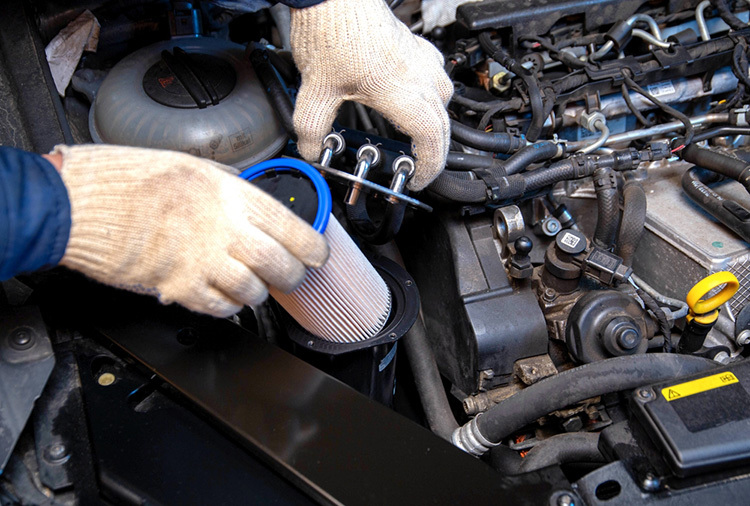
Fuel filters can be tricky to replace. If you see fuel leaks or smell gas, stop and get help. Strange engine noises or difficulty starting the car also need expert attention. A mechanic can safely inspect and replace the filter if needed. Don’t wait too long to avoid bigger problems.
Choosing The Right Fuel Filter
Choosing the right fuel filter is key to keeping your vehicle running smoothly. A proper fuel filter stops dirt and rust from reaching the engine. This helps avoid costly repairs and keeps your car efficient.
Not all fuel filters fit every vehicle. Picking the correct one ensures better performance and longer engine life. It also makes the replacement process easier and safer.
Compatibility With Vehicle Model
Each vehicle model requires a specific fuel filter type. Filters vary in size, shape, and connection style. Check your car’s manual or ask a professional to find the right fit. Using the wrong filter can cause leaks or poor fuel flow. This may damage the engine or reduce fuel efficiency.
Quality And Brand Considerations
Choose fuel filters from trusted brands known for quality. Low-quality filters may fail early or clog quickly. High-quality filters use better materials and last longer. They protect your engine more effectively. Avoid cheap filters to save money in the long run. Reliable brands offer warranties and better customer support.
Credit: monroenissanservice.com
Frequently Asked Questions
How Often Should I Change My Fuel Filter?
Fuel filters should be replaced every 20,000 to 40,000 miles. Check your vehicle’s manual for exact intervals. Regular changes prevent engine damage and maintain fuel efficiency. If you notice performance issues, replace it sooner to avoid costly repairs.
What Are Signs Of A Clogged Fuel Filter?
Common signs include engine sputtering, poor acceleration, and stalling. You may also experience difficulty starting the engine or decreased fuel efficiency. These symptoms indicate restricted fuel flow, so inspect and replace the filter promptly to keep your vehicle running smoothly.
Can A Dirty Fuel Filter Cause Engine Problems?
Yes, a dirty fuel filter restricts fuel flow to the engine. This causes poor engine performance, misfires, and stalling. Replacing the filter restores proper fuel delivery and prevents damage to fuel injectors and other components. Regular maintenance is essential.
Is It Possible To Clean A Fuel Filter Instead Of Replacing?
Most modern fuel filters are disposable and cannot be cleaned effectively. Cleaning may not remove all contaminants, risking engine damage. It’s best to replace the fuel filter according to your vehicle’s maintenance schedule for optimal performance.
Conclusion
Changing your fuel filter keeps your engine running smooth. Watch for signs like poor acceleration or strange noises. Regular checks help catch problems early and save money. Clean fuel means better fuel efficiency and less damage. Don’t wait until your car breaks down.
Small steps now prevent big repairs later. Stay safe and keep your vehicle healthy. Simple care makes a big difference.


