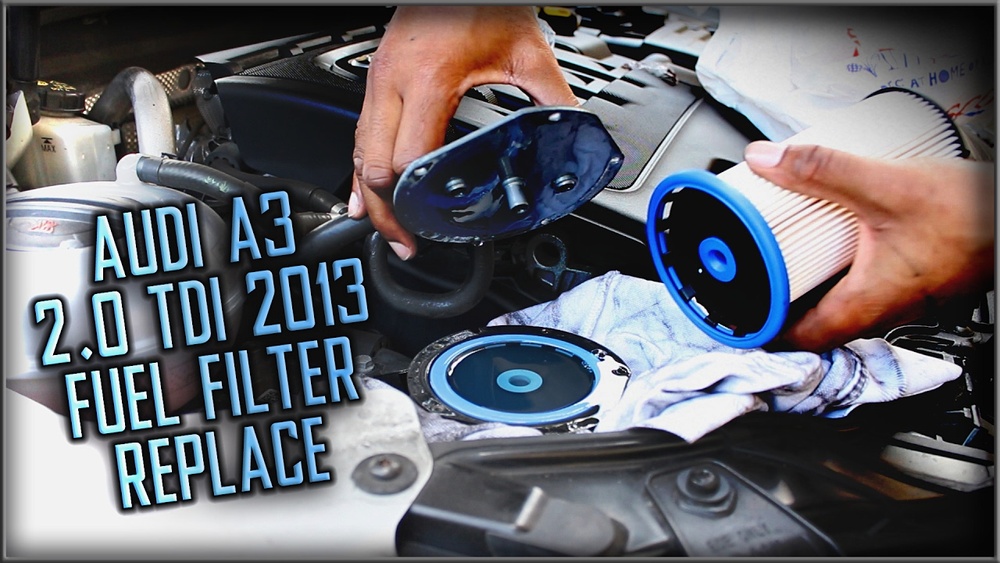
Is your car acting up and you’re not sure why? When your engine starts sputtering or losing power, it’s easy to blame either the fuel pump or the fuel filter.
But how do you know which one is really causing the problem? Understanding the difference can save you time, money, and stress. You’ll learn simple ways to identify whether it’s your fuel pump or fuel filter that needs attention—so you can fix the issue quickly and get back on the road with confidence.
Keep reading, because the answer might be easier than you think.

Credit: www.ebay.com
Signs Of Fuel Pump Issues
Knowing the signs of fuel pump issues can save you from costly repairs. The fuel pump plays a key role in sending fuel to the engine. When it fails, your vehicle will show clear warning signs. Spotting these signs early helps you decide if the fuel pump or filter is the problem.
Engine Sputtering
The engine may sputter or hesitate while driving. This happens because the fuel pump cannot supply steady fuel flow. The engine struggles to get enough fuel, causing rough running. Sputtering often occurs at high speeds or under heavy load.
Loss Of Power
Your car might lose power during acceleration. The fuel pump fails to deliver fuel fast enough. This makes the engine weak and slow to respond. Loss of power is a common sign of a failing fuel pump.
No Start Condition
The vehicle may not start at all. A broken fuel pump means no fuel reaches the engine. The starter motor works, but the engine won’t fire up. This is a clear sign that the fuel pump might be dead.
Unusual Noise From Tank
You might hear a whining or humming noise from the fuel tank. This sound comes from the fuel pump struggling to work. A healthy pump runs quietly without odd sounds. Strange noises signal the pump needs attention.
Symptoms Of A Clogged Fuel Filter
A clogged fuel filter can cause many problems for your car. It blocks the flow of fuel to the engine. This makes the engine work harder and less efficiently. Recognizing the signs early helps avoid bigger problems. Here are some common symptoms to watch for.
Engine Stalling
The engine may stop running suddenly. This happens because fuel cannot reach the engine properly. Stalling often occurs when the car is idling or moving slowly. It can feel unsafe, especially in traffic.
Poor Acceleration
The car may feel slow when you press the gas pedal. The engine struggles to get enough fuel. This causes a delay or weak response in acceleration. Driving uphill or carrying heavy loads becomes harder.
Reduced Fuel Efficiency
Your car uses more fuel than usual. A clogged filter makes the engine work harder. This wastes fuel and lowers miles per gallon. You might notice filling up the tank more often.
Difficulty Starting
The engine may take longer to start or fail to start. Fuel flow is limited, so the engine starves for fuel. Turning the key several times might be necessary. This symptom often appears after the car sits unused.
Performing A Fuel Pressure Test
Performing a fuel pressure test helps find problems in the fuel system. It checks if the fuel pump and filter work well. This test shows if the fuel pump gives enough pressure. It also shows if the fuel filter blocks fuel flow. A good fuel pressure test saves time and money. It helps fix the right part quickly.
Tools Needed
- Fuel pressure gauge
- Wrench set
- Safety glasses
- Gloves
- Vehicle’s service manual
Step-by-step Procedure
- Wear safety glasses and gloves.
- Locate the fuel rail on the engine.
- Find the test port on the fuel rail.
- Attach the fuel pressure gauge to the test port.
- Turn the ignition key to “on” without starting the engine.
- Check the gauge reading and write it down.
- Start the engine and watch the gauge again.
- Note any drop or change in pressure.
- Turn off the engine and remove the gauge carefully.
Interpreting Results
Compare your readings with the vehicle’s manual. Normal pressure means the fuel pump works well. Low pressure could mean a weak pump or clogged filter. Pressure that rises then falls fast means a bad pump. No pressure shows a pump failure or fuel line problem. Use these clues to decide which part needs repair.
Checking Fuel Pump Relay And Fuse
Checking the fuel pump relay and fuse is a key step in diagnosing fuel system problems. These parts control the power supply to the fuel pump. If either one fails, the pump will not work properly.
Start with these steps to find out if the relay or fuse is causing the issue. Simple tests can save you time and money before replacing the fuel pump.
Locating Relay And Fuse
Find the fuel pump relay and fuse inside the fuse box. The box is usually under the hood or inside the cabin. Use the fuse box cover or your car manual to identify the correct relay and fuse.
They are often labeled as “fuel pump” or “fuel injection.” Make sure the car is off before opening the fuse box.
Testing For Power
Check the fuse for any signs of damage or a broken wire inside. Use a multimeter to test the fuse’s continuity. No continuity means the fuse is blown.
Next, test the relay by swapping it with a similar relay in the fuse box. If the fuel pump starts working, the relay is faulty. You can also test the relay with a multimeter for proper function.
Replacing Faulty Components
Replace any blown fuse with one of the same rating. Do not use a fuse with a higher rating. For a bad relay, buy a new one that matches your car’s specifications.
After replacement, test the fuel pump again. If it works, the problem was the relay or fuse. This simple fix often restores fuel pump function quickly.
Inspecting The Fuel Filter
Inspecting the fuel filter is an important step in diagnosing fuel system problems. A clogged or dirty fuel filter can cause poor engine performance. It can also make the car hard to start or cause it to stall. Checking the fuel filter helps decide if the issue lies there or with the fuel pump.
Accessing The Filter
The fuel filter is usually located along the fuel line. Common places include near the fuel tank or under the hood. Consult the vehicle manual to find the exact location. Make sure the engine is off and cool before starting. Use proper tools to avoid damage. Some filters are inside a housing, while others are standalone parts.
Signs Of Blockage
A blocked fuel filter restricts fuel flow to the engine. Symptoms include rough idling, sputtering, or loss of power during acceleration. The engine may hesitate or stall at low speeds. A decrease in fuel efficiency can also signal a clogged filter. Listen for unusual engine noises that may point to fuel delivery issues.
When To Replace
Replace the fuel filter as part of regular maintenance. Most manufacturers recommend changing it every 20,000 to 40,000 miles. Replace it sooner if there are clear signs of blockage. Also, replace if the filter looks dirty or damaged. Using a clean filter protects the fuel pump and engine parts. Always use the correct replacement part for your vehicle.
Using A Multimeter For Electrical Checks
Using a multimeter for electrical checks helps find problems in the fuel system. It shows if the fuel pump or filter has an electrical issue. This tool measures voltage and continuity. These tests help pinpoint the exact cause of fuel flow problems.
Testing Fuel Pump Voltage
First, set the multimeter to measure DC voltage. Connect the multimeter probes to the fuel pump’s power wires. Turn the car key to the “on” position without starting the engine. The multimeter should show about 12 volts. Lower or no voltage means a problem with the pump’s power supply. This check confirms if the pump gets enough electricity to work.
Checking Continuity In Filter Circuit
Next, switch the multimeter to continuity mode. Disconnect the wires leading to the fuel filter. Place the probes on each end of the filter circuit. A beep or low resistance reading means the circuit is good. No sound or high resistance shows a break or blockage. This test helps find if the fuel filter or its wiring is causing trouble.
Common Misdiagnoses To Avoid
Car problems can be confusing, especially when the engine does not run well. Many people think the fuel pump or filter is the cause. This is not always true. Some common mistakes can lead to wrong repairs. Avoid these errors to save time and money.
Mistaking Ignition Problems
Sometimes, a bad spark or weak ignition looks like fuel issues. The engine may hesitate or stall. This happens when the spark plugs or ignition coil fail. The fuel pump and filter might be fine. Check the ignition system before changing fuel parts. This prevents unnecessary repairs and frustration.
Confusing Air Intake Issues
Air problems can also mimic fuel pump or filter trouble. A dirty air filter or clogged intake hose can reduce engine power. The engine struggles to get enough air, causing rough running. This can seem like fuel is not reaching the engine. Inspect the air intake system first to rule out these issues. Clean or replace parts if needed for better performance.

Credit: www.youtube.com
When To Seek Professional Help
Knowing when to ask for professional help can save time and money. Some fuel pump or filter issues need expert care. Simple checks might not find all problems. Trained mechanics use special tools and skills. They ensure your vehicle runs safely and well.
Ignoring signs of trouble can cause bigger damage. Early professional advice prevents costly repairs. Here are times to trust a mechanic with your car.
Complex Electrical Problems
Fuel pumps work with electrical parts. Problems can be hidden in wiring or sensors. Faulty wires cause pump failure or erratic fuel flow. Mechanics know how to test circuits safely. They fix wiring issues without causing harm. Electrical problems need skill beyond basic checks.
Advanced Diagnostic Tools
Professional shops have tools to read error codes. These codes show exact problems in fuel systems. Advanced scanners detect faults in pumps and filters. Mechanics use pressure gauges to check fuel flow. These tools reveal issues not visible to the eye. Proper diagnosis ensures correct repairs and stops future trouble.

Credit: www.youtube.com
Frequently Asked Questions
How To Identify A Faulty Fuel Pump?
A faulty fuel pump often causes engine sputtering, loss of power, or difficulty starting. Listen for whining noises near the fuel tank. Check fuel pressure with a gauge to confirm low pressure. Early diagnosis prevents engine damage and costly repairs.
What Are Signs Of A Clogged Fuel Filter?
A clogged fuel filter leads to poor engine performance, stalling, and hesitation. You may notice reduced acceleration and rough idling. Replacing the filter regularly ensures smooth fuel flow and protects the fuel pump from strain.
Can A Bad Fuel Pump Mimic Filter Issues?
Yes, both can cause similar symptoms like engine hesitation and stalling. Testing fuel pressure helps differentiate the two. A faulty pump shows low or no pressure, while a clogged filter restricts flow but maintains pressure.
How Often Should I Replace The Fuel Filter?
Typically, replace the fuel filter every 20,000 to 30,000 miles. Follow your vehicle’s maintenance schedule for accuracy. Timely replacement prevents filter clogging and extends fuel pump life, ensuring optimal engine performance.
Conclusion
Knowing whether the fuel pump or filter causes car trouble saves time and money. Check for engine sputtering, slow starts, or strange noises. A clogged filter limits fuel flow, while a bad pump stops it. Simple tests can help identify the problem quickly.
Fixing the right part keeps your car running smoothly. Regular maintenance avoids these issues in the future. Stay alert to signs and act fast to prevent bigger damage. Understanding these basics helps you make smart repair choices. Keep your vehicle healthy and enjoy safer drives.