

Are you hearing strange noises when you press your brakes? Or maybe your car feels different when stopping?
These could be signs that your brakes or rotors need attention. But how do you know which one is the problem? Understanding the difference can save you money and keep you safe on the road. You’ll learn the simple ways to tell if it’s your brakes or rotors that need fixing.
Keep reading to protect your car and avoid costly repairs.
Common Brake Problems
Brakes are vital for safe driving. Problems with brakes show in clear ways. Knowing common brake problems helps you act early. This keeps your car safe and avoids costly repairs.
Watch for noises, feelings, and changes in brake performance. These signs often tell you if brakes or rotors need help.
Squeaking And Squealing Noises
Squeaking sounds often mean brake pads are worn out. Pads have a small metal piece that makes noise to warn you. This noise tells you to check or replace the pads soon. Ignoring it can damage the rotors.
Grinding Sounds While Braking
Grinding noise is a serious issue. It means the brake pads are gone, and metal parts rub together. This can ruin the rotors and reduce braking power. Stop driving and get your brakes fixed fast.
Vibrations In The Brake Pedal
Feeling vibrations or shaking when pressing the brake pedal is a bad sign. It usually means the rotors are warped or uneven. Warped rotors cause unsafe braking and need repair or replacement.
Reduced Braking Performance
If your car takes longer to stop or the brakes feel weak, something is wrong. This problem can come from worn pads, damaged rotors, or brake fluid issues. Check your brakes right away to stay safe on the road.

Credit: www.youtube.com
Signs You Need New Brake Pads
Brake pads are a vital part of your car’s braking system. They press against the rotors to slow down your vehicle. Over time, brake pads wear out and need replacement. Knowing the signs helps keep you safe on the road. Watch for these warning signals that your brake pads need changing soon.
Thin Brake Pads
Brake pads have a metal backing and a friction material layer. This friction material wears down with use. Check the thickness regularly. If the friction layer is less than 3 millimeters thick, it’s time to replace the pads. Thin brake pads lose their ability to stop the car well.
Brake Warning Light
Many cars have a brake warning light on the dashboard. This light turns on when brake pads are worn out. It may also indicate other brake issues. Do not ignore this warning. Visit a mechanic quickly to check your brake system.
Longer Stopping Distances
Your car should stop quickly when you press the brake pedal. Worn brake pads cause the car to take more distance to stop. This delay can be dangerous, especially in emergencies. Notice if your vehicle doesn’t slow down as fast as before.
Brake Pedal Feels Soft
A soft or spongy brake pedal can signal worn brake pads. The pedal may go down further than usual. It can also feel less responsive. This means the brakes need immediate attention. Check your brake pads and fluid levels for safety.
Indications Of Worn Rotors
Worn rotors cause many problems with your car’s braking system. They reduce braking power and make your ride less safe. Recognizing the signs of worn rotors early can save you money and avoid accidents. These signs often show up as physical changes on the rotors or changes in how your car feels when braking.
Visible Grooves Or Scoring
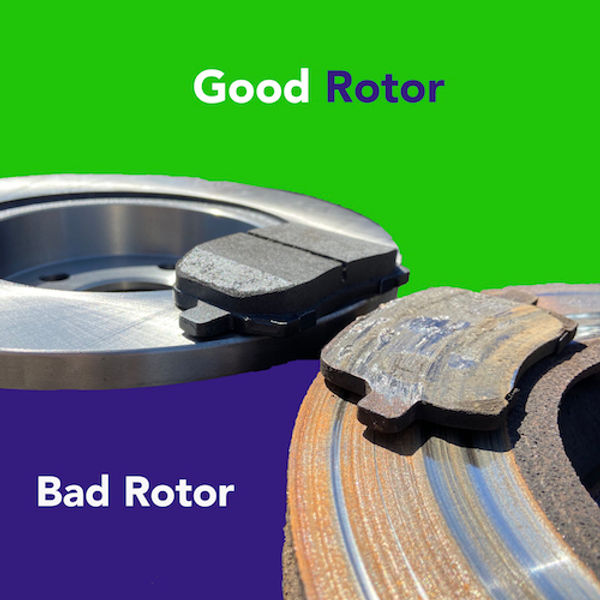
Rotors should have a smooth, flat surface. Deep grooves or lines mean the rotor is worn. These marks happen from brake pads pressing hard against the rotor. Grooves reduce the brake’s grip and cause noise or vibration.
Warped Rotors And Pulsation
Warped rotors cause a shaking feeling in the brake pedal. This pulsing happens because the rotor surface is uneven. Warped rotors create uneven contact with brake pads. This leads to poor braking and uncomfortable driving.
Rust And Corrosion
Rust can form on rotors, especially in wet areas. Small rust spots may not be a problem. Large rust patches weaken the rotor and reduce braking power. Corrosion can cause uneven wear and brake noise.
Blue Discoloration From Heat
Blue or purple marks on rotors show they got too hot. Overheating happens from heavy braking or bad brake pads. Heat changes the metal’s structure, making it weaker. Blue rotors may crack or fail soon.
How To Perform A Basic Brake Inspection
Performing a basic brake inspection helps keep your car safe. It shows if your brakes or rotors need attention. This check is simple and can save money on repairs. You only need a few tools and about 15 minutes.
Checking Brake Pad Thickness
Look through the wheel spokes to see the brake pads. The pad should be at least 3 millimeters thick. If thinner, it is time to replace them. Thin pads wear out fast and reduce stopping power.
Inspecting Rotor Surface
Check the rotor for grooves, cracks, or rust. A smooth surface means the rotor is healthy. Deep grooves or rust spots can cause noise and poor braking. Light surface rust can clean off after driving.
Testing Brake Response
Press the brake pedal and feel its pressure. It should be firm, not soft or spongy. A soft pedal may mean air in the brake lines or worn parts. Test braking at low speed to notice any unusual vibrations.
Listening For Unusual Noises
Listen for squealing, grinding, or clicking sounds when braking. Squealing often signals worn brake pads. Grinding means metal rubbing on metal and needs urgent repair. Clicking can indicate loose parts or damaged rotors.
When To Replace Pads Vs. Rotors
Knowing when to replace brake pads versus rotors helps keep your car safe. Both parts wear out but at different rates and signs. Brake pads usually wear faster than rotors. Watching for key signs can save money and avoid bigger repairs.
Brake Pad Replacement Frequency
Brake pads need replacement more often than rotors. Most pads last about 30,000 to 70,000 miles. Driving habits and road conditions affect how fast they wear. Listen for squealing sounds or feel a soft brake pedal. These signs mean pads are thinning and need changing soon.
Rotor Replacement Indicators
Rotors last longer but wear down too. Look for grooves, cracks, or warping on the rotor surface. Vibrations or pulsing brakes while stopping also hint at rotor problems. If rotors are too thin or damaged, replacing them is necessary. Sometimes rotors can be resurfaced instead of replaced.
Cost Considerations
Brake pad replacement costs less than rotor replacement. Pads are cheaper parts and faster to install. Rotor replacement can be costly due to part price and labor. Regular pad changes help protect rotors and lower total costs. Ignoring worn pads may lead to damaged rotors and bigger bills.
Safety Implications
Both pads and rotors affect braking performance and safety. Worn pads reduce stopping power and increase accident risk. Damaged rotors cause brake vibration and uneven braking. Timely replacement of pads and rotors keeps brakes responsive. Safe brakes protect you, passengers, and others on the road.
Credit: a1clovis.com
Preventive Brake Maintenance Tips
Preventive brake maintenance helps keep your car safe and saves money. Simple steps can stop brake problems before they start. Regular care extends the life of your brakes and rotors. It keeps your car running smooth and quiet.
Regular Brake Inspections
Check your brakes often. Look for worn pads or strange noises. A quick inspection can find issues early. It helps you avoid costly repairs later. Visit a mechanic if you notice any problems.
Avoiding Hard Braking
Brake gently whenever possible. Hard stops wear down brake pads fast. Smooth braking protects the rotors and pads. It also improves your car’s fuel efficiency. Try to slow down gradually.
Keeping Rotors Clean
Dirt and dust can damage rotors. Clean rotors help brakes work better. Use a soft brush or cloth to remove buildup. Avoid using harsh chemicals that can cause rust. Clean parts last longer and perform well.
Timely Replacement Schedule
Replace brake pads and rotors on time. Follow the manufacturer’s recommendations for your car. Delaying replacement can lead to more damage. Keep a record of past replacements. Staying on schedule saves money and keeps you safe.
Professional Brake Service Options
Professional brake service options help keep your vehicle safe on the road. Skilled mechanics can assess your brakes and suggest the best fix. They offer clear advice about what parts need work. Understanding these services helps you choose the right care for your brakes.
Brake Pad Replacement Services
Brake pads wear down with use and need regular replacement. Mechanics remove the old pads and install new ones quickly. This service restores proper braking and reduces noise. Fresh brake pads improve your car’s stopping power and safety.
Rotor Resurfacing Vs. Replacement
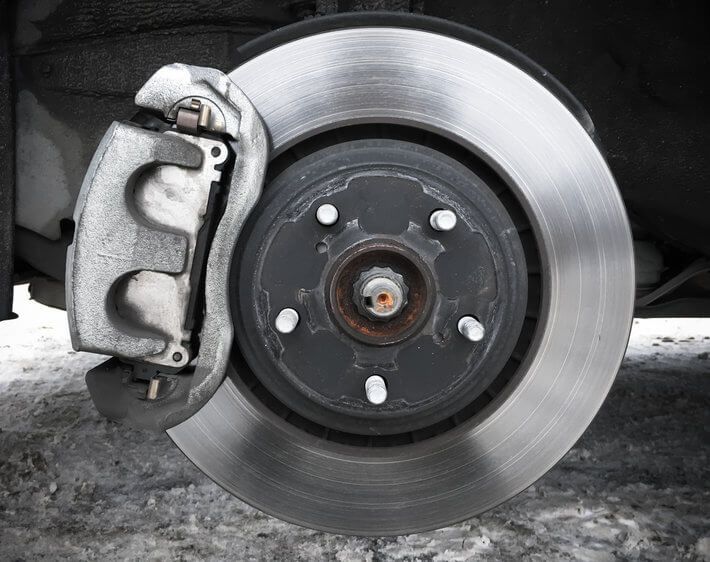
Rotors can become uneven or damaged over time. Resurfacing smooths the rotor surface to fix minor issues. Replacement is needed if rotors are too thin or cracked. Experts decide the best option based on rotor condition and safety.
Choosing A Trusted Mechanic
Select a mechanic with good reviews and proper certifications. Experienced technicians provide accurate brake inspections and repairs. Trustworthy shops explain problems clearly and offer honest prices. This choice ensures your brakes get proper care.
Cost Estimates For Repairs
Brake services vary in price depending on needed repairs. Brake pad replacement is usually less expensive than rotor work. Ask for detailed cost estimates before agreeing to repairs. Knowing the price helps you plan and avoid surprises.
Credit: www.tiresplus.com
Frequently Asked Questions
How Can I Tell If My Brakes Need Replacing?
If you hear squealing or grinding noises, your brakes may need replacement. Also, if stopping distance increases or the pedal feels soft, check your brake pads.
What Are The Signs Of Worn Brake Rotors?
Warped or cracked rotors cause vibrations during braking. You might also feel a pulsing brake pedal or hear scraping sounds, indicating rotor wear.
Can I Drive With Bad Brakes Or Rotors?
Driving with faulty brakes or rotors is dangerous. It can cause longer stopping distances and increase accident risk. Repair them immediately for safety.
How Often Should Brake Pads And Rotors Be Inspected?
Inspect brake pads and rotors every 12,000 miles or once a year. Regular checks help prevent costly repairs and ensure safe braking performance.
Conclusion
Knowing the signs of brake or rotor problems keeps you safe on the road. Strange noises, vibrations, or longer stopping times all point to needed repairs. Regular checks help catch issues early and save money. Don’t ignore unusual sounds or feelings when braking.
Acting quickly means better driving and less stress. Trust your senses and schedule a mechanic visit if unsure. Staying alert protects you and others every time you drive. Simple steps keep your brakes working well and your trips worry-free.


