

Have you noticed your car acting up lately? Maybe it’s losing power, stalling, or just not running as smoothly as before.
These problems might be more than just a bad day for your engine—they could be signs that your fuel filter is failing. Knowing how to spot a bad fuel filter early can save you time, money, and a lot of frustration.
You’ll learn the clear signs to watch for and simple steps to check if your fuel filter needs a change. Keep reading to protect your vehicle and keep it running at its best.

Credit: oilchangers.com
Symptoms Of A Bad Fuel Filter
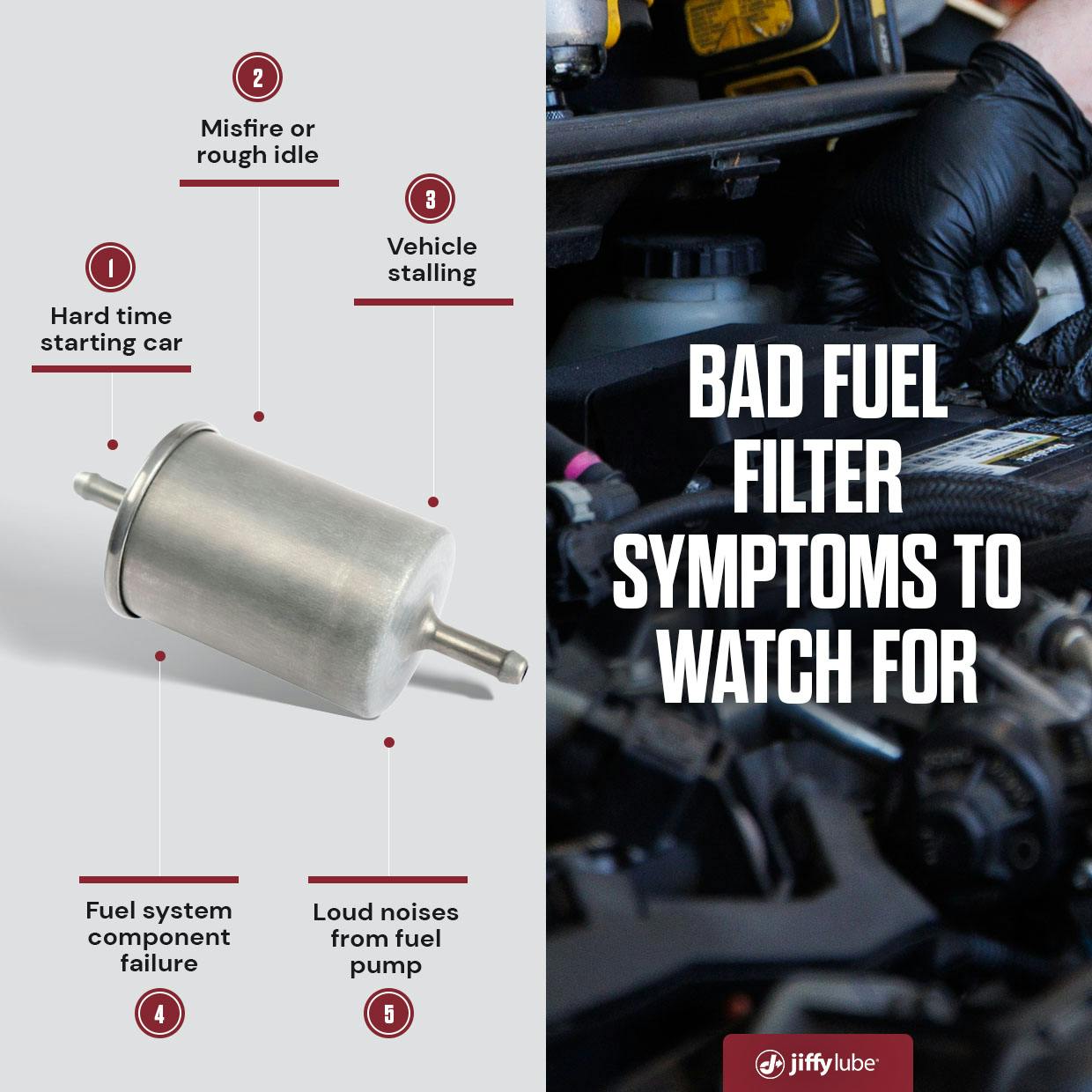
A bad fuel filter can cause many problems in your car’s engine. It blocks the fuel flow and makes the engine work harder. Knowing the symptoms helps you fix the problem early. This can save money and keep your car running smoothly.
Engine Misfires And Hesitation
The engine may misfire or hesitate during acceleration. This happens because the fuel flow is uneven. The fuel filter clogs and starves the engine of fuel. You might feel the car jerk or lose power.
Difficulty Starting The Engine
Starting the car can take longer than usual. The engine may crank but not start immediately. A bad fuel filter limits fuel reaching the engine. This makes ignition slow or hard.
Reduced Engine Power
Your car may lose power while driving. Climbing hills or quick acceleration becomes tough. The clogged fuel filter restricts fuel supply. The engine cannot perform at its best.
Stalling At Idle Or Under Load
The engine may stall when idling or under heavy load. This means the fuel flow is not steady. The filter blocks fuel, causing the engine to stop. Stalling can happen while stopping or driving.
Unusual Engine Noises
You may hear knocking or sputtering sounds from the engine. These noises occur due to poor fuel delivery. The engine struggles to run smoothly. A bad fuel filter often causes these sounds.

Credit: www.youtube.com
Visual And Physical Inspection
Visual and physical inspection of your fuel filter helps spot early problems. This check can save you from costly repairs and poor engine performance. It involves looking closely at the filter and the fuel system parts connected to it. Simple steps can reveal leaks, damage, or blockages. These clues show if the fuel filter is bad and needs changing.
Checking For Fuel Leaks
Fuel leaks are a clear sign of trouble. Look around the fuel filter for wet spots or fuel smell. Pay attention to connections and hoses near the filter. Cracks or loose fittings cause leaks. A small leak can cause poor engine power or even fire hazards. Check under the vehicle and around the engine bay carefully. Clean any dirt to see leaks more clearly.
Inspecting The Fuel Filter For Damage
Fuel filters should be solid and clean. Look for cracks, dents, or rust on the filter body. Damage weakens the filter and lets dirt pass through. Dirt buildup on the outside can also block fuel flow. Use your hand to feel for rough or damaged areas. A damaged filter needs replacement to protect the engine.
Assessing Fuel Flow
Fuel flow must be smooth for good engine running. Turn off the engine and disconnect the fuel line at the filter outlet. Place a container to catch the fuel. Turn the key to the “on” position but do not start the engine. Fuel should flow steadily and without interruption. Weak or no flow means a clogged or bad filter. This test shows if the filter blocks fuel and needs changing.
Fuel Filter Maintenance Schedule
Maintaining your fuel filter helps keep your engine running smoothly. Following a clear fuel filter maintenance schedule prevents clogs and poor performance. Knowing when to replace the fuel filter saves time and money on repairs. Understanding the right schedule helps you avoid unexpected breakdowns.
Manufacturer Recommendations
Check your vehicle’s manual for fuel filter guidelines. Most manufacturers suggest changing the filter every 20,000 to 40,000 miles. Some models might need replacement sooner or later. Stick to these recommendations to protect your engine. Using the right schedule ensures the filter works properly.
Signs To Replace Early
Watch for rough engine idling or trouble starting. Poor acceleration or engine misfires can signal a bad filter. Notice unusual noises from the fuel pump area. These signs mean the filter may be clogged. Replace the filter early to avoid damage and costly fixes.
Testing Fuel Pressure
Testing fuel pressure helps check the health of your fuel filter. A bad filter can lower fuel flow, causing engine problems. Measuring fuel pressure gives clear signs of filter issues. This test shows if fuel reaches the engine at the right pressure. Low pressure often means a clogged filter.
Tools Needed For Testing
You need a fuel pressure gauge to test the system. This tool measures how much fuel pressure is in the line. Also, get safety gloves and eye protection for the job. A wrench might be needed to connect the gauge to the fuel rail. Keep a rag handy to clean any spilled fuel.
Interpreting Test Results
Check the pressure reading against your car’s specs. The manual or online sources list the correct fuel pressure range. A reading below the normal range signals a bad fuel filter. Consistent low pressure means fuel flow is blocked. High pressure can indicate other issues, like a faulty regulator. Use the results to decide if the fuel filter needs replacement.
Common Causes Of Fuel Filter Failure
Fuel filters keep your engine safe by stopping dirt and rust from reaching the fuel system. Over time, these filters can fail. Knowing the common causes helps you spot problems early. This saves money and avoids engine trouble.
Contaminated Fuel
Dirty fuel is a top cause of filter failure. Fuel can hold dirt, rust, and water. These particles clog the filter quickly. Bad fuel comes from old tanks or poor-quality gas stations. Clogged filters reduce fuel flow and hurt engine performance.
Wear And Tear
Fuel filters wear out with time. The filter material breaks down after many miles. Small cracks or holes let dirt pass through. This wears down the engine parts. Regular replacement is necessary to keep the filter working well.
Environmental Factors
Dusty or humid places affect the fuel filter. Dust can stick to the outside and inside of the filter. Water from humidity or rain can enter the fuel system. These conditions speed up filter damage. Protect your vehicle by checking the filter often.
Replacing A Fuel Filter
Replacing a fuel filter is important to keep your vehicle running smoothly. A clogged fuel filter can cause poor engine performance and reduce fuel efficiency. Changing the filter regularly helps prevent these problems. It also protects the fuel pump and engine parts from dirt and debris.
Some car owners prefer to replace the fuel filter themselves. Others choose to hire a mechanic. Both ways work well if done correctly. Knowing the right steps can save time and money.
Diy Replacement Tips
First, make sure the engine is cool before starting. Locate the fuel filter under the car or near the engine. Use a wrench to loosen the clamps or bolts holding it. Be careful to avoid fuel spills. Have a container ready to catch any leaking fuel.
Take note of how the old filter is installed. Install the new filter in the same direction. Tighten the clamps or bolts securely but do not over-tighten. Check for leaks after installation by running the engine for a few minutes. Dispose of the old filter properly.
When To Seek Professional Help
Seek professional help if the fuel filter is hard to reach. Modern cars may have filters inside the fuel tank. Special tools might be needed. Call a mechanic if you notice fuel leaks or smell gasoline. A professional can ensure the replacement is safe and correct.
Also, get help if you do not have the right tools. Avoid risking injury or damage to your vehicle. A mechanic can inspect the fuel system thoroughly. This can prevent future problems and keep your car reliable.
Credit: www.jiffylube.com
Frequently Asked Questions
How Do I Identify A Bad Fuel Filter?
A bad fuel filter causes engine misfires, hesitation, and poor acceleration. Check for reduced fuel efficiency and unusual engine noises. If your vehicle struggles to start or stalls frequently, the fuel filter may be clogged or dirty.
What Are Common Symptoms Of A Clogged Fuel Filter?
Common symptoms include engine sputtering, rough idling, and loss of power. You might also notice increased fuel consumption and difficulty starting the car. These signs indicate restricted fuel flow due to a clogged filter.
How Often Should I Replace My Fuel Filter?
Typically, replace your fuel filter every 20,000 to 40,000 miles. Check your vehicle’s manual for specific recommendations. Regular replacement ensures optimal engine performance and prevents fuel system damage.
Can A Bad Fuel Filter Cause Engine Stalling?
Yes, a bad fuel filter restricts fuel flow, causing the engine to stall. This happens especially during acceleration or under load. Replacing the filter usually resolves stalling issues and improves engine reliability.
Conclusion
A bad fuel filter can cause many car problems. You might notice slow acceleration or engine trouble. Regular checks help find issues early. Clean filters keep fuel flowing well. Replacing a dirty filter saves time and money. Listen to your car and watch for signs.
Taking care of the fuel filter helps your car run smooth. Don’t wait until problems get worse. Small steps keep your vehicle healthy and strong.


