

If you drive a diesel vehicle, you might wonder how often your fuel filter needs changing. You might not realize it, but a clean fuel filter is key to keeping your engine running smoothly.
Ignoring it can lead to poor performance, costly repairs, and even breakdowns. You’ll discover the signs that your fuel filter needs attention and exactly when to replace it. By the end, you’ll know how to protect your engine and save money in the long run.
Keep reading to learn the simple steps that can keep your diesel engine healthy and strong.
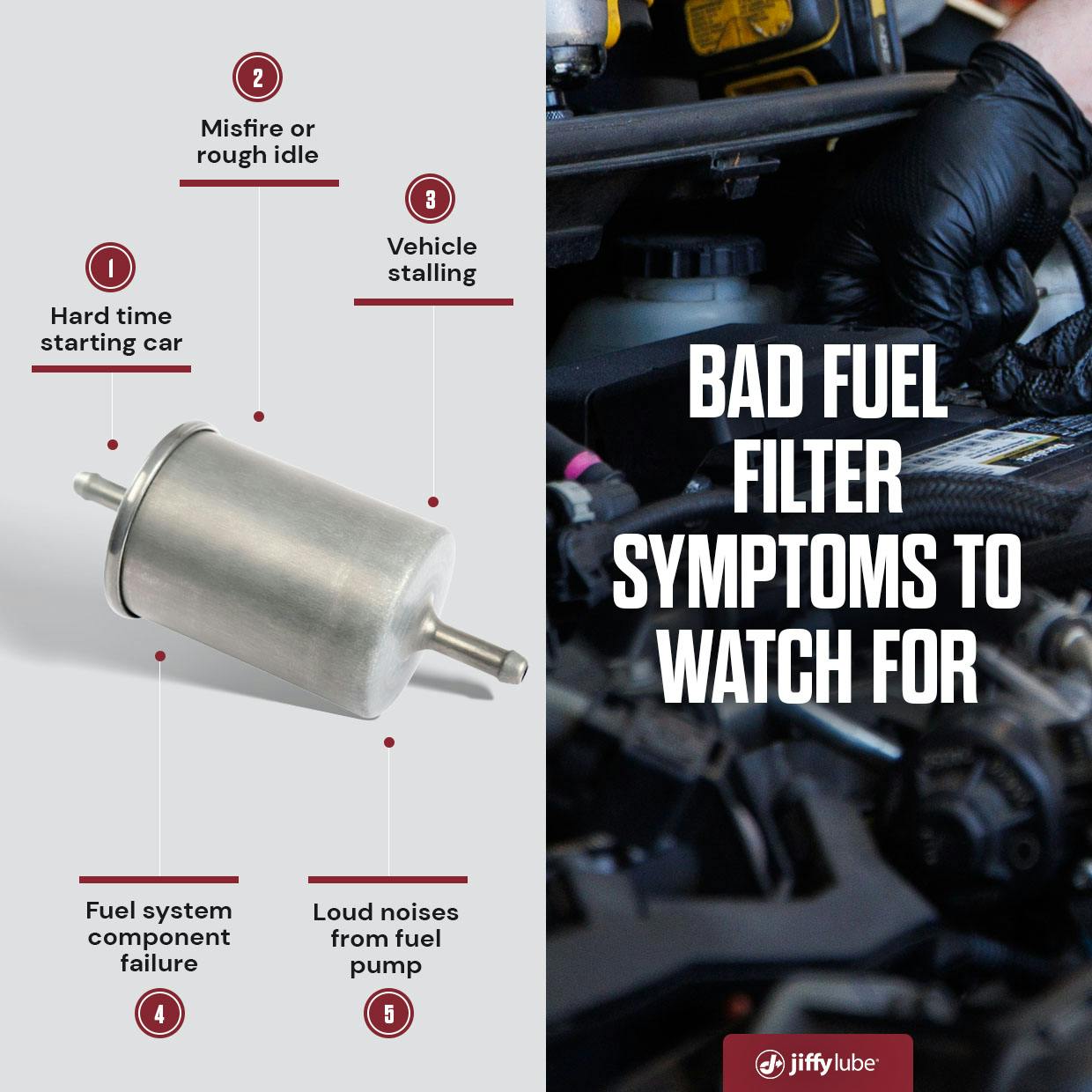
Credit: www.jiffylube.com
Role Of Fuel Filter In Diesel Engines
The fuel filter plays a key role in diesel engines. It cleans the diesel fuel before it reaches the engine. Dirt, rust, and other particles can enter the fuel tank during refueling or storage. The filter stops these impurities from entering the engine, protecting the engine parts from damage.
A clean fuel filter helps the engine run smoothly. It also helps save fuel by keeping the fuel system clean. Understanding the fuel filter’s role helps know why changing it regularly is important.
Protecting Engine Components
The fuel filter catches dirt and debris in the diesel fuel. This prevents damage to sensitive engine parts like injectors and pumps. Clean fuel helps these parts work longer and better. Dirty fuel can cause clogging and wear, leading to costly repairs. A good filter keeps the engine safe and healthy.
Maintaining Fuel Efficiency
A clean fuel filter helps maintain steady fuel flow. This improves combustion, making the engine more efficient. When the filter is dirty, fuel flow slows down. The engine works harder and uses more fuel. Changing the filter on time keeps fuel use low and performance high.
Signs Of A Clogged Fuel Filter
A clogged fuel filter in a diesel engine can cause several noticeable problems. It blocks the flow of fuel, making the engine work harder. Recognizing these signs early helps avoid costly repairs and keeps your vehicle running smoothly.
Watch for changes in how your engine behaves. These clues point to a fuel filter that needs attention.
Engine Performance Issues
A dirty fuel filter reduces fuel supply to the engine. This leads to poor acceleration and low power. The engine may struggle on hills or when carrying heavy loads. You might notice rough idling or frequent stalling. These are clear signs the filter is clogged.
Starting Problems
Hard starts or failure to start can indicate a blocked fuel filter. The engine needs a steady fuel flow to ignite properly. A clogged filter restricts this flow, making the diesel engine slow to start or not start at all. This problem gets worse over time if not fixed.
Unusual Noises
Listen for strange sounds from your engine. A clogged fuel filter can cause sputtering or knocking noises. The engine may sound like it is struggling to run smoothly. These noises suggest fuel is not reaching the engine correctly.
Recommended Replacement Intervals
The lifespan of a fuel filter in a diesel engine depends on several important factors. These factors affect how quickly the filter gets clogged and needs replacement. Understanding them helps maintain engine health and avoid costly repairs.
Fuel filters clean the fuel before it reaches the engine. Over time, dirt and particles build up inside the filter. This reduces fuel flow and engine performance. Knowing what affects filter life helps set the right replacement schedule.
Fuel Quality
Fuel quality plays a big role in filter lifespan. Poor-quality diesel contains more dirt and impurities. These particles clog the filter faster. Clean, high-quality fuel reduces stress on the filter and lasts longer. Always use fuel from trusted sources.
Environmental Conditions
Harsh environmental conditions can shorten filter life. Dusty roads, extreme temperatures, and moisture increase contamination. Dirt and water enter the fuel system more easily. Filters work harder to remove these elements. Replace filters more often in tough environments.
Vehicle Usage Patterns
How a vehicle is used affects filter wear. Frequent short trips do not let the engine warm fully. This causes more condensation and sludge in fuel. Heavy loads and rough driving increase fuel impurities. Vehicles driven hard or often need quicker filter changes.
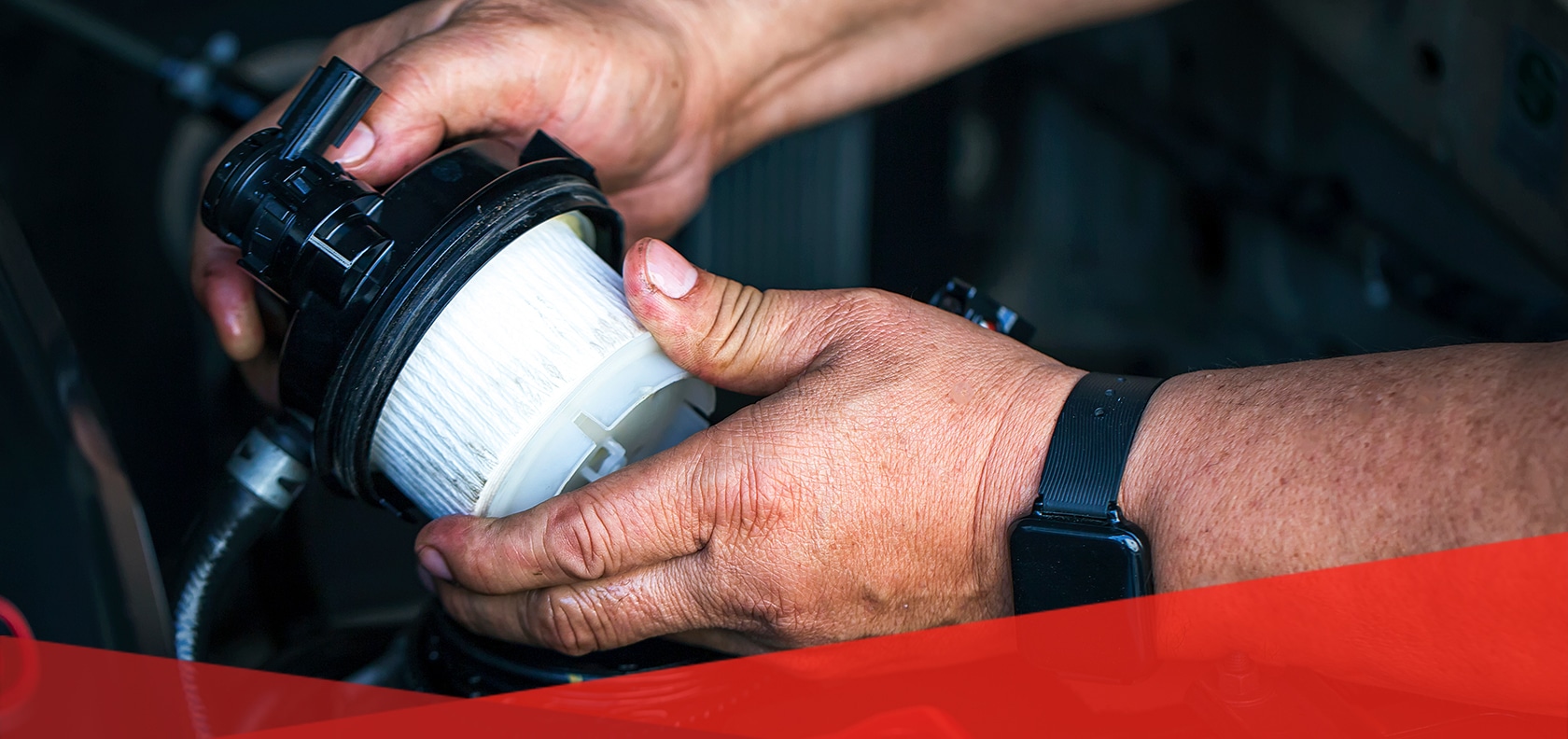
Credit: www.mapfreinsurance.com
Factors Affecting Fuel Filter Lifespan
Changing a diesel fuel filter keeps your engine clean and running well. Dirt and debris can block fuel flow and cause problems. Regular replacement helps avoid costly repairs and poor performance.
The process is simple with the right tools and care. Follow these steps carefully to change your fuel filter safely and correctly.
Tools And Materials Needed
- New diesel fuel filter
- Wrenches or socket set
- Screwdrivers
- Drain pan
- Clean rags or paper towels
- Gloves
- Safety glasses
- Fuel line clamps (optional)
Safety Precautions
Work in a well-ventilated area to avoid fumes. Wear gloves and safety glasses for protection. Keep a fire extinguisher nearby. Avoid open flames or sparks during the process. Dispose of old fuel and filters properly. Follow all safety guidelines to prevent accidents.
Step-by-step Replacement Process
- Turn off the engine and allow it to cool.
- Locate the fuel filter; check your vehicle manual if unsure.
- Place a drain pan under the filter to catch fuel spills.
- Use wrenches to loosen the fuel lines connected to the filter.
- Remove the old fuel filter carefully to avoid spills.
- Install the new fuel filter in the same position.
- Tighten the fuel lines securely without over-tightening.
- Prime the fuel system if your vehicle requires it.
- Start the engine and check for leaks around the filter.
- Clean up any spilled fuel and dispose of the old filter safely.
Steps To Change A Diesel Fuel Filter
Replacing the fuel filter on time brings many benefits to your diesel engine. It keeps the engine clean and helps it run smoothly. Dirty fuel can cause problems that slow down the engine or even damage it. Changing the fuel filter regularly helps avoid these issues and keeps the engine healthy for a long time.
Improved Engine Performance
A clean fuel filter stops dirt and rust from reaching the engine. This means the engine gets pure fuel, which helps it run better. The engine starts faster and runs without hesitation. You will notice better power and smoother driving. This improves fuel efficiency and saves money on fuel.
Reduced Emissions
A fresh fuel filter helps the engine burn fuel cleanly. It lowers the amount of harmful gases released into the air. This is good for the environment and helps meet emission rules. Clean fuel also reduces smoke from the exhaust, making your vehicle less polluting.
Lower Maintenance Costs
Regular fuel filter replacement prevents damage to the engine parts. It stops costly repairs caused by clogged or dirty fuel filters. The engine lasts longer and needs fewer repairs. This saves money over time and keeps your diesel vehicle reliable.
Benefits Of Timely Fuel Filter Replacement
Knowing when to consult a professional about your diesel fuel filter can save your engine. Some issues need expert help to avoid costly repairs. Understanding these signs helps you keep your vehicle in good shape.
Complex Fuel Systems
Modern diesel engines often have complex fuel systems. These systems include multiple filters and sensors. Replacing a fuel filter in such engines is not always simple. Experts have the right tools and knowledge. They can check the entire system to ensure proper function. Attempting a DIY fix might cause more harm than good.
Persistent Engine Problems
Persistent engine problems may signal a clogged or faulty fuel filter. Rough idling, poor acceleration, or stalling are common signs. If these issues continue after a filter change, seek professional help. A mechanic can diagnose hidden problems. Timely intervention can prevent engine damage and improve performance.
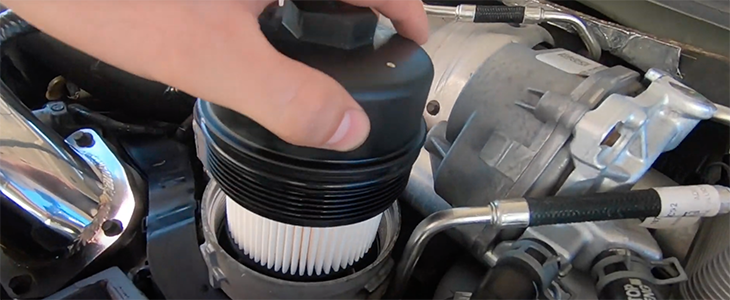
Credit: boodmo.com
Frequently Asked Questions
How Often Should Diesel Fuel Filters Be Replaced?
Diesel fuel filters should be replaced every 10,000 to 15,000 miles. Regular replacement prevents clogging and protects the engine from contaminants, ensuring smooth performance and fuel efficiency.
What Are Signs Of A Clogged Diesel Fuel Filter?
Common signs include engine misfires, difficulty starting, loss of power, and poor acceleration. These symptoms indicate restricted fuel flow, signaling it’s time to change the fuel filter.
Can I Delay Changing The Diesel Fuel Filter?
Delaying fuel filter replacement risks engine damage and reduced fuel efficiency. Sticking to the recommended schedule prevents costly repairs and maintains optimal engine health.
Does Diesel Fuel Quality Affect Filter Lifespan?
Yes, poor-quality diesel with impurities clogs filters faster. Using clean, high-grade fuel extends the filter’s lifespan and enhances overall engine performance.
Conclusion
Changing the fuel filter keeps your diesel engine healthy. It stops dirt from reaching the engine parts. Most experts suggest changing it every 10,000 to 15,000 miles. But check your vehicle’s manual for exact advice. Clean fuel helps your engine run smoothly and saves money on repairs.
Don’t wait until problems start. Regular changes mean better performance and longer engine life. Simple steps like this protect your diesel engine well. Stay on top of maintenance, and your vehicle will thank you.


