

Are you ready to make your vinyl wrap last longer and look even better? Laminating your vinyl wrap is the secret step that can protect it from scratches, fading, and everyday wear.
But how do you do it right, without bubbles or damage? In this guide, you’ll discover simple, clear steps to laminate your vinyl wrap like a pro. By the end, you’ll have the confidence to protect your investment and keep your wrap looking fresh for years.
Let’s dive in and transform your vinyl wrap into a durable, eye-catching finish.
Choosing The Right Laminate
Choosing the right laminate is key to a successful vinyl wrap project. The laminate protects the vinyl from damage and affects the final look. Picking the right finish and type can make your wrap last longer and look better. Consider the surface shine, texture, and durability before buying.
Glossy Vs Matte Finishes
Glossy laminates create a shiny, bright surface. They reflect light and make colors pop. Glossy finishes suit cars or signs that need a sleek look. Matte laminates give a flat, smooth finish without shine. They reduce glare and hide fingerprints well. Matte is popular for a modern, subtle style.
Self-healing Laminates
Self-healing laminates fix minor scratches by themselves. Heat from the sun or warm air helps scratches fade away. These laminates keep the wrap looking new longer. They work best for areas exposed to small damages. Self-healing is ideal for car wraps or outdoor signs.
Durability Factors
Durability depends on laminate thickness and material quality. Thicker laminates offer better protection against tears and wear. UV resistance stops colors from fading in sunlight. Water and chemical resistance protect the wrap from stains. Choose laminates that match the environment and use.

Credit: rjsign.com
Preparing The Vinyl Wrap
Preparing the vinyl wrap is a key step before laminating. This ensures the wrap sticks well and looks smooth. Taking time to prepare helps avoid bubbles and wrinkles later.
Start by making sure the surface is clean and free from dirt. Dust and debris can cause bumps. Also, the temperature must be right to help the wrap set properly.
Cleaning The Surface
Use a mild soap and water mix to clean the surface. Wipe it down with a soft cloth. Avoid harsh chemicals that can damage the vinyl or the surface underneath.
Make sure to remove grease and oils too. These can stop the wrap from sticking well. Let the surface dry completely before moving on.
Removing Dust And Debris
Dust can ruin your work. Use a lint-free cloth to wipe the area again. A tack cloth works great to pick up tiny particles.
Clean the edges and corners carefully. These spots often collect hidden dirt. A clean surface ensures the wrap lays flat and smooth.
Temperature Considerations
Keep the room temperature between 60°F and 80°F (15°C to 27°C). Too cold makes the vinyl stiff and hard to work with.
Too hot can cause the adhesive to become too soft. This may lead to bubbles or stretching. Work in a stable environment for best results.
Tools Needed For Lamination
Laminating vinyl wrap requires specific tools for a smooth finish. The right tools help avoid bubbles, wrinkles, and damage. Preparation is key to a professional look. Understanding each tool’s role makes the process easier and faster.
Squeegee Types
Squeegees push out air and smooth the vinyl. Soft felt squeegees prevent scratches on delicate surfaces. Hard plastic squeegees work well for tougher vinyl. Choose a size that fits your project. Using the correct squeegee reduces bubbles and wrinkles.
Heat Gun Usage
A heat gun softens the vinyl for better adhesion. It helps wrap vinyl around curves and edges. Keep the gun moving to avoid burning the wrap. Use low to medium heat settings. Heat guns make the vinyl flexible without damaging it.
Cutting Tools
Sharp cutting tools trim excess vinyl cleanly. A utility knife or craft knife works best. Replace blades often for precise cuts. Use a straight edge for accurate trimming. Proper cutting tools prevent jagged edges and tears.
Applying The Laminate
Applying laminate to vinyl wrap takes care and precision. It protects the wrap and gives it a smooth, glossy finish. Proper application ensures the laminate stays strong and looks great for a long time.
Work in a clean, dust-free area. Dust or dirt can cause bumps under the laminate. Gather all tools before starting, such as a squeegee, a sharp knife, and a lint-free cloth.
Aligning The Laminate Sheet
Start by measuring your vinyl wrap. Cut the laminate sheet slightly larger than the wrap. Place the laminate gently over the wrap. Check that edges line up correctly. Take your time to avoid mistakes. Small adjustments now save problems later.
Smooth Application Techniques
Hold the laminate at one edge. Slowly lay it down over the vinyl. Use a squeegee to press the laminate flat. Move from the center outwards. This method helps push air out. Keep the pressure steady and firm. Work slowly to keep the surface smooth.
Avoiding Bubbles And Wrinkles
Air bubbles ruin the finish and can peel the laminate. Use the squeegee to push bubbles toward the edges. If bubbles remain, lift the laminate gently. Smooth the area again before pressing down fully. Wrinkles happen if the laminate folds. Keep the sheet taut but not stretched. Take breaks if needed to keep focus.
Heating And Stretching
Heating and stretching are key steps when laminating vinyl wrap. Proper heat softens the vinyl, making it easier to stretch. Stretching lets the vinyl fit snugly on curves and edges. Cooling locks the vinyl in place, ensuring a smooth finish. Each step needs care to avoid damage.
Proper Heat Settings
Use a heat gun or a hairdryer with adjustable settings. Set the temperature between 200°F and 250°F (93°C to 121°C). Too much heat can melt the vinyl. Too little heat makes stretching difficult. Keep the heat source moving to avoid burning one spot.
Stretching Around Curves
Heat the vinyl until it feels soft and flexible. Slowly pull the vinyl over the curve. Stretch gently to prevent tears or bubbles. Work in small sections for better control. Use a squeegee to press the vinyl down firmly.
Cooling Down Steps
After stretching, let the vinyl cool naturally. Avoid touching or moving it during this time. Cooling helps the vinyl keep its new shape. Use a soft cloth to press down any edges. This step prevents wrinkles and lifts later on.
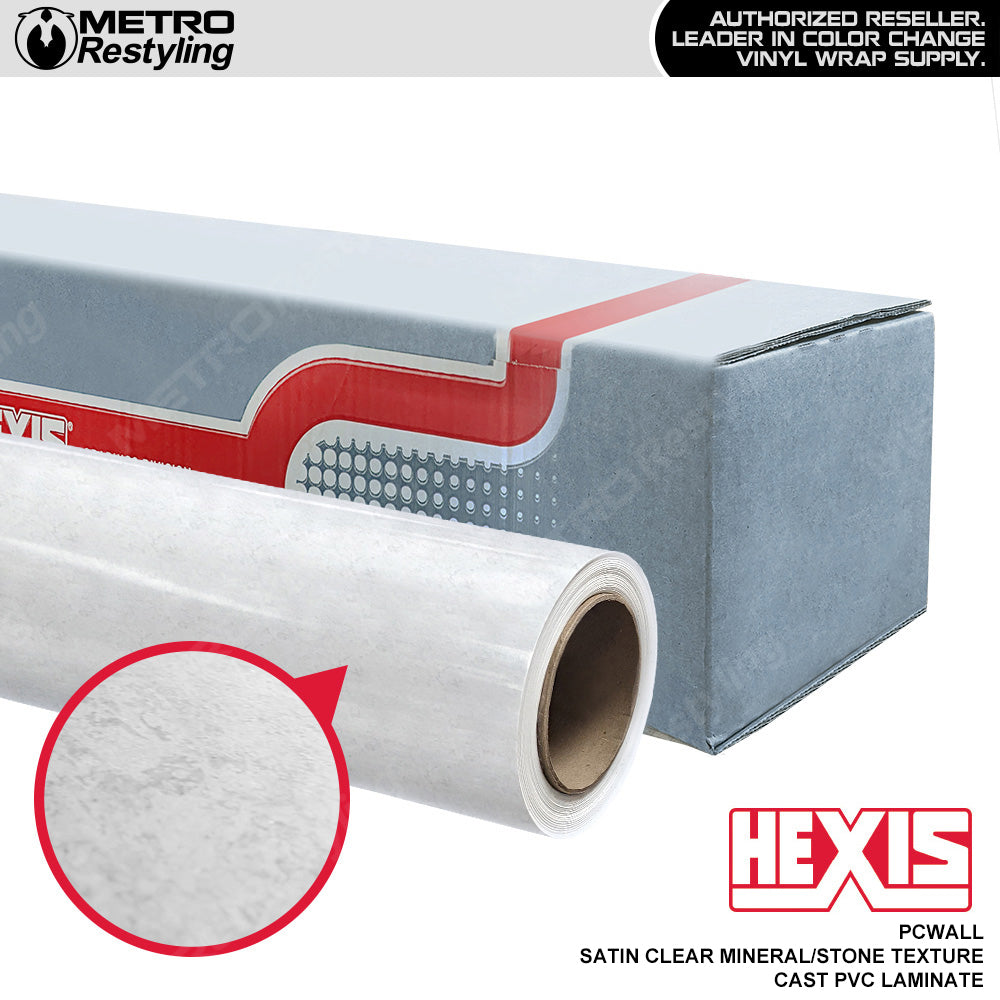
Credit: metrorestyling.com
Trimming And Finishing
Trimming and finishing are key steps in laminating vinyl wrap. These steps ensure the wrap looks neat and lasts longer. Careful trimming removes excess material. Proper finishing seals the edges to protect against peeling and dirt.
Precise Cutting Methods
Use a sharp utility knife or vinyl cutter for clean cuts. Cut slowly and follow the edge of the surface. Avoid cutting too deep to prevent damage underneath. Use a straight edge or ruler for straight lines. Small scissors work well for curves and tight spots. Cut slightly larger than the final size. This allows room to adjust before final trimming.
Sealing Edges
Seal edges with edge sealer or clear tape. This stops moisture and dirt from getting under the wrap. Apply the sealer evenly along all edges. Press down firmly to secure the seal. For extra protection, use a heat gun to soften the edges. This helps the wrap stick better and look smooth. Avoid overheating, which can damage the vinyl.
Final Inspection Tips
Look closely at all edges and corners. Check for bubbles, loose spots, or uneven cuts. Smooth out any small bubbles with a squeegee or soft cloth. Re-cut or reseal any problem areas. Make sure the wrap feels firmly attached everywhere. A careful final check ensures your vinyl wrap stays strong and looks great.
Common Mistakes To Avoid
Laminating vinyl wrap can protect your work and keep it looking great. Avoiding common mistakes saves time and money. These errors often cause bubbles, peeling, or dull finishes. Understanding what to watch for helps achieve a smooth, durable result.
Overheating Risks
Too much heat can damage vinyl wrap and laminate. It may cause warping, bubbling, or discoloration. Use a heat gun carefully. Keep it moving and at a safe distance. Let the material cool down between passes.
Poor Surface Prep
Dirty or oily surfaces stop laminate from sticking well. Clean the vinyl wrap thoroughly before laminating. Use a mild cleaner and a lint-free cloth. Make sure the surface is dry and free of dust or grease.
Incorrect Laminate Choice
Choose laminate made for vinyl wraps. Some laminates are too thick or too thin. Wrong laminate can peel or crack easily. Check product details and pick the right type for your project. This ensures better protection and longer life.

Credit: www.amazon.com
Maintenance And Longevity
Proper maintenance extends the life of laminated vinyl wraps. It keeps the wrap looking fresh and protects the surface underneath. Taking simple steps can prevent damage and maintain the shine. Regular care helps avoid costly repairs or early replacement.
Cleaning Laminated Vinyl
Use a soft cloth and mild soap to clean laminated vinyl. Avoid harsh chemicals or abrasive tools that can scratch the surface. Rinse with clean water and dry with a microfiber cloth. Clean the wrap regularly to remove dirt and grime. This prevents buildup that can weaken the laminate.
Avoiding Damage
Keep sharp objects away from the vinyl wrap. Do not use high-pressure washers too close to the surface. Park in shaded areas to protect from sun damage. Avoid parking near trees that drop sap or debris. Careful handling prevents peeling, cracking, or fading of the laminate.
When To Reapply Laminate
Check the wrap for dullness or peeling edges. If the laminate starts to lift, it is time to reapply. Small scratches can also mean reapplication is needed. Regular inspection helps catch problems early. Timely reapplication keeps the vinyl wrap durable and visually appealing.
Frequently Asked Questions
What Materials Do I Need To Laminate Vinyl Wrap?
You need a laminating film, squeegee, heat gun, and a clean surface. These tools ensure smooth application and strong adhesion. Proper materials protect the vinyl from scratches and UV damage.
How Do I Prepare Vinyl Wrap For Lamination?
Clean the vinyl surface thoroughly to remove dust and oils. Ensure it is dry and smooth. Proper preparation prevents bubbles and improves lamination quality.
Can I Laminate Vinyl Wrap At Home Easily?
Yes, with the right tools and patience, you can laminate vinyl wrap at home. Follow step-by-step instructions, work slowly, and use a heat gun for best results.
What Is The Best Temperature For Laminating Vinyl Wrap?
The ideal temperature is between 120°F and 150°F (49°C to 65°C). This range softens the laminate without damaging the vinyl, ensuring a smooth finish.
Conclusion
Laminating vinyl wrap protects it from damage and wear. It makes the wrap last longer and look better. Applying laminate carefully ensures smooth and strong coverage. Always work slowly to avoid bubbles and wrinkles. Clean the surface before you start for best results.
Practice helps you get better with each attempt. Keep tools and materials ready to save time. A well-laminated vinyl wrap keeps your project neat and bright. Try these steps for a professional finish every time.


