

Are you ready to transform your car or any surface with a fresh, eye-catching look? Vinyl wrapping is the perfect way to do that, but getting it right takes practice.
Imagine saving money by doing it yourself and turning heads wherever you go. You’ll learn simple, step-by-step tips to master vinyl wrapping like a pro. Whether you’re a beginner or just want to improve your skills, these easy methods will boost your confidence and help you avoid common mistakes.
Keep reading, and soon you’ll be wrapping with ease and style!

Credit: centrerest.com
Choosing The Right Vinyl
Choosing the right vinyl is a key step in vinyl wrapping. The type, color, and quality of vinyl affect the final look. Good choices make the wrapping process easier and the result better. Learn about different vinyl films, colors, finishes, and quality factors.
Types Of Vinyl Films
There are several types of vinyl films. Cast vinyl is thin and flexible. It works well on curved surfaces. Calendered vinyl is thicker and less flexible. It fits flat or simple shapes. For beginners, cast vinyl often gives better results. It lasts longer and resists shrinking.
Selecting Colors And Finishes
Vinyl comes in many colors and finishes. Matte finish gives a smooth, flat look. Glossy finish reflects light and looks shiny. Satin finish is between matte and glossy. Choose colors that match your style or brand. Light colors hide dust and scratches better. Dark colors show dirt more easily but look bold.
Quality Considerations
High-quality vinyl lasts longer and resists damage. Low-quality vinyl may peel or fade fast. Look for vinyl with strong adhesive. It should stick well but also allow repositioning. Check the vinyl thickness; thicker films are easier to work with. Buy vinyl from trusted brands for better results.
Credit: www.pirouette-editions.fr
Preparing The Surface
Preparing the surface is the first and most important step in vinyl wrapping. A clean and smooth surface helps the vinyl stick better and last longer. Dirt, dust, and imperfections can cause bubbles and wrinkles. Take time to prepare well for a neat and professional finish.
Cleaning Techniques
Start by washing the surface with soap and water. Use a soft cloth or sponge to remove dirt. Rinse well and dry completely. Next, use isopropyl alcohol on a clean cloth. Wipe the surface to remove oils and grease. Avoid using strong chemicals that can damage the paint.
Removing Imperfections
Check the surface for scratches, dents, or rust spots. Sand lightly with fine-grit sandpaper to smooth out rough areas. Fill dents with body filler if needed and sand again. Clean the surface once more after sanding. A smooth surface prevents bumps under the vinyl.
Temperature And Environment Setup
Work in a clean, dust-free area. Avoid windy or humid spaces. The ideal temperature is between 60°F and 80°F (15°C to 27°C). Cold weather makes vinyl stiff. Heat can cause it to stretch too much. Proper temperature helps vinyl stick evenly and reduces bubbles.
Tools And Equipment
Vinyl wrapping needs the right tools and equipment for the best results. Proper tools make the process easier and help avoid mistakes. Beginners should know which items are essential and which ones are optional. This helps save money and time.
Essential Tools List
You need a squeegee to smooth out air bubbles and wrinkles. A heat gun is important to stretch and shape the vinyl. A sharp utility knife or blade cuts the vinyl cleanly. Measuring tape helps to measure the surface accurately. A cleaning solution and microfiber cloth prepare the surface by removing dust and grease.
Optional Accessories
Gloves protect your hands and keep the vinyl clean. A magnifying glass can help with small details. A roller tool ensures firm adhesion on curves. Masking tape assists in positioning the vinyl before sticking. A plastic scraper can replace the squeegee for delicate areas.
Maintenance Tips
Keep your tools clean after every use to extend their life. Store blades in a dry place to avoid rust. Replace worn-out squeegees to prevent scratches on the vinyl. Check your heat gun regularly for safe operation. Organize your tools in a box to find them easily next time.

Credit: mbsr-montpellier.com
Applying The Vinyl
Applying vinyl is a key step in the wrapping process. It requires care and patience. A proper application ensures the vinyl sticks well and looks smooth. Follow each step carefully to avoid wrinkles or bubbles. Take your time and work in a clean, dust-free area.
Measuring And Cutting
Start by measuring the surface you want to wrap. Use a tape measure for accuracy. Add a few extra inches to the vinyl size. This allows room for adjustments and trimming. Use a sharp utility knife or scissors to cut the vinyl. Cut slowly to keep straight edges and avoid mistakes.
Positioning And Aligning
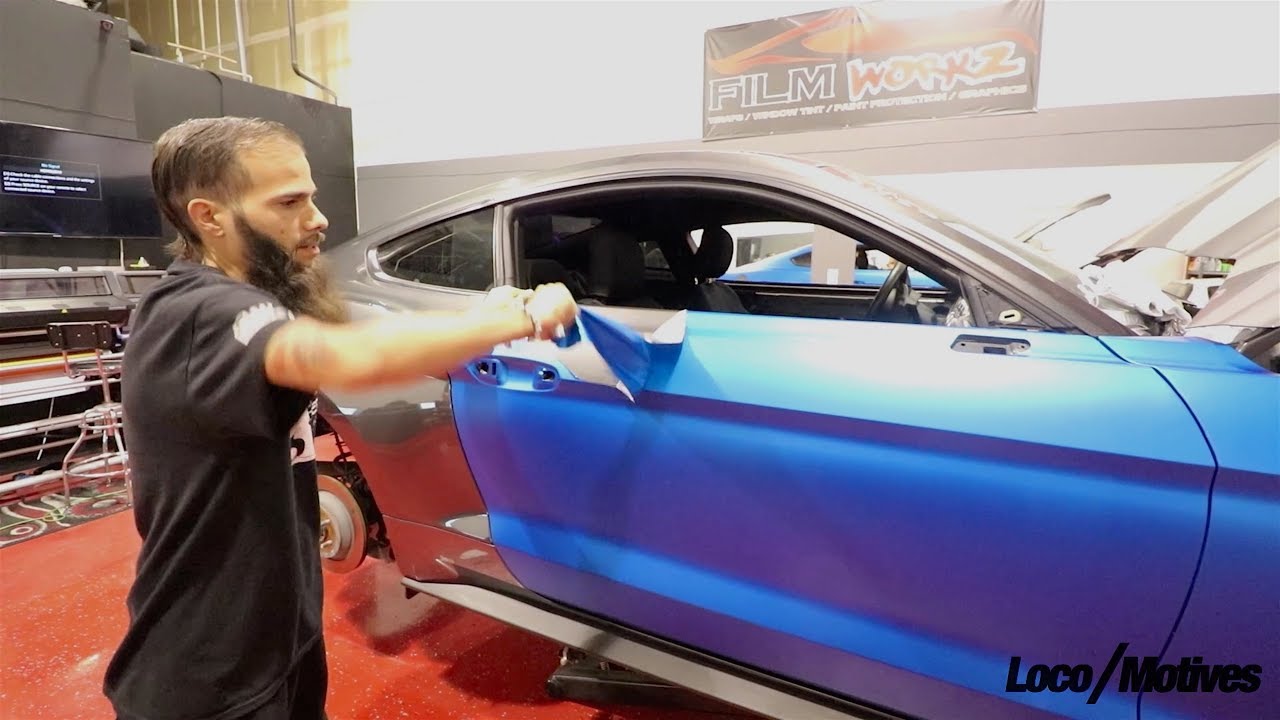
Peel a small part of the backing paper from the vinyl. Place the vinyl on the surface gently. Check the alignment before sticking it down fully. Use your hands or a squeegee to hold the vinyl in place. Make small adjustments as needed to center the vinyl properly.
Smoothing And Stretching
Start smoothing the vinyl from the center outward. Use a squeegee or soft cloth to press out air bubbles. Stretch the vinyl gently over curves and edges. Avoid pulling too hard to prevent tears or distortion. Work slowly and smooth the vinyl evenly to get a clean finish.
Handling Difficult Areas
Handling difficult areas is a key skill in vinyl wrapping. These spots need special care to avoid damage and get a smooth finish. Practice helps build confidence and improves results on tricky parts of the vehicle.
Corners And Curves
Corners and curves require gentle stretching of the vinyl. Use a heat gun to soften the material slightly. This makes it easier to shape without tearing. Work slowly, pressing the vinyl into the curve with a squeegee. Avoid sharp bends that cause wrinkles or bubbles.
Edges And Seams
Edges and seams must be clean and smooth. Trim excess vinyl carefully to prevent lifting. Use a squeegee to press the vinyl down firmly along edges. Heat helps the vinyl stick better around seams. Take time to ensure the vinyl lays flat and tight.
Dealing With Bubbles And Wrinkles
Bubbles and wrinkles spoil the vinyl’s look. Use a pin to prick small bubbles. Press the air out gently with a squeegee. Heat the vinyl to relax wrinkles, then smooth them out slowly. Patience and gentle pressure keep the wrap flawless.
Finishing Touches
Finishing touches are key to a clean, professional vinyl wrap. They help the wrap last longer and look smooth. This part requires care and patience. Small steps now save big problems later.
Trimming Excess Vinyl
Trim extra vinyl carefully with a sharp blade. Cut close to edges but avoid scratching the surface. Use a ruler or edge tool for straight lines. Take your time to prevent uneven cuts.
Heat Setting Techniques
Use a heat gun to soften the vinyl gently. Warm the wrap evenly, not too hot to avoid damage. Heat helps vinyl shrink and fit curves tightly. Move the heat source steadily to prevent bubbles.
Protective Coatings
Apply a clear protective coat to shield the wrap. It guards against scratches, dirt, and sun damage. Use a product made for vinyl surfaces. Let the coating dry completely before using the vehicle.
Common Mistakes To Avoid
Vinyl wrapping is a fun and creative way to change the look of your vehicle or items. Mistakes can cause wrinkles, bubbles, or peeling. Avoiding common errors saves time and gives a smooth finish. Understanding these mistakes helps you get better results with vinyl wrapping.
Surface Preparation Errors
Not cleaning the surface well leads to poor vinyl adhesion. Dirt, dust, and grease stop the vinyl from sticking properly. Always wash and dry the area before wrapping. Small scratches or rough spots can show under the vinyl. Sand and smooth the surface if needed. Proper preparation is the first step to a great wrap.
Incorrect Application Methods
Applying vinyl too fast can cause bubbles and wrinkles. Take your time and stretch the vinyl carefully. Using too much heat may damage the vinyl or cause it to shrink unevenly. Use a heat gun at a low temperature and move it steadily. Avoid touching the adhesive side with your fingers. These steps help the vinyl lay flat and look neat.
Neglecting Aftercare
Skipping aftercare weakens the vinyl wrap’s durability. Avoid washing your wrapped vehicle for a few days. Use gentle soaps and soft cloths when cleaning the wrap. Harsh chemicals and rough scrubbing can damage the vinyl surface. Store the wrapped items away from direct sunlight if possible. Taking care of the wrap keeps it looking fresh longer.
Practice Tips For Beginners
Starting to practice vinyl wrapping can feel challenging. Beginners need clear, easy steps to build skills and confidence. This section shares simple tips to help you begin your vinyl wrapping journey. Each tip focuses on practical ways to improve quickly and enjoy the process.
Starting With Small Projects
Begin with small items like phone cases or car mirrors. These projects take less time and use less vinyl. Small projects let you practice cutting, stretching, and smoothing. You will make fewer mistakes and learn faster. Small wins boost motivation and keep you interested in vinyl wrapping.
Learning From Mistakes
Mistakes are normal and part of learning. When bubbles or wrinkles appear, take time to fix them. Study what caused the problem and try again. Each error teaches you how the vinyl behaves on different surfaces. Use mistakes as a tool to improve your technique step by step.
Building Confidence
Confidence grows with each successful wrap. Practice regularly to develop steady hands and patience. Watch videos or join forums to see how others wrap vinyl. Celebrate small successes and keep practicing harder parts. Confidence helps you handle bigger and more complex wrapping projects.
Frequently Asked Questions
What Tools Do I Need To Start Vinyl Wrapping Practice?
You need a squeegee, heat gun, utility knife, and cleaning supplies. These tools help apply and smooth the vinyl efficiently. Starting with quality tools ensures better results and easier learning.
How Do I Prepare A Surface For Vinyl Wrapping?
Clean the surface thoroughly to remove dirt and grease. Use isopropyl alcohol for best results. A smooth, dry surface helps vinyl adhere properly and prevents bubbles.
How Long Does It Take To Learn Vinyl Wrapping?
Learning basic vinyl wrapping can take a few hours to days. Practice improves your speed and precision over time. Consistent practice is key to mastering wrapping techniques.
Can I Practice Vinyl Wrapping On Any Object?
Yes, start with flat or curved objects like trays or car mirrors. Smaller items are easier to handle and help build confidence. Gradually move to complex surfaces as skills improve.
Conclusion
Practicing vinyl wrapping takes patience and steady hands. Start with small projects to build your skill. Clean surfaces well to help the vinyl stick properly. Use heat carefully to shape the wrap around curves. Take your time to avoid bubbles and wrinkles.
Keep trying, and you will see progress. Enjoy the process and watch your work improve. Vinyl wrapping can be fun and rewarding with practice.


