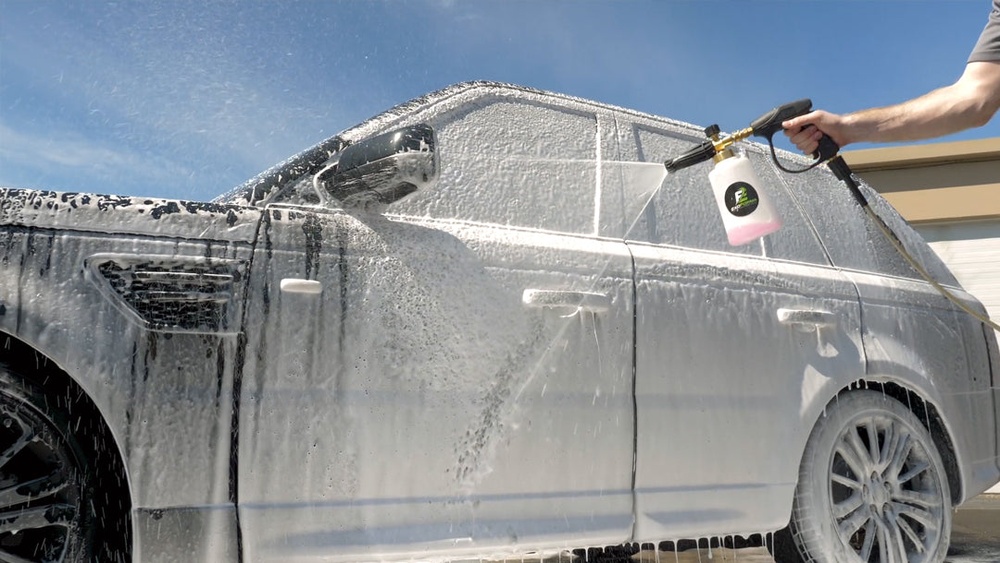
Are you tired of spending too much on car washes or struggling with bulky, expensive equipment? What if you could clean your car easily, anytime, right at home?
Making your own 12V low pressure car washer is simpler than you think. This guide will show you step-by-step how to build a powerful, portable washer that runs on your car’s battery. Imagine saving money, having full control, and keeping your vehicle spotless with minimal effort.
Keep reading, and you’ll discover exactly how to make this handy tool yourself.

Credit: www.amazon.com
Materials Needed
Gathering the right materials is the first step to build a 12V low pressure car washer. Having all parts ready saves time and avoids frustration. This section lists the essential components and optional tools.
Essential Components
- 12V water pump – the heart of the washer
- Battery or 12V power source
- Hose – to carry water from the pump
- Nozzle – controls water spray pattern
- Water container or bucket
- Switch – to turn the pump on and off
- Electrical wires with connectors
- Fuse – protects against electrical shorts
Optional Tools
- Multimeter – to check electrical connections
- Wire stripper and cutter
- Screwdriver set
- Water filter – keeps debris out of the pump
- Mounting brackets or clamps
- Silicone sealant – for waterproofing joints

Credit: m.made-in-china.com
Preparing The Pump
Preparing the pump is a key step in building a 12V low pressure car washer. The pump moves water from the source to the spray nozzle. Choosing the right pump and connecting it properly to power ensures good water flow and safe operation. This section explains how to prepare the pump correctly.
Selecting The Right Pump
Choose a pump designed for low pressure and 12V power. A diaphragm or small electric pump works well. Check the pump’s flow rate and pressure rating. Too high pressure can damage your car’s paint. The pump should handle clean water to avoid clogging. Look for a pump that matches your water source and washer size.
Connecting The Pump To Power
Use a 12V power supply, like a car battery or power adapter. Connect the pump wires securely to avoid loose connections. Red wire goes to positive, black to negative. Use insulated connectors for safety. Add a fuse to protect the pump from electrical faults. Test the pump by turning on the power and checking water flow.
Assembling The Washer Body
Assembling the washer body is a key step in building your 12V low pressure car washer. This part holds all the main components securely. A strong frame and proper mounting ensure the washer works well and lasts long.
Focus on making a sturdy frame first. Then, mount the pump carefully. These steps keep your washer stable and ready for use.
Building The Frame
Start with a lightweight metal or plastic frame. Choose materials that resist rust and water damage. Cut the frame parts to size using basic tools.
Join the parts using screws or bolts. Make sure the frame is square and tight. A stable frame prevents shaking during operation.
Leave space for the pump and battery inside the frame. A compact design makes the washer easy to carry and store.
Mounting The Pump
Place the pump inside the frame carefully. Use rubber pads to reduce vibration and noise. Secure the pump with screws or clamps.
Check that the pump is steady and does not move. Connect the water inlet and outlet tubes tightly. Proper mounting avoids leaks and pump damage.
Test the pump by turning on the power briefly. Listen for smooth running without unusual sounds. Adjust the mounting if needed for better stability.
Wiring The Electrical System
Wiring the electrical system is a key step in building your 12V low pressure car washer. Proper wiring ensures the washer runs safely and efficiently. This part involves connecting the power source, installing a switch, and adding safety features. Follow clear steps for a reliable setup.
Setting Up The 12v Power Supply
Start by selecting a 12V battery or power source. Use thick wires to handle the current without overheating. Connect the positive wire from the battery to the pump’s positive terminal. Attach the negative wire to the pump’s negative terminal. Secure all connections with proper terminals or soldering. Make sure wires do not touch each other or metal parts.
Use a fuse close to the battery on the positive wire. The fuse protects the system from short circuits and overloads. Choose a fuse with a rating slightly above the pump’s current draw. This step prevents damage and keeps the setup safe.
Installing The Switch And Safety Features
Place a switch on the positive wire to control the pump. Use a waterproof switch for outdoor use. Connect the switch between the battery and the pump. This setup allows you to turn the washer on and off easily.
Include a relay if the pump draws high current. A relay protects the switch and wiring. Add a circuit breaker for extra safety to cut power if the system overloads. Ground the system properly to avoid electrical shocks and improve performance. Test the wiring carefully before using the washer.
Connecting Water Supply
Connecting the water supply is a key step in building a 12V low pressure car washer. This part ensures water flows smoothly through the device. Proper connections help avoid leaks and maintain steady water pressure. Follow these simple steps to attach hoses and create tight seals.
Attaching Inlet And Outlet Hoses
Start by identifying the inlet and outlet ports on the washer. The inlet hose brings water into the system. The outlet hose carries water out under pressure. Use hoses that fit snugly on each port. Push the hoses firmly to prevent loose connections. Secure them with hose clamps for added strength. Check both ends to confirm they are tight.
Ensuring Proper Seals
Proper seals stop water from leaking at connection points. Use rubber washers inside hose fittings for a tight seal. Apply plumber’s tape around threaded parts to block gaps. Tighten clamps just enough to hold hoses without crushing them. Test the system by running water through it. Fix any leaks by adjusting clamps or seals. Well-sealed hoses keep your car washer working well.

Credit: www.youtube.com
Testing The Washer
Testing the 12V low pressure car washer is a crucial step. It ensures the device works correctly and safely. This process helps identify any issues before actual use. Follow these simple steps to test your washer effectively.
Initial Power-on Check
Connect the washer to a 12V power source. Turn the power on carefully. Listen for the motor’s sound. A steady, smooth noise means the motor runs well.
Check for leaks around the pump and hose. No water should escape from the connections. Watch the water flow from the nozzle. It should be steady, without sputtering or pauses.
Adjusting Pressure And Flow
Use the pressure regulator to set the desired water force. Turn the knob slowly to avoid sudden pressure changes. Test the spray on a small area of your car.
Adjust the flow to balance cleaning power and water use. Lower pressure avoids damage to paint and delicate parts. Higher flow helps remove dirt faster but uses more water.
Maintenance Tips
Maintaining your 12V low pressure car washer is key for long life and good performance. Regular care stops damage and keeps it working well. Simple steps can save costly repairs.
Cleaning The Pump
Clean the pump after each use. Dirt and debris can block it and reduce pressure. Use clean water to flush the pump. Avoid harsh chemicals that can harm the parts. Check the pump for cracks or leaks. Replace any broken parts quickly to avoid bigger problems.
Storing The Washer Safely
Store the washer in a dry place. Keep it away from direct sunlight and cold temperatures. Drain all water from the pump and hoses before storing. This stops freezing and damage in cold weather. Cover the washer to protect it from dust. A well-stored washer lasts longer and works better.
Frequently Asked Questions
What Materials Are Needed For A 12v Low Pressure Car Washer?
You need a 12V water pump, hose, nozzle, power source, and connectors. Quality materials ensure efficient and durable performance.
How Do I Assemble A 12v Low Pressure Car Washer?
Connect the 12V pump to a water source. Attach the hose and nozzle. Connect power and test for leaks.
Can I Use A 12v Car Battery To Power The Washer?
Yes, a 12V car battery can power the pump. Ensure proper connections and avoid deep battery discharge.
What Maintenance Is Required For A 12v Car Washer?
Regularly clean the nozzle and hose. Check for leaks and ensure the pump operates smoothly. Store it dry after use.
Conclusion
Building a 12V low pressure car washer is simple and cost-effective. You only need basic tools and parts. This washer saves water and power while cleaning your car well. It works great for light dirt and quick washes. You can use it anywhere with a 12V power source.
Try making one to keep your car clean without hassle. It’s a handy project anyone can do. Start today and enjoy easy car cleaning at home.