

Have you ever felt your car shaking or heard strange noises when you brake? These could be signs that your brake rotors are wearing out.
Knowing how to tell if brake rotors are bad is crucial for your safety and your car’s performance. If you ignore these warning signs, you might face costly repairs or, worse, dangerous driving situations. You’ll learn the simple ways to spot bad brake rotors before they cause serious problems.
Keep reading to protect yourself and keep your car running smoothly.
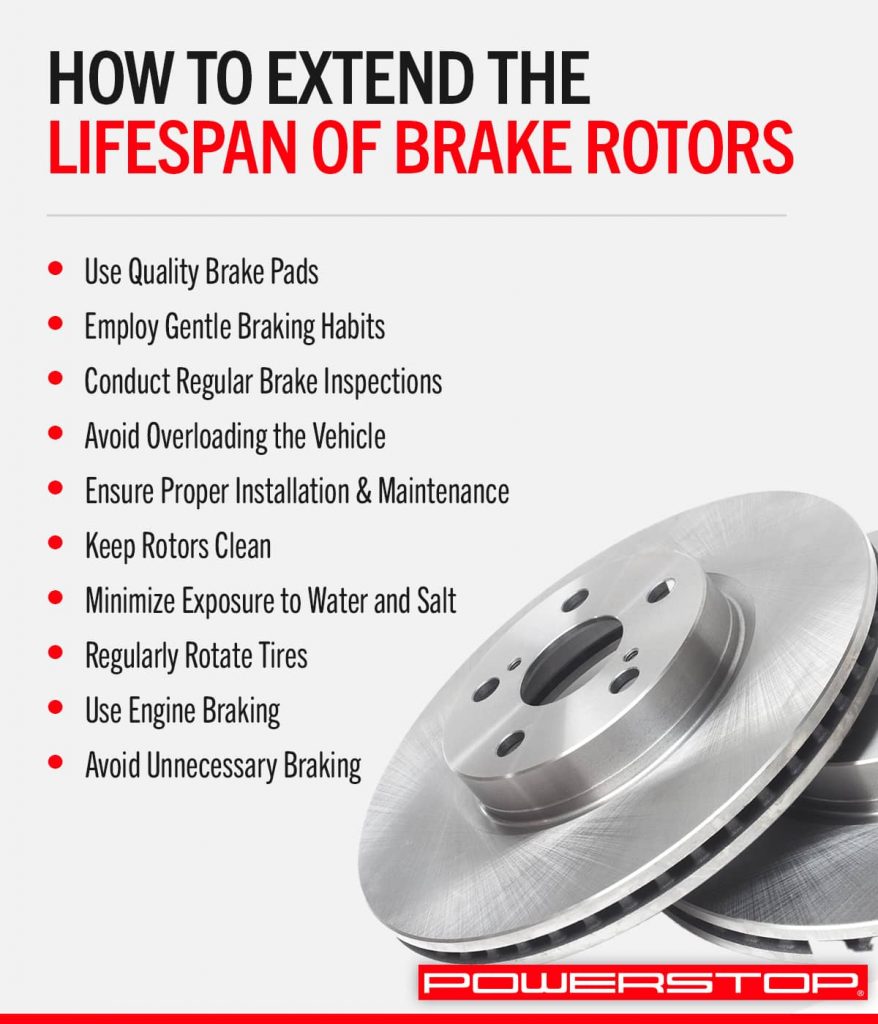
Credit: www.powerstop.com
Common Brake Rotor Problems
Brake rotors are vital parts of your car’s braking system. Problems with rotors can cause unsafe driving and costly repairs. Understanding common rotor issues helps you spot trouble early. Check the rotor condition regularly to keep your vehicle safe.
Warping And Vibrations
Warped rotors cause shaking when braking. This happens from heat build-up and uneven wear. You may feel vibrations through the brake pedal or steering wheel. Warping reduces braking power and needs prompt attention.
Surface Cracks
Small cracks appear on rotors after heavy use. These cracks grow over time and weaken the rotor. They often result from extreme heat or hard braking. Surface cracks can lead to rotor failure and unsafe brakes.
Scoring And Grooves
Deep grooves or scoring marks show on rotor surfaces from worn brake pads. Dirt and debris trapped between pad and rotor cause this damage. Scored rotors reduce smooth braking and increase pad wear. Resurfacing or replacement may be necessary.
Rust And Corrosion
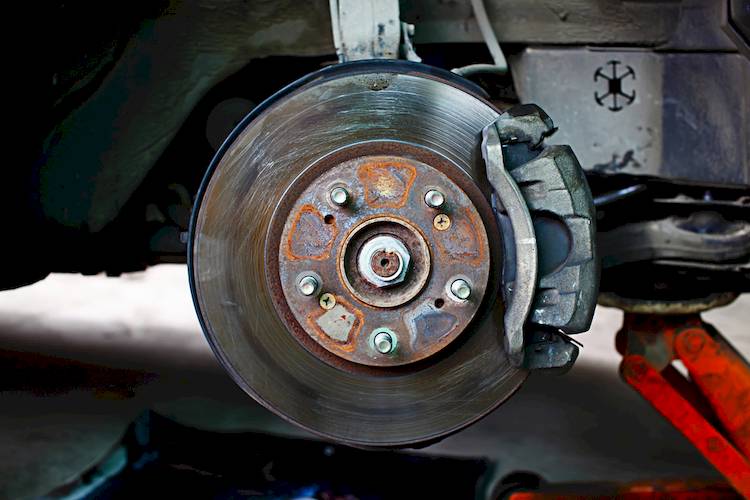
Rust forms on rotors if the car sits unused for long periods. Moisture causes corrosion, weakening the metal. Rusty rotors can cause noise and poor braking. Light rust may clean off, but heavy corrosion needs rotor replacement.
Signs Of Brake Rotor Damage
Brake rotors are key for safe driving. They help slow down your car by working with brake pads. Over time, rotors can wear out or get damaged. Knowing the signs helps you fix problems early. This keeps your brakes working well and your drives safe.
Unusual Noises
Strange sounds while braking often point to rotor issues. Listen for squealing, grinding, or scraping noises. These noises mean the rotor surface is uneven or worn out. Ignoring these sounds can lead to bigger brake problems.
Reduced Braking Performance
Your car might take longer to stop. The brake pedal may feel less responsive. This happens when rotors are warped or damaged. Reduced braking power is a serious safety risk.
Brake Pedal Feedback
The brake pedal may vibrate or pulse during use. This sensation means the rotors are uneven or warped. Vibrations can affect your control of the vehicle. Pay attention to any new or unusual pedal feelings.
Visual Inspection Tips
Look at your rotors for cracks, grooves, or rust spots. Deep grooves or scoring lines mean the rotor is worn. Rust can weaken the metal and reduce braking efficiency. Also, check for rotor thickness; thin rotors need replacement.
Effects Of Bad Rotors On Vehicle Safety
Bad brake rotors affect your vehicle’s safety in several serious ways. They reduce the brakes’ ability to stop the car quickly and smoothly. This puts you and others at risk on the road. Understanding these effects helps you know why rotor maintenance is crucial.
Increased Stopping Distance
Worn or damaged rotors cause your car to take longer to stop. The brake pads cannot grip the surface well. This means the car needs more space to come to a full stop. Longer stopping distances increase the chance of accidents.
Brake Fade Risks
Bad rotors can lead to brake fade during heavy braking. The rotors may overheat and lose their effectiveness. This makes the brakes feel weak or unresponsive. Brake fade is dangerous, especially on steep roads or in emergencies.
Impact On Abs Functionality
Damaged rotors affect the Anti-lock Braking System (ABS). The ABS sensors rely on smooth rotors to work correctly. Rough or warped rotors can cause the ABS to malfunction. This reduces your control during hard braking, increasing accident risk.

Credit: www.reddit.com
Tools For Inspecting Brake Rotors
Inspecting brake rotors requires the right tools to get accurate results. These tools help check the rotor’s condition and measure important details. Using these tools lets you find problems early and keep your brakes safe.
Using A Dial Indicator
A dial indicator measures small movements on the rotor surface. Attach it to the rotor and spin the wheel slowly. The dial shows any wobbling or uneven surfaces. This tool helps find rotor warping, which causes brake vibration.
Measuring Rotor Thickness
Use a micrometer or caliper to check rotor thickness. Measure at several points around the rotor edge. Compare measurements to the minimum thickness stated by the manufacturer. Thin rotors can overheat and fail, so replace them if needed.
Checking Rotor Runout
Runout means the rotor is not perfectly flat or straight. Use the dial indicator to measure runout by placing it on the rotor surface. Spin the rotor and watch the dial for changes. Excessive runout can cause brake noise and poor braking.
When To Replace Or Resurface Rotors
Knowing when to replace or resurface brake rotors is key for safe driving. Rotors wear down over time and affect braking quality. Choosing the right option can save money and improve car performance. This section explains the main factors to consider.
Manufacturer’s Thickness Specifications
Every rotor has a minimum thickness limit set by the maker. This limit ensures the rotor can handle heat and stress safely. Use a micrometer to measure rotor thickness. If the rotor is below the minimum, replacement is necessary. Resurfacing removes metal, so the rotor must stay above this limit after the process.
Signs That Resurfacing Isn’t Enough
Deep grooves, cracks, or heavy rust on rotors mean resurfacing won’t fix the problem. Warped rotors cause vibrations during braking and need replacement. If rotors are uneven or too thin, resurfacing can make them unsafe. Inspect rotors carefully to decide if replacement is the safer choice.
Cost Considerations
Resurfacing costs less than new rotors but takes more labor time. Sometimes new rotors are affordable and last longer than resurfaced ones. If rotors need frequent resurfacing, replacing them saves money in the long run. Consider both parts and labor costs before choosing between resurfacing and replacement.
Credit: www.yourmechanic.com
Preventive Maintenance Tips
Maintaining your brake rotors is key to safe driving and long-lasting brakes. Simple steps can help prevent rotor damage. These tips keep your brakes working smoothly and avoid costly repairs. Pay attention to your brakes regularly and treat new parts with care.
Regular Brake Inspections
Check your brakes often for signs of wear. Look for grooves, cracks, or rust on the rotors. Listen for unusual noises when braking. Catching problems early saves money and keeps you safe. Have a mechanic inspect your brakes at least twice a year.
Proper Bedding-in Of New Rotors
New rotors need time to settle in. Follow the bedding-in steps from the manufacturer. This usually means gentle braking for the first few hundred miles. Proper bedding helps avoid uneven wear and warping. It also improves braking performance and rotor life.
Avoiding Aggressive Driving
Hard braking and sudden stops stress your rotors. Drive smoothly to reduce heat and wear. Avoid riding the brakes on hills or in traffic. Calm driving extends rotor life and improves fuel efficiency. Your brakes will last longer, and your trips will be safer.
Frequently Asked Questions
How Do I Know If My Brake Rotors Are Bad?
Bad brake rotors often cause vibrations when braking. You might hear squealing or grinding noises. Uneven brake pad wear also signals rotor issues. Inspect for visible grooves or cracks on the rotor surface. If these signs appear, have a professional check your brake system.
What Causes Brake Rotors To Wear Out?
Brake rotors wear out due to friction from brake pads. Excessive heat from hard braking can warp rotors. Driving habits, road conditions, and poor maintenance also contribute. Over time, rotors thin and lose effectiveness. Regular inspections help prevent sudden rotor failure.
Can I Drive With Bad Brake Rotors?
Driving with bad rotors is unsafe and risky. It reduces braking efficiency, increasing stopping distance. Warped rotors cause vibrations that affect control. Ignoring rotor problems can damage other brake components. It’s best to repair or replace rotors promptly for safety.
How Often Should Brake Rotors Be Replaced?
Brake rotors usually last 30,000 to 70,000 miles. Replacement depends on driving style and rotor quality. Regular brake inspections can determine rotor condition. If rotors are warped, cracked, or too thin, replace immediately. Follow manufacturer recommendations for optimal safety.
Conclusion
Bad brake rotors can cause serious safety issues. Listen for strange noises and feel for vibrations. Check the rotors for visible cracks or grooves. Uneven brake wear often means rotor problems. Replace or repair rotors as soon as signs appear.
Regular brake checks keep your car safe on roads. Don’t wait until the problem gets worse. Staying alert helps you avoid costly repairs later. Keep your brakes in good shape for smooth, safe driving.


