Are you looking to upgrade your car’s look with new wheel covers but don’t know where to start? Getting the right size is key to making sure they fit perfectly and look great.
If you choose the wrong size, your wheel covers could slip, rattle, or even fall off. Don’t worry — measuring your wheels is easier than you think. In this guide, you’ll learn simple steps to measure your wheel size accurately.
By the end, you’ll feel confident picking the perfect wheel covers that fit like a glove. Keep reading to discover how to get it right the first time.
Credit: www.airskirts.com
Tools Needed
Measuring the size for wheel covers requires just a few simple tools. These tools help get the exact size to fit your wheels perfectly. Accurate measurements avoid buying the wrong size wheel covers. Here are the tools you need.
Measuring Tape
A flexible measuring tape is ideal for this task. It can wrap around the wheel easily. Use it to measure the diameter of the wheel or the wheel cover size. A metal or cloth tape works well.
Ruler Or Straight Edge
A ruler helps measure smaller parts of the wheel cover. You can use it to check the width or depth. A straight edge ensures the measurement is accurate and straight.
Caliper
A caliper provides very precise measurements. It is useful for measuring the thickness of the wheel cover. It also helps measure the distance between bolt holes if needed.
Pen And Paper
Write down all measurements as soon as you take them. This keeps your data organized. Avoid mistakes by recording numbers clearly and accurately.
Identify Your Wheel Type
Identifying your wheel type is the first step to measure size for wheel covers accurately. Different wheels have unique shapes, sizes, and designs. Knowing your wheel type helps you pick the right cover that fits well and looks good.
There are several common wheel types. Each one needs a specific cover style. Understanding your wheel type prevents buying the wrong cover. It saves time and money.
Steel Wheels
Steel wheels are simple and strong. They usually come with a basic design. These wheels often have holes or slots around the edge. Most steel wheels use clip-on covers that snap into place easily.
Alloy Wheels
Alloy wheels are made from light metals like aluminum. They have stylish, detailed designs. These wheels require covers that match their shape closely. Some alloy wheels may need special covers that bolt on instead of clip on.
Hubcaps
Hubcaps cover only the center of the wheel. They protect the hub and lug nuts. Hubcaps come in many sizes but are usually smaller than full wheel covers. Measuring hubcaps means checking the diameter of the center part.
Custom Wheels
Custom wheels have unique designs and sizes. They may need custom-fit covers. Standard covers might not fit these wheels properly. Measuring custom wheels requires precise tools and attention to detail.
Measure Wheel Diameter
Measuring the wheel diameter is the first step to find the right wheel covers. This size tells you how big the wheel is across the center. Accurate measurement helps you buy covers that fit well and look good.
Locate The Rim Edge
Start by finding the outer edge of the wheel rim. This is the metal part where the tire sits. Look carefully for the edge that touches the tire. This edge marks the limit for your measurement.
Use A Measuring Tape
Take a flexible measuring tape to measure across the wheel. Place it from one rim edge straight across to the opposite edge. Make sure the tape passes through the center of the wheel for an exact size.
Record The Measurement
Note the number on the tape where it meets the rim edge on the other side. This number is the wheel diameter. Write it down clearly to use when choosing your wheel covers.
Check Wheel Width
Checking the wheel width is important when measuring for wheel covers. The width affects how well the cover fits your wheel. A cover that is too narrow or too wide can slip off or look awkward. Accurate measurement helps you pick the right size and keeps the cover secure.
Measure Across The Rim
Start by measuring across the rim of your wheel. Use a tape measure or ruler. Place it from one edge of the rim to the other, straight across the center. This gives you the width of the wheel where the cover will sit. Take the measurement in inches for best results.
Note The Width
Write down the width after measuring. Check if it matches the size options for wheel covers. Some covers list the width range they fit. Choose a cover that matches your rim width closely. This ensures a snug and safe fit on your wheel.
Determine Bolt Pattern
Determining the bolt pattern is a key step in measuring the size for wheel covers. The bolt pattern shows how the lug nuts are arranged on your wheel. This pattern must match the wheel cover for a proper fit. Knowing the bolt pattern helps you avoid buying covers that do not fit your vehicle.
Count The Lug Nuts
Start by counting the number of lug nuts on your wheel. Most wheels have 4, 5, or 6 lug nuts. The number of lug nuts is part of the bolt pattern name. For example, a 5-lug wheel has five nuts evenly spaced around the center.
Measure Bolt Circle Diameter
Next, measure the bolt circle diameter (BCD). This is the distance across the wheel through the center of the lug nuts. Use a ruler or tape measure. For wheels with an even number of lug nuts, measure from the center of one nut to the center of the nut directly opposite. For an odd number, measure from the center of one nut to the outer edge of the nut across the circle.
Consider Wheel Offset
Consider wheel offset carefully when measuring for wheel covers. Wheel offset affects how the wheel sits in the wheel well. It influences the fit of the wheel cover on the rim. Understanding offset helps avoid buying the wrong size cover.
Wheel offset is the distance between the wheel’s mounting surface and the centerline. It is measured in millimeters. This measurement tells you how far the wheel leans inward or outward.
What Is Wheel Offset?
Wheel offset shows the position of the wheel hub. Positive offset means the hub is toward the outside of the wheel. Negative offset means it is toward the inside. Zero offset means the hub is exactly at the centerline.
Why Wheel Offset Matters For Wheel Covers
The offset impacts how the wheel cover fits. A wrong offset can cause the cover to stick out or sit too deep. This affects the look and may cause damage.
How To Check Your Wheel Offset
Find the wheel offset number on your wheel. It is often stamped on the back of the wheel. You can also check your car manual or ask a mechanic for help.
Match Measurements To Wheel Covers
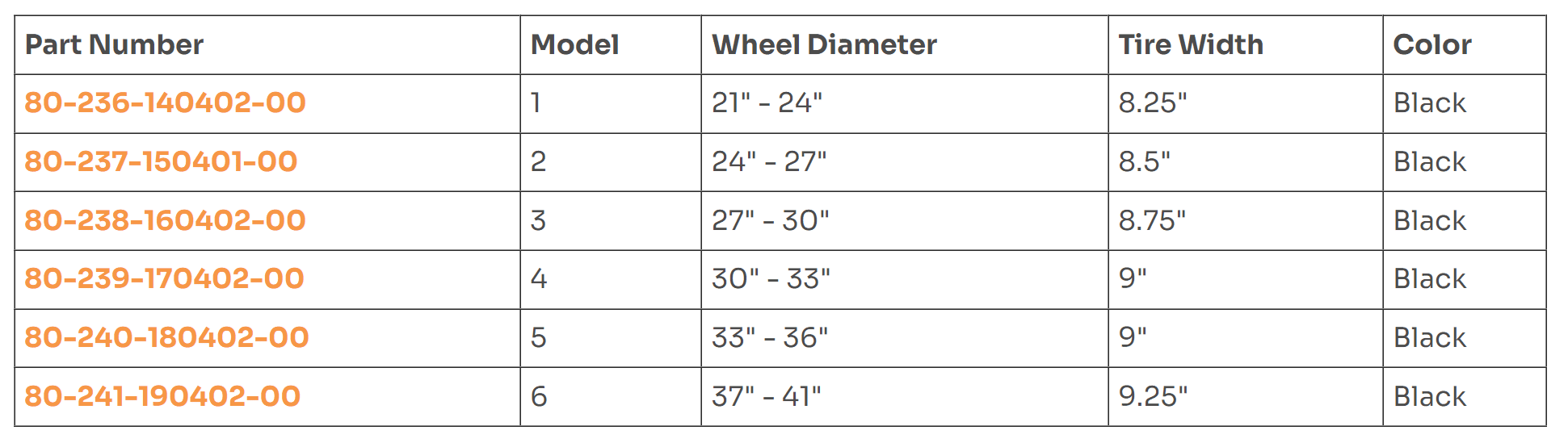
Matching your wheel measurements to the right wheel covers is essential for a secure fit. Incorrect sizes can cause the cover to fall off or look awkward. Taking accurate measurements and comparing them to product details helps you pick the best cover.
Read Cover Specifications
Each wheel cover comes with size details. Look for the diameter, usually in inches. Compare this number with your wheel size. Check if the cover fits specific wheel styles or brands. Some covers list compatible rim widths or designs. Reading these specs prevents buying the wrong cover.
Compare Fit Options
Wheel covers may have different fit styles. Snap-on covers clip directly to the wheel rim. Bolt-on covers use the wheel’s lug nuts for attachment. Some covers are universal, while others fit only certain wheels. Match your wheel’s type with the cover’s fit option for a perfect hold.
Credit: www.airskirts.com
Test Fit Tips
Test fitting wheel covers is a key step to ensure they fit well and look great. It helps avoid buying the wrong size and saves time. This part guides you through simple ways to check the fit correctly.
Clean The Wheel Surface First
Remove dirt and dust from the wheel before fitting the cover. A clean surface helps the cover sit better. It also prevents scratches and damage during the test fit.
Align The Cover Properly
Place the wheel cover evenly on the wheel. Make sure the clips or edges match the wheel rim. Proper alignment ensures the cover holds tight and looks natural.
Check For Secure Attachment
Press the cover firmly to snap it into place. Wiggle it gently to confirm it stays fixed. A loose cover can fall off during driving, so it must fit snugly.
Inspect For Gaps Or Misfits
Look around the edges for any spaces between the cover and wheel. Even small gaps can cause noise or allow dirt to enter. The cover should hug the wheel tightly.
Test Drive For Stability
Drive a short distance to test the cover’s hold. Listen for rattles or unusual sounds. If the cover moves, adjust or try a different size for better fit.
Credit: www.ebay.com
Frequently Asked Questions
How Do I Measure Wheel Cover Size Accurately?
Measure your wheel diameter from edge to edge across the center. Use a tape measure for precision. Check your vehicle manual for exact wheel size details.
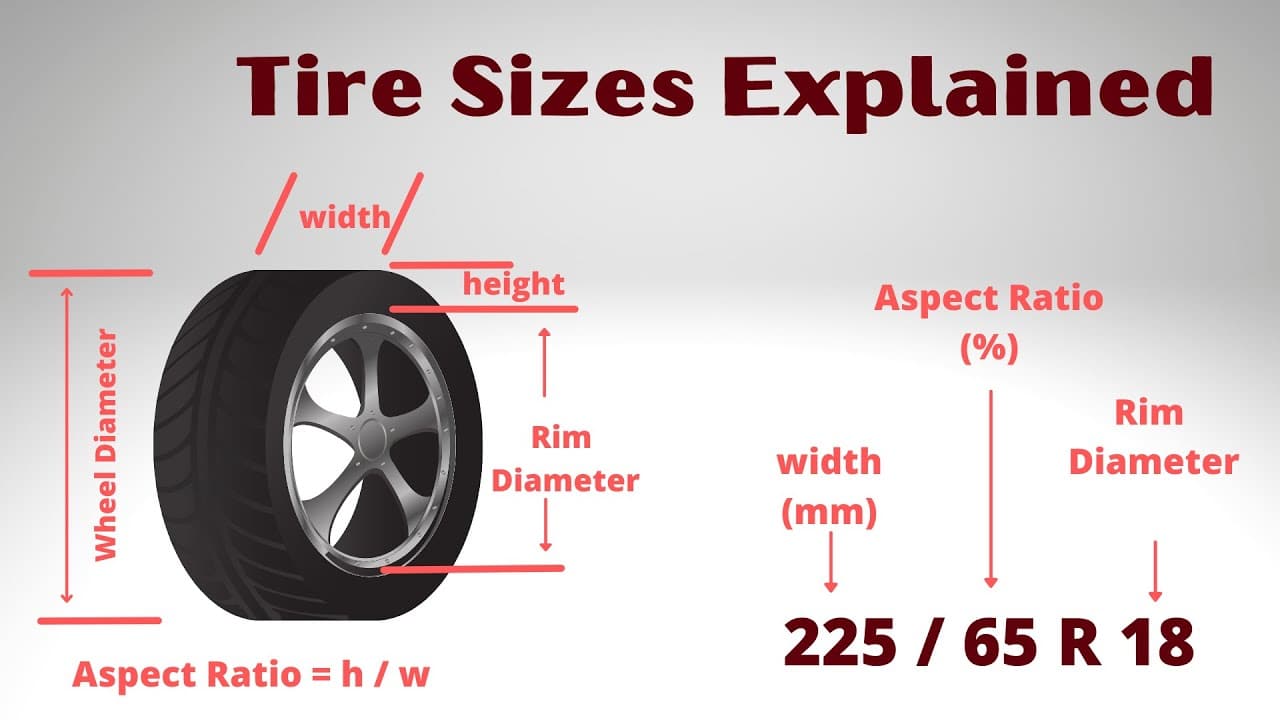
Can I Use Tire Size To Find Wheel Cover Size?
No, tire size differs from wheel size. Use the wheel diameter measurement, not the tire. Tire size includes width and aspect ratio, not useful for cover fit.
What Tools Are Needed To Measure Wheel Covers?
A tape measure or ruler is best. Ensure it can measure in inches or centimeters. Accuracy is key for a perfect wheel cover fit.
Why Is Measuring Wheel Covers Important?
Correct size ensures a secure fit, protects wheels, and enhances vehicle appearance. Wrong size causes rattling or falling off. Proper measurement saves money and hassle.
Conclusion
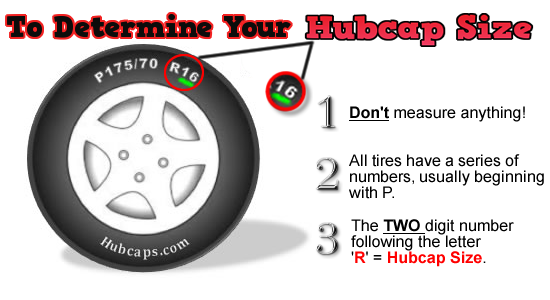
Measuring wheel covers correctly saves time and money. Use a tape measure to find the wheel’s diameter. Check the numbers on your current tire for size clues. Accurate measurements help you pick the right cover. This keeps your wheels protected and looking good.
Taking a few minutes to measure makes a big difference. Remember, simple steps lead to the best fit. Now, you can buy wheel covers with confidence. Your wheels deserve the perfect size and style.