
Wondering how long an inspection takes on your car? You’re not alone.
Knowing the time it takes can help you plan your day better and reduce the stress of unexpected delays. Whether you’re preparing for a routine check or getting ready to buy a new vehicle, understanding the inspection process is key.
You’ll discover exactly what affects the inspection time and what to expect, so you can feel confident and in control every step of the way. Keep reading to get the answers you need—your car and your schedule will thank you.
Credit: www.segurosenhouston.com
Inspection Time Factors
Several factors affect how long a car inspection takes. Knowing these helps set the right expectations. Some inspections are quick, while others need more time. The details below explain the key elements that influence inspection duration.
Type Of Inspection
The kind of inspection changes the time needed. A basic safety check takes less time. A full diagnostic test is more detailed and lasts longer. Emission tests also vary by vehicle and location. Each type demands different steps and tools.
Vehicle Condition
The car’s condition impacts inspection time. Newer vehicles with fewer problems are faster to inspect. Older or damaged cars need extra attention. Inspectors may check more parts for wear or faults. This adds time to the process.
Inspector Experience
Experienced inspectors work faster and more efficiently. They know where to look and what to test. Newer inspectors may take longer to complete all checks. Skill and practice help reduce inspection time. This benefits both the customer and the workshop.

Credit: www.jessebrittsautomotive.com
Standard Inspection Duration
Car inspections usually take some time to complete. The duration depends on the type of inspection. Standard inspections check the car’s basic condition. This helps ensure safety and proper function. Most standard inspections take between 30 minutes and one hour.
Different parts of the inspection require different times. Some checks are quick, while others need more attention. Understanding each part helps you know what to expect.
Basic Safety Checks
Basic safety checks are the quickest part. Inspectors look at brakes, lights, tires, and seatbelts. These checks usually take about 10 to 20 minutes. They ensure the car is safe to drive on the road.
Emissions Testing
Emissions testing takes slightly longer. The test measures the gases the car releases. It checks if the car meets environmental rules. This process takes around 15 to 30 minutes. A well-maintained car passes this test easily.
Detailed Mechanical Review
The detailed mechanical review is the longest part. Inspectors check the engine, transmission, and suspension. They look for wear, leaks, and other problems. This review can take 30 minutes to one hour. It helps find issues that affect performance and safety.
Ways To Speed Up The Process
Speeding up a car inspection saves time and reduces stress. Small actions before the appointment help the process run smooth and fast. Follow simple steps to make your inspection quick and easy.
Scheduling Tips
Book your inspection early in the day. Morning appointments are less busy. Avoid peak hours and weekends. Call ahead to confirm your time slot. This stops waiting in long lines. Some centers offer online booking. Use it to secure a faster appointment.
Preparing Your Vehicle
Clean your car inside and out. Remove personal items and clutter. Check lights, tires, and fluid levels. Fix small issues like a broken bulb. Have your car documents ready. This includes registration and insurance papers. A well-prepared car speeds up the inspection process.
Choosing The Right Inspection Center
Pick a center known for fast service. Read online reviews for customer experiences. Choose a location near your home or work. Closer centers often manage appointments better. Avoid busy or new centers with long wait times. A reliable inspection center makes everything quicker.
What Happens During Inspection
The car inspection covers many parts to ensure the vehicle is safe and works well. The inspector looks at the car’s condition carefully. This helps find problems early and keeps the car roadworthy.
Exterior And Interior Checks
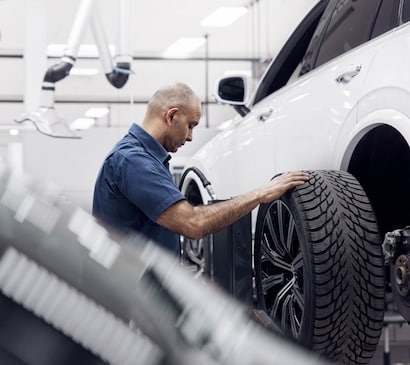
The inspector checks the car’s outside for damage or rust. Lights, mirrors, and windows get tested. Tires are looked at for wear and proper inflation. Inside, the seat belts, horn, and dashboard lights are checked. The inspector makes sure all controls work correctly.
Under The Hood
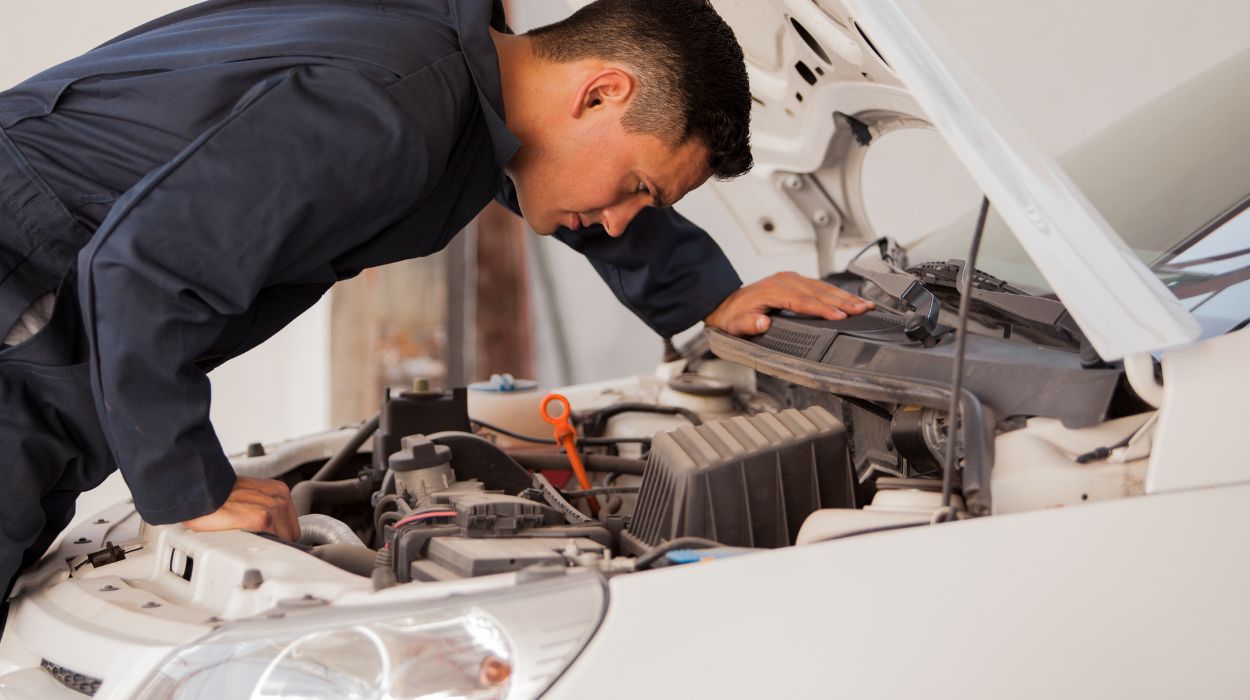
The engine area is examined closely. Fluids like oil and coolant get checked. The battery and belts are inspected for signs of wear. The inspector looks for leaks or broken parts. This step ensures the engine runs smoothly.
Road Test Procedures
The car is driven to check its performance. The inspector listens for strange noises. Brakes are tested for quick and safe stopping. Steering and suspension are checked on bumps and turns. This test shows how the car handles on the road.
Common Delays And How To Avoid Them
Car inspections can take longer than expected because of common delays. Knowing these delays helps you prepare and save time. Avoiding these issues makes the process faster and smoother. Here are some common delays and tips to avoid them.
Incomplete Paperwork
Missing or wrong documents slow down inspections. Bring all required papers like registration and ID. Double-check forms before your visit. Organize documents in a folder for easy access. This avoids waiting or rescheduling.
Vehicle Repairs Needed
Cars that fail safety checks need repairs. Fix problems like lights, brakes, or tires early. Check your car at home before the inspection. This lowers the chance of failure and saves return trips. Simple maintenance helps pass faster.
Busy Inspection Stations
Inspectors get busy during peak hours or seasons. Avoid rush times by booking early morning or weekdays. Make an appointment if possible. Shorter lines mean quicker inspections. Plan ahead to skip long waits.
Inspection Costs And Their Impact
Inspection costs affect more than just your wallet. They influence how you plan your car maintenance. Knowing these costs helps you avoid surprises. It also helps you decide when and where to get your car inspected.
Fee Variations By Region
Inspection fees differ from place to place. Urban areas often charge more than rural ones. Some states have fixed fees set by law. Others allow shops to set their own prices. These differences can change your inspection budget a lot.
Additional Repair Expenses
Inspections may reveal problems needing fixes. Repair costs can be small or very high. Sometimes, repairs take more time than the inspection. This adds to your total cost and waiting time. Ignoring repairs can cause bigger issues later.
Cost Vs. Time Tradeoff
Faster inspections might cost more. Cheap inspections can take longer or miss issues. Spending a bit more may save money on repairs later. Balancing cost and time is key to smart car care. Choose what fits your needs best.
Credit: www.volvocarsrichmond.com
Frequently Asked Questions
How Long Does A Standard Car Inspection Take?
A standard car inspection typically takes 30 to 60 minutes. It depends on the vehicle’s condition and inspection type. Routine checks are faster, while detailed inspections take more time. Scheduling an appointment can help reduce waiting time.
What Factors Affect Car Inspection Duration?
Inspection time varies due to vehicle age, condition, and inspection type. Older cars or those with issues may take longer. Emission tests and safety checks add to the duration. Technician expertise and equipment also impact inspection speed.
Can A Car Inspection Be Done Faster?
Yes, some quick inspections take 15 to 30 minutes. Express services focus on essential safety and emissions checks. Booking appointments and preparing documents beforehand can speed up the process.
Why Do Detailed Car Inspections Take More Time?
Detailed inspections cover all vehicle systems thoroughly. They include engine, brakes, suspension, and electrical checks. This ensures safety and compliance but requires more time. It’s essential for used car purchases or major repairs.
Conclusion
A car inspection usually takes about 30 minutes to an hour. The exact time depends on the vehicle and the inspection type. Simple checks are faster, while detailed ones take longer. Waiting times at the shop can also affect the total time.
Knowing this helps you plan your day better. Regular inspections keep your car safe and reliable. Don’t skip them just to save time. A quick inspection today can prevent big problems tomorrow. Keep your car in good shape by staying on schedule.

