Want your car to look fresh and spotless without spending hours scrubbing? Pressure washing is a quick and effective way to get rid of dirt, grime, and road salt that regular washing might miss.
But if you’re worried about damaging your paint or don’t know where to start, this guide is made just for you. By the end, you’ll have simple, step-by-step tips to pressure wash your car safely and make it shine like new.
Ready to give your ride the clean it deserves? Let’s dive in!
Credit: www.turtlewax.com
Choosing The Right Pressure Washer
Choosing the right pressure washer is key to cleaning your car safely and effectively. The wrong machine can damage your paint or leave dirt behind. This section helps you pick the best pressure washer for your car wash.
Types Of Pressure Washers
Electric pressure washers are light and easy to use. They work well for small cars and light dirt. Gas pressure washers are stronger and good for heavy cleaning. They can be too powerful for cars without careful use. Choose based on your car’s needs and your comfort with the machine.
Ideal Pressure Settings For Cars
Cars need gentle pressure to avoid damage. Keep the pressure between 1200 and 1900 PSI. Higher pressure can harm paint and trim. Lower pressure helps remove dirt without risking scratches. Always test on a small area first to ensure safety.
Essential Nozzles And Attachments
Choose nozzles that control spray intensity and shape. A 25-degree nozzle works well for general cleaning. A 40-degree nozzle is softer and good for rinsing. Use foam cannons to apply soap evenly. These tools make washing easier and protect your car’s surface.
Credit: www.simoniz.uk
Preparing Your Car For Washing
Preparing your car before pressure washing is very important. It helps avoid damage and makes the cleaning easier. Taking a few simple steps can protect your car and get it ready for washing.
Removing Loose Dirt And Debris
Start by removing loose dirt and debris from your car’s surface. Use a soft brush or a dry cloth to clear dust and leaves. This step prevents scratching the paint during washing. Pay special attention to areas like the hood, roof, and wheel wells.
Protecting Sensitive Areas
Cover parts of the car that water can harm. Use plastic bags or waterproof tape on areas like the engine bay, air vents, and electrical components. Protect door locks and mirrors too. This stops water from causing damage or rust.
Gathering Necessary Supplies
Collect all supplies before starting. You need a pressure washer, car soap, a bucket, and soft cloths or sponges. Use a nozzle with moderate pressure to avoid paint damage. Have a drying towel ready to prevent water spots after washing.
Step-by-step Pressure Washing Guide
Pressure washing your car is a quick way to remove dirt and grime. Follow this step-by-step guide for safe and effective cleaning. Each step helps protect your car’s paint and finish while giving it a fresh look.
Setting Up The Equipment
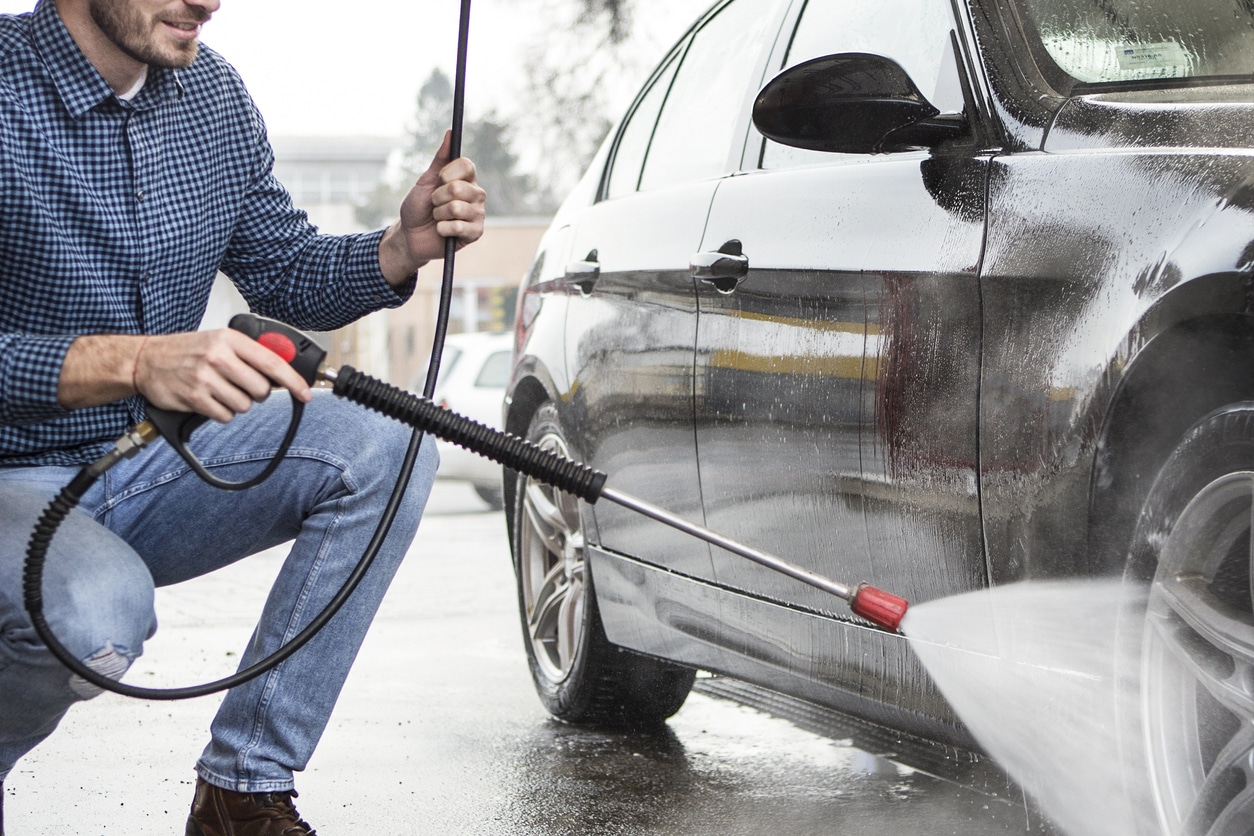
Choose a pressure washer with a low-pressure setting for cars. Attach a wide spray nozzle to avoid damage. Connect the washer to a water source and power supply. Check all connections to prevent leaks. Wear safety glasses and gloves for protection.
Starting With A Pre-rinse
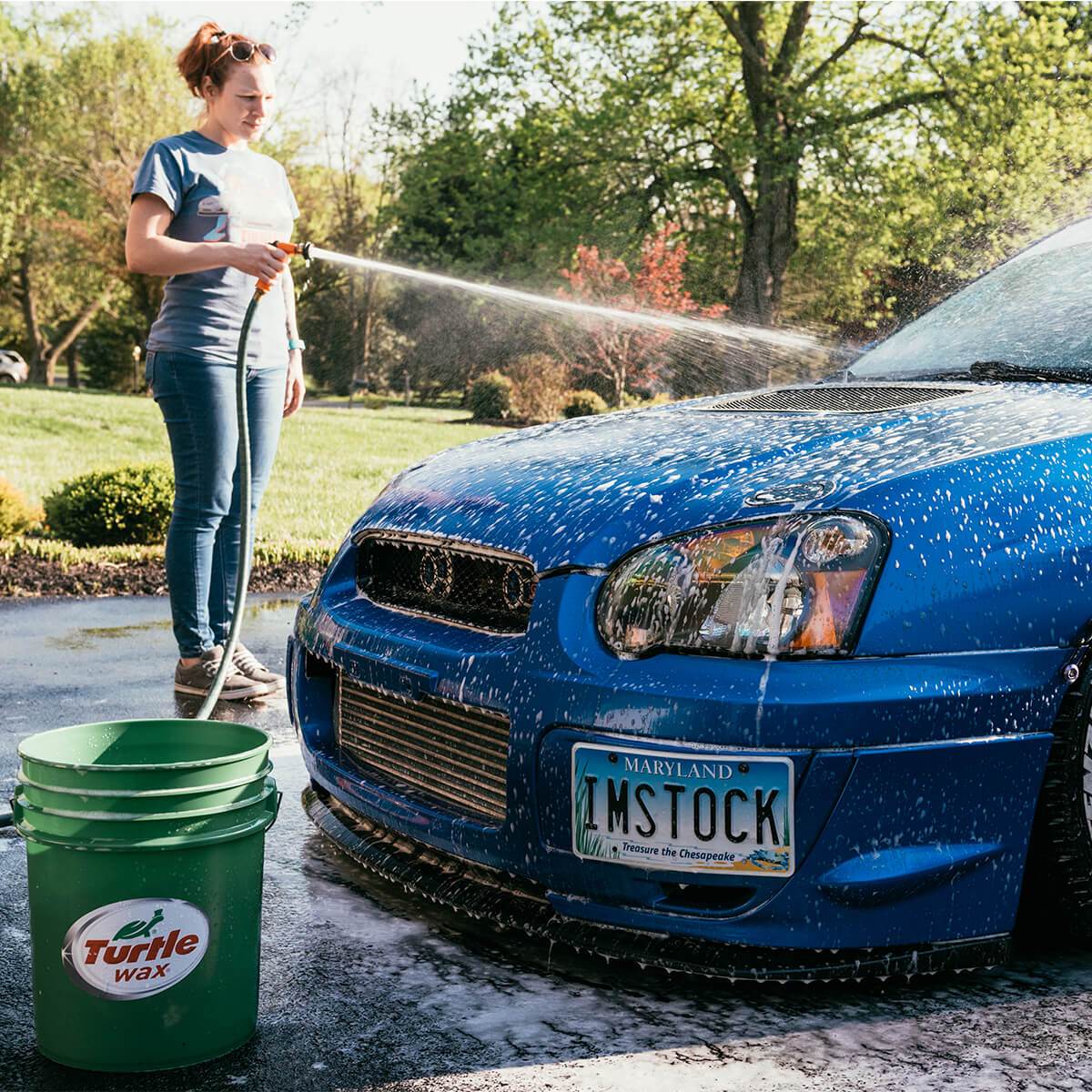
Begin by rinsing your car with plain water. Hold the spray nozzle about two feet away from the surface. Move the spray evenly across the car to remove loose dirt. This step prepares the surface for better cleaning. Avoid spraying directly at sensitive areas like mirrors or vents.
Applying Detergent Safely
Use a car-safe detergent designed for pressure washers. Apply the detergent from the bottom up to avoid streaks. Let the soap sit for a few minutes but do not let it dry. Keep the spray nozzle at a safe distance to protect the paint. Use gentle, even strokes for the best coverage.
Rinsing And Spot Cleaning
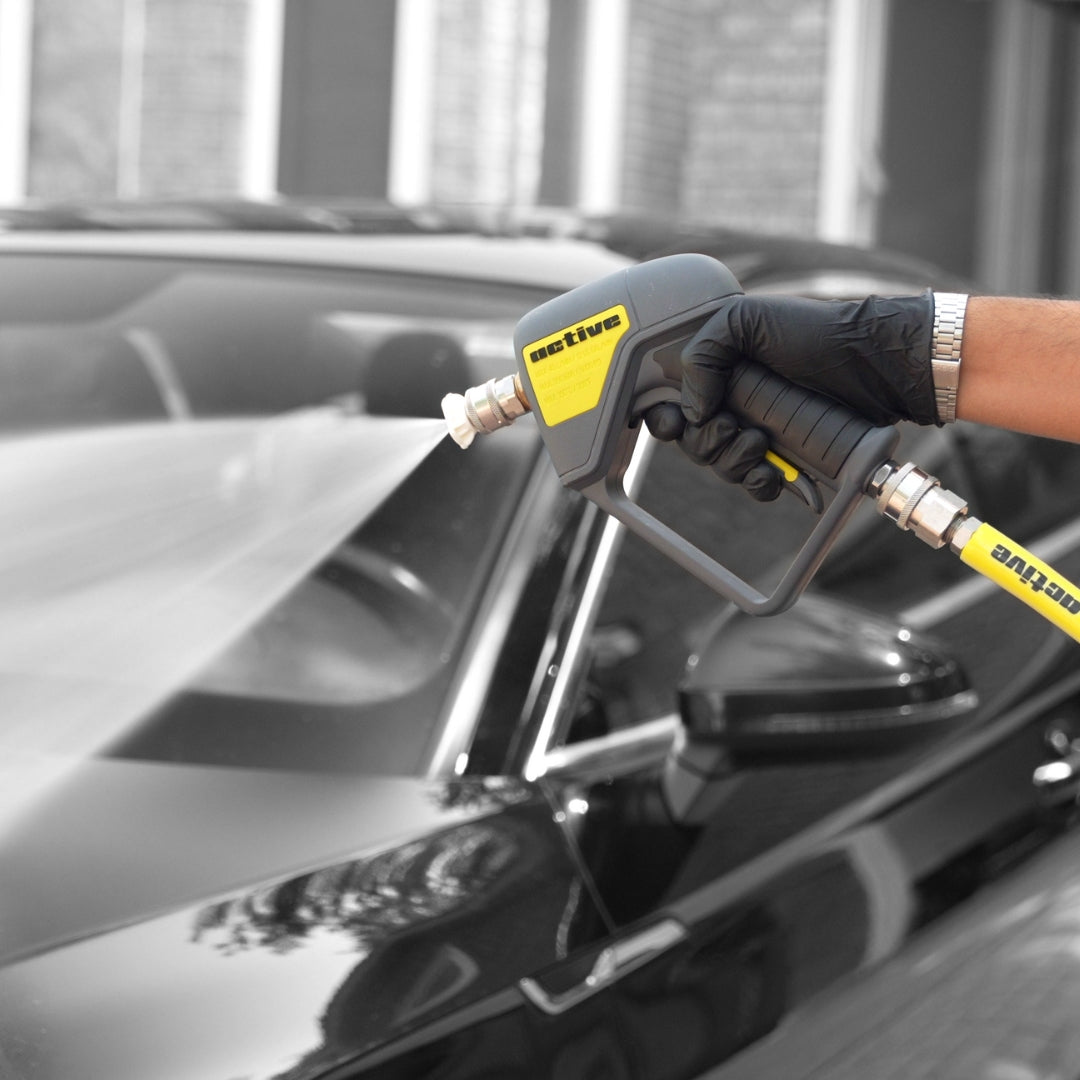
Rinse off the detergent with clean water using the same low-pressure setting. Spray from the top down to wash away all soap residues. Check for stubborn spots and gently spray them again. Use a soft brush or cloth for tough dirt on wheels or grills. Dry your car with a microfiber towel to prevent water spots.
Credit: activeproducts.com
Safety Tips And Common Mistakes
Pressure washing your car can make it look clean and fresh fast. Yet, using high pressure water can cause damage if not done right. Learning safety tips helps protect your car and yourself. Avoiding common mistakes makes the job easier and safer.
Avoiding Paint Damage
High pressure water can chip or peel paint. Use a wide spray nozzle to lower pressure. Keep the spray moving; do not focus on one spot. Avoid spraying directly on scratches or weak paint areas. Test spray on a small area first.
Maintaining Safe Distance
Hold the pressure washer nozzle at least 12 inches from the car. Closer distance can damage paint and trim. Adjust the distance based on pressure strength. Keep the nozzle angled to avoid water forcing into gaps. Stay steady and do not rush the wash.
Handling Electrical Components
Water and electricity do not mix well. Avoid spraying directly on lights, sensors, or wiring. Cover sensitive parts with plastic or cloth before washing. Turn off the car and remove keys before cleaning. Check for loose or exposed wires before starting.
Post-wash Care For A Lasting Shine
After pressure washing your car, proper care helps keep its shine for longer. Cleaning removes dirt, but the right post-wash steps protect the paint. This makes your car look fresh and new for weeks. Simple actions can prevent water spots and dullness.
Drying Techniques
Use a soft microfiber towel to dry your car. Avoid letting water air dry, as it leaves spots. Pat the surface gently instead of rubbing hard. Dry all areas, including mirrors and door edges. A clean drying cloth prevents scratches and streaks.
Waxing And Sealing
Apply wax or paint sealant after drying to protect the paint. Wax adds a layer that repels dirt and water. Use a small amount and spread evenly with a foam applicator. Let it dry to a haze, then buff with a clean cloth. Waxing enhances shine and extends protection.
Routine Maintenance Tips
Wash your car regularly to keep the finish smooth. Use mild soap and avoid harsh chemicals. Check for bird droppings or tree sap and clean them quickly. Park in shaded areas to reduce sun damage. Keep your car clean to save time on deep washes.
Frequently Asked Questions
How Often Should I Pressure Wash My Car?
Pressure wash your car every 1-2 months to remove dirt and grime. Avoid frequent washing to protect the paint and clear coat. Adjust based on your local environment and weather conditions for best results.
What Pressure Setting Is Safe For Washing Cars?
Use a pressure setting between 1200 and 1900 PSI for washing cars. Higher pressure can damage paint and seals. Always test on a small area before full cleaning to ensure safety.
Can I Use Detergent With A Pressure Washer On My Car?
Yes, use car-specific detergents with your pressure washer for better cleaning. Avoid harsh chemicals that can damage paint. Follow the detergent instructions and rinse thoroughly to prevent residue.
Should I Avoid Certain Car Areas While Pressure Washing?
Avoid spraying directly on sensitive areas like windows, mirrors, and electrical components. Use a wider spray angle to reduce pressure impact. This prevents damage and keeps your car safe during washing.
Conclusion
Pressure washing your car can save time and effort. Use the right pressure and distance to avoid damage. Clean all areas, including wheels and undercarriage. Dry your car to prevent water spots and streaks. Regular washing keeps your car looking fresh and protects the paint.
Simple steps make a big difference in car care. Try this method for a clean and shiny car. Take your time and enjoy the process. Your car will thank you with a great shine.