Washing your car with a pressure washer can save you time and effort while giving your vehicle a spotless shine. But if you’re not careful, it can also cause damage to your paint or leave streaks behind.
Imagine getting that showroom finish every time, without the hassle of scrubbing or using endless buckets of water. In this guide, you’ll discover simple, step-by-step tips to use your pressure washer safely and effectively. Keep reading, and you’ll learn how to protect your car’s finish while making your cleaning routine faster and easier than ever before.
Choosing The Right Pressure Washer
Choosing the right pressure washer is key to washing a car safely and well. The right machine cleans dirt without damaging paint. It also saves time and water. Picking a pressure washer depends on your car’s needs and your budget. Knowing the types, pressure settings, and useful accessories helps you decide.
Types Of Pressure Washers
Electric pressure washers suit small jobs and light dirt. They are quiet and easy to use. Gas pressure washers have more power. They clean tough stains and large vehicles. They are louder and need fuel. Choose electric for home use and gas for heavy cleaning.
Ideal Pressure Settings
Pressure is measured in PSI (pounds per square inch). For cars, 1200 to 1900 PSI works best. Too high pressure can damage paint and trim. Too low pressure may not clean well. Adjust pressure to remove dirt without harm.
Essential Accessories
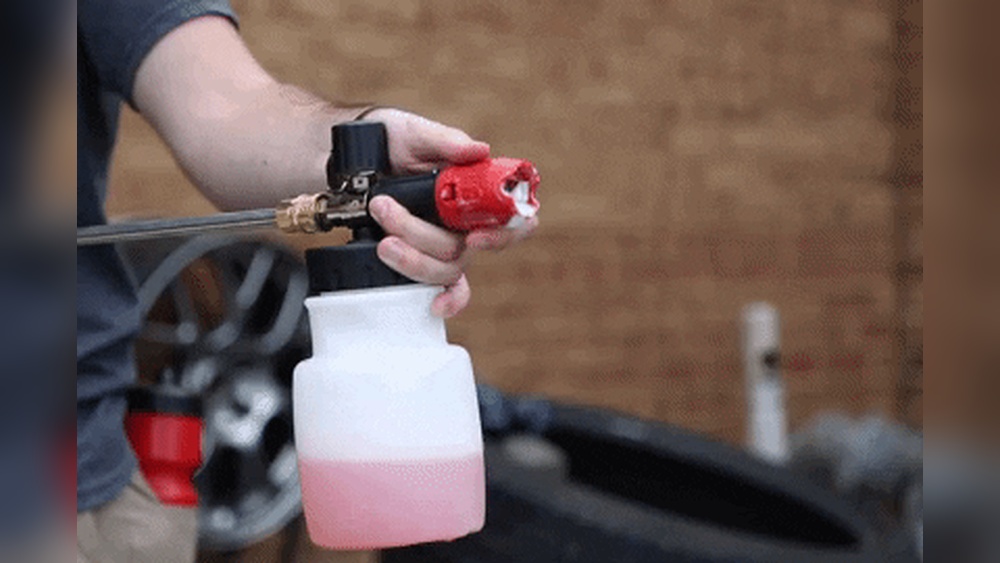
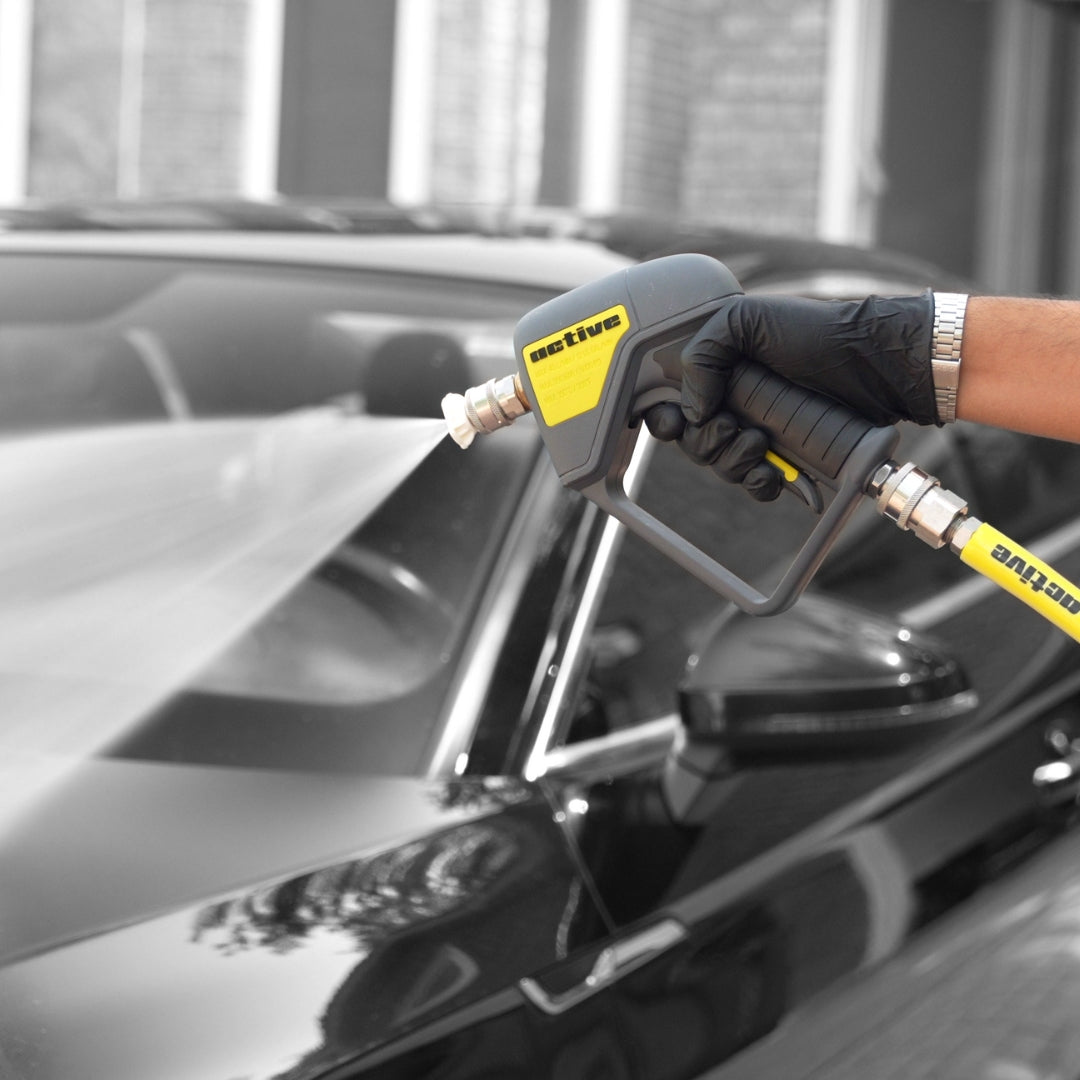
Nozzle tips control spray width and force. A 25-degree nozzle is good for cars. Use a foam cannon for soap application. A surface cleaner attachment helps with wheels and grills. These tools improve cleaning and protect your car.
Credit: activeproducts.com
Preparing Your Car For Washing
Preparing your car before washing is very important. It helps protect your car’s paint and parts. Proper preparation also makes the washing process easier and more effective. Follow these simple steps to get your car ready for pressure washing.
Remove Loose Dirt And Debris
Start by removing loose dirt and debris from your car’s surface. Use a soft brush or a dry cloth to wipe off dust and leaves. This prevents scratching the paint during washing. Clean the wheels and tires first to avoid spreading dirt onto the car body.
Protect Sensitive Areas
Cover sensitive areas like mirrors, door seals, and air vents with plastic or tape. These parts can get damaged by high-pressure water. Avoid spraying directly on electrical components and engine parts. Taking this step prevents water from causing issues later.
Select Appropriate Cleaning Products
Choose cleaning products made for cars. Avoid harsh chemicals that can harm the paint. Use a mild car shampoo or soap with a pH-balanced formula. This keeps your car’s finish safe and clean. Always follow the product instructions for the best results.
Setting Up The Pressure Washer
Setting up the pressure washer is the first step to wash your car effectively. Proper setup ensures safe and efficient cleaning. Follow these simple steps to prepare your machine for the job.
Connecting Water Supply
Start by connecting the pressure washer to a water source. Use a garden hose with a secure fit. Make sure the hose is free of leaks and kinks. Turn on the water fully before starting the washer. This prevents damage to the pump.
Attaching Nozzles
Select the correct nozzle for car washing. A 25-degree or 40-degree nozzle works best to avoid paint damage. Attach the nozzle securely to the spray gun. Check that it clicks or locks into place. A loose nozzle can cause uneven spray and harm your car.
Adjusting Pressure And Spray Patterns
Set the pressure to a low or medium level. High pressure can chip paint or cause scratches. Many washers have adjustable spray patterns. Use a wider spray for delicate surfaces. Test the spray on a small area before full cleaning.
Washing The Car Exterior
Washing the car exterior with a pressure washer is a quick way to remove dirt and grime. It helps keep your car shiny and clean. Follow a clear order to avoid missing spots and to protect your car’s paint.
Start from the top and work your way down. This method prevents dirty water from running over clean areas. Use gentle pressure to avoid damage to delicate parts.
Starting With The Roof
Begin washing the roof first. Hold the pressure washer nozzle about two feet from the surface. Spray slowly to remove dust and loose dirt. Avoid staying too long in one spot.
Use smooth, sweeping motions across the roof. This prevents streaks and uneven cleaning. The roof is often the dirtiest part, so give it extra attention.
Cleaning Windows And Mirrors
Next, clean the windows and mirrors. Use a lower pressure setting to avoid cracks or scratches. Spray water at an angle to remove dust and bugs.
Wipe the windows with a microfiber cloth after rinsing. This helps remove water spots and streaks. Clean mirrors carefully to keep visibility clear.
Washing Sides And Doors
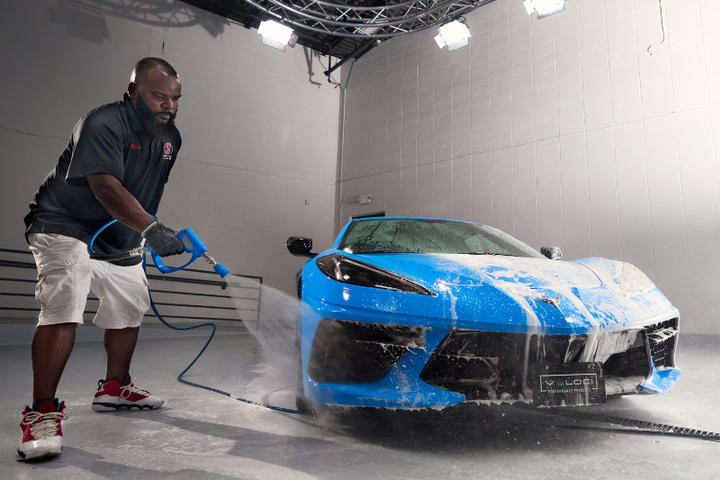
Spray the sides and doors of the car evenly. Keep the nozzle moving to prevent paint damage. Focus on areas with dirt buildup, like door handles and lower panels.
Pay special attention to door edges and seams. Dirt often hides in these spots. Use a circular motion for stubborn grime.
Rinsing Wheels And Tires
Finish with wheels and tires. Use a stronger spray to remove brake dust and road grime. Hold the nozzle close but avoid spraying brake parts directly.
Spray inside the wheel wells to clear trapped dirt. Clean tires thoroughly to improve the car’s overall look. Rinsing wheels last prevents dirt from splashing on the clean body.
Dealing With Stubborn Stains
Stubborn stains on a car can be tough to remove with just water and a pressure washer. These spots need extra care and the right approach to avoid damage. You must focus on gentle cleaning and proper tools. This helps keep the paint safe and the car looking fresh.
Using Detergents Safely
Choose a car-specific detergent that works well with pressure washers. Avoid harsh chemicals that might harm the paint or finish. Always dilute the detergent with water as directed on the label. Test the detergent on a small, hidden area first. This prevents surprises like discoloration or damage. Apply the detergent with low pressure, letting it sit for a few minutes. Then rinse thoroughly with clean water.
Spot Treatment Techniques
For tough stains like bird droppings, tree sap, or grease, use a soft cloth or sponge. Apply a small amount of detergent or stain remover directly to the spot. Gently rub the area without scratching the paint. Let the cleaner work for a few minutes. Rinse the spot with the pressure washer on low pressure. Repeat if the stain persists, but avoid scrubbing too hard.
Avoiding Paint Damage
Keep the pressure washer nozzle at least 12 inches from the car surface. Use a wide spray pattern to spread out the force of the water. Never use high pressure directly on stubborn stains. Avoid metal brushes or abrasive pads that can scratch the paint. Dry the car with a soft microfiber towel after washing. This helps prevent water spots and keeps the paint smooth.
Credit: www.mtmhydroparts.com
Rinsing And Drying
Rinsing and drying are key steps in washing a car with a pressure washer. Proper rinsing removes all soap and dirt, leaving the surface clean. Drying prevents water spots and streaks that damage the paint. Both steps need attention for a shiny, spotless finish.
Final Rinse Tips
Use a low-pressure setting to rinse your car. Start from the top and move downward. This pushes dirt and soap off smoothly. Keep the spray at least 12 inches away from the surface. Avoid strong jets on sensitive areas like mirrors and seals. Rinse every part thoroughly to avoid soap residue. Take your time for a clean finish.
Effective Drying Methods
Use a soft microfiber towel or chamois to dry your car. Pat the surface gently instead of rubbing. This prevents scratches and swirl marks. Another option is a car dryer or leaf blower for quick drying. Dry in the shade to stop water from drying too fast. Clean, dry towels work best to avoid dirt on paint.
Preventing Water Spots
Water spots form when minerals in water dry on paint. Dry your car quickly after rinsing to avoid spots. Use filtered or demineralized water if possible. Apply a quick detailer spray after drying to add shine and protection. Avoid washing your car under direct sunlight. These simple steps keep your car spotless and smooth.
Maintenance And Safety Tips
Keeping your pressure washer in good shape is key to washing your car safely and well. Proper maintenance helps the machine last longer. Safety tips protect you and your car from damage. Follow these simple steps to care for your equipment and stay safe.
Cleaning And Storing Equipment
After each use, rinse the pressure washer hose and nozzle with clean water. Remove any dirt or soap residue to avoid clogs. Drain water from the machine to stop freezing in cold weather. Store the pressure washer in a dry, cool place. Keep all parts organized and away from direct sunlight. Regular cleaning prevents damage and keeps your washer ready for next time.
Protective Gear Recommendations
Always wear safety goggles to protect your eyes from spray and debris. Use gloves to keep your hands safe and dry. Wear closed-toe shoes with good grip to avoid slipping. Long sleeves and pants protect your skin from strong water jets. Ear protection helps if the machine is very loud. Proper gear keeps you safe and comfortable during the job.
Common Mistakes To Avoid
Do not point the nozzle too close to the car’s paint. High pressure can cause scratches or chips. Avoid using harsh detergents that can damage the finish. Never operate the pressure washer without reading the manual first. Don’t forget to check the hose and connections for leaks. Avoid spraying electrical parts or outlets. These mistakes can cause injury or harm your car’s surface.
Credit: www.turtlewax.com
Frequently Asked Questions
How Do You Safely Use A Pressure Washer On A Car?
Start with low pressure and maintain a 12-inch distance. Avoid spraying directly at tires or seals. Use a wide spray nozzle to prevent paint damage. Always test on a small area first to ensure safety and effectiveness.
What Pressure Level Is Ideal For Washing Cars?
Use a pressure washer with 1200 to 1900 PSI for cars. Higher pressure can damage paint or trim. Always adjust pressure settings according to the car’s surface sensitivity to avoid harm.
Can I Use Detergent With A Pressure Washer?
Yes, use car-specific detergent designed for pressure washers. Apply detergent at low pressure and let it sit briefly. Rinse thoroughly with high-pressure water to remove soap and dirt completely.
How Often Should I Wash My Car With A Pressure Washer?
Wash your car every two weeks or as needed. Frequent washing removes dirt and protects the paint. Avoid over-washing to prevent wear on the car’s surface.
Conclusion
Washing your car with a pressure washer saves time and effort. Use the right pressure to avoid damage. Start from the top and work your way down. Always rinse off soap thoroughly for a clean finish. Take your time and be gentle on delicate parts.
This method keeps your car looking fresh and shiny. Regular washing helps protect your paint and surface. Try this simple way to keep your car clean and well-maintained. Easy, fast, and effective.