

Changing your fuel filter is a smart move to keep your engine running smoothly. But did you know that simply swapping the filter isn’t enough?
If you don’t prime your fuel system properly afterward, your vehicle might struggle to start or even stall. In this guide, you’ll learn exactly how to prime your fuel system step-by-step. By following these easy instructions, you’ll save time, avoid frustration, and ensure your engine runs at its best.
Ready to get your fuel system flowing perfectly again? Let’s dive in.

Credit: www.youtube.com
Signs Fuel System Needs Priming
After changing the fuel filter, the fuel system may need priming. This step is important to remove air trapped inside. Air in the fuel system can stop the engine from running smoothly. Recognizing signs that priming is needed helps fix problems early. Knowing these signs saves time and effort during maintenance.
Common Symptoms After Filter Change
The engine may start hard or not start at all. It might stall soon after starting. You may hear sputtering or jerking while driving. Loss of power or hesitation during acceleration is common. Fuel smells around the engine area can appear. These symptoms suggest air is in the fuel lines.
Why Priming Matters
Priming removes air pockets blocking fuel flow. Proper fuel flow ensures the engine runs smoothly. It prevents damage to fuel pumps and injectors. Priming saves fuel and reduces emissions. It helps maintain engine performance and reliability. Ignoring priming can lead to costly repairs later.
Credit: airdogdiesel.com
Tools And Materials Needed
Before priming the fuel system after changing the filter, gather all needed tools and materials. Having the right equipment makes the task easier and safer. Preparation saves time and reduces errors during the process.
Essential Equipment
You need a hand pump or a manual primer bulb to start fuel flow. A wrench set helps remove and tighten filter fittings. Clean rags or paper towels are useful for wiping spills. Safety gloves protect your hands from fuel contact. A container or tray catches any fuel that leaks. Finally, keep the new fuel filter and replacement parts close by.
Safety Precautions
Wear safety gloves and eye protection to avoid fuel splashes. Work in a well-ventilated area to prevent inhaling fumes. Keep flames and sparks far from the workspace. Clean spills immediately to reduce fire risk. Dispose of old filters and rags safely, following local rules. Always read the vehicle’s manual for any special instructions.
Step-by-step Priming Process
Priming the fuel system after changing the fuel filter is essential. It removes air from the fuel lines and helps the engine start smoothly. Follow these simple steps to prime the system correctly. This guide explains how to locate the primer pump, use manual methods, and use the vehicle’s built-in priming system.
Locating The Primer Pump
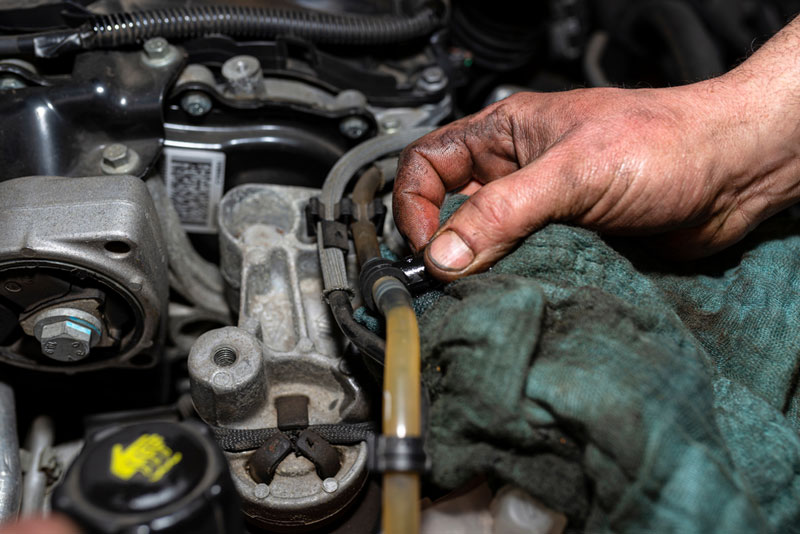
The primer pump is usually a small bulb or button near the fuel filter. Check under the hood or near the fuel tank. Some vehicles have a clear primer bulb on the fuel line. If unsure, consult your vehicle’s manual for the exact location. Finding the primer pump is the first step to remove air from the fuel system.
Manual Priming Techniques
Manual priming uses the primer pump to push fuel through the lines. Press the bulb slowly until it feels firm. This means the fuel system is filled and air is out. Repeat the process several times if needed. Avoid pressing too hard to prevent damage. Manual priming is simple and works well for many vehicles.
Using The Vehicle’s Priming System
Some vehicles have an electric or automatic priming system. Turn the ignition key to the “on” position without starting the engine. The electric pump will run and fill the fuel lines. Listen for a humming sound that means the pump is working. After a few seconds, try starting the engine. This method is quick and requires less effort.
Troubleshooting Common Issues
Sometimes priming the fuel system after changing the filter does not go as planned. Problems like airlocks or a failure to prime can stop your engine from running smoothly. Knowing how to spot and fix these issues can save time and stress.
Airlocks And How To Clear Them
Airlocks happen when air gets trapped inside the fuel lines. This blocks fuel flow and stops the engine from starting. To clear airlocks, loosen the fuel line at the filter or pump slightly. Then, pump the primer until fuel flows steadily without bubbles. Tighten the line back securely. Repeat this a few times if needed. Airlocks often cause a sputtering or no-start problem.
When Priming Doesn’t Work
Sometimes the fuel system still won’t prime after clearing airlocks. Check the filter installation first. A wrong filter or loose connections can block fuel flow. Next, inspect the primer pump for damage or leaks. A broken pump can fail to move fuel. Also, look at the fuel lines for cracks or clogs. Replace any damaged parts. If problems continue, the fuel injectors or fuel pump may need professional service.
Tips For Maintaining Fuel System Health
Maintaining the health of your fuel system is important for your vehicle’s performance. A well-kept system avoids problems like poor engine running or fuel leaks. Simple habits help keep your fuel system clean and working well. Follow these tips to protect your vehicle and save money on repairs.
Regular Filter Replacement Intervals
Change your fuel filter at regular times. This stops dirt and debris from reaching the engine. Check your vehicle’s manual for the right interval. Don’t wait too long to replace it. A clean filter helps fuel flow smoothly and keeps the system healthy.
Preventive Measures To Avoid Air In Fuel
Air in the fuel system causes engine problems. Avoid this by tightening fuel line connections. Check for cracks or loose parts after filter changes. Use the correct tools to prevent damage. Bleed the system carefully to remove trapped air. These steps keep your fuel system sealed and safe.

Credit: www.reddit.com
Frequently Asked Questions
How Do You Prime A Fuel System After Filter Change?
To prime the fuel system, first, turn the ignition on without starting the engine. This activates the fuel pump to fill the lines. Repeat this step several times until you hear the pump stop. Then, start the engine and check for smooth operation.
Why Is Fuel System Priming Necessary After Filter Change?
Priming removes air trapped in fuel lines after filter replacement. Air can cause engine misfires or prevent starting. Proper priming ensures continuous fuel flow and optimal engine performance. It also prevents damage to fuel injectors and pump from running dry.
How Long Does It Take To Prime The Fuel System?
Priming usually takes a few minutes, depending on the vehicle. Turning the ignition on and off several times helps fill the fuel lines. Once the engine starts and runs smoothly, priming is complete. Avoid cranking the engine for more than 10 seconds continuously.
Can I Prime The Fuel System Without Special Tools?
Yes, most vehicles allow priming by simply cycling the ignition key. Some models may have a manual primer pump near the filter. Consult your vehicle’s manual for specific instructions. No special tools are generally required for standard fuel system priming.
Conclusion
Priming the fuel system after a filter change keeps your engine running smooth. It removes air pockets that can cause starting problems. Follow the right steps carefully to avoid damage. Check for leaks and ensure fuel flows properly. A well-primed system helps your vehicle start quickly and run efficiently.
Take your time and stay patient during the process. Proper care now saves you from future engine troubles. Keep your fuel system healthy for better performance and longer engine life. Simple steps make a big difference.

