
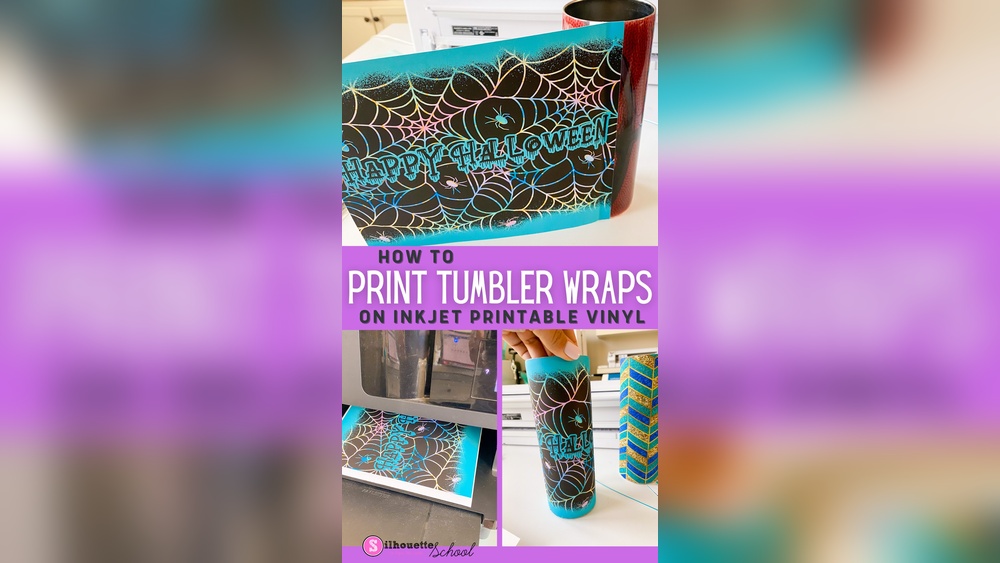
Are you ready to transform plain tumblers into eye-catching masterpieces? Printing vinyl wraps for tumblers is easier than you think—and it opens up a world of creative possibilities for your projects or business.
Whether you want to personalize gifts, start a small venture, or simply add style to your own drinkware, knowing the right steps can save you time, money, and frustration. In this guide, you’ll discover simple, clear instructions that make the printing process smooth and effective.
Keep reading to unlock the secrets that will help your vinyl wraps look professional and last long. Your perfect tumbler design is just a few steps away!

Credit: www.youtube.com
Choosing The Right Vinyl
Choosing the right vinyl is key to making great tumbler wraps. The vinyl affects the look, feel, and how long your design lasts. Picking the correct type helps your wraps stay bright and stick well. Consider the material, finish, and adhesive for the best results.
Types Of Vinyl For Tumblers
Cast vinyl and calendered vinyl are the main types used. Cast vinyl is thin and flexible. It molds well around curves and lasts longer. Calendered vinyl is thicker and less flexible. It works for flat surfaces but may peel on curves. For tumblers, cast vinyl is usually the best choice.
Durability And Finish Options
Vinyl comes with different finishes like matte, glossy, and satin. Glossy finishes shine and look bright. Matte finishes reduce glare and offer a smooth look. Satin finishes fall between matte and glossy. Durable vinyl resists water, scratches, and fading. Pick a finish that suits your style and use.
Selecting The Best Adhesive
The adhesive holds the vinyl on the tumbler surface. Permanent adhesives are strong and last a long time. Removable adhesives allow easy removal but may not last as long. Check if the adhesive works on metal or plastic tumblers. The right adhesive prevents peeling and bubbles.
Preparing Your Design
Preparing your design is a key step before printing vinyl wraps for tumblers. This step ensures your wrap fits perfectly and looks great. Careful planning of the design helps avoid mistakes and saves time. Follow simple rules to create a clear, attractive design ready for printing.
Design Software Tips
Use easy design software like Adobe Illustrator or CorelDRAW. These programs let you create shapes and text clearly. Work in vector format for sharp lines and easy resizing. Keep your layers organized to edit parts quickly. Save your file in a format your printer accepts, such as PDF or SVG.
Sizing And Layout For Tumblers
Measure your tumbler accurately before designing. Note the height and circumference of the tumbler. Create a template matching these dimensions. Leave a small margin for wrapping errors. Position your design elements so they flow around the tumbler smoothly. Avoid placing important details near edges or curves.
Color Considerations
Choose colors that look good on vinyl material. Use CMYK color mode for print accuracy. Bright colors stand out better on tumblers. Avoid very dark colors that may fade or hide details. Test your colors on similar vinyl before final printing. Remember, colors may look different on screen versus print.
Setting Up The Printer
Setting up the printer is the first step in printing vinyl wraps for tumblers. A good setup ensures clear prints and saves material. This section explains how to get your printer ready for the job.
Printer Compatibility
Not all printers can print on vinyl wraps. Check if your printer supports vinyl or specialty media. Inkjet printers with pigment ink work best for vinyl. Ensure your printer can handle the thickness of vinyl sheets.
Optimal Print Settings
Choose the right print quality for sharp images. Use a high-resolution setting, usually 720 dpi or higher. Set the ink type to pigment or waterproof ink. Select the media type as “specialty” or “vinyl” if available. Adjust the color profile for bright, true colors.
Loading Vinyl Correctly
Load the vinyl sheet carefully to avoid jams. Place the vinyl glossy side up if your printer prints on the top surface. Align the vinyl edges with the printer guides. Feed the vinyl slowly and check for wrinkles or bends.
Printing The Vinyl Wrap
Printing the vinyl wrap is a crucial step in customizing tumblers. It determines how the final design will look and fit. Careful printing ensures vibrant colors and sharp details on the wrap.
Choosing the right settings and materials affects the print quality. Using the proper printer and vinyl type makes a big difference. Preparing your design file correctly also helps avoid errors during printing.
Test Printing
Start with a small test print to check colors and alignment. This saves vinyl and time. Test prints help spot errors before the final run. Use the same vinyl type as the final print for accuracy.
Adjusting For Quality
Adjust printer settings like color balance and resolution. Higher resolution gives clearer images. Check ink levels and replace cartridges if needed. Ensure the vinyl is loaded correctly to avoid smudges or streaks.
Handling Common Issues
Wrinkles and bubbles can ruin the wrap. Print slowly to reduce these problems. Clean the vinyl surface before printing. Fix ink smudges by letting prints dry fully before handling. Regular printer maintenance prevents many issues.
Cutting And Weeding The Vinyl
Cutting and weeding vinyl wraps for tumblers is a crucial step. It shapes the design and removes extra vinyl. This process ensures the wrap fits perfectly and looks clean. Careful cutting and weeding prevent mistakes and wasted material.
Using A Cutting Machine
A cutting machine gives precise cuts every time. Load your vinyl sheet into the machine carefully. Set the blade depth to match your vinyl type. Use software to create or upload your design. Send the design to the cutter and start the process. The machine cuts the vinyl cleanly along the design lines.
Check the cut carefully before removing the vinyl. If the cut is too shallow, the vinyl will not weed well. If too deep, it may cut the backing paper. Adjust settings and test before cutting the final design.
Manual Cutting Techniques
Manual cutting works well for simple designs or small projects. Use a sharp craft knife or scissors for best results. Place the vinyl on a cutting mat to protect surfaces. Cut slowly along the design lines to avoid mistakes. Keep your hand steady to ensure clean edges.
For curved or detailed designs, make small cuts and rotate the vinyl. This helps keep control and accuracy. Manual cutting takes more time but offers flexibility for custom shapes.
Weeding Tips For Clean Edges
Weeding removes unwanted vinyl around your design. Use a weeding tool or tweezers to lift excess vinyl. Start from the corner and pull slowly to avoid tearing. Remove tiny pieces carefully to keep edges sharp.
Work in good light and magnify small details if needed. Press the vinyl down firmly before weeding to prevent lifting the design. Clean weeding makes the wrap look professional and ready to apply.

Credit: www.youtube.com
Applying The Vinyl To Tumblers
Applying vinyl wraps to tumblers requires careful steps to get a smooth, lasting finish. Each phase must be done with care. The right method helps the wrap stick well and look great. Follow simple steps to make your tumbler look professional and neat.
Surface Preparation
Clean the tumbler surface with rubbing alcohol. Remove all dirt, oils, and dust. Dry the surface completely before applying vinyl. A clean surface helps the vinyl stick better. Avoid touching the cleaned area to keep it free of oils.
Aligning The Wrap
Place the vinyl wrap around the tumbler gently. Start aligning from one side to the other. Use light pressure to hold the vinyl in place. Check edges and design placement carefully. Correct alignment prevents wrinkles and bubbles later.
Smoothing And Heating Techniques
Use a squeegee or soft cloth to smooth the vinyl. Apply firm pressure to remove air bubbles. Heat the vinyl slightly with a heat gun or hair dryer. Warm vinyl becomes flexible and sticks well. Work slowly to avoid overstretching or tearing.
Maintaining Your Vinyl Wraps
Maintaining your vinyl wraps keeps them looking fresh and vibrant. Proper care helps prevent peeling and fading. Small efforts can extend the life of your tumbler’s design.
Cleaning Recommendations
Use a soft cloth or sponge for cleaning. Avoid abrasive scrubbers that can scratch the vinyl. Wash with mild soap and warm water. Rinse thoroughly to remove soap residue. Pat dry gently instead of rubbing hard.
Avoiding Damage
Keep your wrapped tumbler away from sharp objects. Avoid dropping or banging it on hard surfaces. Do not expose the wrap to harsh chemicals or solvents. Avoid placing the tumbler in a dishwasher. Hand washing is safer for the vinyl.
Longevity Tips
Store your tumbler in a cool, dry place. Avoid direct sunlight for long periods. Heat can cause the vinyl to peel or fade. Apply a clear protective spray made for vinyl. This adds an extra layer of defense against wear.

Credit: www.silhouetteschoolblog.com
Frequently Asked Questions
How Do I Prepare A Tumbler For Vinyl Wrapping?
Clean the tumbler surface with rubbing alcohol to remove oils and dirt. Dry it completely before applying vinyl for better adhesion. Smooth surfaces yield the best results.
What Type Of Vinyl Is Best For Tumblers?
Use permanent outdoor vinyl or adhesive vinyl designed for curved surfaces. These types are durable, waterproof, and flexible, ideal for tumblers.
Can I Print My Own Designs On Vinyl Wraps?
Yes, use printable vinyl sheets compatible with inkjet or laser printers. Ensure your printer settings match the vinyl type for vibrant, durable prints.
How Do I Apply Vinyl Wraps Without Bubbles?
Peel the backing slowly and apply vinyl with a squeegee or credit card. Work from the center outwards to push out air bubbles smoothly.
Conclusion
Printing vinyl wraps for tumblers can be simple and fun. Choose the right vinyl and printer to get clear designs. Cut carefully and apply the wrap smoothly for best results. Take your time to avoid bubbles or wrinkles. Practice helps you improve your skills quickly.
Enjoy creating personalized tumblers that show your style. This process brings creativity to everyday items easily. Keep experimenting with colors and patterns to find what works best. Your tumblers will stand out with unique, vibrant wraps.


