
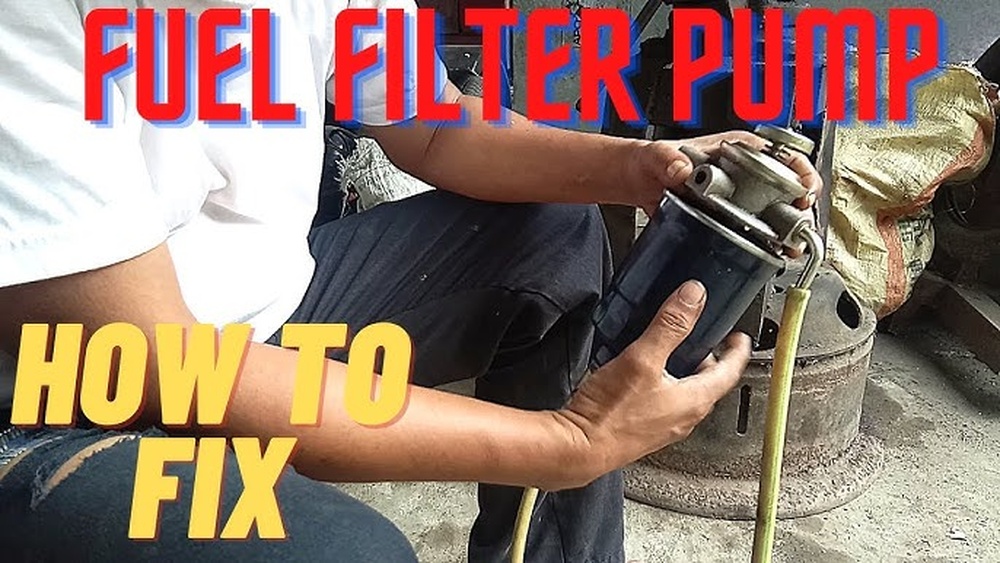
If you rely on a diesel engine, you know how important it is to keep it running smoothly. One key part that often gets overlooked is the diesel fuel filter.
When it clogs or traps air, your engine can lose power or even stop working. But don’t worry—learning how to pump your diesel fuel filter can save you time, money, and frustration. In this guide, you’ll discover simple steps to get your fuel filter working right again, so your engine stays strong and reliable.
Ready to take control of your diesel engine’s performance? Let’s dive in.

Credit: ph.parker.com
Why Pump Diesel Fuel Filter
Pumping a diesel fuel filter is a key step in vehicle care. It helps keep the fuel system clean and free from air. This process supports the engine’s smooth running and extends its life. Understanding why you need to pump the filter makes maintenance easier and more effective.
Preventing Airlocks
Airlocks happen when air blocks the fuel flow. This stops diesel from reaching the engine properly. Pumping the fuel filter removes trapped air. This clears the path for diesel to flow smoothly. Without airlocks, the engine starts and runs better.
Ensuring Engine Performance
A clean fuel filter helps the engine get the right fuel amount. Pumping the filter keeps fuel pressure steady. This ensures the engine works at its best power and speed. Good fuel flow also reduces engine stalls and rough idling.
Avoiding Fuel System Damage
Air and dirt in the fuel can harm engine parts. Pumping the diesel fuel filter removes these harmful elements. This protects pumps, injectors, and other components. Regular pumping saves repair costs and keeps the vehicle reliable.
Credit: ecogard.com
Tools Needed
Preparing the right tools is key for pumping a diesel fuel filter correctly. Each tool plays a vital role in making the task easier and safer. Having everything ready saves time and avoids mistakes. Below are the essential tools needed for this job.
Hand Pump Or Primer Bulb
A hand pump or primer bulb helps to remove air from the fuel system. It creates pressure to push diesel through the filter. This tool makes the process faster and avoids air locks. Choose a pump that fits your fuel line size for best results.
Wrenches And Screwdrivers
Wrenches and screwdrivers are necessary for loosening and tightening fittings. Use the right size wrench to avoid damaging parts. Screwdrivers help open clamps or access panels. Keep these tools handy to handle all bolts and screws easily.
Clean Cloth And Container
A clean cloth is important to wipe spills and keep the area tidy. Diesel can be messy and stain surfaces. Use a container to catch any fuel that drips out during the process. This keeps your workspace safe and clean.
Preparing The Vehicle
Preparing your vehicle before pumping the diesel fuel filter is crucial. Proper preparation ensures safety and makes the process smoother. Taking time to ready the vehicle helps avoid mistakes and damage. Follow these steps carefully to start on the right foot.
Safety Precautions
Turn off the engine and remove the keys from the ignition. Allow the vehicle to cool down to avoid burns. Wear gloves and safety glasses to protect your hands and eyes. Work in a well-ventilated area to avoid inhaling fumes. Keep a fire extinguisher nearby in case of emergencies.
Locating The Fuel Filter
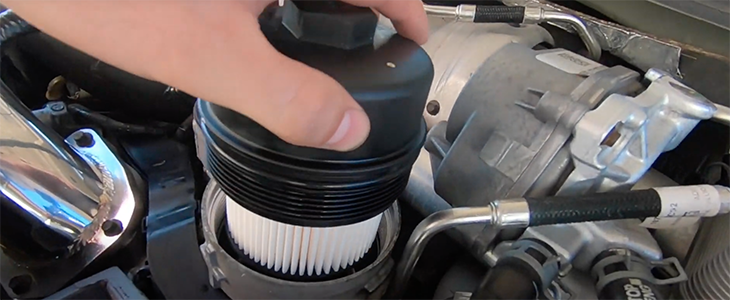
Open the vehicle’s hood or access panel to find the fuel filter. Check your vehicle’s manual if unsure about its location. The fuel filter usually sits along the fuel line between the tank and engine. Look for a cylindrical part connected to fuel lines with clamps or screws. Clean the area around the filter to prevent dirt from entering the fuel system.
Checking For Leaks
Inspect the fuel lines near the filter for cracks or damage. Look for wet spots or fuel odors that signal leaks. Tighten any loose clamps or fittings around the filter. Replace damaged hoses before pumping the filter. Ensuring no leaks prevents fuel spills and keeps you safe.

Credit: www.youtube.com
Step-by-step Pumping Process
Pumping a diesel fuel filter removes air and ensures smooth engine operation. Follow these simple steps to do it right. Each step is important to get the fuel flowing properly. Take your time and work carefully.
Loosening The Bleed Screw
Find the bleed screw on the fuel filter. Use a wrench or your fingers to loosen it slightly. Do not remove it completely. This allows trapped air to escape during pumping.
Using The Primer Pump
Locate the primer pump, usually a small hand pump near the fuel filter. Press the pump slowly and steadily. Watch fuel flow out of the bleed screw. Keep pumping until fuel flows without bubbles.
Closing The Bleed Screw
Once fuel flows smoothly, tighten the bleed screw securely. Make sure it is snug but avoid over-tightening. This stops air from entering the fuel system again.
Repeating The Process If Needed
Check the fuel flow and engine response. If the engine still sputters, repeat the pumping steps. Sometimes air gets trapped in multiple places. Repeat until the fuel system is free of air.
Troubleshooting Tips
Troubleshooting a diesel fuel filter pump can save time and prevent damage. Small problems often cause big issues. Identifying these problems early helps keep the engine running smoothly. Here are some common troubles and how to fix them.
Persistent Air Bubbles
Air bubbles in the fuel line stop the pump from working well. They cause the engine to run rough or stop. Check for loose connections or cracks in the fuel line. Tighten any loose fittings. Replace damaged hoses to stop air leaks. Bleed the system by pumping fuel until bubbles disappear.
Difficulty Pumping Fuel
Hard pumping means a blockage or a faulty pump. Dirty fuel or a clogged filter makes pumping tough. Use clean fuel and check the filter regularly. If the pump feels stuck, inspect it for damage. Replace worn parts to restore smooth pumping action. Always keep the filter clean for easy fuel flow.
Filter Replacement Signs
Watch for slow engine start or poor performance. These signs show the filter may be clogged. Dark or dirty filters need replacement. Regular changes keep the fuel system healthy. Follow the vehicle’s manual for replacement schedules. Fresh filters improve fuel flow and engine life.
Maintenance Tips
Maintaining your diesel fuel filter is key to a healthy engine and smooth operation. Proper care helps avoid costly repairs and keeps fuel clean. Follow simple steps to extend the life of your filter and pump.
Regular attention prevents blockages and improves fuel flow. Here are some practical maintenance tips to keep your diesel fuel filter working well.
Regular Filter Checks
Check your fuel filter often for dirt and damage. A clogged filter slows fuel flow and reduces engine power. Inspect for cracks or leaks that may cause fuel loss. Replace the filter if it looks worn or dirty. Regular checks keep your engine running strong.
Proper Storage Of Tools
Store your pump tools in a clean, dry place. Dirt and moisture can damage tools and affect their performance. Use sealed containers or toolboxes to protect your gear. Clean your tools after each use to prevent rust and dirt build-up. Good storage extends tool life and ensures readiness.
Scheduling Professional Service
Plan regular service with a trusted mechanic. Professionals can spot problems early and perform deep cleaning. They have the right tools and skills to handle complex repairs. Regular service keeps your diesel system in top shape. It saves money by avoiding major breakdowns.
Frequently Asked Questions
How Do You Pump A Diesel Fuel Filter Safely?
To pump a diesel fuel filter safely, first turn off the engine. Use a hand primer pump or lever to push fuel through the filter. Always wear gloves and avoid spills. Follow your vehicle’s manual instructions carefully to prevent air entering the fuel system.
Why Is Pumping A Diesel Fuel Filter Necessary?
Pumping a diesel fuel filter removes air and ensures proper fuel flow. It prevents engine stalls and improves performance. Without pumping, trapped air can cause starting problems and damage fuel injectors. Regularly pumping helps maintain engine efficiency and prolongs fuel system life.
How Often Should You Pump The Diesel Fuel Filter?
Pump the diesel fuel filter after every fuel filter change or when air enters the system. Also, pump if you notice engine hesitation or rough idling. Frequency varies by vehicle, but generally, pumping after servicing keeps the system air-free and running smoothly.
Can I Pump A Diesel Fuel Filter Without Special Tools?
Yes, you can pump a diesel fuel filter without special tools by using the manual primer lever if available. Otherwise, a simple hand pump or squeeze bulb works. However, using the right tools ensures thorough air removal and prevents fuel leaks.
Conclusion
Pumping a diesel fuel filter keeps your engine running smoothly. Clean fuel means fewer problems and better performance. Follow each step carefully for safe and effective results. Regular maintenance saves time and money in the long run. Take your time, and don’t rush the process.
A well-pumped filter helps your vehicle stay strong. Keep your diesel system healthy with simple care. Your engine will thank you with reliable power. Small efforts make a big difference. Stay consistent to avoid costly repairs later.


