
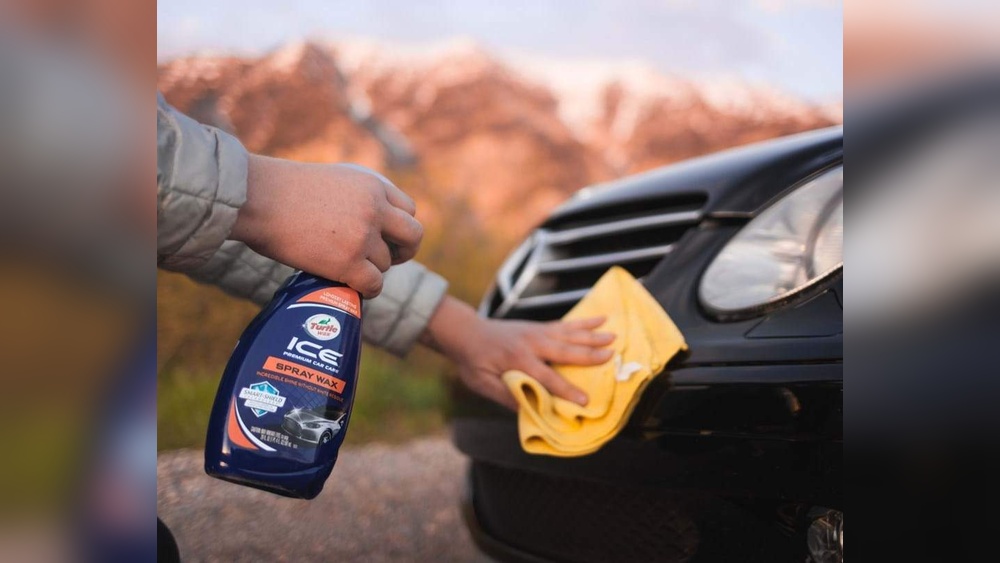
You want your car to look its best, shining bright like new every time you step outside. But simply washing it isn’t enough.
Applying wax is the secret step that protects your paint and makes your car stand out on the road. If you’re unsure how to properly apply wax, don’t worry—you’re about to learn easy, effective tips that anyone can follow. Keep reading to discover how to give your car that smooth, glossy finish that turns heads and keeps your paint safe for years to come.
Choosing The Right Wax
Choosing the right wax is key to a shiny, protected car. The wrong wax can leave streaks or damage the paint. The right wax boosts shine and shields your vehicle from dirt and sun. It also lasts longer, saving time and effort.
Consider your car’s paint type and how often you wash it. Some waxes suit dark colors better. Others work well for light or matte finishes. Pick wax based on your needs and climate.
Types Of Car Wax
Car wax comes in several forms: paste, liquid, and spray. Paste wax offers strong protection but needs more effort to apply. Liquid wax spreads easier and dries fast. Spray wax is the quickest but may not last as long.
Natural carnauba wax gives a deep shine but wears off quicker. Synthetic wax lasts longer and protects well. Some products combine both for better results.
Factors To Consider
Think about how often you want to wax your car. Choose fast-drying wax for quick jobs. Check if the wax suits your paint type. Some waxes work better on older or newer paint.
Climate matters too. If you live in a hot area, pick wax with UV protection. For rainy regions, choose water-repellent wax. Also, check if the wax is easy to apply and remove.
Recommended Brands
Several brands deliver good quality wax. Turtle Wax offers affordable and easy-to-use options. Meguiar’s has waxes popular for deep shine and protection. Chemical Guys provide both natural and synthetic waxes for different needs.
Collinite is known for long-lasting wax that protects well. Choose a brand that fits your budget and meets your car care needs.
Preparing The Car Surface
Preparing the car surface is a crucial step before applying wax. A clean and smooth surface helps the wax stick better. It also ensures a shiny and even finish. Skipping preparation can cause spots or dull areas. Follow these steps to get the best results.
Washing And Drying
Start by washing your car thoroughly. Use a car shampoo and clean water. Avoid household soaps; they can strip paint protection. Rinse all dirt and grime carefully. Dry the car with a soft microfiber towel. This prevents water spots and scratches.
Removing Contaminants
Some dirt stays after washing. Tar, tree sap, and bugs can cling to paint. Use a special cleaner or detailing spray to remove these. Apply it gently with a cloth. This step makes the surface smoother and cleaner.
Clay Bar Treatment
Use a clay bar to remove tiny particles in the paint. These particles do not come off with washing alone. Spray a lubricant and gently rub the clay bar on the surface. This process leaves the paint silky and ready for waxing.
Gathering Necessary Tools
Before applying wax to your car, gather all the right tools. Having the proper items makes the job easier and gives better results. It also protects your car’s paint during the process.
Applicator Pads
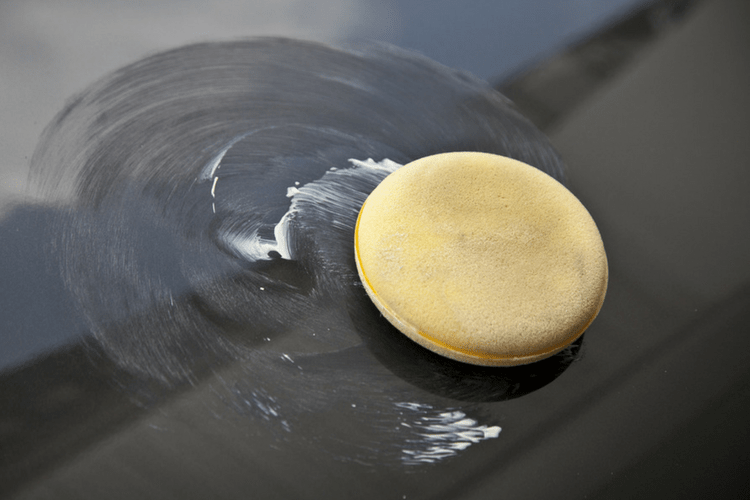
Use soft applicator pads to spread wax evenly. Foam or microfiber pads work best. Avoid rough or old cloths that may scratch the paint. Choose a pad size that fits your hand comfortably.
Microfiber Towels
Microfiber towels help remove wax without leaving streaks. They are gentle and absorbent. Use clean towels to avoid dirt on your car. Have several towels ready for wiping and buffing.
Protective Gear
Wear gloves to protect your skin from chemicals. Safety glasses shield your eyes from splashes. Dress in old clothes to avoid stains. Protective gear keeps you safe and clean during waxing.
Credit: www.goldeagle.com
Applying Wax Step-by-step
Applying wax to a car improves its shine and protects the paint. Doing it right takes time and care. Follow these steps to get the best results. Wax works better when applied in small parts. Thin layers help the wax dry evenly. Avoiding common mistakes keeps the finish smooth and clean.
Working In Small Sections
Divide your car into small areas, like a door or a fender. Focus on one section at a time. This way, the wax stays wet and spreads easily. It also helps you see where you applied the wax. Don’t rush. Taking your time makes the wax job better.
Applying Thin Layers
Use a soft applicator to spread a thin layer of wax. Thick layers take longer to dry and may leave streaks. A thin coat dries faster and looks smoother. Apply the wax in small circles for even coverage. Less wax means better shine and easier removal.
Avoiding Common Mistakes
Do not apply wax in direct sunlight or on a hot car. The wax can dry too fast and become hard to remove. Avoid using too much wax; it wastes product and clogs the surface. Don’t skip wiping off the wax after it dries. Leaving wax on too long can cause hazy spots. Clean your applicator often to prevent dirt scratches.
Buffing And Polishing
Buffing and polishing are key steps after applying wax to a car. They help to bring out a deep shine and remove any leftover wax residue. Proper buffing protects the paint and gives the car a smooth, glossy finish that looks clean and fresh.
Timing For Buffing
Wait until the wax dries but not too long. The wax should feel hazy or cloudy. This usually takes about 10 to 15 minutes. If you wait too long, the wax becomes hard and difficult to remove. Buffing at the right time helps get a smooth finish without streaks.
Techniques For A Smooth Finish
Use a clean, soft microfiber cloth for buffing. Work in small sections using circular motions. Apply gentle pressure and keep moving the cloth. Avoid pressing too hard or staying in one spot. This helps prevent scratches and gives a nice shine.
Using Buffing Machines
Buffing machines speed up the process and give consistent results. Use a low speed setting to avoid damage. Attach a soft foam pad to the machine. Move the machine slowly in overlapping circles. Keep it moving to avoid heat build-up on the paint.

Credit: mycarsfirst.com
Maintaining The Waxed Surface
Maintaining the waxed surface of your car keeps it looking shiny and new. Proper care extends the life of the wax and protects the paint. A few simple steps help preserve the smooth, glossy finish you worked hard to achieve.
Regular Washing Tips
Wash your car gently to avoid removing the wax. Use a soft sponge or microfiber cloth. Choose a car shampoo that does not strip wax. Avoid harsh detergents or household cleaners. Rinse thoroughly to remove dirt and soap. Dry the car with a clean, soft towel to prevent water spots.
Reapplying Wax Frequency
Wax wears off over time due to weather and washing. Reapply wax every three to four months for best results. Check the surface by wiping a small area with a cloth. If the water no longer beads, it’s time to wax again. Regular reapplication keeps the paint protected and shiny.
Protecting Against Elements
Sun, rain, and dust can damage the waxed surface. Park your car in shaded or covered areas when possible. Use a car cover for long-term protection. Avoid parking under trees that drop sap or leaves. Quick removal of bird droppings and bugs helps preserve wax. These small actions protect your car’s shine and paint.

Credit: www.turtlewax.com
Frequently Asked Questions
How Often Should I Wax My Car For Best Results?
Wax your car every 3 to 4 months for optimal protection. Regular waxing maintains shine and protects paint from UV rays and dirt. Frequency may increase if exposed to harsh weather or frequent washing.
Can I Apply Car Wax In Direct Sunlight?
Avoid applying wax in direct sunlight. Heat causes wax to dry too quickly, leading to uneven application and streaks. Choose a shaded, cool area for better results and easier buffing.
What Tools Do I Need To Apply Car Wax Properly?
Use a clean microfiber cloth or foam applicator pad to apply wax. Buff off with a separate microfiber towel. These tools ensure even application and prevent scratches on your car’s paint.
Should I Wash My Car Before Waxing It?
Yes, always wash your car before waxing. Removing dirt and grime ensures wax adheres properly and prevents scratches. Dry the car completely to avoid water spots under the wax.
Conclusion
Applying wax to your car protects its paint and keeps it shiny. Take your time and follow each step carefully. Use clean cloths and avoid direct sunlight while waxing. Regular waxing helps your car look new longer. Enjoy the smooth, glossy finish that comes from proper waxing.
Your car will thank you with a great shine every time. Keep practicing, and waxing will become easy and quick. A well-waxed car always stands out on the road.


