Have you ever wondered how tough it really is to change your brake pads and rotors? If you’re thinking about doing it yourself, you might feel unsure or even a bit nervous.
The good news is, it’s not as complicated as it sounds. With the right tools and a little guidance, you can save money and gain confidence by handling this important car maintenance task on your own. Keep reading, and you’ll discover exactly what to expect, step by step, so you can decide if this job is right for you.
.jpg)
Credit: www.cbac.com
Signs You Need New Brake Pads And Rotors
Brake pads and rotors wear out over time. Knowing the signs helps keep driving safe. Recognizing these signs early can save money and prevent accidents. Here are key signals that show it is time to replace your brake pads and rotors.
Squeaking And Grinding Noises
Squeaking sounds often mean brake pads are worn. The noise comes from a small metal piece called a wear indicator. It makes noise to warn drivers before damage occurs.
Grinding noises are more serious. They happen when brake pads wear completely. Metal rubs against metal, damaging rotors. This sound means brakes need urgent attention.
Vibration While Braking
Vibration or shaking in the steering wheel or brake pedal signals problems. Warped rotors often cause this issue. Heat and wear can bend rotors, making brakes feel rough.
Ignoring vibration can cause further damage. It also reduces control while stopping. Smooth braking means safer driving.
Reduced Braking Performance
Brakes that take longer to stop need checking. Soft or spongy brake pedals also show wear. It may mean brake fluid leaks or worn pads.
Reduced braking power increases accident risk. Regular checks keep brakes working well. Immediate replacement keeps you and others safe.
Tools Required For The Job
Changing brake pads and rotors requires the right tools. These tools make the job easier and safer. Without them, the task becomes difficult and time-consuming. Here is a list of tools needed to complete the job properly.
Basic Hand Tools
Start with a good set of wrenches and sockets. You need these to remove the wheel and brake caliper bolts. A ratchet and breaker bar help loosen tight bolts. Screwdrivers come in handy to pry off old brake pads. A hammer can help remove stuck parts carefully.
Specialized Brake Tools
Some tasks need special tools. A brake caliper piston tool helps push the piston back safely. A torque wrench ensures bolts are tightened to the right strength. A brake bleeder kit is useful for removing air from brake lines after replacement.
Safety Equipment
Safety is important during brake work. Wear safety glasses to protect your eyes. Gloves keep your hands clean and safe from sharp edges. Use jack stands to secure the car while working under it. Never rely on a jack alone for support.
Step-by-step Brake Pad Replacement
Replacing brake pads is a key part of car care. It keeps your vehicle safe and stops noises or vibrations during braking. This step-by-step guide helps you change brake pads with ease. Each step is simple and clear. Follow along to understand the process.
Lifting And Securing The Vehicle
Start by parking your car on a flat surface. Use a jack to lift the car carefully. Place jack stands under the car for safety. Never work under a car only supported by a jack. Make sure the vehicle is steady before moving on.
Removing The Wheel
Loosen the lug nuts with a wrench before lifting the car. Once lifted and secured, remove the lug nuts completely. Take off the wheel and set it aside. This gives clear access to the brake system.
Detaching The Old Brake Pads
Locate the brake caliper and remove its bolts. Gently lift the caliper to expose the brake pads. Slide out the old brake pads carefully. Avoid damaging other parts. Note how the old pads fit for the next step.
Installing New Brake Pads
Place the new brake pads in the same position. Push the caliper back over the pads. Tighten the caliper bolts securely. Check that everything fits and moves properly. Reattach the wheel and tighten the lug nuts.

Credit: www.youtube.com
Rotor Replacement Process
Replacing brake rotors is a key step when changing brake pads. The process needs care and some tools. Each step must be done correctly to keep your car safe.
Removing The Caliper And Bracket
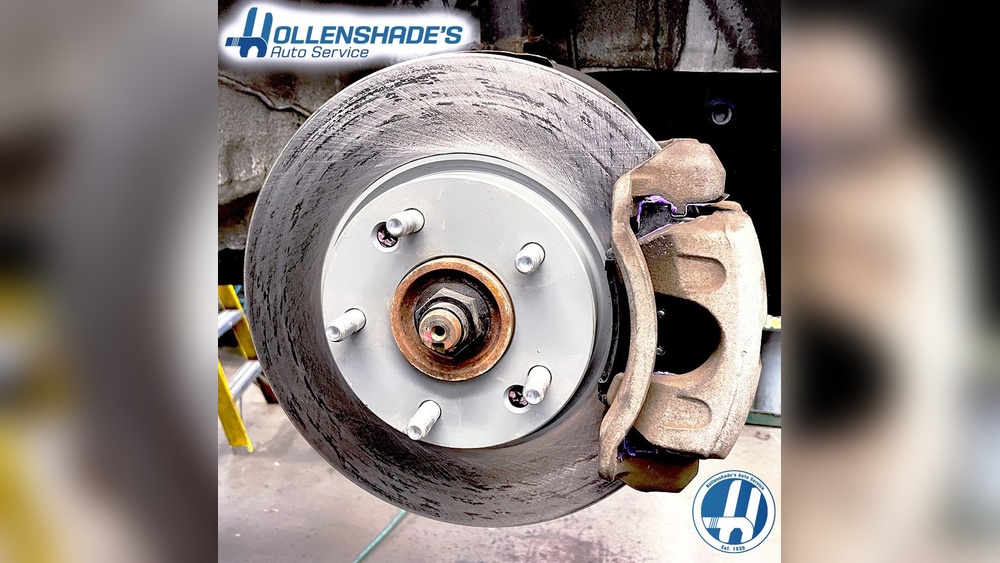
First, take off the wheel to see the brake parts. Use a wrench to remove the bolts holding the caliper. The caliper holds the brake pads. Carefully lift the caliper away but do not let it hang by the brake line. Use a hanger or rope to hold it. Then, remove the bracket that holds the rotor in place. This bracket usually has two bolts.
Taking Off The Old Rotor
Once the caliper and bracket are off, the rotor is free. Sometimes rust or dirt can hold it tight. Tap the rotor gently with a rubber mallet to loosen it. Pull the rotor straight off the hub. If it is stuck, check for any screws or clips that might still hold it.
Cleaning And Installing The New Rotor
Before putting the new rotor on, clean the hub surface. Use a wire brush or sandpaper to remove rust and dirt. This step helps the rotor fit well. Place the new rotor on the hub, lining it up with the holes. Reattach the bracket and tighten the bolts firmly. Finally, put the caliper back and secure its bolts. Make sure everything is tight and moves smoothly.
Common Challenges And How To Overcome Them
Changing brake pads and rotors can be tricky for many car owners. Several common problems often slow down the process. Knowing these challenges helps you prepare better. Solutions are simple with the right tools and patience.
Stuck Bolts And Rust
Bolts often get stuck due to rust and dirt. This makes removing rotors hard. Use a penetrating oil to loosen bolts. Let it sit for 10-15 minutes before trying again. A breaker bar or impact wrench can add extra force. Avoid using too much force to prevent damage.
Caliper Piston Issues
The caliper piston may not move easily. Dirt or corrosion can cause it to stick. Use a C-clamp or caliper tool to press it back slowly. Make sure the brake fluid reservoir cap is off. This prevents pressure buildup when pushing the piston.
Proper Torque And Alignment
Bolts must be tightened to the right torque. Too loose bolts cause safety risks. Too tight bolts can damage parts. Use a torque wrench for accuracy. Align rotors properly on the hub to avoid vibrations. Double-check everything before finishing the job.

Credit: vatire.com
Tips For A Safe And Effective Brake Job
Changing brake pads and rotors is a task that needs care and attention. Safety is the top priority during this job. Following some simple tips helps ensure a safe and effective brake replacement. These tips reduce risks and improve results.
Double-check Everything
Check all parts before reassembling. Make sure brake pads fit properly. Inspect rotors for any damage or uneven wear. Tighten all bolts to the correct torque. Never skip this step. A small mistake can cause brake failure.
Test Drive Guidelines
Start with a slow test drive in a safe area. Listen for unusual noises or vibrations. Test the brakes gently at first. Increase pressure gradually to confirm proper function. If brakes feel soft or unresponsive, stop and recheck the work.
When To Seek Professional Help
Brake jobs can be tricky. If unsure about any step, ask a professional. Complex brake systems need expert tools and skills. Safety is not worth risking. Calling a mechanic can save money and lives in the long run.
Frequently Asked Questions
How Difficult Is Changing Brake Pads And Rotors?
Changing brake pads and rotors is moderately difficult. Basic mechanical skills and tools are required. Following a detailed guide helps beginners complete the task safely and effectively.
How Long Does It Take To Replace Brake Pads And Rotors?
Replacing brake pads and rotors typically takes 1 to 2 hours. The time depends on your experience and tools. Proper preparation and patience ensure a smooth process.
What Tools Are Needed To Change Brake Pads And Rotors?
Essential tools include a jack, lug wrench, socket set, C-clamp, and brake cleaner. Having the right tools simplifies the job and ensures safety during replacement.
Can I Replace Brake Pads And Rotors Myself Safely?
Yes, with proper knowledge and tools, DIY replacement is safe. Always follow safety guidelines and consult your vehicle’s manual. When in doubt, seek professional help.
Conclusion
Changing brake pads and rotors is doable with patience and the right tools. It may take some time for beginners, but clear steps help a lot. Knowing the process can save money and keep your car safe. Always check your work and test brakes carefully afterward.
Practice makes the task easier and builds confidence. Taking your time leads to better results and safer driving. So, don’t be afraid to try this repair yourself.