
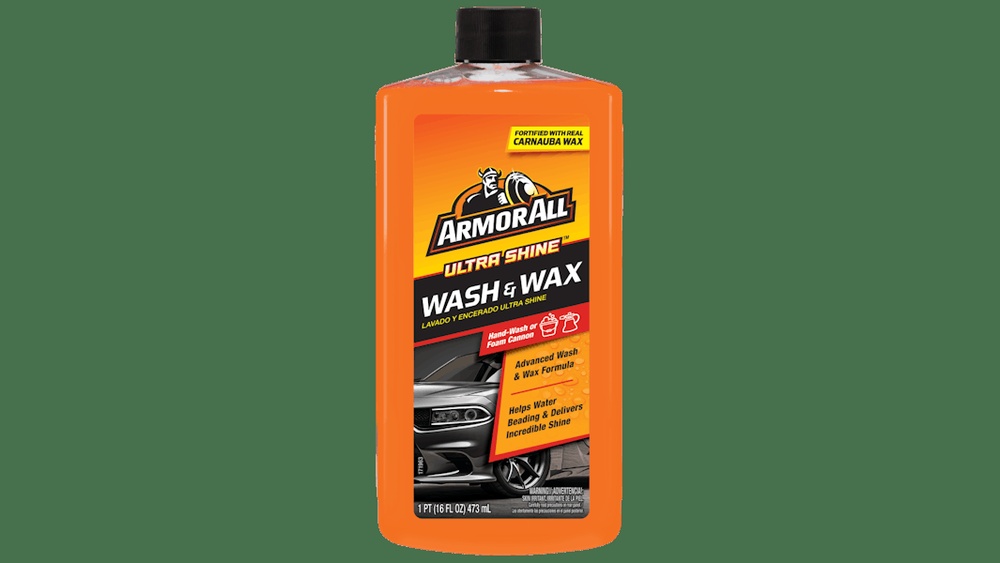
If you want your car to look shiny and stay protected, using wax at a car wash is a game-changer. But how exactly do you use wax the right way?
You might think it’s tricky or time-consuming, but with a few simple steps, you can make your car gleam like new. You’ll discover easy tips to apply wax effectively during your car wash. By the end, your car will not only turn heads but also stay safe from dirt and damage.
Ready to give your ride that perfect finish? Let’s dive in!
Choosing The Right Wax
Choosing the right wax for your car is important to protect its paint. Wax adds shine and guards against dirt and water. Picking the best wax depends on your car’s needs and paint type. Understanding wax types helps you make the right choice. This section breaks down the main wax options and their benefits.
Types Of Car Wax
Car wax comes in three main types: paste, liquid, and spray. Paste wax is thick and lasts longer. Liquid wax is easier to apply and spreads well. Spray wax is fast to use but may not last as long. Each type suits different needs and time availability.
Wax For Different Paint Finishes
Some waxes work better on certain paint finishes. Glossy paint benefits from waxes that boost shine. Matte paint needs special wax that keeps the texture without adding gloss. Clear coat paint requires wax that protects without damage. Choose wax based on your car’s paint finish for best results.
Natural Vs Synthetic Waxes
Natural waxes come from carnauba, a plant-based material. They give deep shine and a warm glow. Synthetic waxes are made in labs and last longer. They protect better against weather and dirt. Both types protect paint well but differ in shine and durability. Pick one that fits your style and protection needs.
Preparing Your Car
Preparing your car is a key step before applying wax. A clean surface helps the wax stick better and last longer. Taking time to prepare ensures a smooth, shiny finish.
Thorough Cleaning
Start by washing your car with soap and water. Remove dirt, dust, and grime from all surfaces. Use a soft sponge or cloth to avoid scratches. Pay attention to wheel wells and bumpers. Rinse well to remove all soap.
Drying Techniques
Dry your car using a clean microfiber towel. Avoid air drying; it leaves water spots. Pat the surface gently to soak up water. Move quickly to prevent dust from settling. Make sure all areas are completely dry.
Surface Inspection
Check the car’s surface closely after drying. Look for scratches, stains, or leftover dirt. Fix any spots with a quick wipe or clay bar. Ensure the paint is smooth and clean. A good inspection helps wax stick evenly.
Applying Wax
Applying wax is a key step in car washing. It protects your car’s paint and gives it a shiny look. Wax creates a barrier against dirt, water, and sun damage. Proper waxing keeps your car looking new for longer. Follow simple steps to apply wax correctly and get the best results.
Tools And Materials Needed
- Car wax (paste, liquid, or spray)
- Clean microfiber cloths
- Foam applicator pad
- Bucket of clean water
- Car wash soap
- Shade or a cool place to work
Step-by-step Application
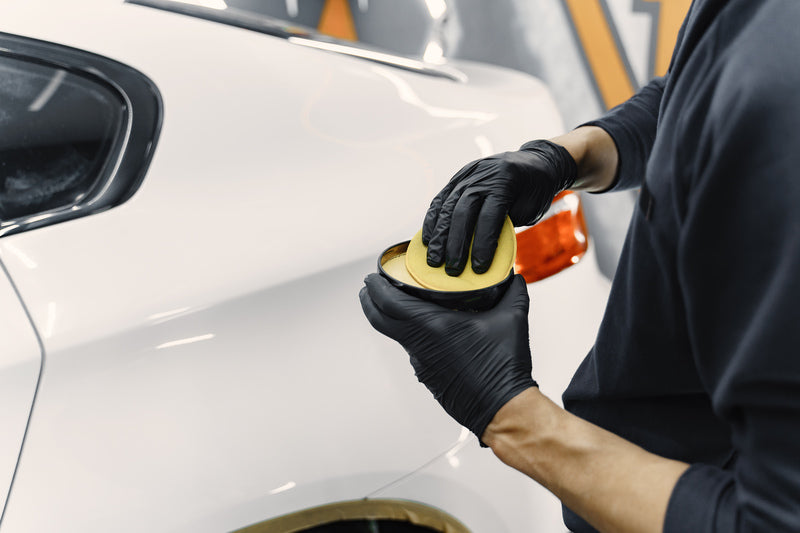
First, wash your car thoroughly with soap and water. Dry it completely before waxing. Apply a small amount of wax to the foam applicator. Spread the wax on the car’s surface in small sections. Use circular motions for even coverage. Let the wax dry to a haze, usually a few minutes. Use a clean microfiber cloth to buff the wax off. Work in the shade to avoid quick drying.
Tips For Even Coverage
Apply wax in thin, even layers. Avoid heavy coats that are hard to remove. Use gentle pressure to spread wax smoothly. Always wax one section at a time. Keep your cloth clean to prevent scratches. Check the car’s surface under good light. This helps spot missed areas or streaks. Regular waxing ensures better protection and shine.
Buffing And Polishing
Buffing and polishing are key steps after applying wax at a car wash. These steps help remove excess wax and bring out a smooth, shiny finish. Proper buffing ensures the wax bonds well with the car’s paint. Polishing adds a bright, reflective surface that looks like new.
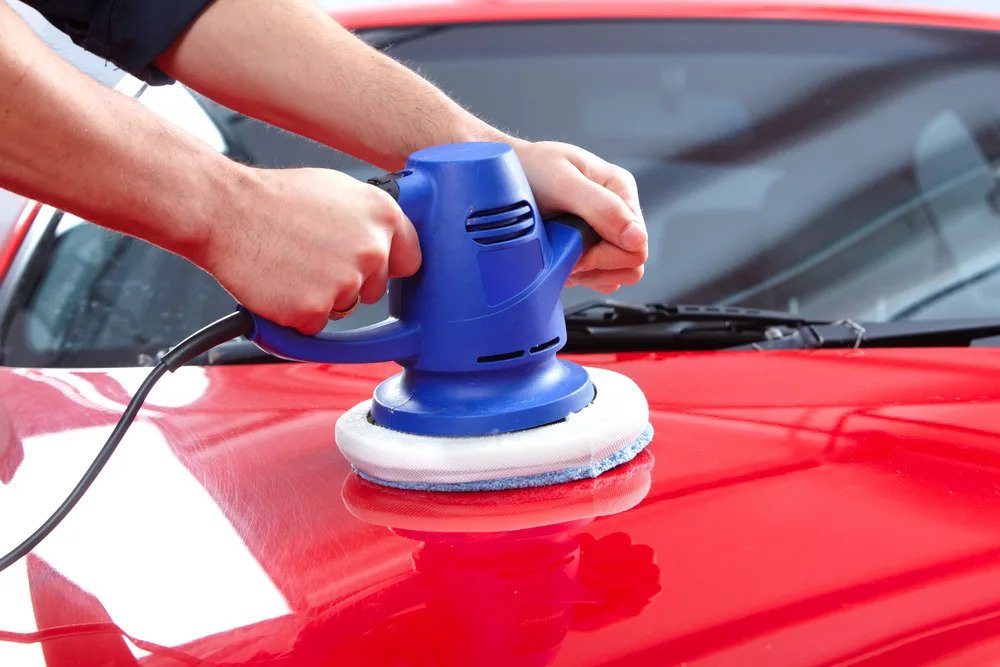
Both actions require a gentle touch and the right tools. A soft microfiber cloth or a foam applicator works best for buffing. Polishing can be done by hand or with a machine, depending on the car owner’s preference and skill level.
Best Practices For Buffing
Use a clean, soft cloth for buffing to avoid scratches. Work in small sections to control the pressure and motion. Buff in circular motions for even coverage. Keep the cloth moving to prevent wax buildup in one spot. Flip the cloth often to use a clean side. Light pressure works better than hard rubbing. This technique helps keep the paint smooth and shiny.
Avoiding Common Mistakes
Do not buff wax before it dries completely. This can leave streaks and uneven patches. Avoid using rough cloths or dirty towels. They can scratch the car’s surface. Never use too much wax; it makes buffing harder. Avoid buffing under direct sunlight to stop wax from drying too fast. Do not rush. Slow, careful buffing gives the best results.
Achieving A Mirror Shine
Finish by polishing with a clean, soft cloth or buffer pad. Use light pressure and steady, overlapping strokes. This removes any leftover haze or marks. Repeat buffing if needed for extra shine. Keep the car clean before waxing to improve the shine. The final result should be smooth, bright, and mirror-like. This shine protects the paint and makes the car look fresh.
Maintaining The Wax Finish
Maintaining the wax finish on your car keeps it shiny and protected longer. A good wax layer blocks dirt and water. It also shields your paint from sun damage. Regular care helps your car look fresh every day.
Frequency Of Waxing
Wax your car every three to four months. This timing keeps the wax layer strong. If you park outside a lot, wax more often. Too much waxing can build up and dull the shine. Follow the product instructions for best results.
Washing After Waxing
Wash your car gently after waxing. Use a soft cloth or sponge with mild soap. Avoid harsh chemicals that can strip the wax. Rinse with clean water and dry with a soft towel. This keeps the wax finish smooth and glossy.
Touch-up Techniques
Spot wax any dull areas between full waxings. Use a small amount of wax on a clean cloth. Buff the wax in small circles until shiny. This method saves time and keeps the finish even. Always work on a cool, dry surface for best results.
Credit: washnwhips.com
Waxing Myths And Facts
Waxing your car at the wash protects the paint and makes it shine. Many ideas about waxing can confuse car owners. Some are true, others are not. Knowing facts helps you wax better and avoid mistakes.
Common Misconceptions
Waxing removes scratches instantly. Not true. Wax covers small scratches but does not fix deep ones.
Wax lasts forever. Wax wears off after weeks or months. You need to reapply it regularly.
Waxing is only for looks. Wax also protects paint from dirt and sun damage.
Expert Tips
Always wash your car before waxing. Dirt can cause scratches during waxing.
Use thin layers of wax. Thick layers take longer to dry and buff.
Work in shade or cool areas. Heat can make wax dry too fast and uneven.
When To Avoid Waxing
Do not wax a hot car. Wax will not stick well and can streak.
Avoid waxing right after rain. Water spots can trap under wax.
Do not wax if paint is damaged or peeling. Wax will not fix paint problems.
Safety And Environmental Tips
Using wax at a car wash requires care for safety and the environment. Protect yourself and the planet while keeping your car shiny. Follow these simple tips to do it right.
Using Eco-friendly Products
Choose wax products that are biodegradable and non-toxic. These products reduce harm to water and soil. Avoid waxes with harsh chemicals or strong fumes. Eco-friendly waxes keep your car clean without hurting nature.
Protecting Your Skin
Wear gloves when applying or removing wax. Wax chemicals can irritate your skin. Avoid touching your face or eyes during the process. Wash your hands well after finishing your car wash.
Disposal Of Wax Residue
Do not pour leftover wax or rinse water down storm drains. These chemicals pollute local water sources. Collect wax residue and dispose of it in trash bins. Follow local guidelines for hazardous waste disposal.
Credit: ethoscarcare.com

Credit: mckees37.com
Frequently Asked Questions
How Often Should I Wax My Car At A Car Wash?
Wax your car every 3 to 4 months for optimal protection. Frequent waxing maintains shine and shields paint from dirt and UV rays. However, avoid over-waxing as it may cause buildup and dull the finish.
Can I Apply Wax During An Automatic Car Wash?
Most automatic car washes do not apply real wax, only a sealant. For the best results, hand-wax your car after washing. Hand application ensures even coverage and better paint protection than automatic machines.
What Type Of Wax Is Best For Car Washes?
Paste or liquid carnauba wax works well after washing. These waxes provide a deep shine and long-lasting protection. Avoid spray waxes for thorough protection; they are best for quick touch-ups.
Should I Wax My Car Before Or After Washing?
Always wash your car first to remove dirt and grime. Waxing on a clean surface ensures better adhesion and a smoother finish. Applying wax to a dirty car can trap contaminants and damage paint.
Conclusion
Using wax at a car wash keeps your car shiny and protected. Apply wax evenly and follow the product instructions carefully. Wax helps block dirt and water, making your car easier to clean next time. Regular waxing also stops paint from fading in the sun.
Spend a little time waxing to enjoy a cleaner and brighter car every day. Simple steps, great results. Try waxing after your next wash for a fresh, smooth finish. Your car will thank you.

