

Have you ever wondered how long your brakes and rotors really last before they need replacing? Knowing this can save you from unexpected repairs and keep you safe on the road.
Your brakes and rotors face constant wear every time you stop, but their lifespan can vary a lot depending on how you drive and the conditions you face. Keep reading to discover the signs to watch for, how long these parts usually last, and simple tips to make them last even longer.
This knowledge will help you avoid costly surprises and give you peace of mind every time you hit the brakes.
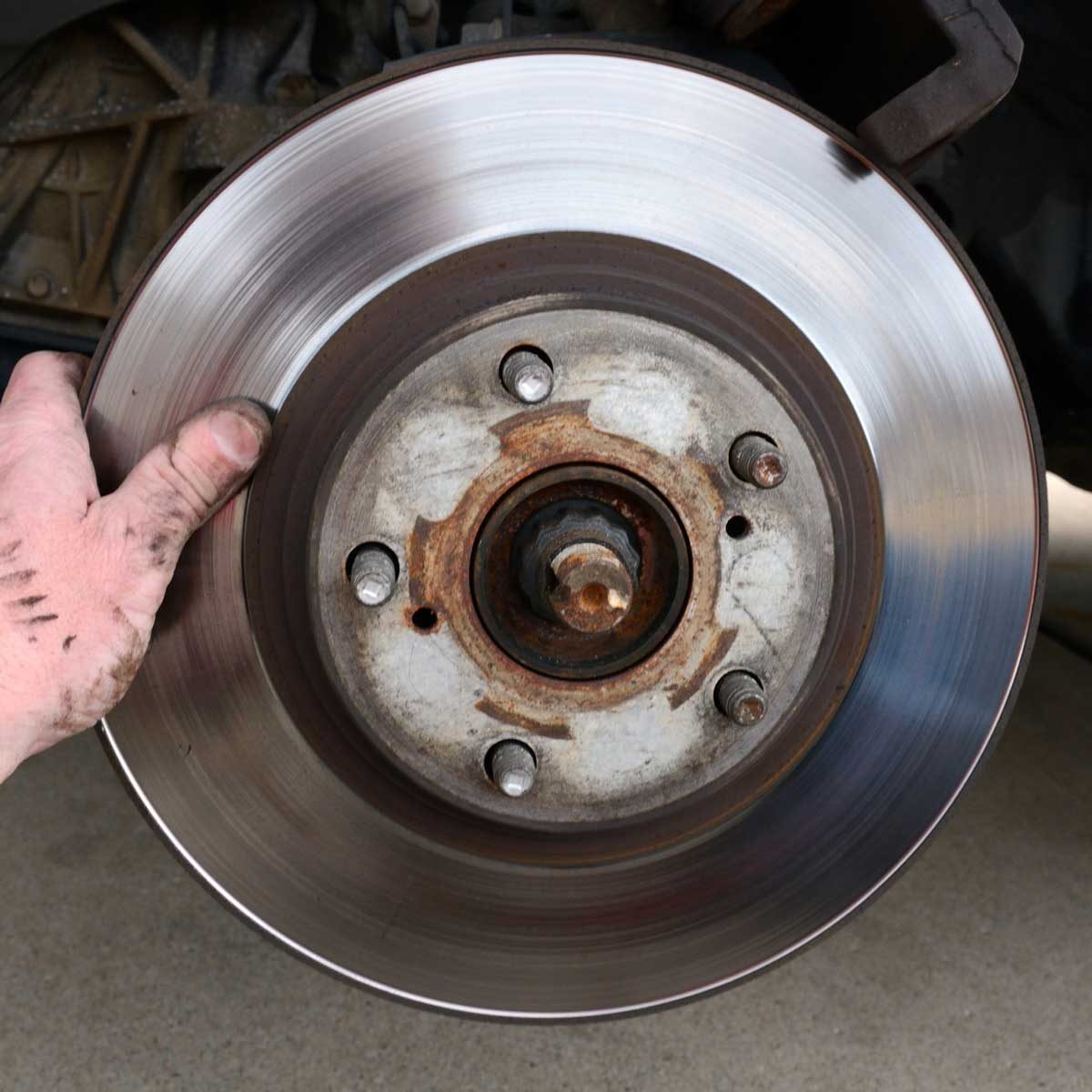
Credit: www.familyhandyman.com
Brake Lifespan Factors
Brake lifespan depends on several key factors. These factors affect how long brakes and rotors last before needing replacement. Understanding them helps you maintain your vehicle better. It also prevents unexpected brake failure and costly repairs.
Driving Habits Impact
Driving style greatly affects brake wear. Hard braking wears pads faster. Frequent stop-and-go traffic causes more heat and friction. Riding the brakes downhill also shortens their life. Smooth, gentle braking extends brake and rotor lifespan. Careful driving saves money and increases safety.
Vehicle Type Influence
Different vehicles stress brakes differently. Heavy trucks and SUVs have larger, heavier brakes. They wear out faster due to more weight. Small cars put less strain on brakes. Sports cars may wear brakes quickly from high speeds. Knowing your vehicle type helps predict brake lifespan.
Brake Pad Material Effects
Brake pad materials vary in durability and performance. Organic pads wear out faster but are quieter. Semi-metallic pads last longer but can be noisier. Ceramic pads offer the longest life and produce less dust. The choice of pad material impacts how often you replace brakes and rotors.

Credit: www.clarksgarage.com.au
Rotor Durability Elements
Rotors play a key role in vehicle safety and performance. Their durability depends on many factors. Understanding these elements helps in maintaining brake efficiency and avoiding costly repairs. Below are some main factors that affect rotor lifespan.
Heat And Wear
Rotors get very hot during braking. This heat can cause warping or cracking. High temperatures speed up wear and tear. Repeated heating and cooling cycles weaken the rotor metal. This reduces the rotor’s ability to work properly over time.
Rotor Material Types
Rotors come in different materials. Cast iron is common and affordable but wears faster. Carbon composite rotors last longer and handle heat well. Steel rotors are strong but can rust easily. Material choice affects how long rotors last and how well they perform.
Impact Of Road Conditions
Rough roads cause more rotor damage. Gravel and potholes lead to surface scratches and cracks. Wet and salty roads promote rust and corrosion. Smooth, clean roads help rotors last longer. Driving habits and road quality directly influence rotor durability.
Typical Brake Pad Lifespan
Brake pads are a vital part of your vehicle’s safety system. They press against the rotors to slow or stop your car. Over time, they wear down and need replacement. Understanding their lifespan helps keep your car safe and running well.
Average Mileage Range
Brake pads usually last between 30,000 and 70,000 miles. The exact mileage depends on driving habits and road conditions. City driving with frequent stops wears pads faster. Highway driving tends to be gentler on brake pads.
Signs Of Brake Pad Wear
Squeaking or squealing noises often mean the pads are thin. A grinding sound can indicate the pads are worn out completely. You may also feel a vibration when pressing the brake pedal. Longer stopping distances can signal worn brake pads.
When To Replace Brake Pads
Replace brake pads once they reach about 3 millimeters thick. Most mechanics recommend replacement before pads wear down fully. Regular inspections help catch wear early. Don’t wait for strong noises or poor braking to act.
Average Rotor Lifespan
Rotors are a key part of your vehicle’s braking system. They work with brake pads to stop your car safely. The lifespan of rotors varies based on use and driving conditions.
Knowing the average rotor lifespan helps you plan maintenance and avoid costly repairs. Regular checks keep your brakes working well and your drives safe.
Mileage Expectations
Most rotors last between 30,000 and 70,000 miles. Some can last longer if you drive gently and maintain them properly. Heavy braking or driving in hilly areas can wear rotors faster. Regular inspection helps catch wear early and extends rotor life.
Rotor Warping Symptoms
Warped rotors cause vibration when braking. You might feel shaking in the steering wheel or brake pedal. Noise like squealing or grinding can also signal rotor problems. Early detection prevents further damage and keeps braking smooth.
Rotor Replacement Guidelines
Replace rotors if they are too thin or warped. Most manufacturers set a minimum thickness for safe use. If rotors are below this, they must be replaced. Also, replace rotors when you replace brake pads for best performance. Always follow your vehicle’s service manual for guidance.
Maintenance Tips For Longevity
Brakes and rotors wear out over time. Proper care can help them last longer. Simple habits keep your brakes healthy and safe. Small actions add up to big savings and better performance.
Regular Inspections
Check brakes and rotors often. Look for cracks, grooves, or uneven wear. Listen for squeaking or grinding sounds. Early signs mean you can fix problems fast. Visit a mechanic for detailed checks every 10,000 miles.
Proper Driving Techniques
Avoid sudden stops and hard braking. Use gentle pressure on the brake pedal. Drive at a steady speed on highways. Keep a safe distance to reduce frequent braking. These habits reduce heat and wear on rotors and pads.
Quality Part Selection
Choose brake pads and rotors made of good materials. High-quality parts last longer and perform better. Avoid cheap or low-grade replacements. Better parts help keep your car safe and stable. Always buy parts from trusted brands or suppliers.
Cost Considerations
Understanding the costs of brake and rotor replacement helps you plan your car maintenance. Brake parts wear out over time. Knowing the cost helps avoid surprises and keeps your vehicle safe.
Brake Pad Replacement Costs
Brake pads usually cost less than rotors. The price depends on the car model and pad quality. On average, brake pads range from $50 to $150 per axle. Labor fees can add $80 to $120 more. Choosing standard brake pads can save money. High-performance pads cost extra but last longer.
Rotor Replacement Expenses
Rotors cost more than brake pads. Prices vary by size and type of rotor. Typical rotor prices range from $30 to $75 each. Labor charges for rotor replacement can be $150 to $200. Some cars need rotor resurfacing, which adds cost. Replacing both rotors and pads at once may reduce labor fees.
Budgeting For Repairs
Set aside money for brake maintenance regularly. Brake pads last around 30,000 to 70,000 miles. Rotors can last 50,000 to 70,000 miles or more. Check brakes often to catch issues early. Saving a small amount monthly can cover future repairs. Planning ahead avoids urgent and costly fixes.
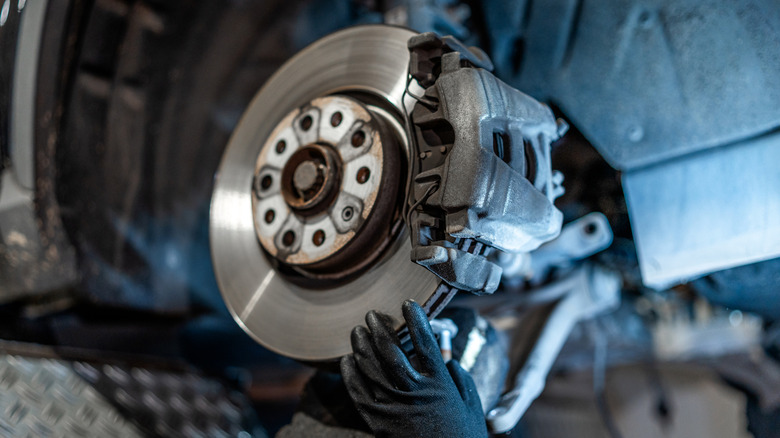
Credit: www.jalopnik.com
Frequently Asked Questions
How Long Do Brake Pads Usually Last?
Brake pads typically last between 30,000 to 70,000 miles. This varies based on driving habits, vehicle type, and pad quality. Regular inspection helps ensure timely replacement for safe braking performance.
When Should Rotors Be Replaced?
Rotors should be replaced when they are warped, cracked, or below minimum thickness. Signs include vibration or noise during braking. Regular checks during brake service help determine rotor condition.
Can Brake Rotors Last As Long As Pads?
Brake rotors generally last longer than pads, often 50,000 to 70,000 miles. However, heavy braking or poor maintenance can reduce their lifespan significantly. Proper care extends rotor life effectively.
What Affects Brake And Rotor Lifespan Most?
Driving style, road conditions, and vehicle weight significantly impact brake and rotor lifespan. Frequent hard braking or driving in hilly areas wears components faster. Maintaining proper brake fluid and pads helps prolong life.
Conclusion
Brakes and rotors usually last between 30,000 to 70,000 miles. Driving habits and road conditions affect their lifespan. Regular checks help spot wear early and keep you safe. Replacing parts on time avoids costly repairs. Listen for squeaks or vibrations as warning signs.
Taking care of brakes ensures smooth and safe rides. Stay aware, and your brakes will serve you well for years.


