

Are you unsure if your brake rotors are still safe to use? Knowing how to read a brake rotor thickness gauge can save you from costly repairs and keep you safe on the road.
This simple skill helps you spot worn-out rotors before they cause serious problems. You’ll learn exactly how to measure rotor thickness the right way, so you can make confident decisions about your vehicle’s braking system. Keep reading to protect your car and your peace of mind.
Credit: www.tptools.com
Brake Rotor Thickness Gauge Basics
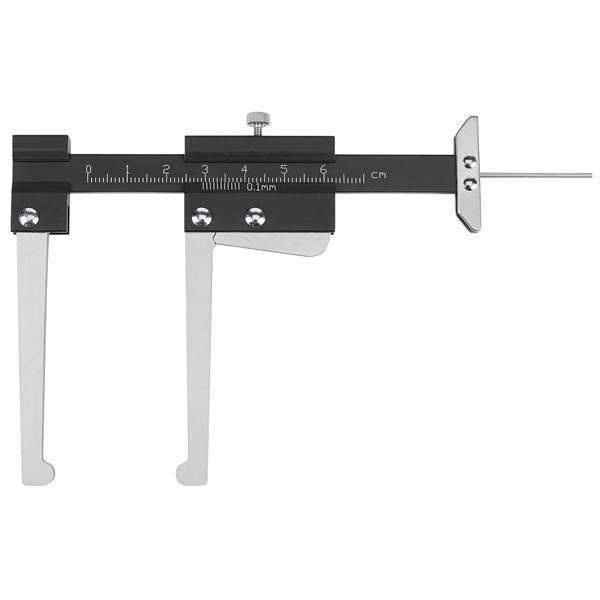
A brake rotor thickness gauge measures the thickness of brake rotors. This tool helps check if the rotors are still safe to use. Rotors wear down over time and become too thin. Thin rotors can cause brake problems and reduce safety. Knowing the basics of this gauge makes it easy to read and use. This section covers the types of gauges and their key parts.
Types Of Thickness Gauges
There are two main types of brake rotor thickness gauges. The first type is the dial gauge. It has a needle that moves on a numbered dial. The second type is the digital gauge. It shows the measurement on a small screen. Both types are easy to carry and use. Each type gives precise readings for rotor thickness.
Key Components To Know
The gauge has a few important parts. The measuring jaws hold the rotor securely. The dial or screen shows the thickness reading. The frame keeps the parts steady. Some gauges have a locking screw to hold the jaws in place. Knowing these parts helps you use the gauge correctly.
Preparing For Measurement
Preparing to measure brake rotor thickness is an important step. Proper preparation ensures accurate readings and helps maintain vehicle safety. Taking time to get ready makes the process smoother and more reliable.
Cleaning The Rotor Surface
Start by cleaning the rotor surface. Dirt, rust, and brake dust can affect the measurement. Use a clean cloth or brake cleaner to wipe the rotor. Make sure the surface is dry before measuring. A clean rotor gives the best results.
Ensuring Safety Precautions
Safety is key before measuring the rotor. Wear gloves to protect your hands. Use safety glasses to protect your eyes from dust and debris. Make sure the vehicle is parked on a flat surface and the parking brake is on. Never work on a hot rotor. Let it cool down first.
Taking Accurate Measurements
Taking accurate measurements with a brake rotor thickness gauge is key to checking your rotors properly. Small errors can lead to wrong readings. This can cause you to miss a worn rotor or replace it too soon. Follow these steps carefully to get the best results.
Proper Gauge Placement
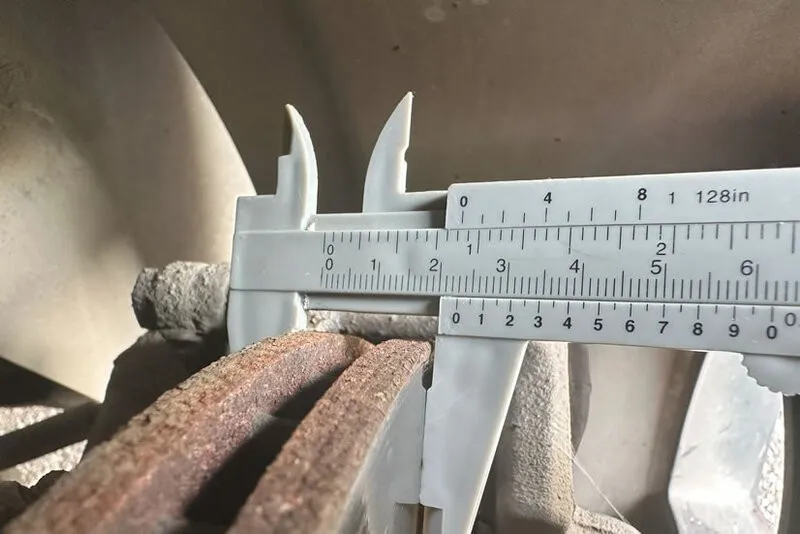
Place the gauge on the rotor surface evenly. Make sure the gauge touches the rotor flatly. Avoid angling the gauge, as this can give false readings. Position the gauge away from the rotor’s edge. Measure at multiple points around the rotor for consistency. Use the thinnest part of the rotor for your reading.
Reading The Scale Correctly
Check the scale on the gauge closely. Note the number where the indicator stops. This number shows the rotor thickness in millimeters or inches. Read the scale at eye level to avoid mistakes. Write down the measurement for comparison later. Repeat the reading to confirm accuracy.

Credit: www.youtube.com
Interpreting Gauge Readings
Interpreting brake rotor thickness gauge readings is key to safe vehicle maintenance. This step ensures rotors still meet safety standards. Understanding these readings helps identify problems early. It guides decisions on repair or replacement. Clear knowledge of gauge results prevents brake failure.
Comparing To Manufacturer Specifications
Each vehicle has a specific rotor thickness limit. Manufacturers list this in the vehicle manual. Measure the rotor thickness carefully with the gauge. Compare your reading directly to the listed minimum thickness. A reading below this limit means replacement is needed. Staying above this limit ensures safe braking performance.
Identifying Wear And Damage
Look for uneven thickness across the rotor surface. Uneven wear can cause brake vibrations or noise. Check for grooves or scoring marks on the rotor. These signs indicate damage from worn brake pads or debris. If the gauge shows a thin or uneven rotor, replace it. Damaged rotors reduce braking efficiency and safety.
Common Mistakes To Avoid
Reading a brake rotor thickness gauge correctly is very important. Mistakes can lead to wrong readings. Wrong readings can cause safety risks or extra expenses. Avoid these common mistakes to get accurate results and keep your brakes safe.
Misreading The Gauge
One common mistake is misreading the gauge scale. The numbers can be small or close together. Focus carefully on the exact point where the gauge touches the rotor. Do not guess or rush. Check the unit of measurement to avoid confusion.
Another error is not zeroing the gauge before use. Always set the gauge to zero before measuring. This step ensures the reading is correct. Skipping it can lead to false results.
Ignoring Environmental Factors
Temperature can change the rotor’s size slightly. Measuring right after driving can give wrong values. Let the rotor cool down to room temperature before measuring.
Dirt and rust also affect gauge readings. Clean the rotor surface before taking a measurement. Dust or rust can cause the gauge to show incorrect thickness.
Maintenance Tips For Gauges
Keeping your brake rotor thickness gauge in good shape helps get accurate readings. Regular care extends the tool’s life and ensures safety. Simple steps can protect your gauge from damage and wear.
Calibrating Your Gauge Regularly
Check your gauge’s accuracy often. Use a calibration block or a known standard. Adjust the gauge if readings differ from the standard. Calibration keeps measurements precise. It prevents mistakes when checking rotor thickness.
Storage Best Practices
Store the gauge in a dry, clean place. Avoid damp or dusty areas. Use a protective case to prevent scratches. Keep it away from heavy tools or sharp objects. Proper storage stops damage and rust.
When To Replace Brake Rotors
Knowing when to replace brake rotors is key to car safety. Rotors wear down over time. Measuring their thickness helps decide if replacement is needed. Using a brake rotor thickness gauge gives a clear reading. Understanding these readings keeps brakes working well.
Signs Of Excessive Wear
Look for deep grooves on the rotor surface. Warping can cause vibrations when braking. A thinner rotor may cause poor braking. Rust or cracks also show wear. These signs mean the rotor is too worn.
Safety Implications
Thin or damaged rotors reduce braking power. This increases stopping distance on the road. It can cause brake failure in emergencies. Replacing worn rotors keeps brakes strong. Safe braking protects you and others.
Credit: www.allrotors.com
Frequently Asked Questions
What Is A Brake Rotor Thickness Gauge?
A brake rotor thickness gauge measures the rotor’s thickness. It helps determine if the rotor is safe or needs replacement. Accurate measurement ensures proper brake function and safety.
How Do You Read A Brake Rotor Thickness Gauge?
To read, place the gauge on the rotor surface. Note the measurement shown on the scale or digital display. Compare it with the manufacturer’s minimum thickness specs.
Why Is Measuring Rotor Thickness Important?
Measuring rotor thickness prevents brake failure and uneven wear. It ensures rotors meet safety standards, maintaining braking performance and vehicle safety.
When Should You Measure Brake Rotor Thickness?
Measure rotor thickness during routine brake inspections or if you experience brake issues. Regular checks help detect wear before it affects safety.
Conclusion
Reading a brake rotor thickness gauge is simple and useful. It helps check if your rotors are safe to use. Measure carefully and compare with the recommended thickness. Small changes can mean big safety concerns. Regular checks keep your brakes working well.
Stay safe by knowing when to replace parts. Practice often to feel confident using the gauge. Proper brake care protects you and others on the road. Keep this skill handy for better vehicle maintenance.


