
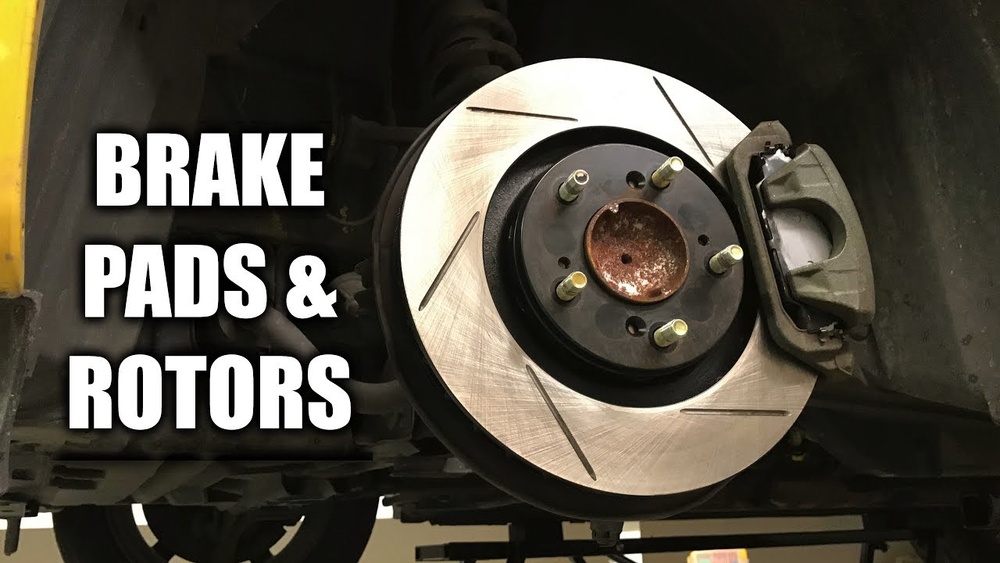
Changing your brakes and rotors might sound like a tough job, but is it really as hard as it seems? If you’ve ever wondered whether you can handle this task yourself or if you should call a mechanic, you’re not alone.
Knowing what’s involved can save you time, money, and stress. You’ll discover exactly what it takes to change brakes and rotors, step by step, so you can decide if it’s something you want to try. Keep reading—you might be closer to doing it yourself than you think.

Credit: www.youtube.com
Tools Needed
Changing brakes and rotors requires some specific tools. Having the right tools makes the job easier and safer. Some tools are common in most toolboxes, but others are made for brake work. Knowing what you need helps you prepare before starting.
Basic Hand Tools
Start with basic hand tools. A lug wrench removes the wheel nuts. A socket set helps take off bolts holding the brake parts. A ratchet and breaker bar give extra power for tight bolts. Screwdrivers can help pry off clips or covers. Pliers are useful for removing springs or pins.
Specialized Equipment
Some tools are made just for brakes. A C-clamp or brake caliper tool pushes the piston back into the caliper. This makes room for the new brake pads. A torque wrench tightens bolts to the right strength. Brake cleaner sprays clean dirt and grease off the parts. A rubber mallet can tap loose stuck rotors carefully.
Safety Gear
Safety comes first. Wear gloves to protect your hands from sharp edges and chemicals. Safety glasses keep dust and debris out of your eyes. A dust mask stops you from breathing brake dust. Make sure to work on a flat surface and use wheel chocks to stop the car from moving.
Preparing Your Vehicle
Changing brakes and rotors starts with good preparation. This step sets the stage for a smooth and safe job.
Proper preparation helps avoid mistakes and ensures all parts fit well. It also protects you and your vehicle.
Securing The Car
Begin by parking your car on a flat surface. Use the parking brake to stop it from moving.
Place wheel chocks behind the wheels that will stay on the ground. This keeps the car steady.
Loosen the lug nuts slightly before lifting the car. Use a reliable jack to raise the vehicle.
Support the car with jack stands. Never rely on the jack alone for safety.
Removing The Wheel
Remove the lug nuts completely once the car is secure. Keep them in a safe spot.
Pull the wheel straight off the hub. Sometimes it needs a gentle tap if stuck.
Set the wheel aside carefully to avoid damage. This gives clear access to brake parts.
Inspecting Brake Components
Look at the brake pads for wear. Thin or cracked pads need replacement.
Check the rotor surface for grooves or rust. Smooth and clean rotors work best.
Examine the caliper and brake lines for leaks or damage. These parts must be in good shape.
Clear any dirt or debris from the area. A clean workspace helps you spot issues early.
Removing Old Brakes And Rotors
Removing old brakes and rotors is a key part of brake maintenance. It takes care and attention. This step prepares your vehicle for new parts. Safety is important. Make sure the car is stable before starting.
Tools like a wrench and jack will help. Keep your workspace clean and organized. Follow each step carefully for best results.
Detaching Brake Caliper
First, loosen the bolts holding the brake caliper. Use the correct size wrench or socket. Carefully slide the caliper away from the rotor. Support the caliper with a hook or wire. Avoid letting it hang by the brake hose. This prevents damage to the brake line.
Taking Off Brake Pads
Remove the brake pads from inside the caliper bracket. They should slide out with a little force. Check the pads for wear before disposal. Some pads may have clips or pins to remove. Keep these parts safe for reinstallation.
Removing The Rotor
After the caliper and pads are off, the rotor is visible. Sometimes rust holds the rotor tight. Tap the rotor gently with a rubber mallet to loosen it. Pull the rotor straight off the wheel hub. Clean the hub surface before fitting new parts.

Credit: www.wikihow.com
Installing New Brakes And Rotors
Installing new brakes and rotors is a key step in car maintenance. It ensures safety and better stopping power. The process requires care and some tools. This section breaks down the main steps to help you understand what’s involved.
Cleaning And Prepping Parts
Start by cleaning the new rotors. Use brake cleaner spray to remove oil and dirt. Clean the hub where the rotor will sit. Dirt or rust can cause wobbling later. Prepare the brake caliper and pads by checking for damage. Clean all parts carefully before installation.
Mounting The Rotor
Place the rotor on the wheel hub. Make sure it fits tightly and evenly. Secure it with screws or bolts if needed. Spin the rotor by hand to check for smooth movement. A properly mounted rotor avoids noise and uneven wear.
Replacing Brake Pads
Remove the old brake pads from the caliper. Check the caliper pins and clean them. Insert the new brake pads into the caliper bracket. Make sure the pads sit firmly and aligned. This step affects how well your brakes will work.
Reattaching The Caliper
Carefully place the caliper over the new brake pads. Align it with the mounting points on the rotor. Tighten the caliper bolts to secure it. Check the brake line for any damage. Test the caliper movement to ensure it’s free and smooth.
Common Challenges
Changing brakes and rotors is not always simple. Many face common problems that slow down the job. These challenges can make the task frustrating and time-consuming. Understanding these issues helps prepare for the work ahead.
Stuck Bolts And Rust
Bolt removal is often the hardest part. Bolts can be stuck from rust or dirt. Rust forms from moisture and salt over time. Stuck bolts need extra force or special tools. Using a breaker bar or penetrating oil helps. Rushing can break bolts, causing more trouble.
Brake Caliper Issues
Brake calipers hold the brake pads and must move freely. Sometimes, calipers get stuck or hard to remove. Old brake fluid can cause caliper parts to seize. Caliper bolts may also be tight or rusted. Careful handling avoids damage to the caliper or brake lines.
Rotor Fit Problems
Rotors must fit perfectly on the wheel hub. Rust or dirt on the hub can block the rotor. Some rotors need to be hammered gently to fit. Incorrect rotor size causes noise or poor braking. Checking rotor fit before final installation saves time.
Testing And Safety Checks
Testing and safety checks are key after changing brakes and rotors. These steps ensure your brakes work well and keep you safe. Skipping these checks can lead to brake failure or accidents. Spend time on each check to confirm everything works perfectly.
Brake Fluid Inspection
Check the brake fluid level after brake work. Low fluid can cause poor brake performance. Look for leaks around the brake lines and master cylinder. The fluid should be clear and clean. Dark or dirty fluid means it needs changing. Proper fluid level keeps the brakes responsive and safe.
Brake Pedal Feel
Press the brake pedal several times to test its feel. It should feel firm and steady, not soft or spongy. A soft pedal may mean air in the brake lines. Pump the brakes slowly to remove air if needed. A firm pedal shows the brake system is sealed and working well.
Test Drive Tips
Drive slowly in a safe area to test the brakes. Start with gentle stops to check brake response. Listen for unusual noises or vibrations. Test braking at different speeds. If the car pulls to one side, the brakes may need adjusting. Always stop smoothly and steadily to ensure safety.
When To Seek Professional Help
Changing brakes and rotors can be tricky. Some problems need a professional’s care. Knowing when to ask for help saves time and keeps you safe.
Not all brake jobs are simple. Some require special skills and tools. Watch for signs that say, “Get an expert.”
Complex Brake Systems
Modern cars have complex brake parts. Anti-lock brakes and electronic controls add to the challenge. A professional has the right knowledge. They can fix these systems without causing damage.
Unusual Noises Or Vibrations
Strange sounds or shaking while braking can mean serious issues. These signs need careful checks. A mechanic can find hidden problems. Don’t ignore these warnings for your safety.
Lack Of Proper Tools
Brake jobs need special tools for best results. Without them, parts may not fit right. Using wrong tools can cause damage. Professionals have all the tools ready. This ensures the job is done well.

Credit: vatire.com
Frequently Asked Questions
How Hard Is It To Change Brake Pads And Rotors?
Changing brake pads and rotors is moderately difficult for beginners. It requires basic tools, safety knowledge, and mechanical skills. With proper instructions, many DIYers can complete the job in 1-2 hours. However, careful attention to detail is crucial for safety and performance.
What Tools Are Needed To Replace Brakes And Rotors?
You need a jack, lug wrench, socket set, C-clamp, and screwdriver. Safety gloves and eye protection are also important. Quality tools make the job easier and reduce the risk of damage or injury during the brake replacement process.
Can I Change Brakes And Rotors Without Experience?
Yes, but it’s recommended to follow detailed guides or videos. Lack of experience increases the risk of errors affecting vehicle safety. Starting with simpler brake tasks before tackling rotors helps build confidence and skills for a successful brake job.
How Long Does It Take To Replace Brake Pads And Rotors?
Typically, it takes 1 to 2 hours for both sides of one axle. Time varies based on experience, tools, and vehicle type. Taking your time ensures proper installation and avoids mistakes that could compromise braking performance.
Conclusion
Changing brakes and rotors can seem tough at first. It needs the right tools and safety care. Step-by-step guides help make the task easier. Taking time and working carefully is key. With practice, you can do it yourself. This saves money and builds confidence.
Remember, if unsure, ask a professional for help. Brake and rotor maintenance keeps your car safe on the road. Simple steps lead to good results. You can handle this job with patience and care.


