

Are your plastic wheel covers losing their shine because of stubborn brake dust? You’re not alone—this common grime can make your wheels look dull and dirty, even if you just washed your car.
But don’t worry, removing brake dust doesn’t have to be a frustrating chore. You’ll discover simple and effective ways to clean your plastic wheel covers, restoring their original look without damaging them. Keep reading, and you’ll learn easy tips that save you time and effort, so your wheels can sparkle like new again.
Credit: avaofnorway.com
Why Brake Dust Builds Up
Brake dust is a common problem for many car owners. It collects on plastic wheel covers and makes them look dirty fast. Understanding why brake dust builds up helps in keeping wheels clean. This knowledge also helps protect plastic wheel covers from damage.
Sources Of Brake Dust
Brake dust comes from the friction between brake pads and rotors. When brakes are applied, tiny particles break off from the pads. These particles mix with metal from the rotors. Dust also picks up dirt and road grime. This mixture sticks to wheel covers and stays there.
Different types of brake pads create different amounts of dust. Some pads wear out faster and produce more dust. Driving style affects dust build-up too. Hard braking makes more dust than gentle braking.
Impact On Plastic Wheel Covers
Brake dust is not just dirty. It can harm plastic wheel covers over time. The dust contains metal particles that are abrasive. These particles scratch the plastic surface. Dirt and dust also cause discoloration. This makes wheel covers look old and worn out.
Brake dust left on plastic covers can lead to corrosion. It can weaken the plastic and cause cracks. Removing brake dust regularly keeps wheel covers in good shape. It also helps maintain the car’s overall appearance.

Credit: www.calcarcover.com
Essential Tools And Supplies
Removing brake dust from plastic wheel covers needs the right tools and supplies. Having these essentials makes cleaning easier and more effective. Proper tools protect the plastic and prevent damage. Choose gentle but strong cleaning agents. Use brushes and cloths designed for delicate surfaces. This section lists what you need for the best results.
Cleaning Agents To Use
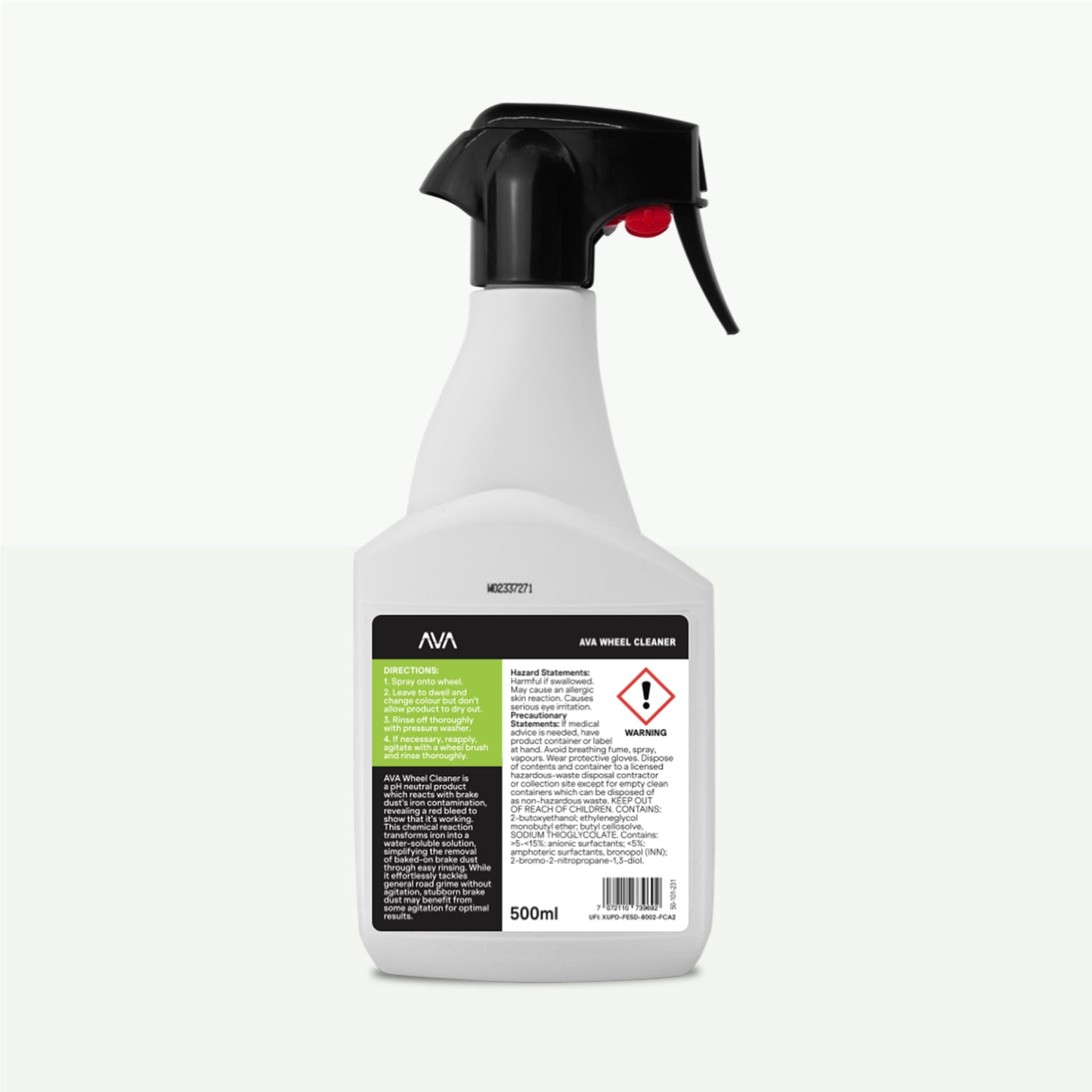
Pick a mild wheel cleaner safe for plastic. Avoid harsh chemicals that can harm the cover’s surface. Soap mixed with warm water works well for light dust. For tougher grime, use a cleaner made for wheels and plastic. Check labels to ensure the product does not contain acids or abrasives. These can cause discoloration or scratches. Always rinse thoroughly after applying the cleaner.
Recommended Brushes And Cloths
Use soft-bristle brushes to reach tight spots. They remove dust without scratching the plastic. Microfiber cloths work best for wiping and drying. These cloths absorb dirt and moisture gently. Avoid rough sponges or brushes with hard bristles. They can leave marks or damage the wheel covers. Keep brushes and cloths clean to avoid spreading dirt during cleaning.
Step-by-step Cleaning Process
Cleaning brake dust from plastic wheel covers is simple with the right steps. Follow this process carefully. It protects your wheels and keeps them looking good. Each step helps remove dirt without harming the plastic. Take your time for the best results.
Pre-rinse The Wheel Covers
Start by rinsing the wheel covers with water. Use a hose or bucket to remove loose dust. This stops scratching during cleaning. Make sure to rinse all sides well.
Apply Cleaner Safely
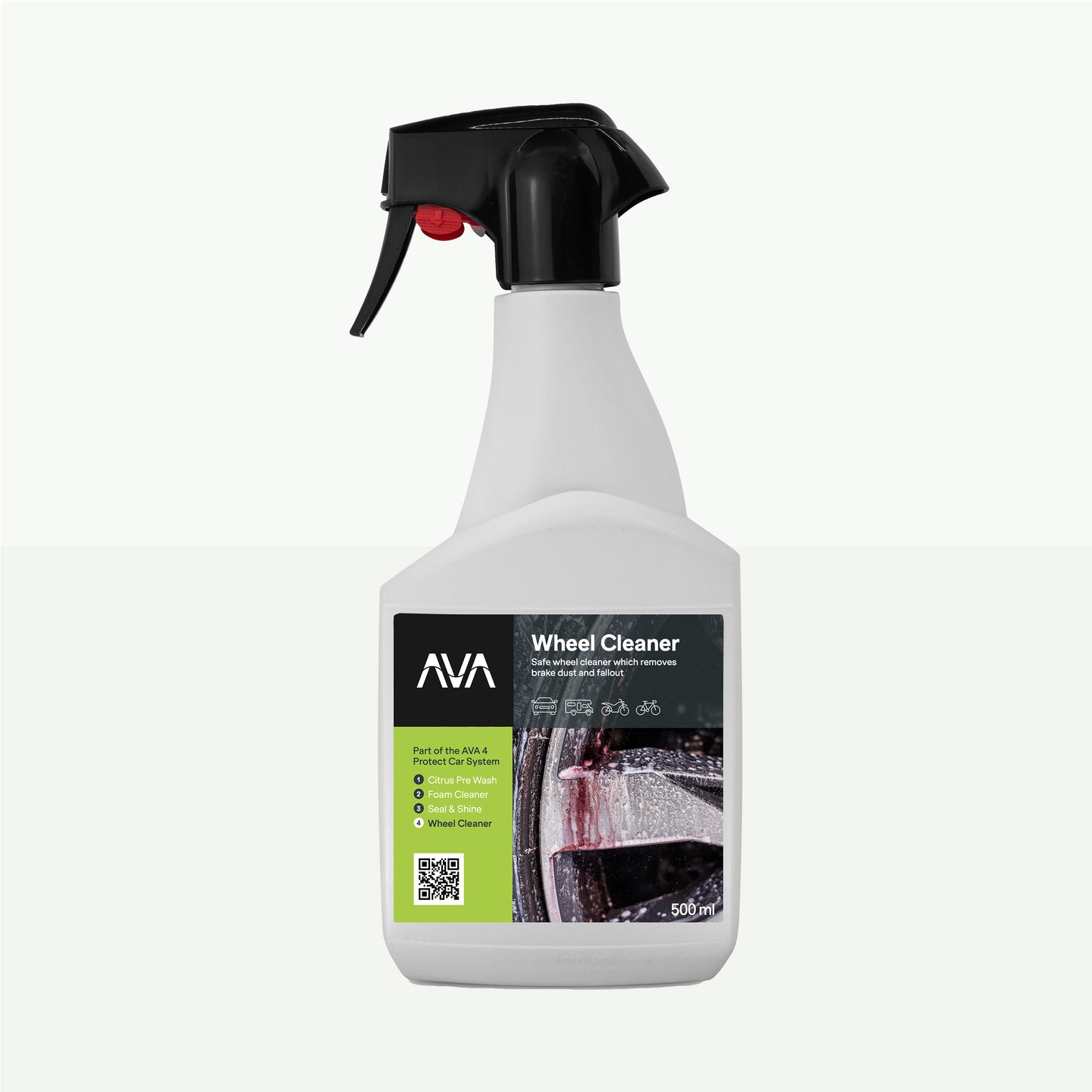
Choose a cleaner safe for plastic surfaces. Spray or apply it evenly on the wheel covers. Let it sit for a few minutes. This loosens brake dust and grime.
Scrub Gently To Avoid Damage
Use a soft brush or sponge for scrubbing. Avoid hard brushes that can scratch plastic. Work in small circles to lift dirt. Be gentle but thorough on all areas.
Rinse And Dry Thoroughly
Rinse the wheel covers again with clean water. Remove all cleaner and loosened dust. Dry the covers with a soft towel or cloth. This prevents water spots and keeps plastic shiny.
Credit: avaofnorway.com
Natural And Diy Cleaning Alternatives
Natural and DIY cleaning alternatives offer simple and safe ways to remove brake dust. These methods avoid harsh chemicals and protect your plastic wheel covers. They use common household items that clean effectively without damage.
Natural ingredients like vinegar and baking soda break down dirt and grime. They also reduce the risk of scratching the plastic surface. Using homemade solutions lets you control the strength and ingredients of your cleaner.
Using Vinegar And Baking Soda
Vinegar and baking soda create a gentle but powerful cleaner. Mix equal parts of white vinegar and water in a spray bottle. Sprinkle baking soda on the wheel cover surface first. Spray the vinegar solution over the baking soda.
Let the mixture fizz for a few minutes. This reaction helps lift brake dust from plastic. Use a soft brush or cloth to scrub gently. Rinse with clean water and dry with a microfiber cloth to avoid streaks.
Homemade Cleaning Solutions
Create your own cleaning mix using simple ingredients. Combine two cups of warm water with a tablespoon of dish soap. Add a teaspoon of lemon juice for extra cleaning power. Stir the mixture well.
Dip a soft cloth or sponge into the solution. Wipe the plastic wheel covers thoroughly. This solution removes brake dust without harsh chemicals. Rinse with water and dry carefully to keep covers shiny.
Preventing Future Brake Dust Build-up
Preventing brake dust build-up on plastic wheel covers keeps them looking clean longer. It also reduces the need for harsh cleaning chemicals. Simple steps can help maintain the shine and protect the covers from damage. Consistent care makes a big difference.
Regular Cleaning Schedule
Clean plastic wheel covers often to stop brake dust from settling. A quick wash every week removes dust before it sticks. Use mild soap and water with a soft cloth. Avoid strong chemicals that can harm plastic surfaces. Dry covers after cleaning to prevent water spots.
Protective Coatings For Plastic Covers
Applying a protective coating helps repel brake dust and dirt. Use a plastic-safe sealant or wax designed for wheels. These coatings create a barrier that makes cleaning easier. Reapply the coating every few months for best results. This simple step keeps covers looking fresh and new.
Common Mistakes To Avoid
Removing brake dust from plastic wheel covers requires care. Many people make mistakes that damage the covers or make cleaning harder. Avoid these common errors to keep your wheel covers looking new and clean.
Using Harsh Chemicals
Harsh chemicals can damage plastic wheel covers. Strong cleaners may cause discoloration or cracks. Use gentle, plastic-safe cleaners instead. This keeps the surface smooth and intact.
Scrubbing Too Hard
Scrubbing with too much force can scratch the plastic. It can also wear away the protective finish. Use a soft cloth or sponge. Light pressure removes dirt without harm.
Frequently Asked Questions
How Can I Safely Clean Brake Dust From Plastic Wheel Covers?
Use a mild soap and water solution with a soft brush or cloth. Avoid harsh chemicals to prevent damage. Rinse thoroughly and dry with a microfiber towel to keep plastic wheel covers clean and scratch-free.
What Household Items Remove Brake Dust Effectively?
Vinegar mixed with water or baking soda paste works well. Apply gently and scrub with a soft brush. These natural cleaners break down brake dust without harming plastic surfaces.
How Often Should I Clean Brake Dust On Wheel Covers?
Clean brake dust every two weeks to prevent buildup. Regular cleaning maintains appearance and prevents corrosion on plastic wheel covers. Frequent care extends their lifespan and keeps wheels looking new.
Can Brake Dust Damage Plastic Wheel Covers?
Yes, brake dust contains metal particles that can corrode plastic over time. Removing it promptly avoids staining and surface damage. Timely cleaning protects wheel covers and preserves their finish.
Conclusion
Cleaning brake dust from plastic wheel covers is simple and quick. Use gentle cleaners and soft brushes to protect the plastic. Regular cleaning stops dust from building up and keeps wheels looking fresh. Avoid harsh chemicals that can damage the surface.
A little care goes a long way in maintaining your car’s appearance. Keep these tips handy for easy, safe cleaning every time. Your plastic wheel covers will stay clean and shiny with just a few easy steps. Ready to enjoy spotless wheels?
