

If you want your lawn mower to run smoothly and last longer, you need to take care of its fuel filter. But how often should you change the fuel filter on your lawn mower?
Ignoring this simple step can lead to poor engine performance, costly repairs, or even a mower that won’t start at all. You’ll discover the ideal timing for replacing your fuel filter and learn easy tips to keep your mower in top shape.
Keep reading—you’ll be surprised how a small change can make a big difference in your lawn care routine.

Credit: www.youtube.com
Signs Of A Dirty Fuel Filter
A dirty fuel filter in your lawn mower causes several noticeable problems. It blocks fuel flow and affects the engine’s ability to run smoothly. Catching these signs early helps keep your mower in good shape. Watch for changes in engine behavior, starting troubles, and strange smells or smoke.
Engine Performance Issues
The mower may run rough or lose power. It might stall while mowing or hesitate during acceleration. Poor engine performance often means fuel is not reaching the engine properly. A clogged fuel filter can cause these problems by restricting fuel flow.
Difficulty Starting
The engine takes longer to start or won’t start at all. This happens because fuel cannot pass through the dirty filter easily. If you notice the mower struggling to start, check the fuel filter for clogs or dirt.
Unusual Smells Or Smoke
Strong fuel smells or unusual smoke can come from the mower. This happens when fuel flow is uneven, causing incomplete combustion. A dirty fuel filter may cause these smells and smoke, signaling the need for a replacement.
Recommended Fuel Filter Replacement Intervals
Replacing the fuel filter in your lawn mower is important for its smooth operation. Knowing the right time to change it helps avoid engine problems. The recommended fuel filter replacement intervals depend on several factors. Understanding these can keep your mower running well.
Manufacturer Guidelines
Check the mower’s user manual for fuel filter replacement advice. Manufacturers suggest changing the filter every 25 to 50 hours of use. Following these guidelines ensures proper maintenance. Using original parts also helps maintain engine health.
Usage-based Timing
How often you mow affects the filter’s lifespan. Frequent mowing means the filter clogs faster. Replace the filter more often if you use the mower daily. Less frequent use allows longer intervals between changes.
Environmental Factors
Dusty or dirty conditions can clog the fuel filter quickly. Mowing in dry, dusty areas requires more frequent filter changes. Clean fuel and storage conditions help extend filter life. Always inspect the filter if you notice engine trouble.
How To Check Your Fuel Filter
Checking the fuel filter on your lawn mower helps keep the engine running smoothly. Dirt and debris can clog the filter. This causes poor performance or engine problems. Regular checks catch issues early and save repair costs.
Locating The Fuel Filter
The fuel filter is usually near the fuel tank or carburetor. It looks like a small, clear or white plastic or glass cylinder. Follow the fuel line from the tank to find it. Some mowers have the filter inside the fuel line. Others have it attached outside.
Visual Inspection Tips
Look for dirt, dark spots, or cracks on the filter. A clean filter is clear or slightly cloudy. If you see dirt or fuel discoloration, the filter needs changing. Check for leaks or damage to the fuel line too. Replace the filter if it looks worn out or cracked.
Testing Fuel Flow
Turn off the mower and remove the fuel line from the carburetor. Place the fuel line end in a container. Turn the mower on briefly to let fuel flow. Fuel should flow evenly and without drops or blockages. If fuel flow is weak or stops, the filter is clogged. Replace the filter to restore proper fuel flow.
Step-by-step Fuel Filter Replacement
Changing the fuel filter on your lawn mower keeps the engine clean and running well. Dirt and debris can clog the filter and reduce performance. Replacing the filter regularly prevents damage and saves money on repairs. Follow these simple steps to change the fuel filter safely and quickly.
Tools And Materials Needed
- New fuel filter suitable for your mower model
- Screwdriver or pliers
- Small container to catch fuel
- Rags or paper towels
- Gloves to protect your hands
Safety Precautions
Work in a well-ventilated area to avoid inhaling fumes.
Turn off the mower and let the engine cool before starting.
Wear gloves to protect your skin from fuel contact.
Keep a fire extinguisher nearby in case of emergencies.
Removing The Old Filter
Locate the fuel filter between the fuel tank and carburetor.
Place a container under the filter to catch any spilled fuel.
Use pliers or screwdriver to loosen clamps or clips holding the filter.
Carefully remove the old filter and dispose of it properly.
Installing The New Filter
Check the new filter for the correct fuel flow direction.
Slide the new filter into the fuel line and secure clamps tightly.
Wipe any spilled fuel with a rag before starting the engine.
Test the mower to ensure it runs smoothly with the new filter.
Benefits Of Regular Fuel Filter Changes
Changing the fuel filter on your lawn mower regularly keeps it running smoothly. It stops dirt and debris from reaching the engine. Clean fuel means better performance and fewer problems. Regular changes help you avoid costly repairs and save time on fixes. Here are key benefits of keeping your fuel filter fresh.
Improved Engine Efficiency
A clean fuel filter lets fuel flow easily to the engine. This helps the engine burn fuel better. Your mower runs stronger and uses less fuel. It starts quickly and runs without sputtering. Good engine efficiency means a smoother mowing experience.
Extended Lawn Mower Lifespan
Dirty fuel can harm the engine parts over time. Changing the fuel filter stops dirt from causing damage. It protects the engine from wear and tear. This keeps your mower working well for many years. Regular filter changes add life to your machine.
Reduced Maintenance Costs
Keeping the fuel filter clean cuts down on breakdowns. Fewer engine problems mean fewer visits to the repair shop. You spend less money on parts and labor. Regular filter changes save you money and stress. It is a simple way to keep costs low.

Credit: www.youtube.com
Common Mistakes To Avoid
Changing the fuel filter on your lawn mower is important for its smooth running. Many people make mistakes that can cause problems. Avoid these common errors to keep your mower working well.
Using Incorrect Filters
Many use the wrong fuel filter for their mower. This can block fuel flow or cause leaks. Always check the mower’s manual for the correct filter type. Using the right filter ensures proper fuel flow and engine performance.
Ignoring Signs Of Wear
Some ignore signs like engine sputtering or hard starting. These can mean the fuel filter is clogged or dirty. Don’t wait for full failure. Replace the filter as soon as you see these signs to avoid engine damage.
Improper Installation
Installing the fuel filter incorrectly can cause leaks and poor performance. Make sure the filter fits tightly and in the right direction. Follow the instructions carefully. Proper installation keeps fuel flowing cleanly and prevents engine problems.
Tips For Maintaining Your Lawn Mower Fuel System
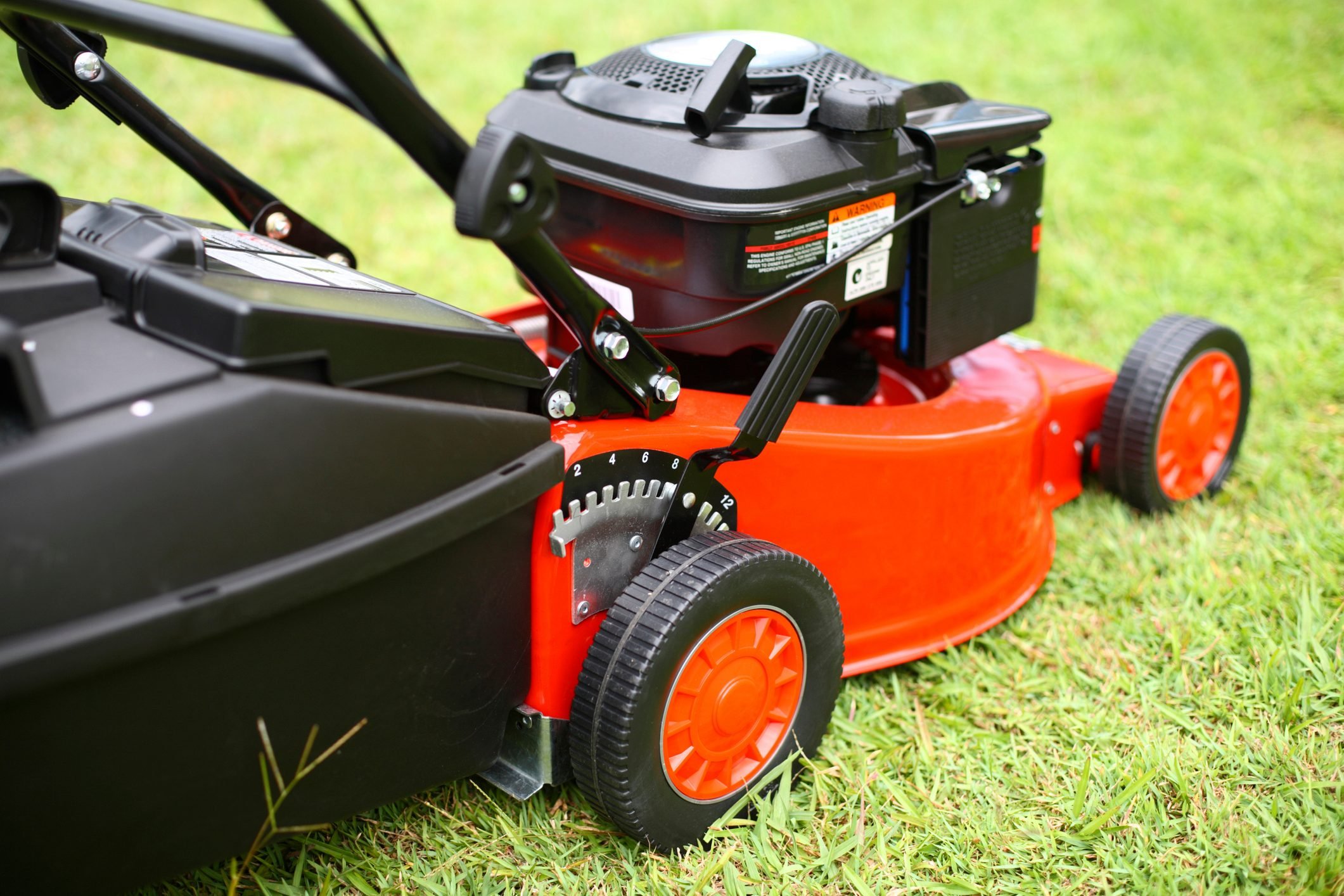
Maintaining your lawn mower’s fuel system is key to keeping it running smoothly. A clean and well-cared-for fuel system helps the mower last longer. It also improves performance and saves money on repairs. Simple steps can protect your mower from common fuel problems. Follow these tips to keep your lawn mower ready for every cut.
Using Clean Fuel
Always use fresh, clean fuel for your lawn mower. Old or dirty fuel clogs the filter and engine. Avoid filling the tank near dust or dirt. Use a clean container to pour fuel. This prevents debris from entering the fuel system. Clean fuel helps the mower run without hiccups.
Proper Storage Practices
Store your lawn mower in a dry, cool place. Avoid places with temperature swings or moisture. Drain the fuel tank before long storage periods. Stale fuel damages the filter and engine parts. Use fuel stabilizer for short-term storage. Proper storage keeps fuel fresh and parts safe.
Regular System Cleaning
Clean the fuel system regularly to avoid blockages. Check and replace the fuel filter as needed. Inspect fuel lines for cracks or leaks. Remove dirt and debris from the fuel tank. Regular cleaning prevents costly repairs. A clean fuel system ensures smooth mower operation.
Credit: www.familyhandyman.com
Frequently Asked Questions
How Often Should I Change My Lawn Mower Fuel Filter?
You should change the fuel filter every 25 to 50 hours of use. For seasonal mowers, replace it once per season to ensure clean fuel flow and engine efficiency.
What Happens If I Don’t Change The Fuel Filter?
A clogged fuel filter restricts fuel flow, causing poor engine performance. It can lead to hard starts, stalling, and reduced mower lifespan.
Can I Clean The Fuel Filter Instead Of Replacing It?
Some filters are reusable and can be cleaned with fuel or solvent. However, most filters are disposable and should be replaced for optimal performance.
How Do I Know When The Fuel Filter Needs Changing?
Signs include engine hesitation, stalling, or difficulty starting. If the mower runs rough or loses power, the fuel filter may be clogged.
Conclusion
Changing your lawn mower’s fuel filter keeps the engine running smooth. Most experts suggest replacing it every 25 hours of use or once a season. Clean fuel means better performance and fewer repairs. Don’t wait for problems to show up.
A simple change saves you time and money later. Keep your mower ready for the job ahead. Regular care helps your equipment last longer and work well every time. Stay on top of maintenance for a healthy lawn mower.


