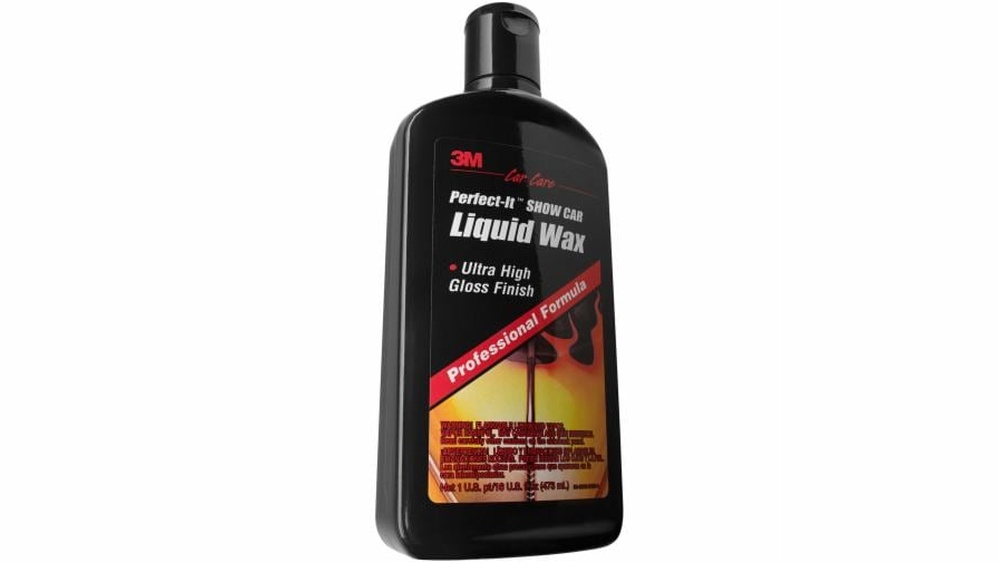
You’ve just finished waxing your car, but now you notice wax smeared all over your plastic bumper. It looks messy and takes away from your car’s shine.
Removing car wax from a plastic bumper might seem tricky, but it doesn’t have to be. In this guide, you’ll discover simple, effective steps to get your bumper clean and looking great again. Keep reading—you’ll save time, avoid damage, and bring back that smooth finish you want.

Credit: www.youtube.com
Why Wax Sticks To Plastic
Wax sticks to plastic bumpers because of its oily texture and the plastic’s smooth surface. Removing it needs gentle cleaning to avoid damage. Using mild soap and warm water helps lift the wax without hurting the plastic.
Car wax is designed to protect and shine surfaces. It bonds well with smooth, hard materials like metal and glass. Plastic bumpers have a different texture and chemical makeup. This causes wax to stick differently on plastic compared to metal.
Plastic surfaces often have tiny pores and a slightly rough texture. Wax fills these tiny pores, making it cling tightly. The wax molecules and plastic molecules interact, creating a strong bond. This bond makes wax removal from plastic bumpers tricky.
Surface Texture Of Plastic Bumpers
Plastic bumpers are usually matte or semi-glossy. Their surface is rougher than painted metal. These small grooves trap wax particles. The wax settles into these grooves, hard to wipe away with simple cleaning.
Chemical Composition Of Plastic
Plastic is made from polymers that attract oily substances. Wax is oily, so it sticks well to plastic molecules. This chemical attraction increases wax adhesion. It makes the wax less likely to peel off easily.
Temperature Effects On Wax And Plastic
Heat softens wax and plastic surfaces. In warm weather, wax melts slightly and spreads more. This helps wax bond deeper into plastic pores. Cold weather hardens wax, making it more brittle but still stuck.
Wax Formulation And Plastic Compatibility
Different wax types have varying stickiness levels. Some waxes contain oils that bond stronger with plastic. Others are designed mainly for paint, not plastic. Choosing the right wax affects how strongly it sticks to bumpers.

Credit: www.reddit.com
Tools And Materials Needed
Removing car wax from a plastic bumper needs the right tools and materials. Using proper items makes the job easier and safer for your car’s surface.
Gather all necessary supplies before starting. This preparation saves time and avoids mistakes.
Soft Microfiber Cloths
Use soft microfiber cloths to avoid scratching the plastic. These cloths absorb wax without damaging the surface.
Plastic-safe Wax Remover
Choose a wax remover made for plastic surfaces. It dissolves wax without harming your bumper’s finish.
Mild Soap And Water
Mild soap mixed with water helps clean dirt before removing wax. It prepares the surface for better wax removal.
Plastic Scraper Or Credit Card
A plastic scraper or old credit card gently lifts wax. Avoid metal tools that can scratch the bumper.
Bucket For Mixing Solutions
A bucket holds soapy water or cleaning solutions. It makes dipping cloths or rinsing easier during the process.
Prepping The Bumper Surface
Prepping the bumper surface is a key step before removing car wax. It helps protect the plastic and makes wax removal easier. A clean and dry surface ensures better results. Take your time to prepare the bumper well.
This step also prevents scratches and damage during cleaning. Follow these tips to get the bumper ready for wax removal.
Clean The Bumper With Soap And Water
Start by washing the bumper with mild soap and water. Use a soft cloth or sponge to avoid scratches. Remove dirt, dust, and grease thoroughly. Rinse well and dry with a clean towel.
Inspect The Surface For Damage
Check the bumper for cracks, deep scratches, or loose parts. Damaged areas need repair before wax removal. Fixing these issues prevents further damage during cleaning.
Use A Plastic-safe Cleaner
Apply a cleaner made for plastic surfaces. This removes oils and residues that soap misses. Follow the product instructions carefully. Wipe off the cleaner and let the bumper dry fully.
Protect Surrounding Areas
Cover areas near the bumper to avoid spills or splashes. Use painter’s tape or plastic sheets. This keeps paint and trim safe during wax removal.
Using Warm Soapy Water
Using warm soapy water is a simple and safe way to remove car wax from a plastic bumper. This method helps break down the wax without harming the plastic. It is gentle and effective, making it a top choice for many car owners.
Warm water softens the wax, making it easier to wipe off. Soap helps cut through the wax’s stickiness. Together, they loosen the wax and clean the surface.
Prepare The Cleaning Solution
Start by filling a bucket with warm water. Add a few drops of mild dish soap. Mix the water and soap until it forms suds. Avoid strong cleaners that might damage the plastic.
Apply The Soapy Water To The Bumper
Dip a soft cloth or sponge into the soapy water. Wring out excess liquid to avoid dripping. Gently wipe the wax-covered bumper in circular motions. Let the warm water soften the wax for a few minutes if needed.
Remove The Wax Residue
Keep wiping the bumper with the soapy cloth. The wax will start to lift from the surface. Rinse the cloth often and reapply the soapy water. Avoid scrubbing too hard to protect the plastic.
Rinse And Dry The Bumper
After removing the wax, rinse the bumper with clean water. Use a separate cloth to wipe off soap residue. Dry the bumper with a clean, soft towel. This prevents water spots and keeps the plastic shiny.
Applying Rubbing Alcohol Or Acetone
Removing car wax from a plastic bumper can be tricky. Rubbing alcohol or acetone helps break down the wax quickly. These substances dissolve the wax without damaging the plastic if used correctly. They are strong cleaners that cut through sticky residue with ease.
Use rubbing alcohol or acetone carefully. These chemicals can harm the paint or plastic surface if applied incorrectly. Always test on a small, hidden area before cleaning the whole bumper. This step ensures no damage or discoloration occurs.
Safety Precautions
Wear gloves to protect your skin from chemicals. Work in a well-ventilated area to avoid inhaling fumes. Avoid contact with your eyes and keep away from children and pets. Use a soft cloth, not a rough sponge, to prevent scratches. Keep a small bowl of water nearby to rinse your hands if needed.
Step-by-step Application
First, dab a small amount of rubbing alcohol or acetone onto a clean, soft cloth. Gently rub the waxed area in a circular motion. Do not scrub hard; this can damage the plastic. Wipe off the dissolved wax with another clean cloth. Repeat if wax remains, but avoid overusing the chemical. After cleaning, wash the bumper with soap and water to remove residue. Dry it with a soft towel to prevent streaks.
Employing Plastic-safe Wax Removers
Removing car wax from a plastic bumper needs care. Harsh chemicals can damage the plastic surface. Using plastic-safe wax removers protects the bumper while cleaning it. These products are made to dissolve wax without harming plastic. They keep the plastic looking new and smooth. Choosing the right remover helps avoid scratches and discoloration. Follow simple steps for the best results.
What Are Plastic-safe Wax Removers?
Plastic-safe wax removers are gentle cleaners. They remove wax without eating away the plastic. These removers have mild chemicals made for plastic surfaces. They work well on car bumpers and trim. Using them prevents fading or cracking of plastic parts. They are different from regular wax removers that may be too strong.
How To Choose A Plastic-safe Wax Remover
Look for products labeled safe for plastic. Check for non-abrasive formulas. Read reviews and product details. Avoid removers with strong solvents or acids. Choose ones with natural or mild ingredients. Pick removers that say they are for automotive use. This ensures they suit car plastics well.
Steps To Use Plastic-safe Wax Removers
First, clean the bumper with soap and water. Dry the surface completely. Apply a small amount of wax remover on a soft cloth. Gently rub the waxed area in circular motions. Wipe off the dissolved wax with a clean cloth. Repeat if any wax remains. Finish by rinsing the bumper with water.
Buffing And Polishing Tips
Buffing and polishing are key steps to remove car wax from a plastic bumper. These steps help restore the bumper’s original look. They also prevent damage and keep the plastic smooth and shiny.
Using the right technique and tools makes the process easier. It also avoids scratches and dull spots. Follow these simple tips for best results.
Choose The Right Buffer And Cloth
Select a soft, clean microfiber cloth for buffing. Avoid rough fabrics that can scratch plastic. Use a handheld buffer or polishing pad for even pressure.
Apply Gentle Pressure
Press lightly while buffing the bumper. Hard pressure can damage the plastic surface. Move the cloth in small, circular motions for even polishing.
Use A Plastic-safe Polishing Compound
Pick a polishing product made for plastic surfaces. Harsh chemicals can harm the bumper’s finish. Test the product on a small area first to check safety.
Polish In Small Sections
Work on one small section at a time. This ensures thorough cleaning and polishing. It also helps avoid uneven spots on the bumper.
Remove Residue With A Clean Cloth
After buffing, wipe off any leftover polish with a dry cloth. This step reveals a smooth, glossy surface. Check for missed spots and repeat if needed.

Credit: www.reddit.com
Preventing Future Wax Build-up
Preventing wax build-up on your plastic bumper saves time and keeps your car looking neat. Regular care stops wax from sticking and causing stubborn marks. Simple habits make a big difference in maintaining a clean bumper.
Clean The Bumper Before Waxing
Always clean the bumper thoroughly before applying wax. Dirt and dust make wax stick unevenly. Use a mild soap and water solution to remove all grime. Dry the surface well to avoid water spots.
Use Wax Designed For Plastics
Choose wax products made specifically for plastic surfaces. These formulas protect without causing build-up or damage. Avoid car waxes made only for metal or paint.
Apply Thin Layers Of Wax
Apply wax in thin, even layers. Thick layers take longer to dry and can leave residue. Thin coats are easier to remove and less likely to build up.
Regularly Wash Your Car
Wash your car regularly to remove dirt and wax residue. Clean bumpers prevent wax from sticking and building up. Use gentle cleaning tools to avoid scratching the plastic.
Use A Plastic Sealant
Plastic sealants create a barrier that repels wax and dirt. They protect the bumper and make cleaning easier. Apply sealant every few months for best results.
When To Seek Professional Help
Struggling to remove wax without causing damage? Seeking expert help is wise for deep stains or sensitive surfaces. Professionals have the right tools to protect your bumper.
Signs Of Damage Beyond Diy Repair
Car wax can sometimes cause scratches or dull spots on plastic bumpers. If the bumper looks scratched or the wax has hardened deeply, do not try to fix it yourself. These damages need special tools and products. Professionals can assess the damage and avoid making it worse.
Persistent Wax Stains
Some wax stains are very stubborn. If regular cleaning methods do not remove the wax, it is best to get expert help. Professionals have stronger cleaners that do not harm plastic. They can restore your bumper’s look without risk.
Uncertainty About Cleaning Products
Using the wrong product can damage plastic bumpers. If unsure about which cleaner to use, ask a professional. They know safe and effective products. This avoids costly mistakes and protects your car’s surface.
Time Constraints And Convenience
Removing wax can take a long time and effort. A professional service can save time and do the job quickly. This option is helpful when you have a busy schedule or want perfect results fast.
Frequently Asked Questions
How Can I Safely Remove Car Wax From Plastic Bumpers?
Use a mild plastic-safe cleaner or rubbing alcohol. Apply gently with a microfiber cloth to avoid scratching the surface. Test on a small area first. Wipe away residue carefully and rinse with water for the best results.
What Household Items Remove Car Wax From Plastic Bumpers?
You can use rubbing alcohol, vinegar, or baking soda paste. These items break down wax without damaging the plastic. Apply gently with a soft cloth and rinse thoroughly afterward to prevent residue buildup and maintain the bumper’s appearance.
Is It Safe To Use Car Polish On Plastic Bumpers?
Car polish is generally not recommended for plastic bumpers. It can cause discoloration or damage. Instead, use plastic-specific cleaners or wax removers designed for sensitive surfaces to protect and clean your bumper effectively.
Can Heat Help Remove Car Wax From Plastic Bumpers?
Heat can soften car wax, making it easier to remove. Use a hairdryer on low heat and keep it moving to avoid damage. After warming, wipe off the wax gently with a microfiber cloth for best results.
Conclusion
Removing car wax from a plastic bumper is simple with the right steps. Use gentle cleaners and soft cloths to avoid damage. Take your time and work carefully for the best results. Regular cleaning helps keep your bumper looking new.
Small efforts make a big difference in car care. Now, your bumper can shine without wax residue. Keep these tips handy for future cleaning tasks. Clean bumpers improve your car’s look and value. Easy to do, and worth the effort!