

Are you wondering how much it will cost to replace your brakes and rotors? Knowing the price beforehand can save you from surprises and help you plan your budget better.
Whether your car is making strange noises or you’ve noticed a drop in braking power, understanding the costs involved is key. You’ll discover the factors that affect the price and learn how to get the best value for your money.
Keep reading to make sure you’re prepared when it’s time for your brake repair.
Credit: www.cartalk.com
Brake And Rotor Basics
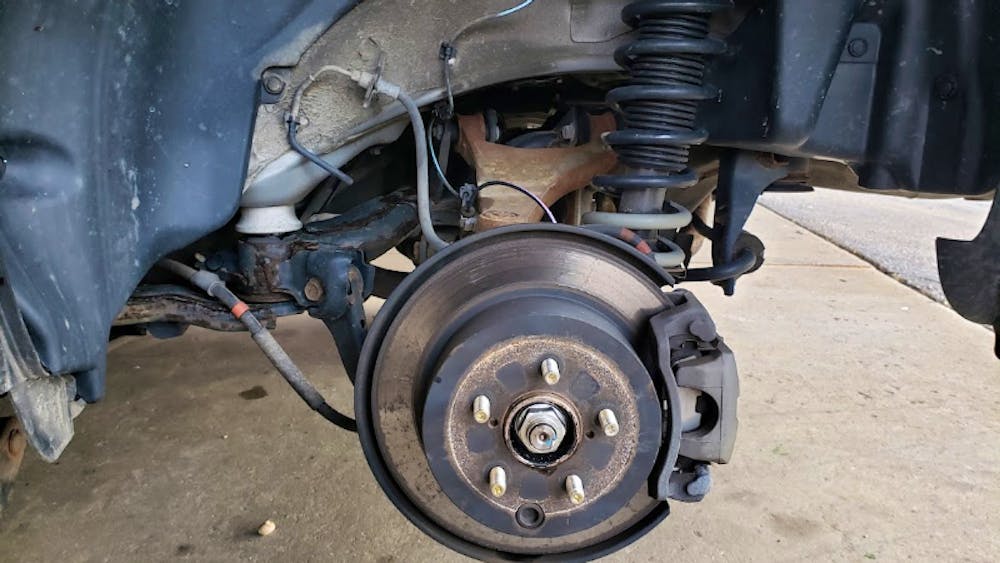
Brakes and rotors are key parts of your car’s stopping system. They work closely to slow down and stop your vehicle safely. Understanding their basics helps you know why repairs or replacements cost what they do.
Knowing the types of brakes and rotors can help you make better decisions for your car’s maintenance. It also explains why costs vary widely depending on the parts you choose.
Types Of Brakes
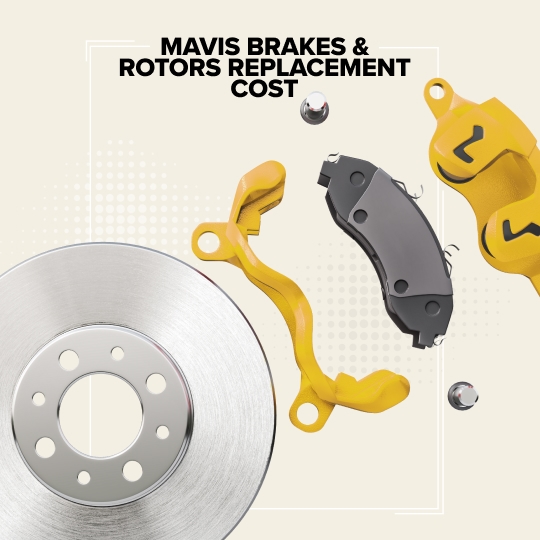
There are two main types of brakes: disc brakes and drum brakes. Disc brakes use a flat metal disc called a rotor. Brake pads squeeze the rotor to stop the wheel. Drum brakes have a drum that spins with the wheel. Brake shoes press inside the drum to slow the car. Most modern cars use disc brakes for better performance.
Types Of Rotors
Rotors come in several styles. Solid rotors are simple and cost less. Vented rotors have cooling vents between two plates. These keep the brakes cooler during use. Drilled rotors have holes to improve heat and water dissipation. Slotted rotors have grooves to help remove brake dust and gas. Each type affects braking performance and price.
How Brakes And Rotors Work Together
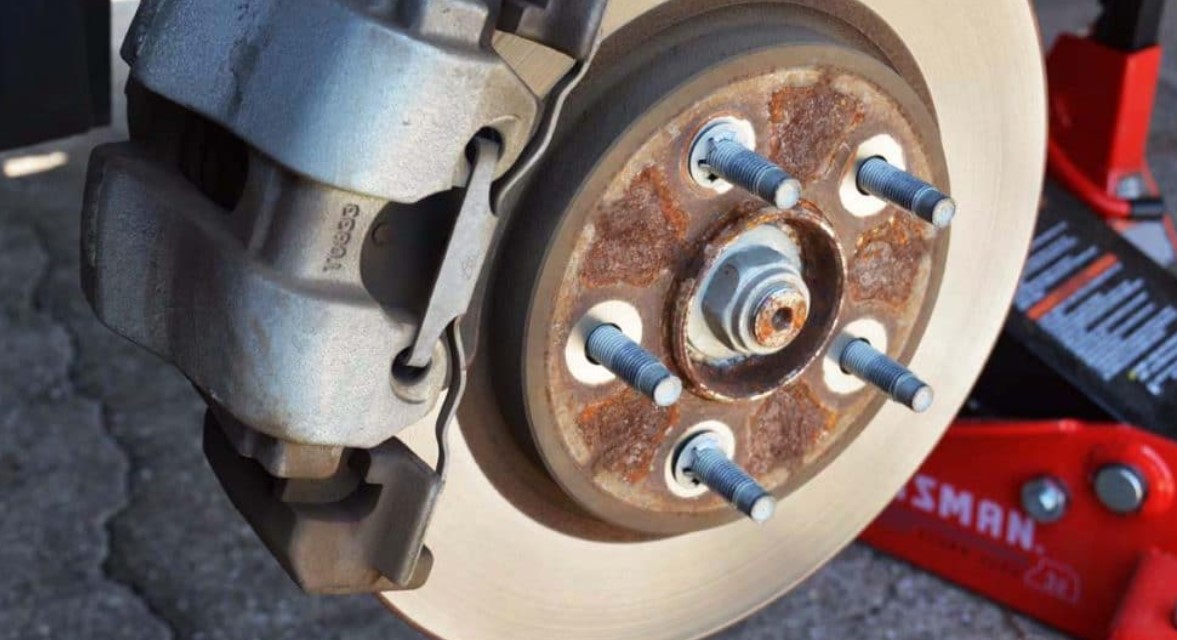
Brakes and rotors form a system that stops your car. When you press the brake pedal, brake pads clamp onto the rotor. This creates friction that slows the wheel’s rotation. The rotor must be smooth and strong for effective braking. Worn or damaged rotors reduce braking power and cause vibrations. Both parts wear over time and need regular checks.
Factors Influencing Cost
Several factors affect the total cost of brakes and rotors. Understanding these can help you plan your budget better. Prices vary due to differences in parts, labor, and location. Knowing these details makes the process clearer and less stressful.
Vehicle Make And Model
Different cars need different brake parts. Luxury and sports cars usually require expensive components. Common models have more affordable parts. Some vehicles also need special rotors, which raise the cost.
Quality And Brand
Brake parts come in various quality levels. High-quality brands last longer but cost more. Cheaper parts save money upfront but may wear out fast. Choose parts based on safety and budget balance.
Labor Charges
Mechanics charge differently for brake jobs. Complex jobs take more time and cost more. Simple replacements cost less. Labor fees depend on the shop’s hourly rates and experience.
Location Variations
Prices differ by region and city. Urban areas often have higher labor costs. Rural shops may offer lower prices. Local demand and competition also affect charges.
Typical Price Ranges
Knowing the typical price ranges for brakes and rotors helps plan your car maintenance budget. Prices vary by vehicle type and quality of parts. Understanding costs can prevent surprises at the repair shop.
Cost Of Brake Pads
Brake pads usually cost between $30 and $80 per set. Economy pads are cheaper but wear out faster. Premium pads last longer but cost more. Labor fees for replacing pads add about $80 to $150.
Cost Of Rotors
Rotors typically range from $40 to $120 each. High-performance rotors cost more. Some cars require special rotors, raising the price. Labor for rotor replacement generally costs $100 to $200.
Complete Brake Replacement
A full brake job, including pads and rotors, can cost $250 to $600 per axle. Luxury and performance cars usually cost more. This price includes parts and labor. Regular brake maintenance saves money over time.
Credit: www.mavis.com
Diy Vs Professional Service
Deciding between doing brake and rotor replacement yourself or hiring a professional is important. Both options affect your budget and safety. Understanding the pros and cons helps you pick the right choice for your situation.
Pros And Cons Of Diy
Doing the job yourself can save money on labor costs. Parts usually cost less when you buy them directly. You get the satisfaction of fixing your car alone.
DIY requires tools and some mechanical knowledge. Mistakes can cause brake failure or damage. It takes time and patience to do it correctly.
When To Choose A Mechanic
A mechanic is best if you lack experience or tools. Professionals have the right equipment and skills to finish faster. They can spot other issues during the service.
Use a mechanic if you want a warranty on parts and work. This adds peace of mind and protects your investment. Complex brake systems also need expert handling.
Safety Considerations
Brakes are vital for your safety and others on the road. Improper installation can lead to accidents or brake failure. Always double-check your work if doing it yourself.
Wear safety gear and work on a stable surface. Use a jack stand, not just a jack. If unsure, hiring a professional is the safest choice.
Tips To Save Money
Saving money on brakes and rotors can be simple with the right approach. Small actions add up to big savings over time. Here are some tips to help you spend less without sacrificing safety or quality.
Buying Parts Online
Online stores often sell brake parts at lower prices than local shops. You can compare prices from many sellers quickly. Check reviews to ensure the parts are good quality. Shipping costs may apply but often still cheaper overall. Buying online lets you find deals and discounts easily.
Using Aftermarket Components
Aftermarket brake parts cost less than original equipment manufacturer (OEM) parts. They usually fit well and work just fine for daily driving. Choose reputable brands to avoid poor quality. This option helps save money while keeping your car safe on the road.
Regular Maintenance
Keeping brakes clean and checking them often prevents costly repairs. Replace worn pads before they damage rotors. Proper care extends the life of both parts. Small maintenance steps save you from paying for big fixes later.
Shop Around For Quotes
Calling or visiting several repair shops can reveal price differences. Some shops offer discounts or price matching. Ask for detailed quotes to understand the costs. Comparing helps you pick the best deal and avoid paying too much.
Signs You Need New Brakes Or Rotors
Brakes and rotors wear down over time. Recognizing the signs early can save money and keep driving safe. Ignoring warning signs might cause bigger damage.
Pay attention to sounds, feelings, and stopping power. These clues show if brakes or rotors need replacement soon.
Squeaking Or Grinding Noises
Squeaking sounds often mean brake pads are worn out. The noise comes from a small metal indicator. It alerts that pads need changing.
Grinding noises are worse. They happen when pads wear away completely. Metal parts then rub against rotors, causing damage.
Vibration While Braking
Feeling a shake or vibration when braking is a clear sign. Rotors might be warped or uneven. This issue affects brake performance and safety.
Vibrations usually grow stronger with speed. It makes stopping harder and less smooth.
Longer Stopping Distances
If the car takes longer to stop, brakes may be failing. Worn pads and rotors reduce friction. This loss increases the distance needed to stop.
Slow response can lead to accidents. Immediate attention to brakes is essential for safe driving.
Extended Brake Care
Extended brake care helps your brakes last longer and work better. It saves money by preventing big repairs. Taking small steps keeps brakes and rotors in good shape. You avoid sudden brake failures and unsafe driving.
Proper Driving Habits
Drive smoothly to protect your brakes. Avoid hard stops and fast starts. Slow down early to reduce brake wear. Use the engine brake on hills to ease pressure. These habits lower the chance of brake damage.
Routine Inspections
Check brakes regularly to find problems early. Look for worn pads and thin rotors. Listen for squeaking or grinding sounds. Inspect brake lines and hoses for leaks. Early fixes keep repair costs low and prevent accidents.
Brake Fluid Maintenance
Brake fluid transfers force to your brakes. Old fluid can harm brake parts and reduce safety. Change brake fluid every two years or as advised. Use the right fluid type for your vehicle. Proper fluid care ensures strong brake performance.
Credit: omegaautocare.com
Frequently Asked Questions
How Much Do Brake Pads Typically Cost?
Brake pads usually cost between $30 and $100 per set. Prices vary by vehicle type and pad quality. Premium pads cost more but offer better performance and durability.
What Is The Average Cost To Replace Rotors?
Rotor replacement typically costs between $150 and $300 per axle. The price depends on rotor quality and vehicle model. Labor charges may increase the total cost.
Can I Replace Brakes And Rotors Together Cost-effectively?
Yes, replacing brakes and rotors together can save on labor costs. Many shops offer package deals for combined replacements. This approach ensures optimal braking performance and safety.
How Often Should Brakes And Rotors Be Replaced?
Brake pads need replacement every 30,000 to 70,000 miles. Rotors generally last longer but may need replacement every 50,000 to 70,000 miles. Regular inspections help determine the right timing.
Conclusion
Brake and rotor costs vary based on parts and labor. Choosing quality parts helps ensure safety and durability. Regular maintenance can prevent expensive repairs later. Comparing prices from different shops saves money. Knowing the average cost prepares you for repair bills.
Keep your brakes in good shape for smooth driving. Stay informed and make smart choices for your car.


