
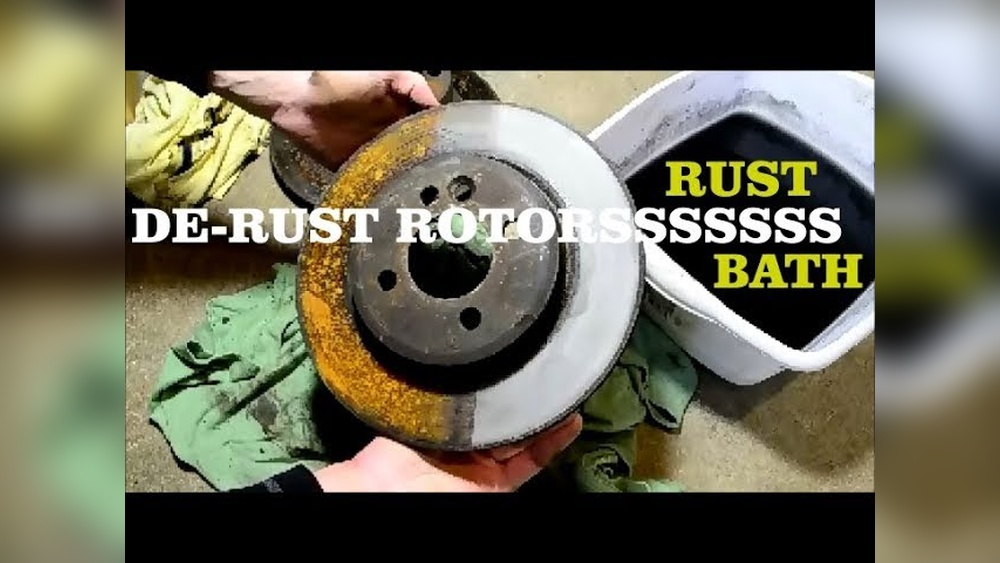
Rust on your disc brake rotors can cause annoying noise, reduce braking efficiency, and even damage your vehicle over time. If you’ve noticed that rough, rusty layer building up, you’re probably wondering how to get rid of it quickly and safely.
The good news? Removing rust from your brake rotors isn’t as hard as it seems. You’ll discover simple, effective steps to restore your rotors to smooth, reliable condition—helping you drive with confidence and safety. Keep reading to learn exactly what you need to do to protect your brakes and extend their lifespan.
Causes Of Rust On Rotors
Rust on disc brake rotors is a common problem. It affects braking performance and safety. Understanding what causes rust helps in preventing and fixing it quickly. Several factors lead to rust buildup on rotors. These factors often work together to create the problem.
Exposure To Moisture
Rotors are made of metal that reacts with water. Rain, puddles, or washing the vehicle leaves moisture on the rotor surface. This moisture starts the rusting process almost immediately. Even small amounts of water cause rust if the rotors stay wet for long. Moisture creates a perfect environment for rust to form.
Lack Of Use
When a vehicle sits idle for days or weeks, rotors gather rust quickly. Braking wears away rust during driving. Without regular use, the rust layer builds up unchecked. This is common in cars parked outdoors or unused for a long time. Lack of use makes rust removal harder later.
Environmental Factors
Salt from winter roads speeds up rusting on rotors. Coastal areas with salty air also cause faster rust. Dust and dirt can trap moisture on the rotor surface. Pollution in the air adds to corrosion problems. These environmental conditions increase rust risks significantly.
Credit: bikeshed.johnhoogstrate.nl
Signs Of Rusty Rotors
Rust on disc brake rotors can cause serious issues with your vehicle’s braking system. Spotting the signs early helps keep your brakes safe and effective. Watch for clear signs that your rotors need attention.
Visible Surface Rust
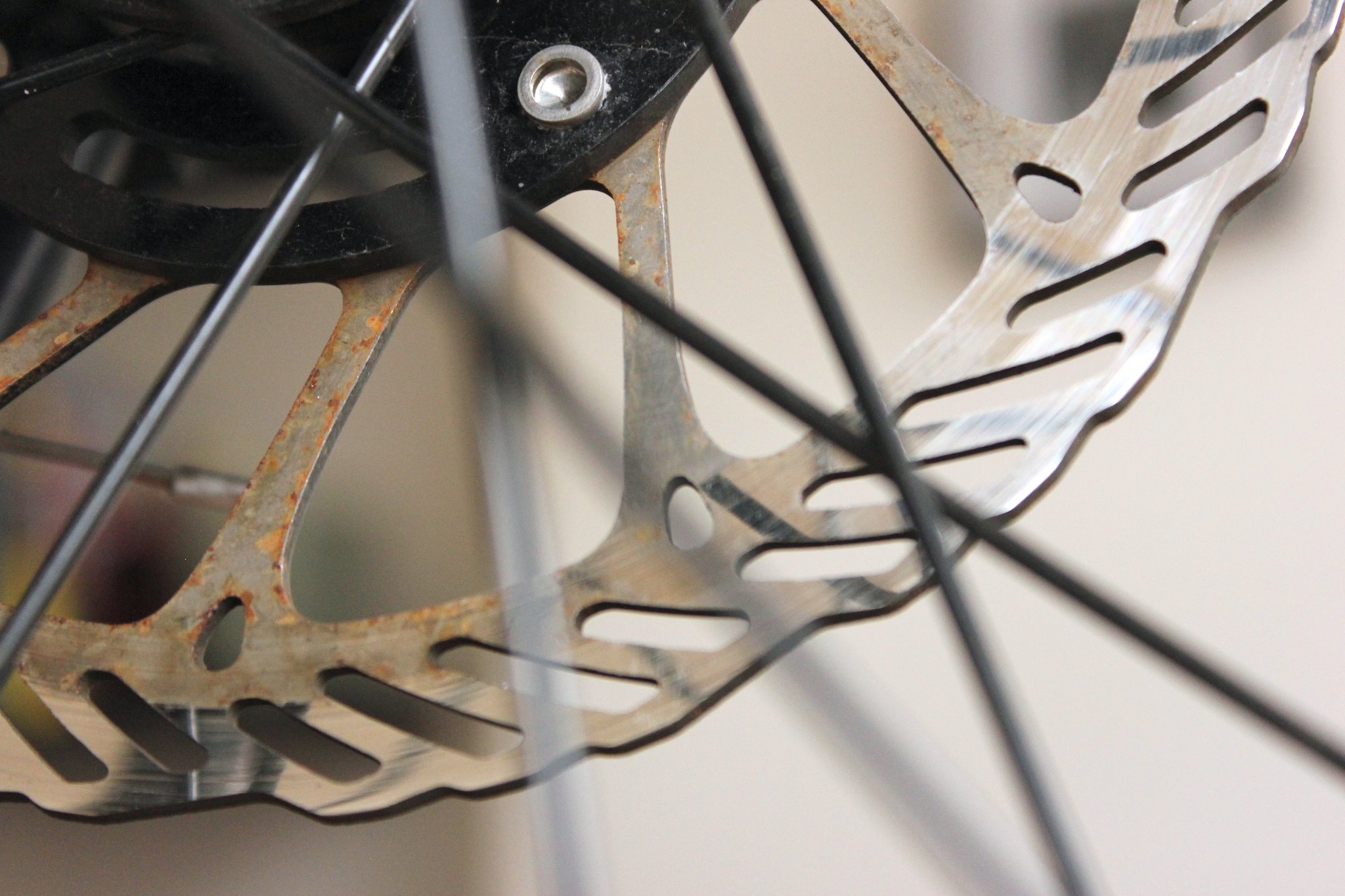
Rust often appears as orange or brown patches on the rotor’s surface. This rust forms when your car sits unused for a while, especially in wet conditions. Light surface rust is common but should not be ignored if it grows thicker. Thick rust can cause uneven braking and damage the rotor.
Noise During Braking
Rusty rotors often make noise when you brake. You might hear a squeaking or grinding sound. This happens because the rust roughens the surface where the brake pads touch. Noisy brakes are a warning sign to check your rotors right away.
Reduced Braking Performance
Rust can lower your brakes’ ability to stop the car quickly. You may notice longer stopping distances or a spongy brake pedal feel. This happens because rust reduces the contact area between pads and rotors. Reduced braking performance is dangerous and needs immediate attention.
Tools And Materials Needed
Removing rust from disc brake rotors requires the right tools and materials. Having the correct supplies makes the job easier and safer. This section lists essential items needed for a smooth cleaning process.
Cleaning Agents
Use rust removers designed for metal surfaces. White vinegar is a cheap and effective option. Baking soda mixed with water also works well. Avoid harsh chemicals that can damage the rotors.
Scrubbing Tools
Steel wool helps remove tough rust spots. A wire brush can reach small crevices on the rotor. Sandpaper with fine grit smooths the surface after scrubbing. Use a clean cloth to wipe the rotor dry.
Protective Gear
Wear gloves to protect your hands from chemicals and sharp edges. Safety glasses shield your eyes from debris. Use a mask to avoid inhaling rust dust. Proper gear keeps you safe during cleaning.

Credit: www.youtube.com
Step-by-step Rust Removal Process
Removing rust from disc brake rotors is a simple task that anyone can do. Follow this clear, step-by-step process to clean your rotors and keep your brakes working well. Each step helps ensure safety and effectiveness.
Preparing The Vehicle
Start by parking the car on a flat surface. Engage the parking brake to keep it steady. Remove the wheel to access the brake rotor easily. Use a jack and stands to lift and secure the vehicle safely. Wear gloves and eye protection for safety.
Applying Rust Remover
Choose a rust remover suitable for brake rotors. Spray or apply the remover evenly on the rusty surface. Let it sit for a few minutes to break down the rust. Avoid letting the product dry completely on the rotor.
Scrubbing The Rotors
Use a wire brush or a scouring pad to scrub the rusted areas. Apply firm but gentle pressure to avoid damage. Focus on rust spots until the metal looks clean. Repeat applying rust remover and scrubbing if needed.
Rinsing And Drying
Rinse the rotor with clean water to wash off residue. Use a clean cloth to dry the rotor thoroughly. Make sure no moisture remains to prevent new rust. Reinstall the wheel and lower the vehicle carefully.
Alternative Rust Removal Methods
Rust on disc brake rotors can cause noise and reduce braking power. There are several alternative methods to remove rust. These methods vary in effort, cost, and results. Choose one that fits your tools and skills.
Using Sandpaper Or Wire Brush
Sandpaper or a wire brush can scrub rust off the rotor surface. Use fine-grit sandpaper for light rust. A wire brush works well for tougher rust spots. Always clean the rotor after scrubbing. Wipe with a cloth to remove dust and debris. This method takes time but is effective and safe.
Chemical Rust Removers
Chemical rust removers dissolve rust quickly. Apply the product on the rotor following instructions. Wait the recommended time, then wipe the rotor clean. Wear gloves to protect your skin. Use these chemicals in a well-ventilated area. They work best for heavy rust and hard-to-reach areas.
Professional Services
Professional services offer expert rust removal. They use specialized tools and chemicals. They also inspect the brake system for safety. This option saves time and effort. It may cost more but ensures quality results. Good for those who prefer expert help or face severe rust problems.

Credit: www.familyhandyman.com
Preventing Future Rust
Preventing rust on disc brake rotors keeps them working well and safe. Rust reduces brake power and can cause damage. Taking simple steps helps keep rust away. Focus on cleaning, storing, and protecting the rotors.
Regular Cleaning
Clean rotors often to stop rust from forming. Use a soft brush or cloth to wipe dirt and dust. Avoid harsh chemicals that can harm the metal. Mild soap and water work best. Dry the rotors fully after cleaning. Moisture left on rotors can cause rust quickly.
Proper Storage
Store your bike or vehicle in a dry place. Avoid damp or wet areas that increase rust risk. Cover the rotors if you do not use the bike for a long time. Use breathable covers to stop moisture build-up. Good air flow helps keep rotors dry and rust-free.
Protective Coatings
Apply a thin layer of protective coating on rotors. Use products made for metal protection and brakes. These coatings create a barrier against moisture and rust. Reapply coatings regularly for best results. Avoid thick layers that affect brake performance.
When To Replace Rotors
Knowing when to replace disc brake rotors is key for safe driving. Rust can often be cleaned, but some damage means the rotor needs replacement. Ignoring signs of wear can lead to poor braking and accidents.
Excessive Rust Damage
Surface rust is normal after car exposure to moisture. Light rust can be cleaned with simple methods. Excessive rust causes deep pits or crumbling metal. This damage weakens the rotor and reduces brake performance. Replace rotors if rust cannot be removed easily.
Warping And Cracks
Heat from braking can warp rotors, causing vibrations. Warped rotors lead to uneven brake pad contact. Small cracks may form due to stress and heat cycles. Cracks weaken the rotor and risk failure. Replace rotors that show warping or visible cracks.
Safety Considerations
Brake rotors are vital for stopping power. Damaged rotors increase stopping distance and reduce control. Driving on worn rotors risks brake failure and accidents. Always prioritize safety by replacing bad rotors promptly. Regular checks help spot issues before they become serious.
Frequently Asked Questions
How Do I Safely Remove Rust From Brake Rotors?
Use a wire brush or sandpaper to scrub rust gently. Apply brake cleaner afterward. Avoid harsh chemicals that damage rotors. Always wear protective gear during cleaning.
What Tools Are Best For Cleaning Rusty Brake Rotors?
Wire brushes, sandpaper, and brake cleaner work best. A drill with a wire brush attachment helps. Avoid power tools that cause rotor damage.
Can Rust On Brake Rotors Affect Braking Performance?
Yes, rust can reduce braking efficiency and cause noise. Removing rust promptly ensures smooth braking and extends rotor life.
How Often Should I Check My Brake Rotors For Rust?
Inspect rotors every 3-6 months or after long storage. Regular checks prevent rust buildup and maintain brake safety.
Conclusion
Removing rust from disc brake rotors helps keep your brakes working well. Regular cleaning stops rust from building up again. Use simple tools and safe methods for best results. Check your rotors often to catch rust early. Clean rotors improve braking and extend their life.
Taking care of your brakes is smart and easy. Keep your ride safe and smooth with clean rotors. Small steps make a big difference in brake performance. Remember, a little care goes a long way.


