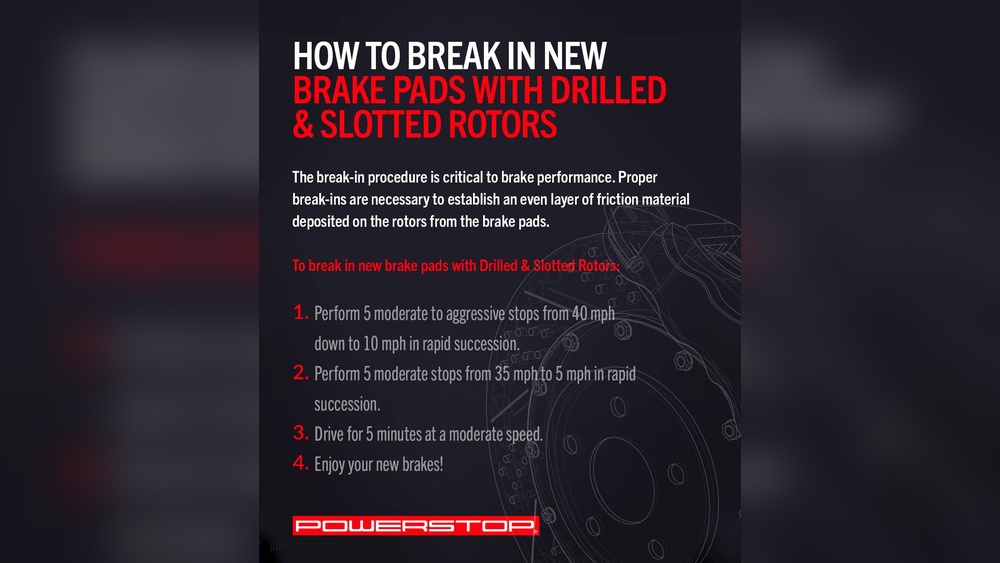
Your car’s brakes are one of the most important safety features you rely on every day. But have you ever wondered how often you should replace your brake rotors?
Ignoring worn rotors can lead to costly repairs or, worse, dangerous driving conditions. You’ll discover clear signs that tell you when it’s time for new rotors. Knowing this could save you money and keep you safe on the road. Keep reading to learn exactly what to watch for and how to keep your brakes in top shape.
Signs You Need New Rotors
Brake rotors are a key part of your vehicle’s braking system. Knowing when to replace them keeps you safe on the road. Several signs show that your rotors may need changing. Watch for these clear signals to avoid bigger problems.
Visible Wear And Damage
Check your rotors often for visible wear. Deep grooves or scoring mean the surface is damaged. Cracks or rust spots also indicate a problem. Thin or warped rotors reduce braking power. These signs show it’s time to replace them.
Vibration While Braking
Feel a shaking or vibration in the brake pedal? This usually means the rotors are warped. Warping happens from heat and heavy use. It makes braking uneven and unsafe. Replace warped rotors to restore smooth stopping.
Squealing Or Grinding Noises
Hear high-pitched squeals or grinding sounds during braking? Squealing can mean worn brake pads, but also damaged rotors. Grinding noises are a worse sign of rotor wear. These sounds warn you to inspect and replace rotors fast.
Credit: www.reddit.com
Factors Affecting Rotor Lifespan
Brake rotors do not last forever. Their lifespan depends on many factors. Knowing these helps keep your car safe and saves money. Some rotors wear out faster than others. Understanding what affects rotor life helps you know when to replace them.
Driving Habits
How you drive changes rotor wear. Hard braking causes rotors to heat up quickly. This can lead to warping or cracking. Smooth, gentle braking extends rotor life. Frequent stop-and-go traffic also wears rotors faster. Long highway drives cause less wear than city driving.
Vehicle Type And Usage
Heavy vehicles put more stress on rotors. Trucks and SUVs often wear rotors quicker than small cars. Using your vehicle for towing adds extra load. Off-road driving or carrying heavy cargo also speeds up rotor wear. Your vehicle’s weight and use matter a lot.
Quality Of Brake Components
Brake pads and rotors work as a team. High-quality parts last longer and perform better. Cheap or low-quality brake pads can damage rotors fast. Good materials resist heat and wear. Investing in quality brake parts can save money over time.
Recommended Replacement Intervals
Brake rotors wear down over time and need replacement to keep your vehicle safe. Knowing when to replace them helps avoid costly repairs and dangerous driving conditions. Recommended replacement intervals vary based on driving habits and vehicle type.
Regular checks help catch rotor wear early. Understanding manufacturer advice and scheduling professional inspections keeps your brakes reliable.
Manufacturer Guidelines
Car makers provide specific rotor replacement intervals. These are usually found in the owner’s manual. Most recommend changing rotors every 30,000 to 70,000 miles. This range depends on the vehicle model and driving style. Following these guidelines helps maintain brake performance and safety.
Some manufacturers suggest checking rotors more often if you drive in tough conditions. These include mountainous areas or heavy city traffic. Always follow the advice given for your specific car model.
Professional Inspection Frequency
Brake rotors should be inspected by a professional regularly. A good rule is to have them checked at least once a year. Mechanics look for signs like warping, scoring, or thinning. They also measure rotor thickness to ensure safety.
If you notice vibrations or noise when braking, get an inspection sooner. Early detection prevents bigger problems. A professional can recommend the best time to replace your rotors based on their condition.

Credit: www.hawkperformance.com
Risks Of Delaying Rotor Replacement
Delaying brake rotor replacement can cause serious problems. Rotors wear down over time and affect your car’s braking system. Ignoring this can lead to costly repairs and dangerous driving conditions. Understanding the risks helps you avoid trouble and stay safe on the road.
Reduced Braking Efficiency
Worn rotors make your brakes less effective. The car takes longer to stop. This increases the chance of accidents. You may feel vibrations or hear noises when braking. These signs mean your rotors need attention. Poor braking can put you and others in danger.
Increased Repair Costs
Delaying rotor replacement can lead to bigger repairs. Damaged rotors can harm brake pads and other parts. Fixing multiple components costs more money. Early replacement saves you from expensive fixes later. Regular checks help catch problems early.
Safety Hazards
Bad rotors threaten your safety and others on the road. They can cause brake failure in emergencies. Losing control of your car can lead to crashes. Proper rotor maintenance keeps your brakes reliable. Driving with worn rotors is risky and unsafe.
Choosing The Right Replacement Rotors
Choosing the right replacement rotors is important for safe and smooth braking. The right rotors ensure your vehicle stops well and lasts longer. Picking rotors that match your needs helps avoid extra costs and problems.
There are different types and materials of rotors. Also, not all rotors fit every car. Knowing these details helps make the best choice.
Types Of Rotors
There are mainly three types of rotors: solid, vented, and drilled or slotted. Solid rotors are simple and good for light driving. Vented rotors have cooling channels to reduce heat. Drilled or slotted rotors help remove water and dust for better grip. Choose the type based on your driving style and conditions.
Material Options
Rotors come in different materials like cast iron, steel, and composites. Cast iron is common and affordable. Steel rotors are stronger but may cost more. Composite rotors mix materials for better heat control and less weight. Think about your car and how you drive to pick the best material.
Compatibility Considerations
Not all rotors fit every vehicle. Check your car’s make, model, and year before buying. Some cars need specific sizes and types. Using the wrong rotor can cause poor braking or damage. Always follow your car manual or ask a professional for advice.
Maintenance Tips To Extend Rotor Life
Brake rotors wear out over time. Proper care helps them last longer. Follow simple maintenance tips to keep rotors in good shape. These tips save money and improve safety.
Regular Brake Inspections
Check brake rotors often. Look for cracks, grooves, or rust. Inspect rotors every 10,000 to 15,000 miles. Early detection prevents bigger damage. Ask a mechanic to inspect if unsure.
Proper Driving Techniques
Avoid hard braking whenever possible. Slow down gently to reduce rotor wear. Drive smoothly in traffic to protect brakes. Do not ride the brakes on hills. This reduces heat and extends rotor life.
Timely Brake Pad Replacement
Replace brake pads before they wear out completely. Worn pads damage rotors quickly. Check pad thickness regularly. Changing pads on time saves rotors from costly repairs.

Credit: www.youtube.com
Frequently Asked Questions
How Often Should Brake Rotors Be Replaced?
Brake rotors typically need replacement every 30,000 to 70,000 miles. This depends on driving habits, rotor quality, and vehicle type. Regular inspection helps detect wear, warping, or thickness loss. Replacing rotors timely ensures safe braking and prevents damage to brake pads.
What Are Signs Of Worn Brake Rotors?
Common signs include vibration when braking, squealing noises, and reduced braking performance. You might also notice grooves or scoring on the rotor surface. If your brake pedal feels spongy or the vehicle pulls to one side, have the rotors checked immediately.
Can Brake Rotors Be Resurfaced Instead Of Replaced?
Yes, rotors can be resurfaced if they have minor wear or unevenness. However, resurfacing is only possible if enough rotor thickness remains. If rotors are too thin or damaged, replacement is safer and more effective for optimal braking.
Does Driving Style Affect Rotor Lifespan?
Aggressive driving with hard braking shortens rotor life. Frequent stop-and-go traffic and mountainous terrain also increase wear. Smooth, gradual braking and regular maintenance extend rotor lifespan. Adjust your driving habits for longer-lasting brake components.
Conclusion
Brake rotors wear down with use and time. Check them every 30,000 to 70,000 miles. Signs like vibrations or squealing mean it’s time to inspect. Regular checks help keep your car safe and stop costly repairs. Don’t wait for problems to grow.
Stay alert and replace rotors as needed. This keeps your brakes strong and your drives smooth. Simple care goes a long way in car safety.