

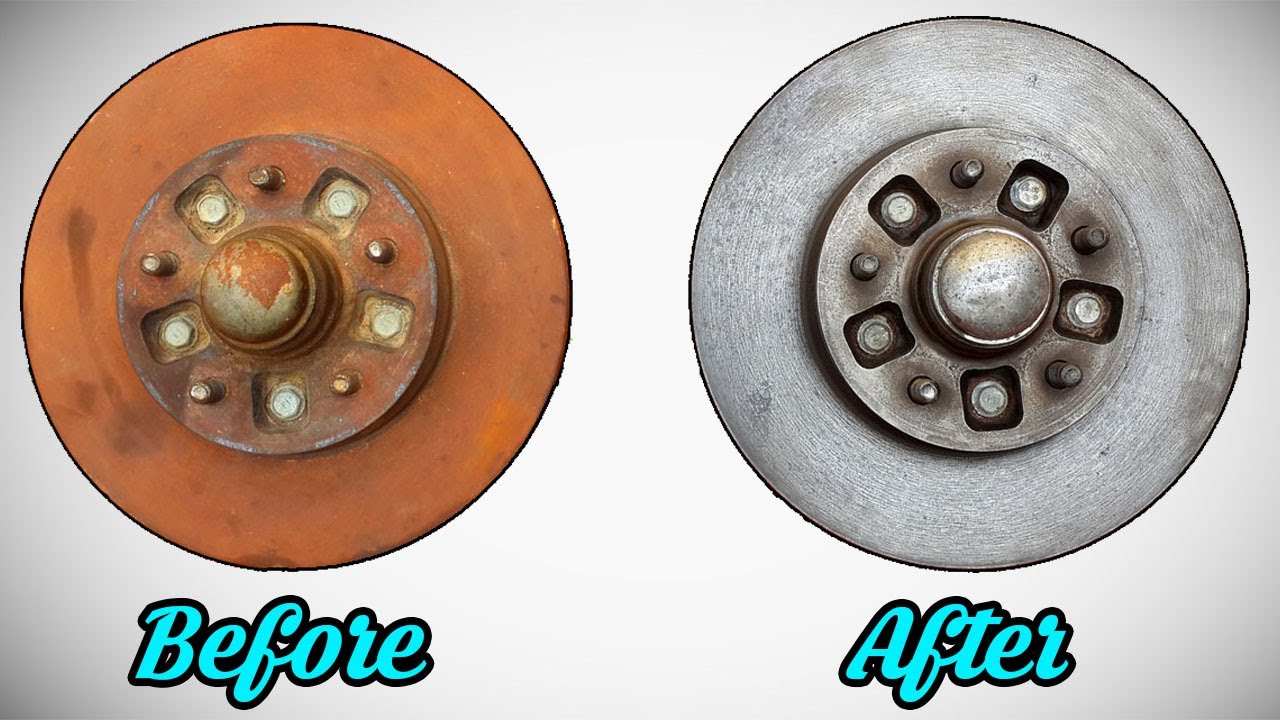
Rust on your brake rotors can be more than just an eyesore—it can affect your car’s performance and safety. If you’ve noticed that rough, orange coating on your rotors, you might be wondering how to get rid of it quickly and effectively.
The good news is, you don’t need to be a mechanic or spend a fortune to fix this. You’ll discover simple, step-by-step methods to remove rust from your brake rotors using tools and materials you probably already have. Keep reading, because a smooth, safe ride starts with clean, rust-free rotors—and it’s easier than you think.
Credit: www.youtube.com
Signs Of Rusty Brake Rotors
Rusty brake rotors can affect your car’s safety and performance. Recognizing the signs early helps you avoid bigger problems. Rust forms naturally but may cause issues if it gets worse. Knowing these signs saves time and money on repairs.
Visual Indicators
Rust looks like a reddish-brown layer on the rotor surface. It often appears after the car sits unused for days. Small rust spots can cover the whole rotor. Deep grooves or rough patches may show if rust has lasted long. You might notice flakes or powdery rust falling off. Clean rotors should look smooth and shiny.
Impact On Braking Performance
Rusty rotors reduce how well your brakes work. The brakes may feel less responsive or weak. You might hear squeaking or grinding sounds while braking. Vibrations or shaking in the brake pedal can occur. Rust can cause uneven brake pad wear. This reduces braking power and increases stopping distance.
Tools And Materials Needed
Removing rust from brake rotors requires the right tools and materials. Having everything ready makes the job easier and safer. Below is a list of what you need to clean rust off brake rotors effectively.
Cleaning Supplies
Start with a wire brush or sandpaper to scrub off loose rust. Use a brake cleaner spray to remove grease and dirt. A clean rag or cloth helps wipe away debris. For tougher rust, use a rust remover solution. A bucket of water is useful for rinsing parts after cleaning.
Safety Gear
Wear safety goggles to protect your eyes from dust and chemicals. Use gloves to keep your hands safe from sharp edges and cleaners. A dust mask prevents inhaling rust particles and fumes. Dress in old clothes to avoid damage from dirt and chemicals.
Preparing Your Vehicle
Before removing rust from your brake rotors, prepare your vehicle carefully. Proper preparation keeps you safe and makes the job easier. Take your time and follow steps in order.
Parking And Securing
Park your car on a flat, level surface. Avoid slopes or uneven ground. This prevents the car from moving while you work.
Turn off the engine and set the parking brake firmly. This stops the wheels from rolling.
Place wheel chocks behind the wheels that stay on the ground. This adds extra safety by blocking wheel movement.
Removing The Wheel
Loosen the lug nuts slightly before lifting the car. Use a lug wrench or tire iron for this step.
Raise the vehicle using a jack. Check your owner’s manual for the correct jacking points.
Secure the car with jack stands. Never rely on the jack alone to hold the car up.
Remove the lug nuts fully and take off the wheel. Set it aside safely to avoid damage.

Credit: www.reddit.com
Rust Removal Methods
Rust on brake rotors can affect your car’s braking power and safety. Removing rust is important for smooth driving and longer rotor life. Several simple methods help clear rust effectively. Each method uses different tools or products to clean the rotors.
Using A Wire Brush
A wire brush scrapes rust from the rotor surface. It works well on light to moderate rust. Use a brush with stiff bristles for best results. Scrub the rotor evenly to avoid uneven wear. This method is cheap and easy for quick rust removal.
Applying Rust Remover
Rust remover is a liquid or gel that dissolves rust. Apply it directly on the rotor and let it sit. The remover breaks down rust particles for easy wiping. Use a cloth or brush to clean off the dissolved rust. Always follow the product’s safety instructions during use.
Sanding The Rotors
Sanding smooths the rotor surface and removes deep rust. Use fine-grit sandpaper or a sanding block. Sand gently in circular motions to protect the rotor. This method works best for heavy rust build-up. After sanding, wipe the rotor clean before use.
Preventing Future Rust
Rust on brake rotors can cause damage and reduce braking power. Preventing rust helps keep your brakes safe and working well. Simple steps can stop rust from forming again. Protecting rotors extends their life and saves money on repairs.
Regular Maintenance Tips
Check your brake rotors often. Look for signs of rust or wear. Clean rotors with a soft brush or cloth. Avoid using harsh chemicals that can harm metal parts. Drive your car regularly. This helps keep rotors dry and free from rust. Store your vehicle in a dry place. Moisture speeds up rust formation. Replace brake pads on time. Worn pads can cause rotor damage.
Protective Coatings
Apply a rust-resistant coating on the rotors. Use products made for brake parts only. These coatings create a barrier against moisture. Spray or paint the rotors carefully. Let the coating dry completely before driving. Reapply the coating after cleaning or heavy use. Protective layers slow down rust and corrosion. They keep rotors looking new and working strong.

Credit: www.familyhandyman.com
When To Replace Brake Rotors
Brake rotors play a key role in your vehicle’s safety. Rust can form on rotors, but not all rust means replacement. Knowing when to replace brake rotors helps keep your car safe. It also saves money by avoiding further damage.
Signs Of Severe Damage
Deep grooves or cracks on the rotor surface are bad signs. Warped rotors cause vibrations during braking. Thick rust layers that do not clean off can weaken rotors. If brake performance drops or the car pulls to one side, check rotors. These signs mean rotors might need replacement.
Professional Inspection
A mechanic can measure rotor thickness accurately. They check for warping and cracks invisible to the eye. Professionals also test brake performance safely. Regular inspections help catch rotor problems early. Trust a professional to decide if replacement is necessary.
Frequently Asked Questions
How Do I Safely Remove Rust From Brake Rotors?
Use a wire brush or sandpaper to scrub the rust gently. Apply brake cleaner afterward to remove debris. Always wear protective gloves and eye protection for safety.
Can Vinegar Effectively Remove Rust On Brake Rotors?
Yes, vinegar’s acidity helps dissolve rust. Soak a cloth in vinegar and wrap it around the rotor. Leave it for a few hours, then scrub off the rust with a brush.
How Often Should I Clean Rust Off Brake Rotors?
Clean rust when you notice surface rust or braking issues. Regular inspection every few months helps maintain rotor performance and safety.
Will Removing Rust Improve Brake Performance?
Yes, removing rust ensures smooth contact between pads and rotors. This improves braking efficiency, reduces noise, and extends rotor life.
Conclusion
Rust on brake rotors can cause noise and reduce braking power. Removing rust helps your brakes work better and last longer. Use simple tools like a wire brush or sandpaper to clean rust safely. Regular checks keep your brake rotors smooth and safe.
A little effort goes a long way in keeping your car reliable. Take care of your brakes to drive with confidence and peace of mind.


