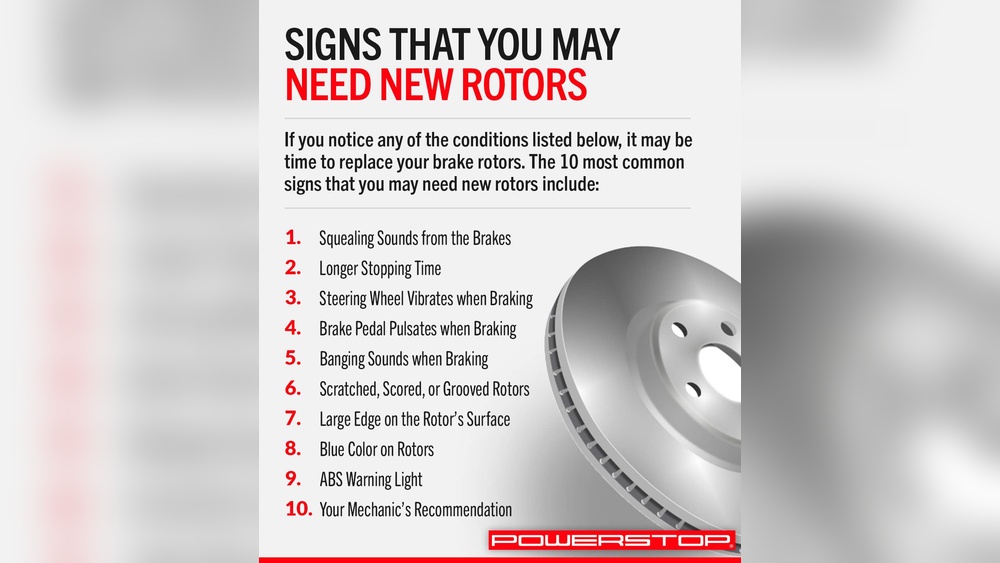
Have you ever faced the frustration of a stuck disc brake rotor? It can bring your bike or car to a standstill and leave you wondering what to do next.
Removing a rotor that won’t budge can seem tricky, but with the right steps, you can get it off quickly and safely. In this guide, you’ll discover simple, effective techniques to free that stubborn rotor without causing damage. Keep reading, and you’ll be back on the road or trail in no time.
Causes Of Stuck Disc Brake Rotors
Stuck disc brake rotors cause frustration and delay repairs. Understanding the causes helps fix the issue quickly. Several factors can make a rotor hard to remove. Each cause affects the rotor differently and needs careful attention.
Corrosion And Rust Build-up
Rust forms when moisture meets metal parts. Rotors often face water, salt, and dirt. Rust sticks the rotor to the hub tightly. Over time, rust layers grow and harden. This makes the rotor almost impossible to move by hand. Cleaning rust early can prevent the rotor from sticking.
Warped Or Damaged Rotors
Heat and wear change rotor shape. Warped rotors do not fit well on the hub. This misfit can cause the rotor to lock in place. Damage like dents or cracks also makes removal tough. Damaged rotors may need replacement instead of repair.
Seized Caliper Pistons
Caliper pistons push the brake pads against the rotor. Dirt and corrosion can freeze these pistons. When seized, pistons hold the rotor tightly. This locks the rotor and stops it from turning. Checking caliper pistons is key before removing the rotor.
Improper Installation
Installing rotors wrongly causes many problems. Over-tightened bolts squeeze the rotor too much. Misaligned rotors press unevenly on the hub. This leads to stuck rotors and uneven brake wear. Following correct installation steps avoids these issues.

Credit: www.youtube.com
Tools Needed For Removal
Removing a stuck disc brake rotor requires the right tools. Using the correct tools makes the job easier and safer. This section lists the essential tools for removing a stuck rotor.
Basic Hand Tools
Start with common hand tools like wrenches and screwdrivers. You need a socket set to remove bolts holding the rotor. A breaker bar helps loosen tight bolts. Keep a set of Allen keys handy for any hex screws.
Penetrating Lubricants
Penetrating lubricants loosen rust and corrosion on the rotor. Spray lubricant on the rotor hub and let it sit. This reduces the grip of rust, making the rotor easier to remove. Choose a lubricant designed for metal parts.
Rubber Mallet And Hammer
A rubber mallet helps tap the rotor without damage. Gently tap around the rotor edges to free it. Use a hammer carefully for stuck areas. Avoid hitting the rotor too hard to prevent bending.
Heat Sources
Heat can expand metal parts, easing rotor removal. Use a heat gun or propane torch with caution. Apply heat around the rotor hub to break rust bonds. Do not overheat or damage nearby components.
Safety Precautions
Safety is the top priority when removing a stuck disc brake rotor. Taking the right precautions helps avoid injuries and damage. Prepare your workspace and tools carefully. Follow these safety tips to work smart and safe.
Protective Gear
Wear gloves to protect your hands from sharp edges and dirt. Use safety glasses to shield your eyes from dust and debris. Long sleeves and pants help guard your skin from scrapes and chemicals. Always gear up before starting the job.
Vehicle Stability
Ensure the vehicle stands firm and will not move. Use wheel chocks on the opposite wheels to keep the car still. Support the car with sturdy jack stands, never rely on a jack alone. A stable vehicle prevents accidents during rotor removal.
Handling Heat And Chemicals
Brake parts can get very hot after use. Let the brakes cool down before touching the rotor. Use brake cleaner or penetrating oil carefully to loosen the rotor. Avoid inhaling fumes and work in a well-ventilated area. Handle all chemicals with care to stay safe.

Credit: www.autonationmobileservice.com
Step-by-step Removal Process
Removing a stuck disc brake rotor can be tricky. Follow these clear steps to make the job easier. Safety and patience are key. Each step helps loosen the rotor carefully without damage.
Loosen Lug Nuts And Remove Wheel
Start by loosening the lug nuts on the wheel. Use a lug wrench to turn them counterclockwise. Do not remove them fully yet. Then, lift the vehicle with a jack and secure it with stands. Remove the lug nuts completely and take off the wheel.
Inspect The Brake Assembly
Look closely at the brake assembly for rust or damage. Check the rotor surface and the hub area. Note any corrosion that may cause the rotor to stick. This inspection helps decide the next best step.
Apply Penetrating Oil
Spray penetrating oil around the center hub and rotor edges. Let the oil soak for 10 to 15 minutes. This oil breaks down rust and dirt that hold the rotor tight. Use enough oil but avoid brake pads and discs.
Use Heat To Loosen Rotor
Heat the rotor carefully with a heat gun or propane torch. Move the heat evenly around the rotor surface. Heat causes metal to expand, helping break the rust bond. Do not overheat or burn the brake parts.
Tap The Rotor Gently
Use a rubber mallet or hammer with a block of wood. Tap the rotor edges gently and evenly. This vibration helps loosen rust and corrosion. Avoid hitting too hard to prevent rotor damage.
Remove The Rotor
Try to pull the rotor straight off the hub. Wiggle it slightly if stuck. If it does not move, repeat oiling, heating, and tapping steps. Once free, clean the hub surface before installing a new rotor.
Alternative Methods To Free Stuck Rotors
Removing a stuck disc brake rotor can be tough. Some rotors get tightly fixed due to rust or dirt. Using simple tools may not always work. Trying different methods helps free the rotor safely. These alternative ways reduce damage and save time.
Using A Puller Tool
A puller tool applies even force to the rotor. Attach the puller to the rotor’s center. Tighten the tool slowly to pull the rotor off the hub. This method avoids bending the rotor. It works well for rotors stuck from rust or corrosion.
Leveraging Caliper Movement
Loosen the caliper bolts slightly. Move the caliper back and forth to create space. This can free the rotor if it is stuck inside the caliper. Be gentle to avoid breaking the brake lines. This method often works when the rotor is stuck from tight fitting.
Freezing The Rotor
Cold causes metal to shrink. Use ice or a freezing spray on the rotor. The metal contracts and loosens from the hub. After cooling for a few minutes, try to remove the rotor again. This method helps break the rust bond without damage.
Preventing Future Stuck Rotors
Preventing future stuck disc brake rotors saves time and effort. It keeps your brakes working smoothly. Routine care and correct habits stop rotors from seizing. Small actions today prevent big problems later.
Regular Maintenance Tips
Check your brake rotors often for rust or dirt. Clean them with a wire brush or brake cleaner. Inspect brake pads and replace them when worn out. Tighten all bolts to the right torque. Regular checks keep parts moving freely and reduce rust buildup.
Proper Installation Practices
Align the rotor carefully during installation. Make sure it sits flat against the hub. Tighten screws in a crisscross pattern to avoid warping. Avoid overtightening bolts, which can damage parts. Correct installation prevents uneven pressure that causes rotors to stick.
Use Of Anti-seize Compounds
Apply anti-seize lubricant on the hub surface before mounting the rotor. This stops metal from bonding and rusting together. Use a thin, even layer for best results. Anti-seize compounds make future rotor removal easier and reduce corrosion risk.
When To Seek Professional Help
Sometimes, removing a stuck disc brake rotor is not a simple task. Trying to fix it alone might cause more damage or injury. Knowing when to get professional help saves time and protects your bike or car. Professionals have the right tools and experience to handle tough rotors safely and quickly.
Signs You Should Call A Professional
If the rotor does not budge after several attempts, it’s time to stop. Excessive rust or damage around the rotor can make removal risky. Strange noises or broken parts during removal mean a professional’s help is needed. Lack of proper tools also makes the job difficult and unsafe.
Complex Brake Systems Require Expert Care
Modern vehicles often have complex brake designs. These require special knowledge to avoid mistakes. Professionals understand how to handle different rotor types and brake setups. They can prevent costly damage to the brake system and ensure safety.
Safety Risks Of Diy Removal
Using wrong tools or too much force can cause injury. Sharp edges and heavy parts pose hazards. Professionals know how to work safely and avoid accidents. Proper handling reduces the risk of brake failure or other problems later.

Credit: www.reddit.com
Frequently Asked Questions
How Do I Safely Remove A Stuck Disc Brake Rotor?
To safely remove a stuck rotor, first remove the wheel and caliper. Use penetrating oil on the rotor hub. Gently tap the rotor with a rubber mallet to loosen it. Avoid using excessive force to prevent damage.
What Tools Are Needed To Remove A Stuck Rotor?
You need a wrench to remove caliper bolts, a rubber mallet to tap the rotor, and penetrating oil to loosen rust. Optionally, a pry bar can help if the rotor is severely stuck. Always wear safety gloves and eye protection.
Why Does A Disc Brake Rotor Get Stuck?
Rotors get stuck due to rust, corrosion, or debris buildup between the rotor and hub. Moisture and road salt accelerate this problem. Regular maintenance and cleaning can prevent rotors from seizing to the hub.
Can Heat Help Remove A Stuck Disc Brake Rotor?
Yes, heating the rotor with a heat gun or torch can expand the metal. This helps break the rust bond. Heat the rotor evenly for a few minutes, then attempt removal carefully with a mallet.
Conclusion
Removing a stuck disc brake rotor takes patience and the right tools. Apply heat carefully and use gentle taps to loosen the rotor. Avoid rushing or forcing parts to prevent damage. Regular maintenance helps stop rotors from sticking in the future.
Follow these steps to keep your bike or car brakes working smoothly. Stay safe and take your time with the process. You can handle this repair with simple tools and some care.